


Brass Handle Cupboard
A brass handle cupboard brings functional storage and warm metal detail into a room, spanning compact bedside units to large oak sideboards.
Brass Handle Cupboard
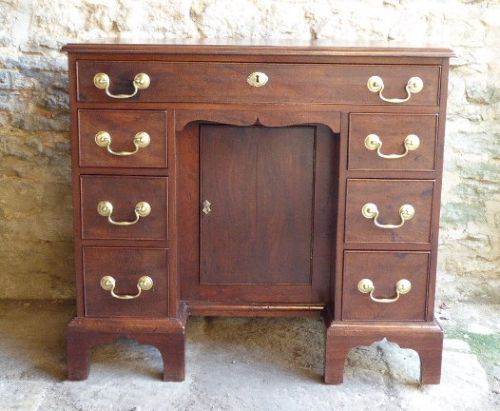
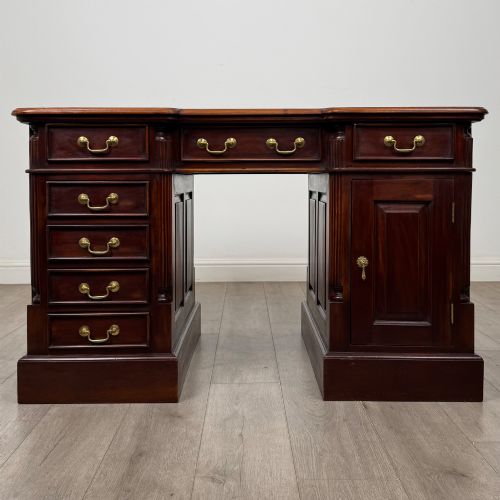
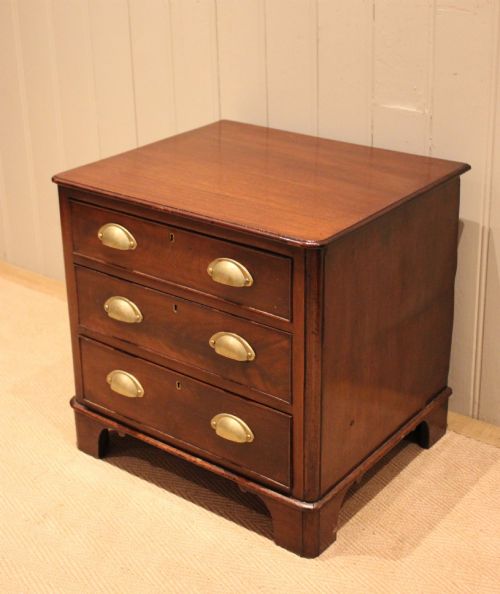
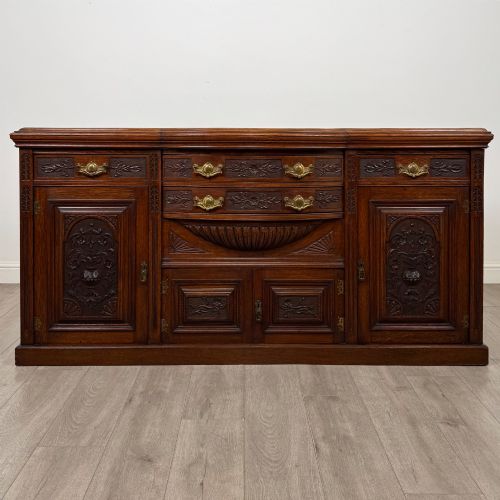
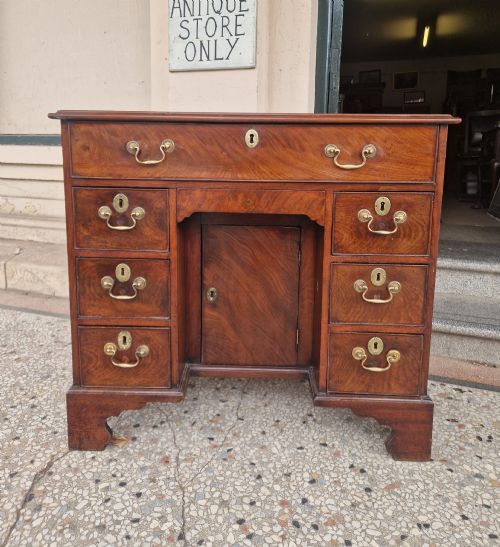
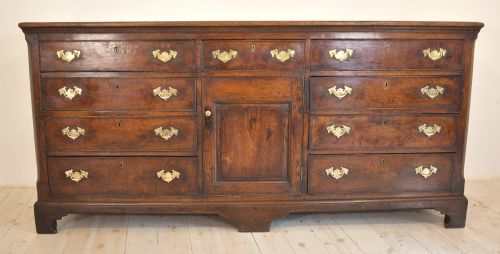
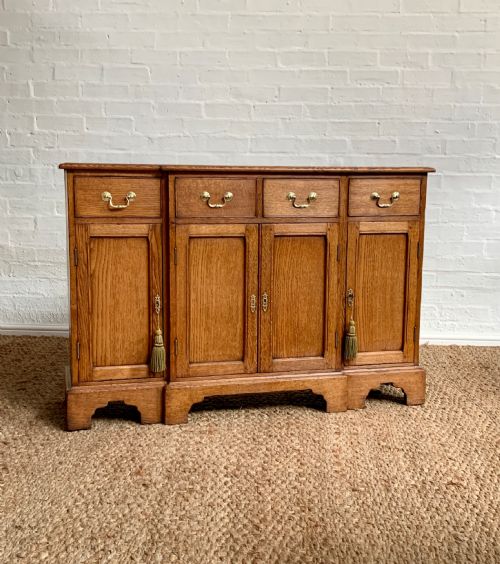
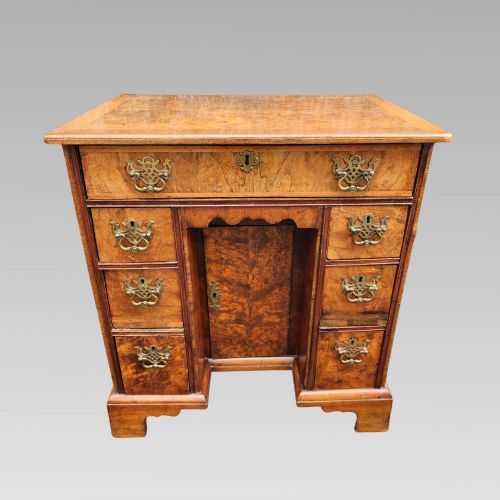
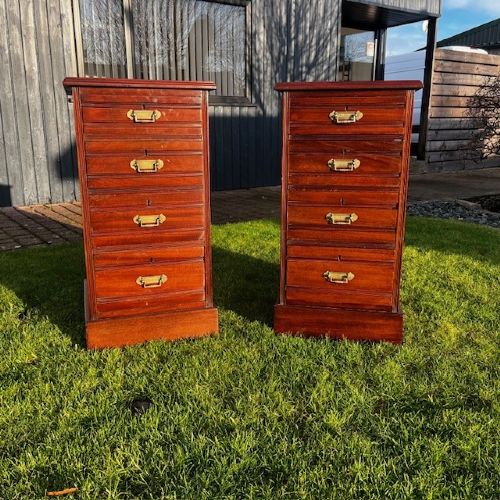
A brass handle cupboard encompasses a diverse group of storage furniture, most frequently appearing on this page as Georgian, Victorian, and Edwardian bedside cabinets, chests of drawers, and sideboards. These pieces range from compact bedside tables with single doors to substantial oak press cupboards and mahogany desks fitted with functional brass hardware.
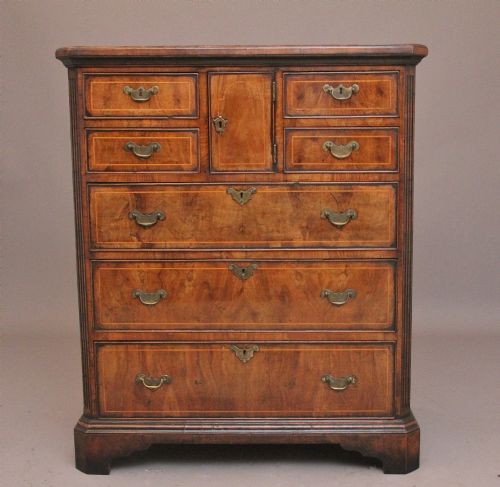
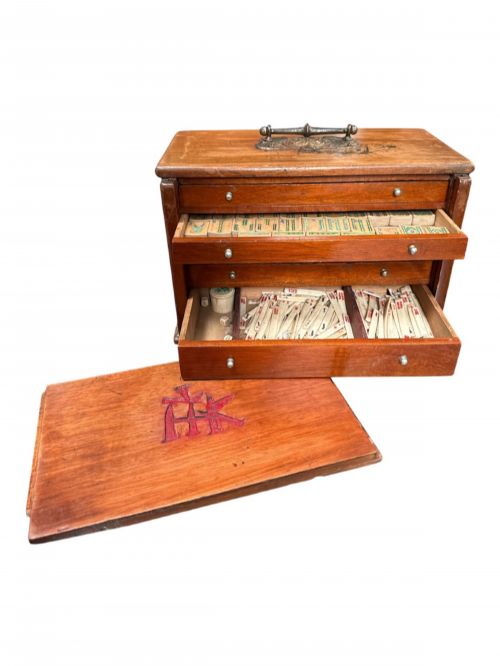
The selection reflects domestic and commercial utility from past centuries, including campaign lockers, haberdashery shop counters, and tallboy storage units. Buyers searching this phrase encounter both dedicated cupboards and multi-drawer furniture incorporating enclosed cupboard sections secured by brass handles.
How they were made
Construction relies heavily on traditional cabinet timbers such as mahogany, oak, walnut, and burr walnut, sometimes enhanced by painted surfaces or bone details. Cabinetmakers joined carcases using dovetail joints for drawers and secure mortise and tenon framing for doors and structural supports.
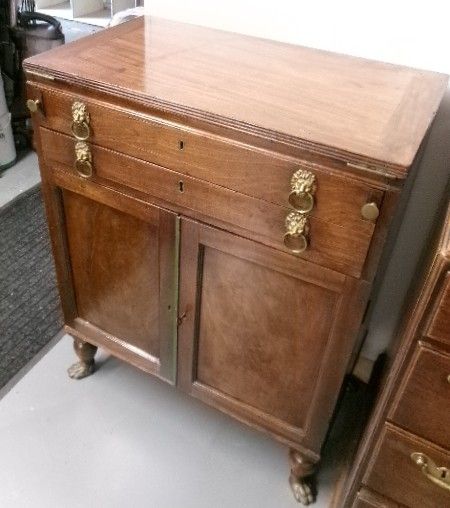
Hardware is integral to the construction, utilising cast or brass drop handles, carrying handles, and paw feet fixed firmly to the wood. Woods like mahogany and oak were frequently polished to a warm finish, while specialist items incorporated internal shelving, fitted trays, and secure locking mechanisms.
Listings feature oak, mahogany, walnut, burr walnut, rosewood, maple, and painted wood across 17th, 18th, 19th, and 20th century periods.
What varies in quality
Quality rests on the selection of timber veneers, such as burr walnut or figured mahogany, and the precision of the cabinetmaker's joinery. Superior examples maintain original structural integrity, well-fitted internal drawers, and matching timber grain across prominent panels.
The distinction between standard utility items and finer pieces involves the originality of the brass furniture and the refinement of carving or inlay. Retaining original period brass handles and matching hinges elevates the integrity of a cupboard significantly.
Maple and Co·Waring S Gillows·Collinson and Lock London·Gillows
The Brass Handle Cupboard Glossary
- Campaign chest
- Portable military furniture designed to separate into modular sections, frequently fitted with flush brass handles to prevent snagging during transport.
- Kneehole desk
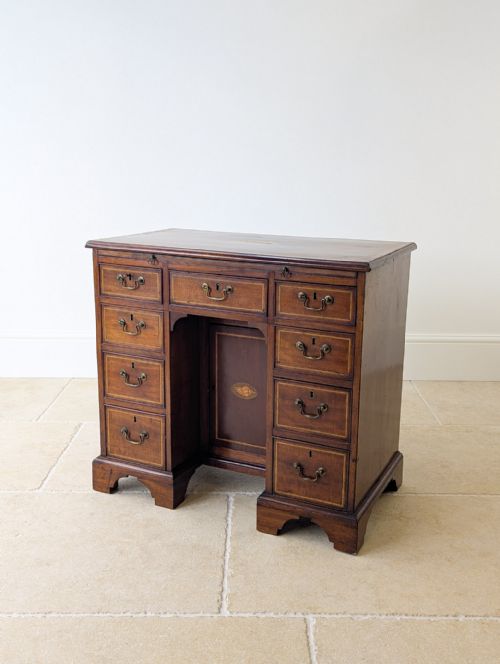
- A compact desk or dressing table featuring a central recessed space for the legs, flanked by pedestals of small drawers.
- Tallboy
- A tall chest of drawers standing upon another chest or a low base stand, maximising vertical storage capacity in smaller rooms.
- Press cupboard
- A large storage cabinet traditionally used for linens and garments, often combining upper cupboard doors with lower drawers.
- Haberdashery cabinet
- A shop display unit featuring multiple shallow drawers or glass-fronted compartments designed for organising small dry goods.
Brass Handle Cupboard: Frequently Asked Questions
How do I date a brass handle cupboard?
Dating relies on examining the timber construction, dovetail joints, and the style of the brass handles. Earlier pieces often feature hand-cut dovetails and cast brass drop handles, while later Victorian and Edwardian examples show more standardised machine production.
Secondary woods used inside drawers and back panels also help determine the period. Comparing the overall proportions and decorative motifs to documented cabinetmaker designs provides further confirmation.
Were brass handles always original to these cupboards?
Brass handles were frequently replaced over centuries of domestic use due to wear or changing interior tastes. Original hardware usually matches the screw patterns and darkening patina of the surrounding wood.
Inspect the interior of drawer fronts for filled screw holes indicating earlier handle placements. Replacement brassware can still be correct for the period even if it is not the original factory fitting.
How should I care for antique wood surfaces?
Maintain antique timber by keeping it away from direct heat sources and strong sunlight, which can dry out and fade the polish. Apply a quality beeswax periodically to nourish the wood and preserve the natural sheen.
Avoid using modern liquid silicone sprays or abrasive chemical cleaners that can damage historic polishes. Gently dust the surface with a soft, dry cloth to prevent scratching the finish.
Can I use a bedside cabinet in a living room?
Compact bedside cabinets and small cupboards adapt easily to modern living spaces as side tables or lamp stands. Their enclosed storage offers a practical solution for concealing small items while maintaining a tidy room layout.
Ensure the height of the cabinet matches adjacent seating or upholstery for comfortable everyday use. The character of aged oak or mahogany brings warmth and texture to contemporary interiors.