
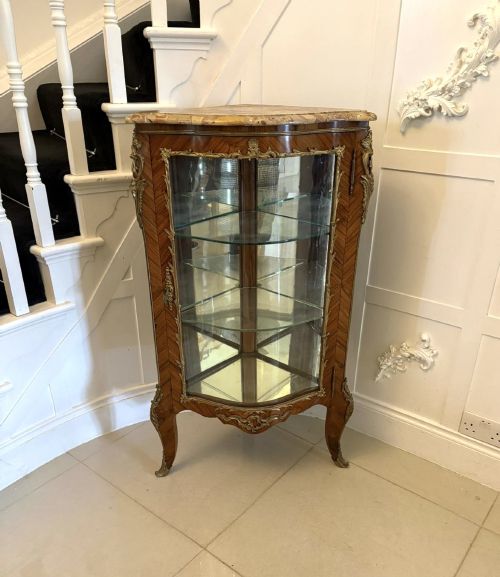
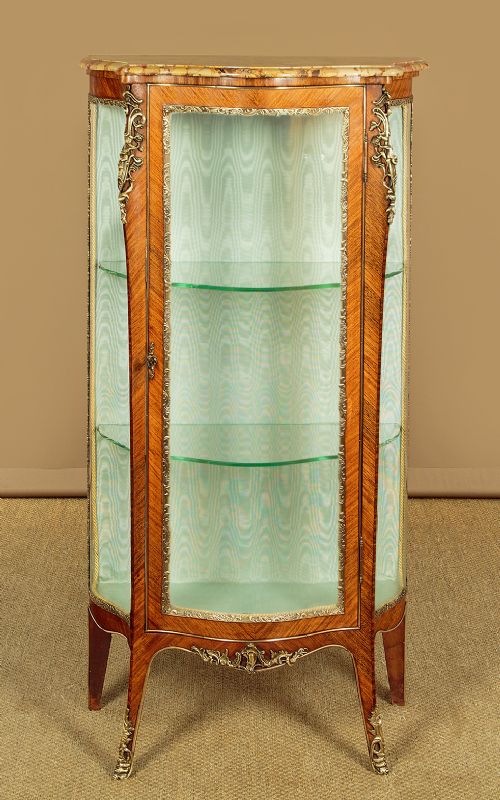
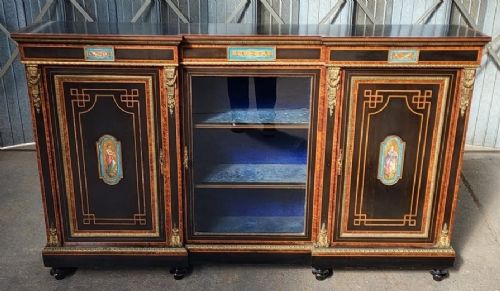

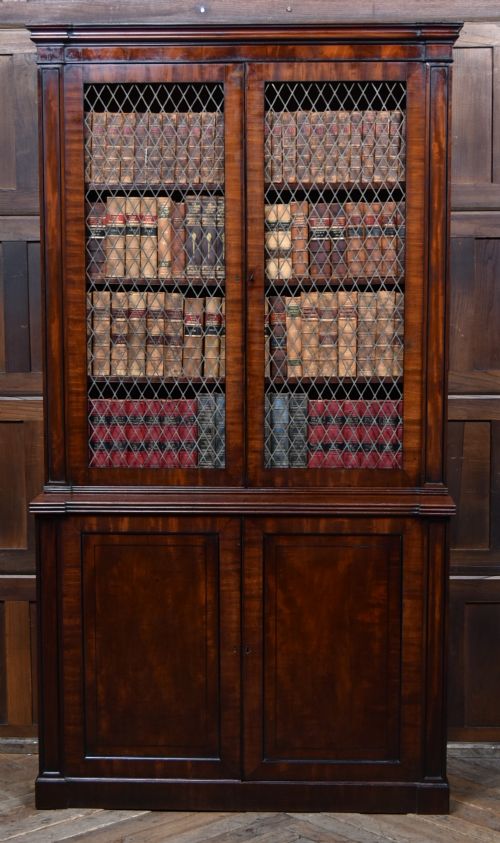
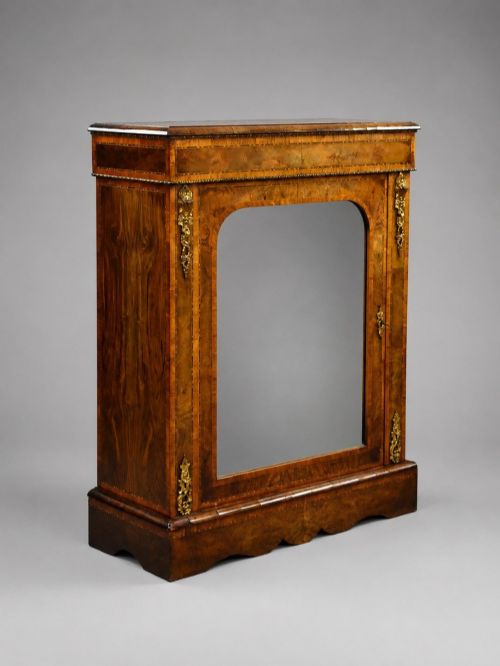
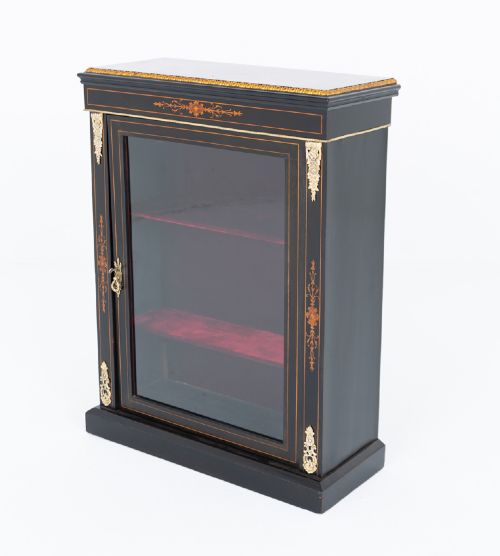
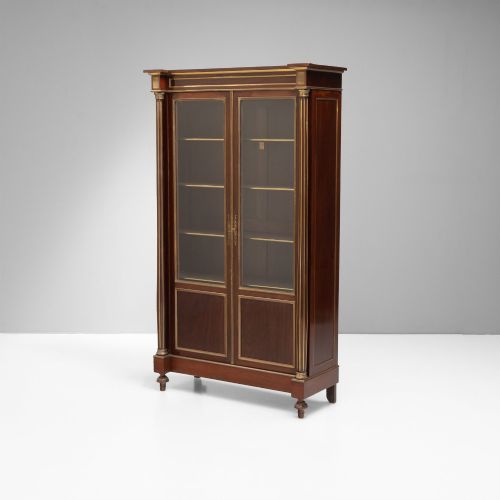
Brass Glazed Display Cabinet
A brass glazed display cabinet brings together glass and metal framing to showcase prized collections inside rooms of distinction.
Brass Glazed Display Cabinet
A brass glazed display cabinet serves to protect and exhibit precious objects, porcelain, and books within domestic interiors. When searching for a brass glazed display cabinet, buyers frequently encounter pieces originating from the nineteenth century alongside later twentieth-century iterations.
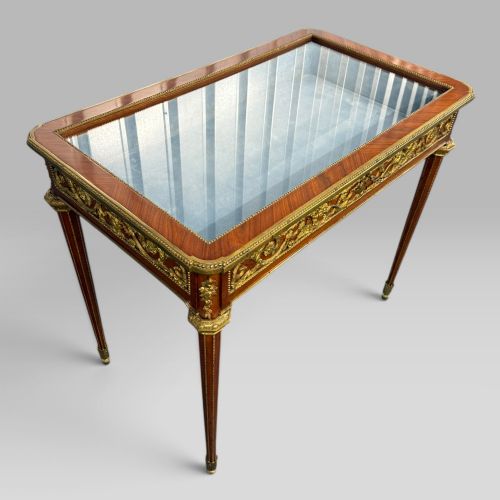
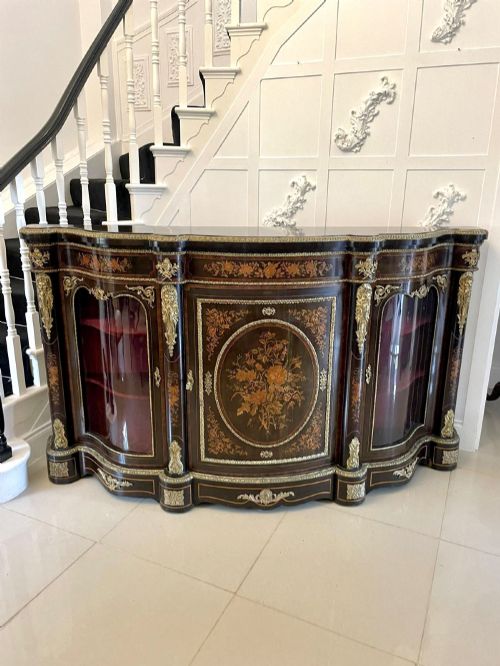
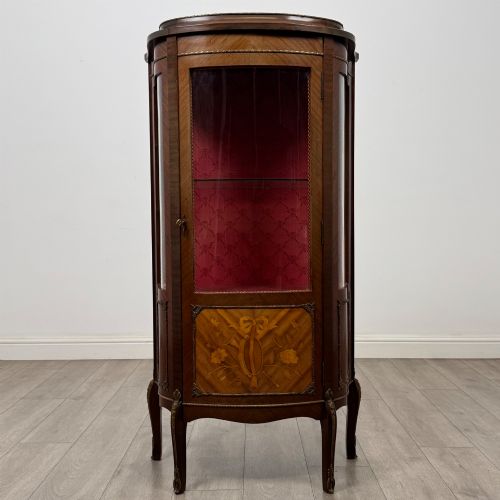
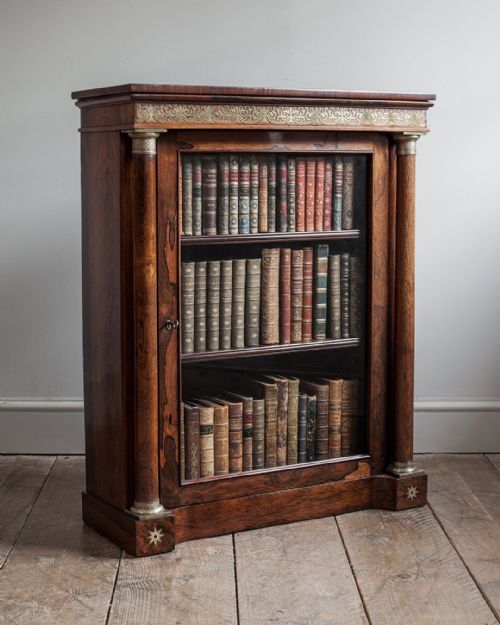
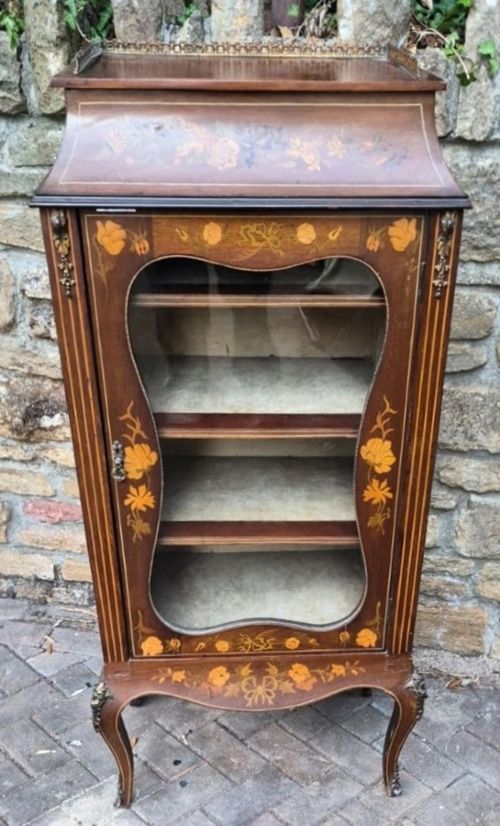
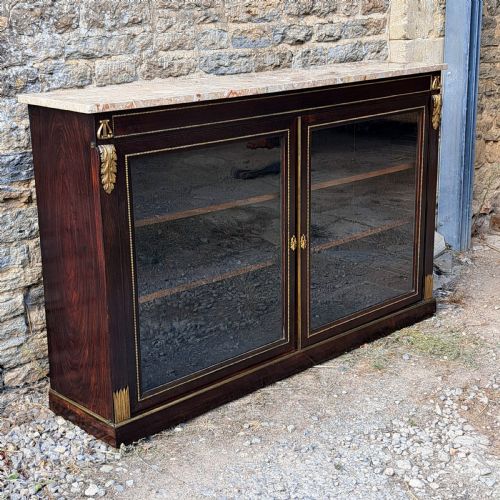
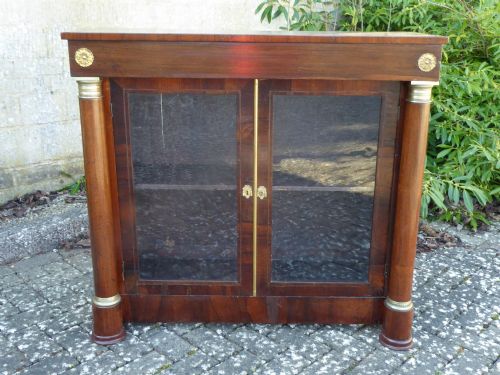
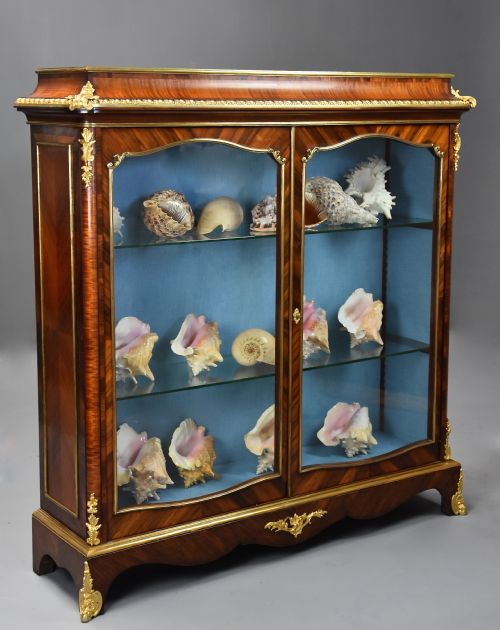
The form encompasses various historical styles such as Victorian, Regency, and French revival designs. These pieces range from compact pier cabinets and bijouterie tables to large breakfront bookcases and side cabinets.
Makers and workshops across Britain and continental Europe produced these units utilising fine timber frames fitted with transparent glass panels. The resulting furniture balances functional storage with decorative visual presentation.
How they were made
Craftsmen built the structural carcases using dense timbers including mahogany, rosewood, walnut, kingwood, and ebonised wood, often enhanced by marquetry or brass inlay. Ormolu mounts and brass framing secured the glazed doors and windows while adding reflective metallic ornamentation.
Glass panels were fitted carefully into rebated frames to enclose the shelved interiors securely. Metal mounts were cast, chased, and fixed to corners, cornices, and doors to accentuate the structural lines of the cabinet.
Some nineteenth-century shop display cabinets have crossed over from commercial trade counters to become domestic trophy cases.
What varies in quality
The refinement of the ormolu mounts and the intricacy of the brass framing distinguish superior examples from standard production. High-grade construction shows in the selection of figured timber veneers and the precision of the joinery.
Proportion and decorative harmony dictate the standing of a piece, with attribution to known makers or workshops elevating its historical interest. The clarity of the glazing and the integrity of internal adjustable shelving further separate cabinet grades.
François Linke·Marsh & Tatham·F. Sage & Co.·Paul Sormani
The Brass Glazed Display Cabinet Glossary
- Ormolu
- Gilded bronze or brass applied as decorative mounts on furniture. This technique adds metallic highlights to wood carcases.
- Vitrine
- A glass-fronted cabinet designed for displaying fine porcelain, curiosities, or books. Such pieces typically feature glazed sides and doors.
- Pier cabinet
- A narrow cabinet built to fit wall spaces between windows. These upright units often incorporate glazed doors and brass mounts.
- Marquetry
- Inlay work using various wood veneers to create pictorial or geometric patterns on furniture surfaces. It appears frequently on cabinet doors and tops.
- Boulle
- A style of marquetry utilising brass and tortoiseshell inlaid into dark woods. It is named after the French furniture maker André-Charles Boulle.
Brass Glazed Display Cabinet: Frequently Asked Questions
Where should a brass glazed display cabinet go?
These cabinets suit reception rooms, drawing rooms, or studies where fine objects benefit from protection and visibility.
Position them away from direct sunlight to protect internal linings and wooden surfaces from fading.
How do I clean brass mounts safely?
Dust the metal gently with a soft dry cloth to remove surface particles without disturbing the underlying patina.
Avoid abrasive cleaners or chemical polishes that can damage the surrounding timber or the gilded finish.
Can shelves inside these cabinets be adjusted?
Many period examples feature adjustable wooden or glass shelving supported on traditional rack-and-pinion or peg systems.
Care should be taken when moving shelves to avoid chipping the historic glass or scratching the interior veneer.
How do I distinguish Victorian from Regency pieces?
Regency furniture often relies on classical restraint with clean mahogany lines and subtle brass stringing or inlay.
Victorian cabinets tend towards heavier ornamentation, incorporating elaborate marquetry, burr veneers, and prominent ormolu mounts.