

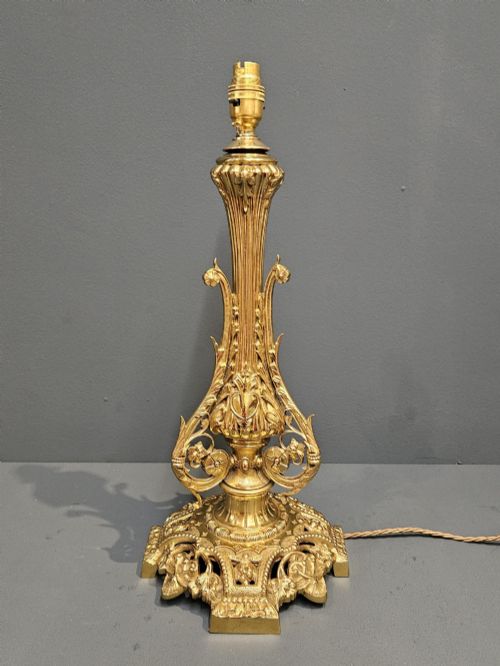
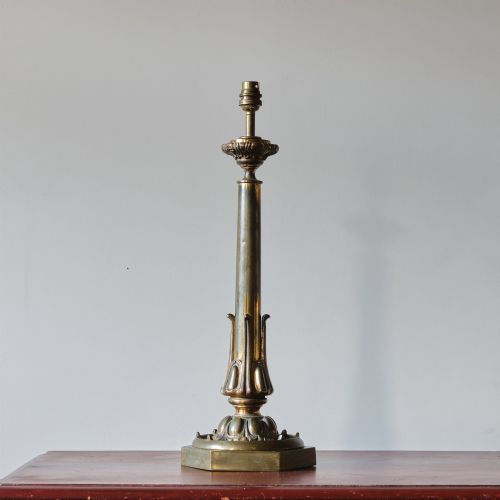


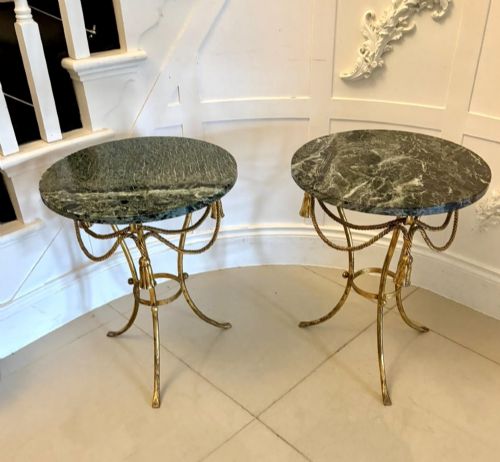
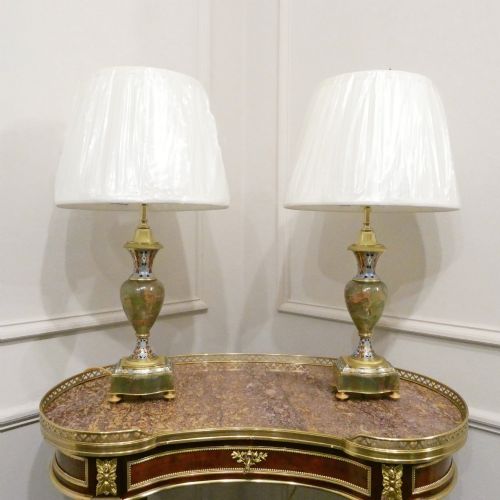


Brass Gilt Bedside Tables
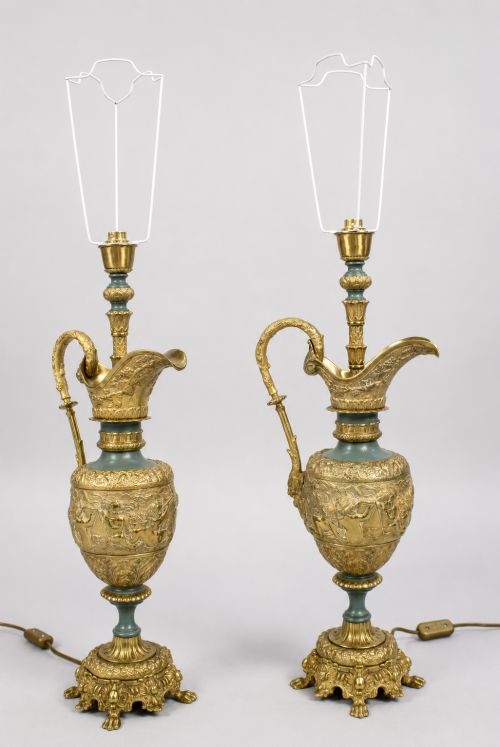
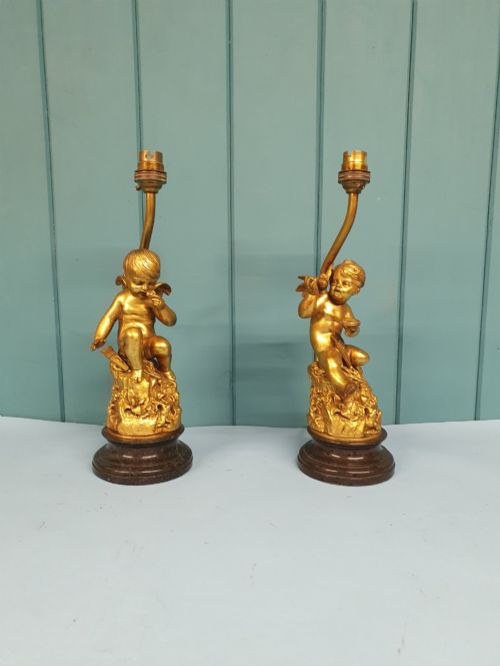
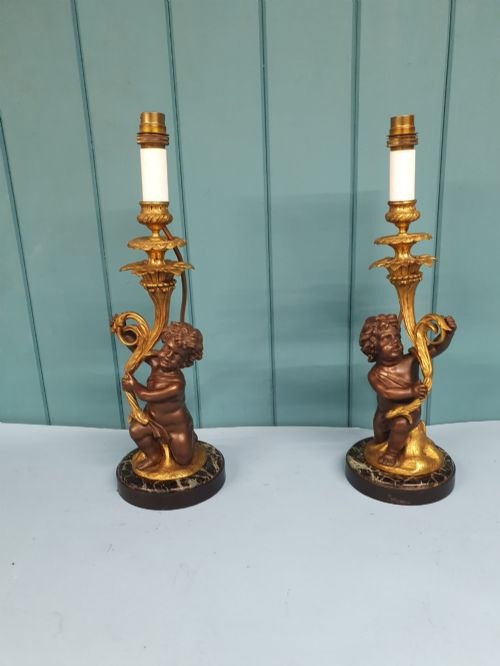
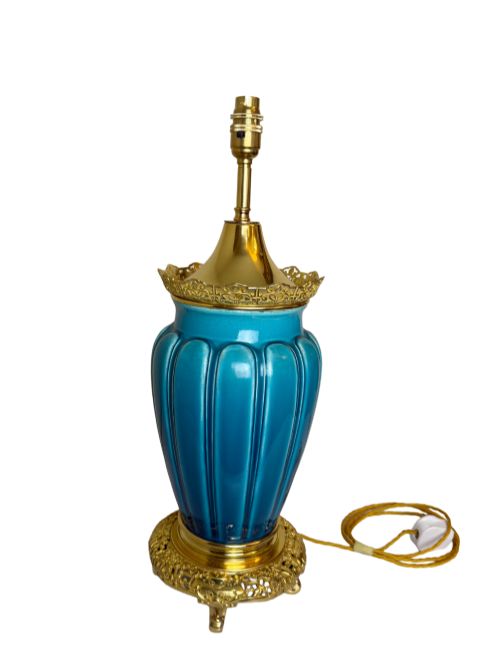
Brass gilt bedside tables comprise polished metal and mirrored surfaces designed to sit beside a bed, drawing from nineteenth and early twentieth century French and English aesthetics.
Brass Gilt Bedside Tables
Brass gilt bedside tables draw on styles including French Neoclassical, Rococo Revival, Louis XVI Style, and Empire, reflecting nineteenth and early twentieth century craftsmanship.
The selections recorded here span side tables, lamp tables, occasional tables, and commodes, incorporating materials such as marble, onyx, kingwood, parquetry, and gilt bronze mounts.
Pieces from this category primarily originate from French and English workshops, dating from the mid nineteenth century through the 1930s.
How they were made
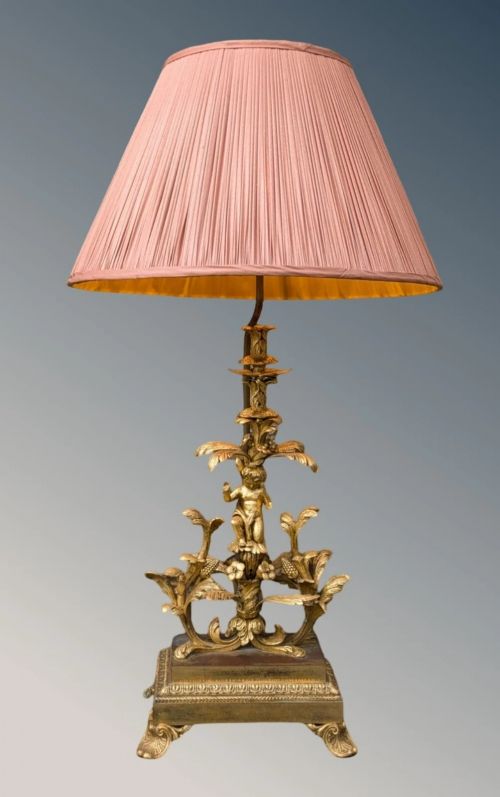
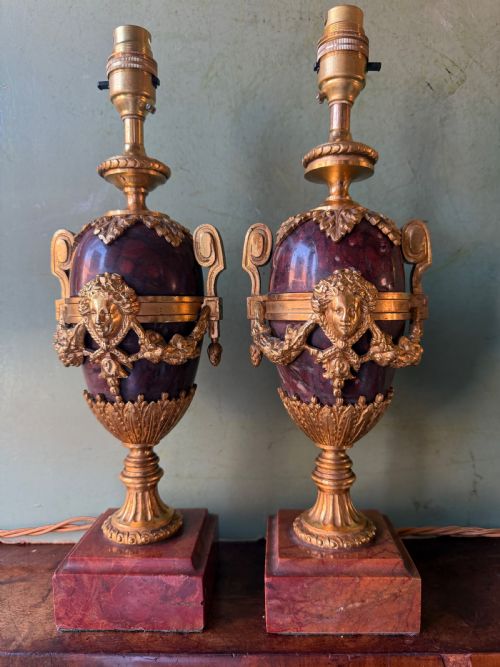
Construction relies on timber frames combined with cast or hand-chased metal mounts in ormolu, gilt bronze, and gilt brass.
Surfaces frequently integrate inset panels of white or green marble, onyx, or parquetry wood veneers, secured with traditional joinery and metal fixings.
Brass Gilt Bedside Tables Retail Price Guide 2026
Typical asking prices for brass gilt bedside tables among the pieces listed under this phrase on Sellingantiques today, from the lower quarter to the upper quarter. They describe what is for sale here now, not the wider market.
Several items retain their original nineteenth century miniature clock faces and enamel dials, ticking quietly through the decades.
What varies in quality
Quality depends upon the crispness of the metal chasing on ormolu mounts and the weight and natural figuring of the marble or onyx tops.
The refinement of timber construction, such as precise parquetry patterns and the integrity of the gilt finish, distinguishes finer examples from standard production.
The Brass Gilt Bedside Tables Glossary
- Ormolu
- Gilded bronze applied as a decorative mount to furniture and lamps. The technique involves mercury gilding on a bronze base, producing a distinct golden lustre.
- Parquetry
- Geometric wood mosaic work used for surface decoration on tables and commodes. Artisans arrange contrasting veneers into precise patterns.
- Louis XVI Style
- An eighteenth century French revival style characterised by neoclassical symmetry, straight fluted legs, and restrained classical mounts. It appeared frequently in nineteenth century decorative arts.
- Cassolette
- A decorative vessel that functions as a burner or vase, often adapted into ornamental lighting or table centrepieces with metal mounts.
Brass Gilt Bedside Tables: Frequently Asked Questions
How do I identify French Empire style pieces?
French Empire pieces display heavy classical influences inspired by antiquity, often featuring symmetrical designs and dark woods contrasted with bright gilt bronze mounts.
Look for architectural motifs, laurel wreaths, and martial symbols that define the aesthetic of the early nineteenth century.
What is the difference between ormolu and gilt brass?
Ormolu consists of a mercury-gilded bronze base that yields a deep, warm metallic tone and sharp cast detail. Gilt brass uses a different base alloy and finishing process, appearing lighter in colour.
Inspect the weight and the precision of the surface chasing to determine the metal composition.
How should I clean marble inserts on tables?
Clean marble surfaces with a soft damp cloth and mild neutral soap, avoiding acidic solutions that etch the stone. Dry the surface thoroughly to maintain the polish.
Protect the stone from prolonged moisture and staining by using coasters and mats.
Are nineteenth century gilt mounts fragile?
Gilt metal mounts are generally durable but can lose their surface layer if subjected to abrasive cleaning or harsh chemical polishes. Handle the metal components gently during routine maintenance.
Preserve the original finish by dusting with a dry microfiber cloth.