

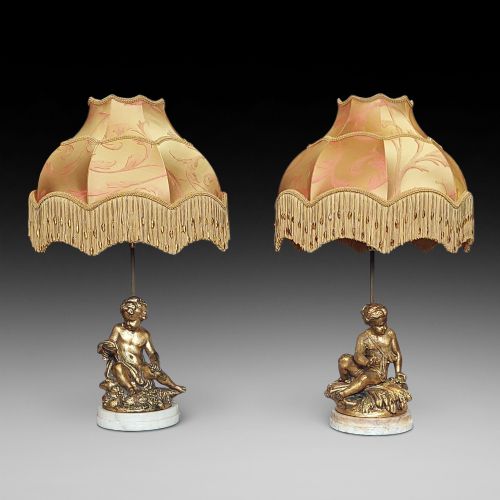


Pair Italian Lamp Tables
These pair italian lamp tables bring distinct continental presence into a room, offering functional illumination paired with classic decorative form.
Pair Italian Lamp Tables
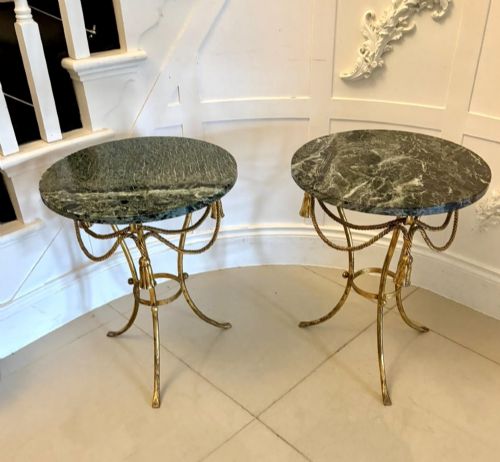
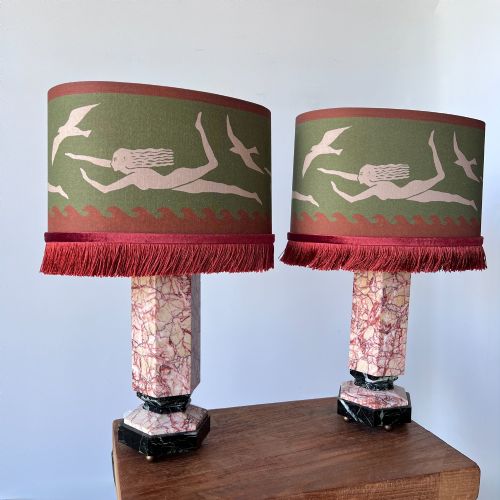
When searching for pair italian lamp tables, buyers encounter a diverse selection of lighting and occasional tables spanning from the eighteenth century through to the mid-twentieth century. The inventory on this page primarily comprises table lamps, side tables, and occasional tables originating from Italy, reflecting periods such as the nineteenth century and the nineteen-twenties.
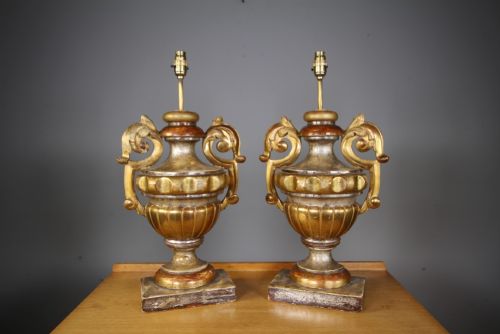
The selection ranges from carved pine and giltwood urn lamps to marble-mounted pieces and occasional tables finished in gold and silver gilt. Neoclassical, Rococo Revival, and Hollywood Regency styles appear frequently, showing the variety of ornamental approaches developed across different Italian workshops.
How They Were Made
Maker techniques rely heavily on traditional wood carving, metal casting, and stone working, utilising materials such as brass, wood, giltwood, fabric, gilt metal, gold leaf, glass, and gesso. Artisans shaped structural elements from pine and hardwoods before applying intricate surface treatments including gilding and marbleisation.
Pair Italian Lamp Tables Retail Price Guide 2026
Typical asking prices for pair italian lamp tables among the pieces listed under this phrase on Sellingantiques today, from the lower quarter to the upper quarter. They describe what is for sale here now, not the wider market.
Listings feature works spanning from the eighteenth century to nineteen-sixty, incorporating materials like gesso, brass, and verde marble.
What Varies in Quality
Quality rests upon the depth of the artisan execution, visible in the sharpness of carved details on giltwood and pine components. Pieces that demonstrate superior craftsmanship exhibit refined proportions and precise integration of stone elements such as verde marble and alabaster.
Surface finishes also distinguish standard examples from finer works, particularly the application of gold leaf and the preservation of original patination on metal and wood. The complexity of the design, whether standard neoclassical forms or monumental sculptural creations, dictates the overall character of the piece.
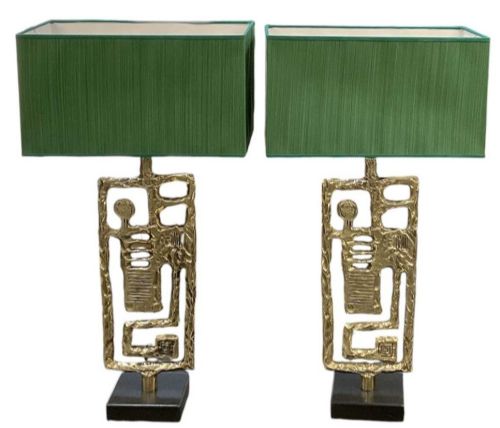
Angelo Brotto for Esperia
The Pair Italian Lamp Tables Glossary
- Giltwood
- Wood that has been coated with a thin layer of gold leaf or gesso. This technique provides a luminous surface finish common in baroque and neoclassical furniture.
- Verde Marble
- A dark green decorative stone with lighter veining. It is frequently utilised in bases and decorative panels for Italian tables and lamps.
- Neoclassical
- A style inspired by classical antiquity characterised by symmetry, straight lines, and classical motifs. It dominates many nineteenth and early twentieth-century Italian decorative objects.
- Gesso
- A plaster-like mixture applied to wood surfaces as a base for gilding or painting. It allows artisans to carve fine details before applying gold leaf.
Pair Italian Lamp Tables: Frequently Asked Questions
What periods do these pieces span?
The listings encompass items from the eighteenth century up through the mid-twentieth century, including pieces from the nineteen-tens, twenties, and thirties. Earlier works often reflect eighteenth-century styles reinterpreted in later periods.
Each era brings distinct decorative characteristics, ranging from ornate carved giltwood to streamlined mid-century sculptural forms.
How do I identify Italian styles?
Italian lighting and tables frequently draw on Neoclassical, Rococo Revival, and Italian Baroque vocabularies. Look for motifs such as cherubs, urns, and classical architectural details.
The choice of materials, particularly the use of giltwood, gesso, and verde marble, points directly to traditional Italian workshop practices.
Where should I place these?
These lamps and occasional tables suit reception rooms, hallways, and living spaces where they function as both light sources and decorative accents. Their strong sculptural presence makes them effective on sideboards or dedicated lamp tables.
Matching the period of the piece with complementary interior decor helps integrate the item naturally into a room.
What materials are most common?
Wood, gilt metal, brass, and various marbles appear regularly across the inventory. Giltwood and gesso finishes provide a reflective, metallic sheen that defines many of the classical designs.
Stone components like alabaster and verde marble add substantial weight and a distinct tactile quality to the bases.