



Brass Fireplace Scuttle
A brass fireplace scuttle brings functional warmth to a hearth, combining sturdy metalwork with decorative presence.

Brass Fireplace Scuttle
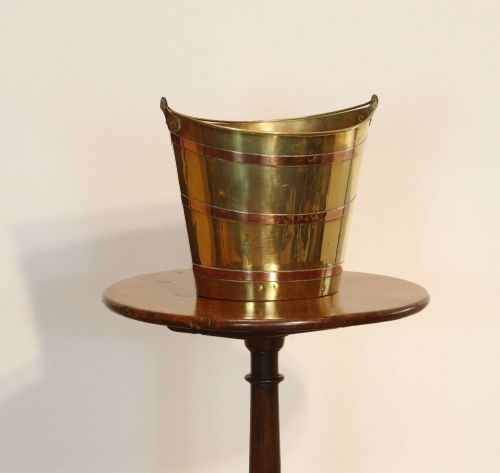
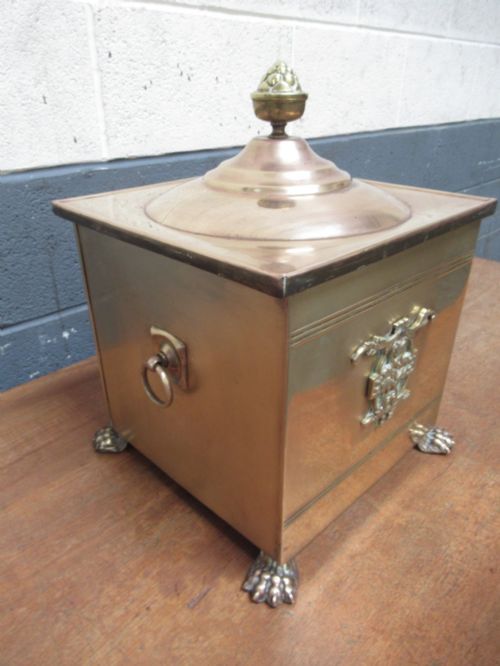
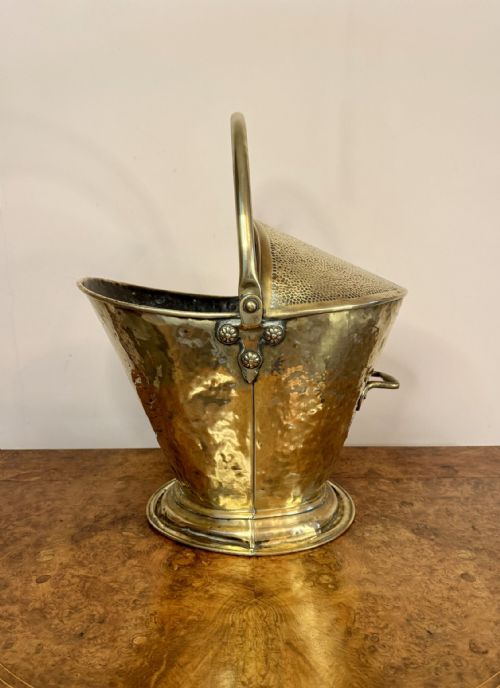
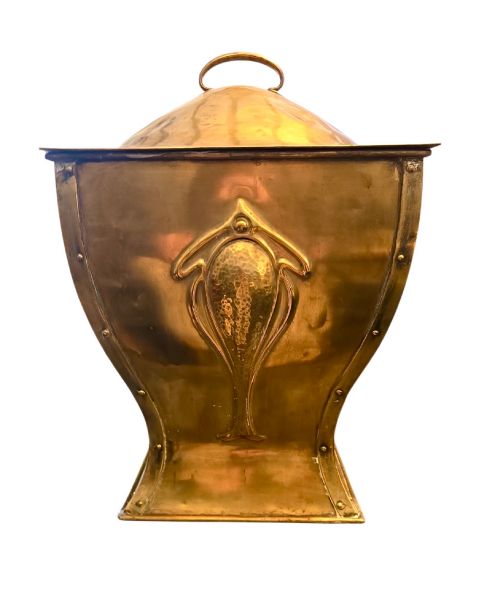
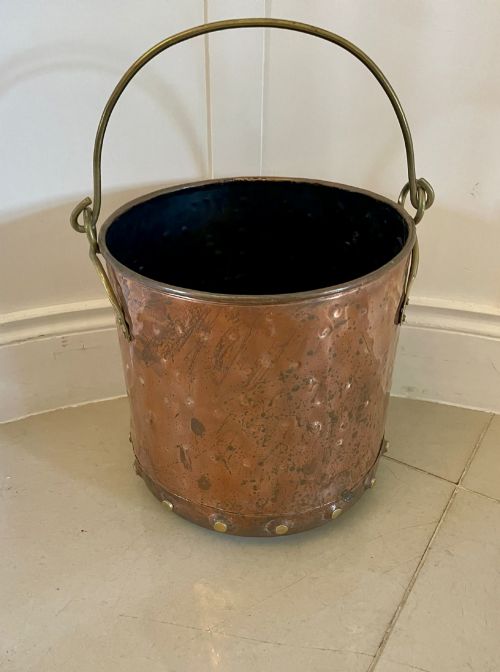
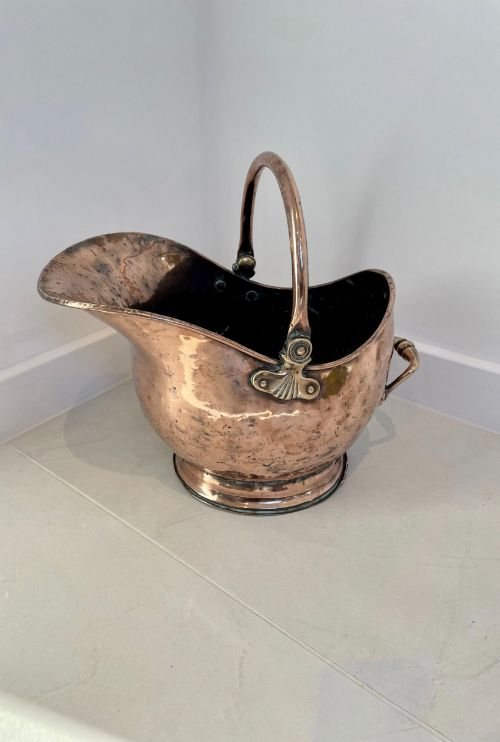
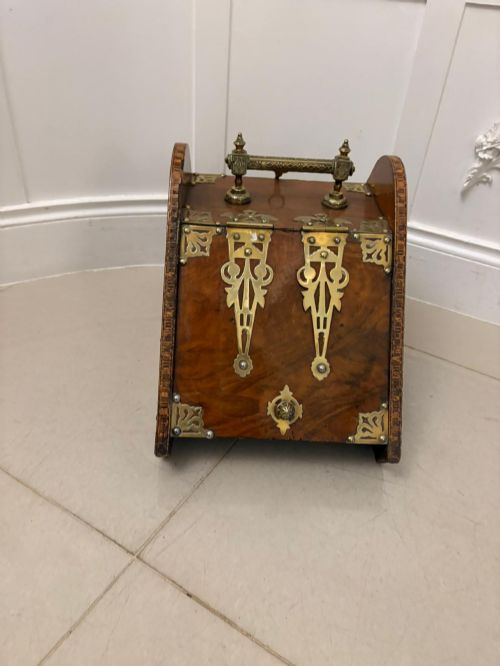
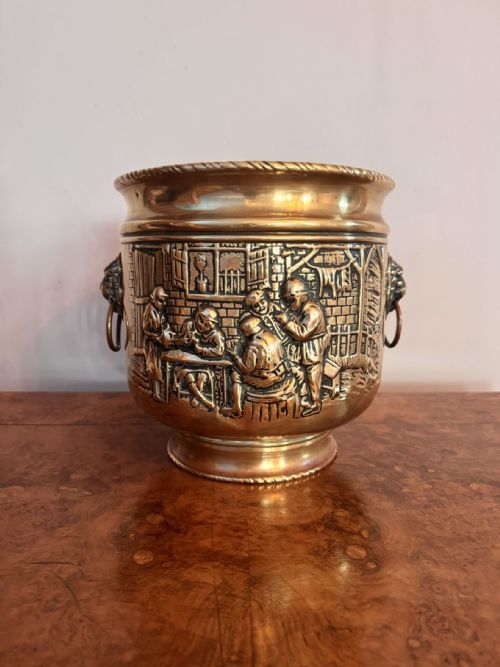
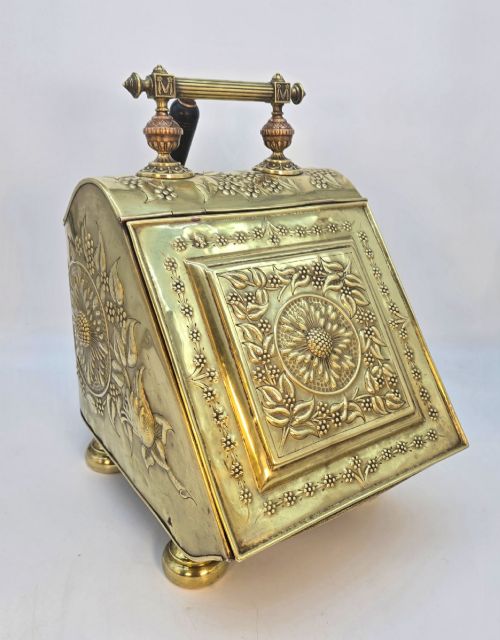
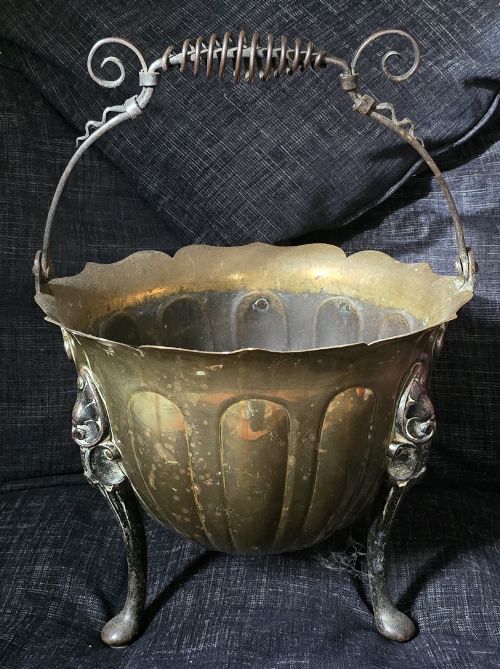
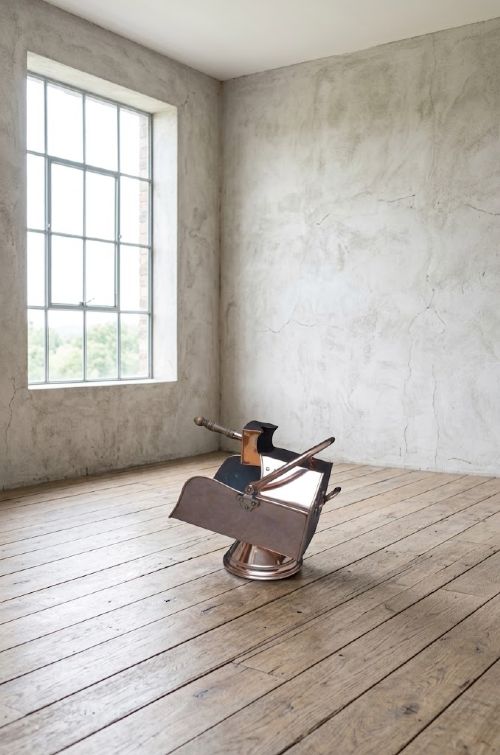
A brass fireplace scuttle provides a practical vessel for holding solid fuel by the hearth, ranging from traditional helmet shapes to lidded boxes. You meet Victorian examples most frequently on this page, often formed with contrasting copper bands or embossed bodywork.
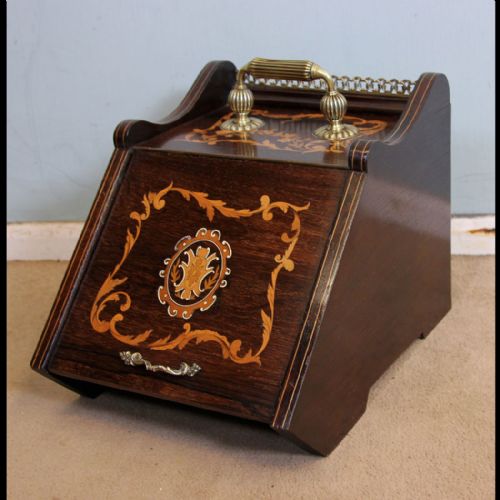
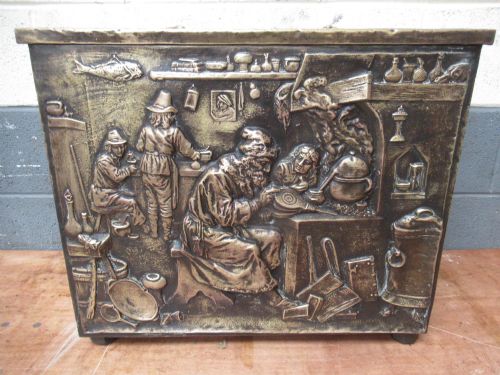
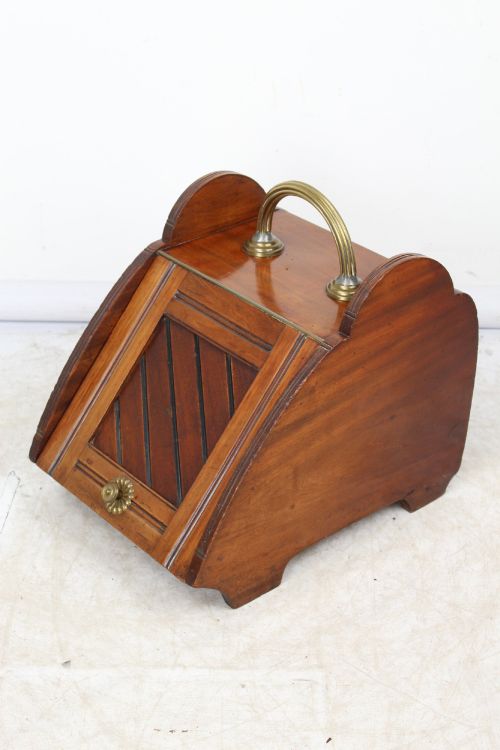
Forms span from open buckets and coal helmets to enclosed boxes with spade holders, alongside coopered wooden bins bound in brass. Makers produced these items across the nineteenth and early twentieth centuries to serve coal fires in period reception rooms.
The materials balance durability against aesthetic display, utilising sheet brass and copper alongside oak, mahogany, and iron liners. Pieces reflect styles from Regency austerity through Victorian ornamentation to Arts and Crafts handcrafting.
Materials and construction
Smiths formed these vessels primarily from beaten sheet brass and copper, joining seams with rivets or folding edges to contain loose fuel securely. Handles and mounts frequently incorporated cast brass or iron to support heavy loads of coal and logs.
Wooden variations relied on traditional cooperage techniques, binding staves of oak, mahogany, or walnut with robust brass bands. Artisans added surface ornamentation through hand embossing, hammering, and applied decorative elements such as spade motifs.
Brass Fireplace Scuttle Retail Price Guide 2026
Typical asking prices for brass fireplace scuttle among the pieces listed under this phrase on Sellingantiques today, from the lower quarter to the upper quarter. They describe what is for sale here now, not the wider market.
Listings span the nineteenth and early twentieth centuries, featuring Victorian, Edwardian, and Regency periods alongside Arts and Crafts and Art Nouveau styles.
Judging the work
Quality rests upon the weight of the metal gauge and the integrity of the structural joints, distinguishing sturdy everyday vessels from lighter ornamental items. Thicker brass and secure riveting demonstrate superior workshop standards that withstand regular hearth use.
Refinement of surface decoration separates standard production pieces from finer examples featuring crisp embossing or hand-hammered detailing. Original internal liners and matching accessories like dedicated shovels elevate the completeness and standing of a piece.
Henry Loveridge·Benham and Froud·Petrus Ramus
The Brass Fireplace Scuttle Glossary
- Coal helmet
- A vessel shaped with a high back and a sloping front lip designed for pouring fuel cleanly onto a fire. This form gained popularity during the Victorian period.
- Coopered
- Built using wooden staves joined together edge-to-edge and bound with metal hoops, much like a traditional barrel. Oak and mahogany bins often utilise this method.
- Log bin
- A large container intended for storing firewood rather than smaller pieces of coal. These items frequently incorporate brass banding or decorative handles.
- Tole ware
- Enamelled and painted metalware produced to mimic Asian lacquer techniques. Pieces occasionally appear in darker finishes for fireside use.
- Jardinier
- An ornamental pot or receptacle used for holding plants rather than fuel. Many historic coal vessels get repurposed for this botanical role today.
Brass Fireplace Scuttle: Frequently Asked Questions
What is a brass fireplace scuttle used for?
These vessels served to store and transport coal or logs conveniently to the domestic hearth for daily fire tending.
Today, they function both as practical fuel holders by active fireplaces and as decorative planters or umbrella stands in traditional hallways.
How do I date a Victorian coal scuttle?
Dating relies on stylistic clues like heavy embossed Victorian brasswork, Arts and Crafts hand-hammering, or cleaner Regency lines.
Construction details such as hand-cut rivets and timber species also help place pieces within the nineteenth or early twentieth centuries.
Can I use an antique coal bucket daily?
Solid brass and copper construction makes these sturdy items entirely suitable for holding logs or kindling beside an active fire.
Checking for secure handles and intact internal liners ensures the vessel remains practical for everyday household use.