



Brass Enamel Plaque
These brass enamel plaque examples combine metalwork and vitreous colour, sought after by collectors for their intricate surface detail and historical resonance.
Brass Enamel Plaque
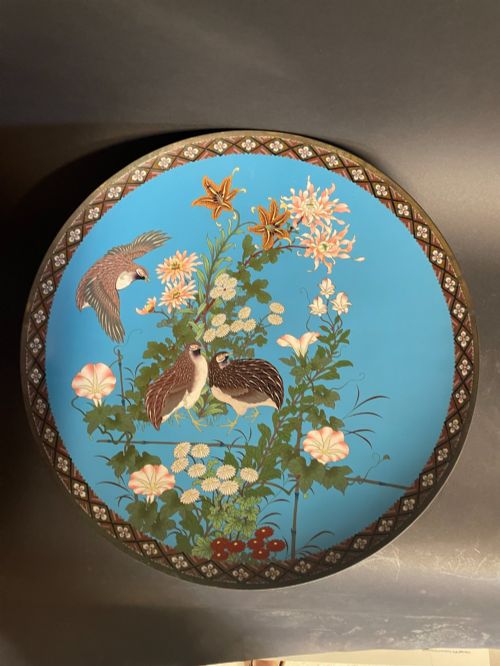
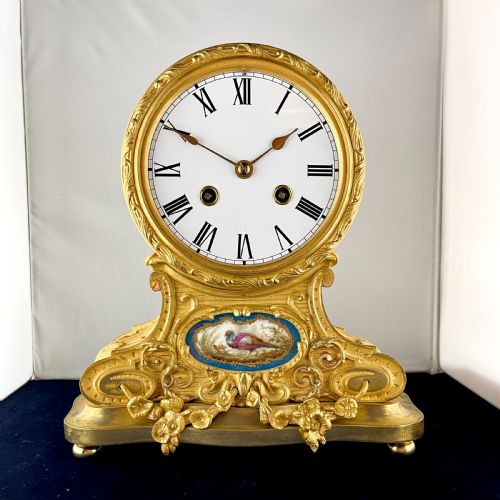
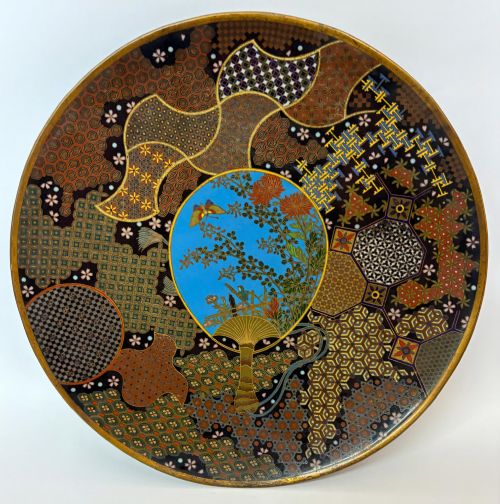
A brass enamel plaque brings together metallic structures and fused glass surfaces, spanning forms from wall art and decorative chargers to snuff box lids and mantel clocks. Buyers searching for a brass enamel plaque encounter varied regional traditions, most notably Japanese cloisonne chargers and European pieces from the eighteenth and nineteenth centuries.
The selection ranges from Georgian and Victorian items to Meiji period Japanese works and Qing Dynasty examples. Decorative plaques and plates dominate the forms, alongside table mirrors and icon plaquettes.
How they were made
The creation of these objects relies on combining metal bases such as brass, copper, gilt bronze, or ormolu with vitreous enamel pastes. Artisans fused powdered glass to metal under high heat to achieve permanent, glossy coloured decoration.
Techniques such as cloisonne wirework defined intricate motifs of birds, chrysanthemums, and figures within metal partitions. Ormolu mounts and gilt metal frames often completed European wall art and porcelain plaques.
Object forms span decorative chargers, wall art, mantel clocks, and snuff box lids from Japanese and European makers.
What varies in quality
Quality rests upon the precision of the metalwork and the control of the enamel firing process. Finer pieces display smooth, even glass surfaces free from excessive pitting, alongside sharply defined wire cells or finely cast ormolu and gilt bronze mounts.
The complexity of the pictorial subject, such as detailed avian or aquatic scenes on Japanese chargers versus simpler geometric designs, distinguishes standard production from masterworks.
The Brass Enamel Plaque Glossary
- Cloisonne
- Enamelling technique where thin metal wires are soldered to a base to form compartments filled with paste before firing.
- Ormolu
- Gilded bronze or brass applied to decorative objects and furniture, popular in French revival pieces.
- Charger
- A large decorative plate or plaque intended for display on walls or surfaces rather than dining.
- Vitreous enamel
- Glass fused to a metallic substrate at high temperatures, providing a durable and colourful finish.
Brass Enamel Plaque: Frequently Asked Questions
How do I hang a heavy plaque?
Heavy chargers and plaques require secure wall fixings suited to the specific weight of the metal and enamel composition. Professional mirror plates or dedicated bracket mounts distribute the load safely across the wall.
Ensure that any mounting hardware grips the wall securely and avoids placing undue strain on delicate ormolu frames or protruding edges.
How should I clean enamel surfaces?
Clean enamel and brass gently using a soft, dry microfibre cloth to remove dust. Avoid chemical polishes or abrasive cloths that can scratch the glass paste or strip gilt finishes.
Keep these items away from direct sunlight and damp environments to protect the integrity of the metal backing and the vibrancy of the coloured glass.
How do I date a cloisonne charger?
Dating relies on examining the style of the motifs, the weight of the metal base, and the characteristics of the enamel colours. Pieces from the Meiji period often exhibit distinct avian or floral subjects with precise wirework.
Comparative study of nineteenth-century Japanese and European decorative arts helps narrow down the production era.