
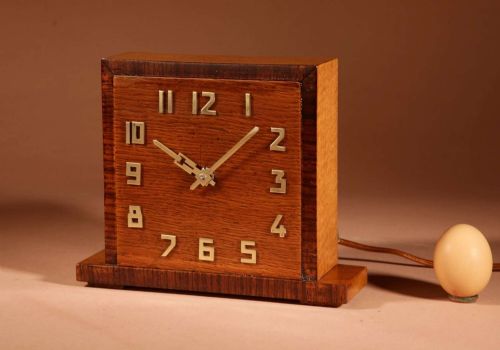
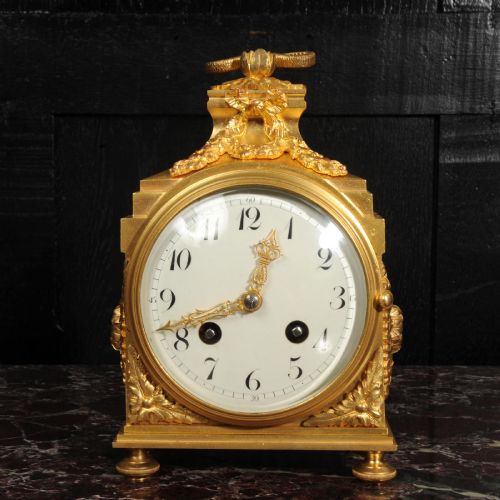
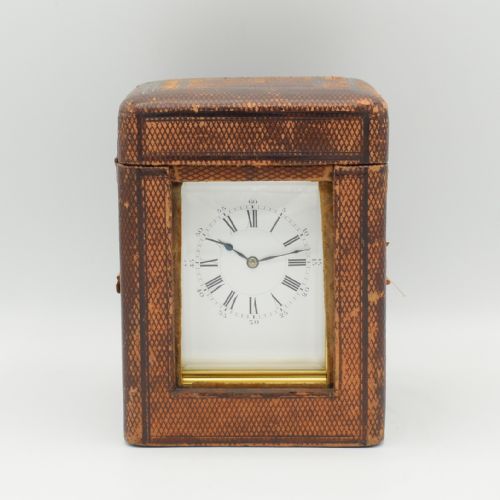
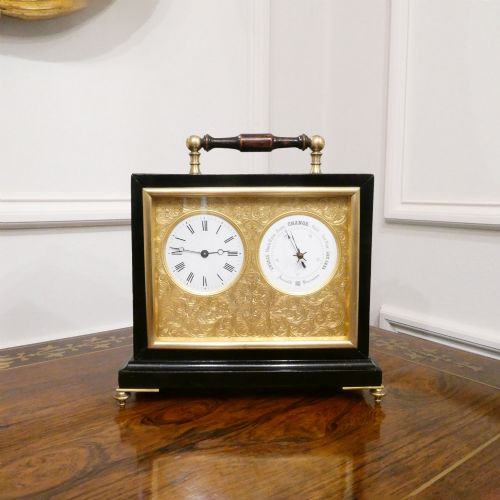
Brass Desk Timepiece
A brass desk timepiece sits ready to keep daily schedule, bringing polished metal and precise movement into a working study.
Brass Desk Timepiece
A brass desk timepiece is a portable or stationary clock designed for a table, shelf, or desk surface, utilising a robust metal housing to protect the internal movement. When you search for this phrase, you encounter objects built to tell time accurately in a domestic or office setting.
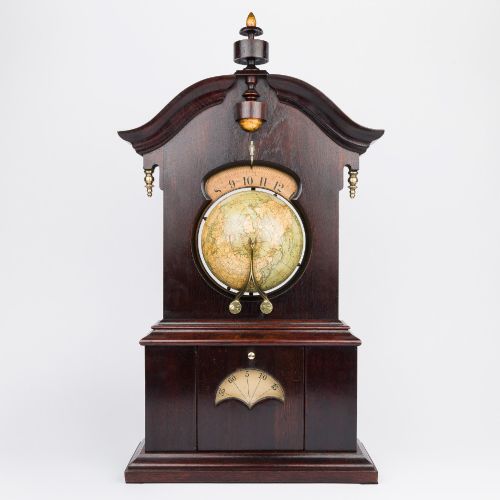
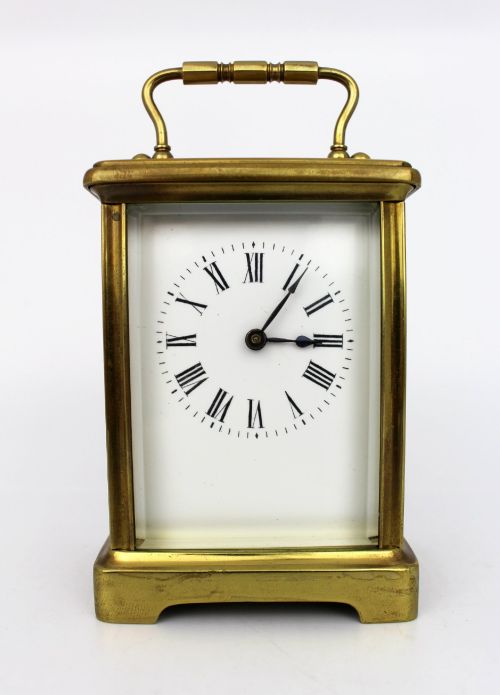
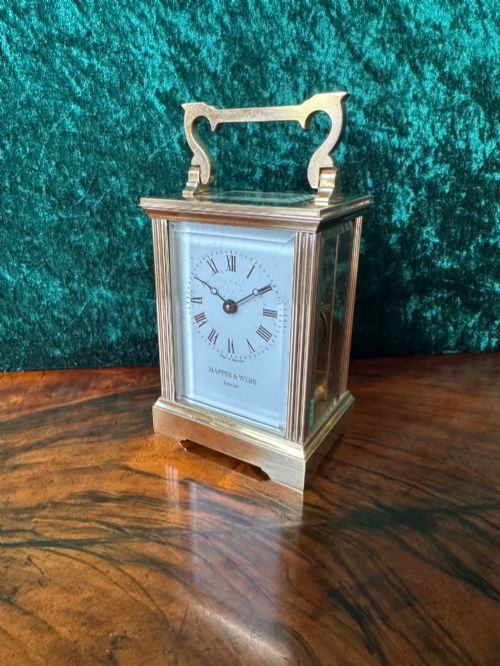
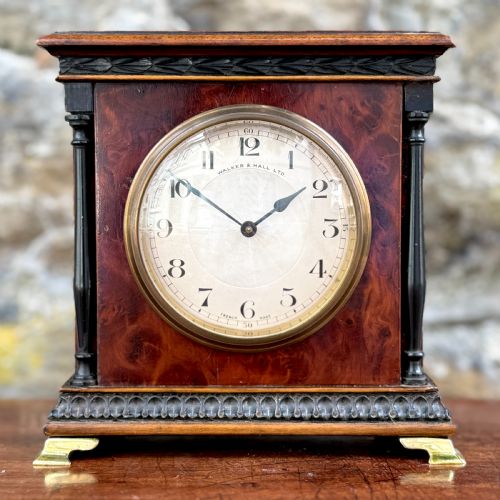
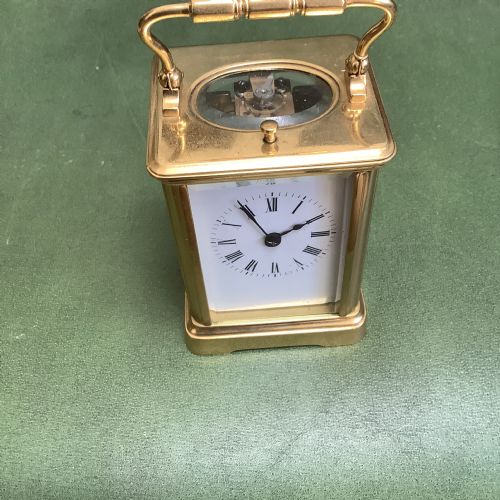
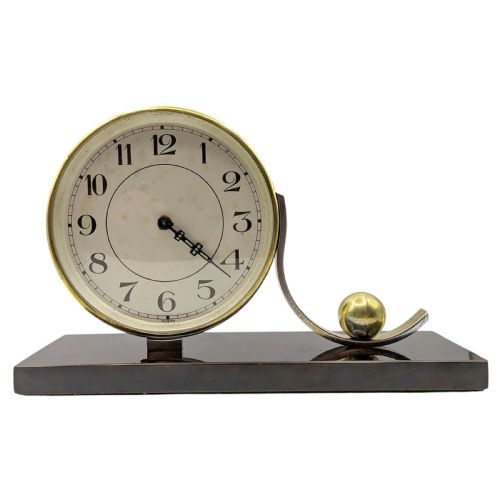
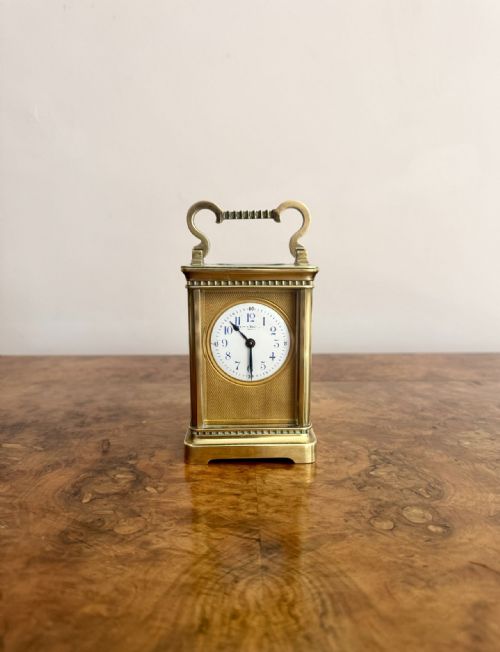
The most common examples on this page take the form of carriage clocks enclosed in brass and glass cases, alongside various mantel clocks and library timepieces. These pieces originate from periods spanning the Victorian era through the early twentieth century, showing French and English craftsmanship.
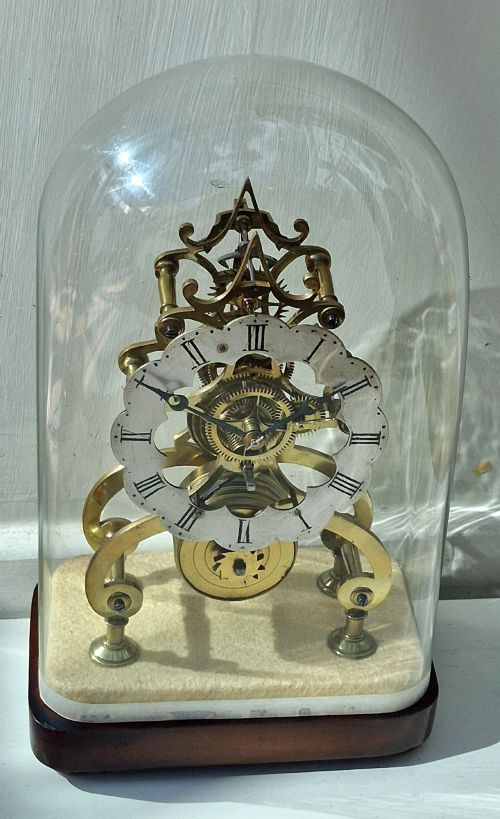
Makers housed these movements in gilt brass, ormolu, or plain polished metal, frequently pairing the main body with bevelled glass panels to display the escapement. Such items reflect the domestic needs of nineteenth and twentieth-century households that required reliable timekeeping in multiple rooms.
Materials and construction
Makers constructed these timepieces primarily using brass, gilt bronze, and ormolu for the structural cases, often combining the metalwork with clear glass panels or enamel dials. Cases were cast, hammered, or engraved, creating decorative surfaces that housed mechanical movements driven by springs or early electrical systems.
Movements were assembled from brass wheels, steel pinions, and escapements, frequently fitted inside gorge cases or doucine frames designed for travel or desk use. Workshops utilised mahogany, ebonised wood, and bakelite for supporting bases and travel cases, securing the metal clocks safely within wood housings.
Brass Desk Timepiece Retail Price Guide 2026
Typical asking prices for brass desk timepiece among the pieces listed under this phrase on Sellingantiques today, from the lower quarter to the upper quarter. They describe what is for sale here now, not the wider market.
Listings feature brass, gilt bronze, and ormolu metals alongside mahogany, glass, and enamel components across Victorian and Edwardian periods.
Distinctions in quality
Quality rests in the crispness of the brass casting, the depth of the gilding, and the complexity of the movement. Pieces featuring fully engraved gilt brass cases and repeating mechanisms represent higher levels of workshop output than plain, unadorned models.
The precision of the dial work, the inclusion of signed movements by established makers, and the survival of original travel cases distinguish finer examples. Heavy ormolu mounts and carefully bevelled glass panes show greater attention to detail during construction.
Henri Jacot·Mappin and Web·Walker and Hall·Drocourt Paris·John Morley
The Brass Desk Timepiece Glossary
- Carriage clock
- A small, portable spring-driven timepiece originally designed for travel, featuring a rectangular brass and glass case with a carrying handle on top.
- Ormolu
- A metallic technique of applying finely ground, high-carat gold to a bronze or brass object, producing a rich golden finish.
- Gorge case
- A stepped brass carriage clock case style with a distinctive stepped top moulding, common in late nineteenth-century French pieces.
- Timepiece
- A clock that indicates the time of day but lacks any striking mechanism to sound the hours.
- Escapement
- The internal mechanical linkage that controls the rotation of the clock's gear train, delivering regular impulses to the balance wheel or pendulum.
Brass Desk Timepiece: Frequently Asked Questions
How do I wind a brass carriage clock?
Most carriage clocks require a dedicated key inserted into the winding square on the back plate, turned gently clockwise until resistance is felt.
Care must be taken not to overwind the mainspring, as this can damage the internal mechanism and prevent the timepiece from running accurately.
Where should I place a desk timepiece?
A brass desk timepiece sits best on a flat, stable surface away from direct sunlight, excessive moisture, and temperature fluctuations that might affect the movement.
Placing the clock on a sturdy desk or mantel shelf allows the escapement to beat evenly and prevents accidental knocks.
How do I identify a French carriage clock?
French carriage clocks typically feature heavy brass frames with bevelled glass panels, platform escapements visible through the top glass, and serial numbers stamped on the back plate.
Many examples include white enamel dials with Roman numerals and come housed in fitted leather travel cases.
What is the difference between a clock and a timepiece?
In horological terms, a timepiece is strictly a mechanism designed to show the hours and minutes without sounding any bells or gongs.
A clock, by contrast, includes a striking or chiming train that sounds the hours, half-hours, or quarters using bells or gongs.