


Brass Coal Box
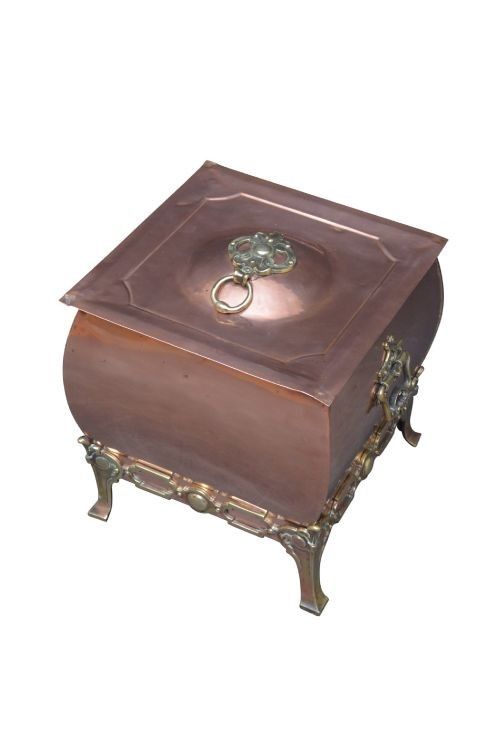
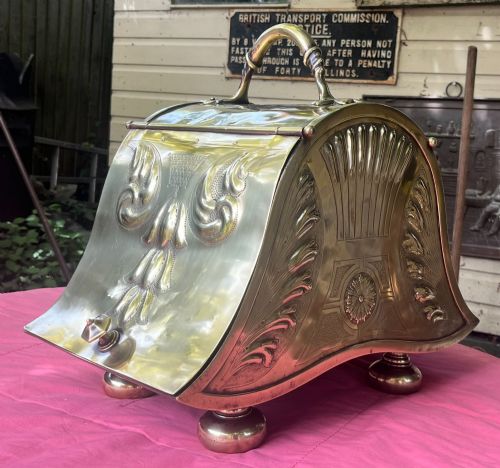
A brass coal box brings warmth and polished metal to the hearth, storing fuel while catching the eye beside an open fire.

Brass Coal Box
A brass coal box sits beside the hearth to hold fuel, appearing across nineteenth-century and early twentieth-century designs.
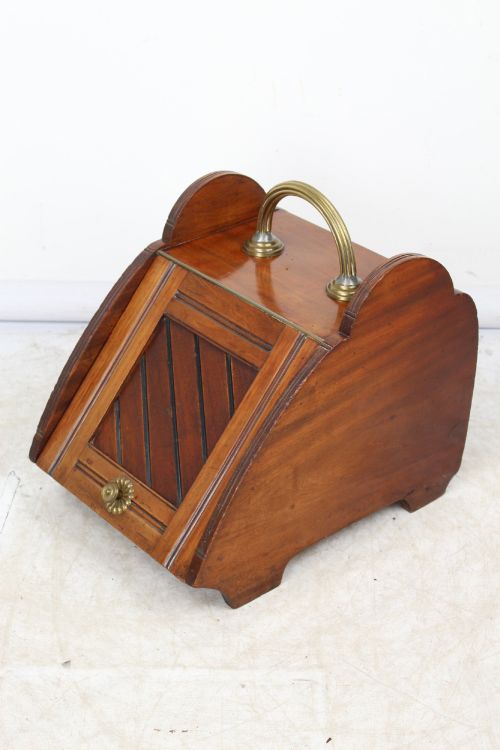
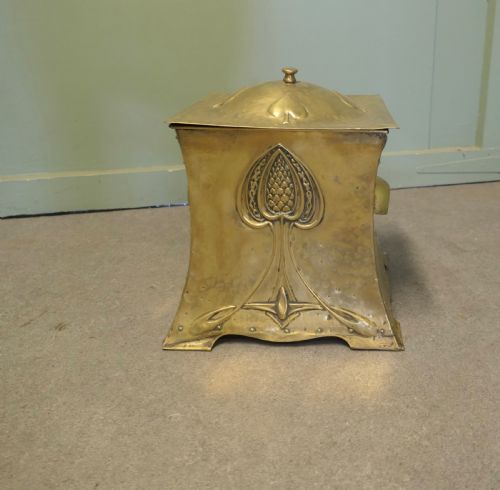
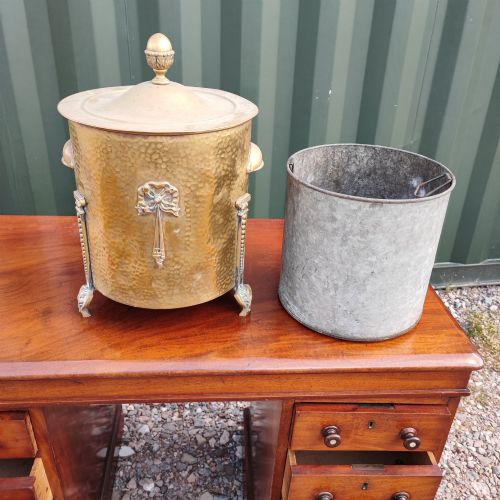
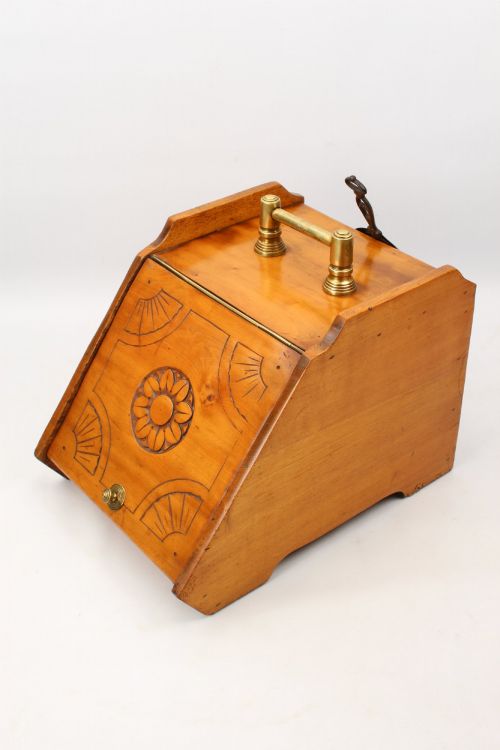
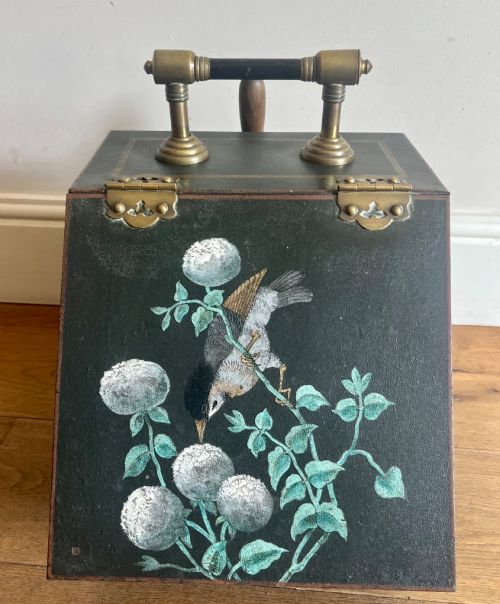
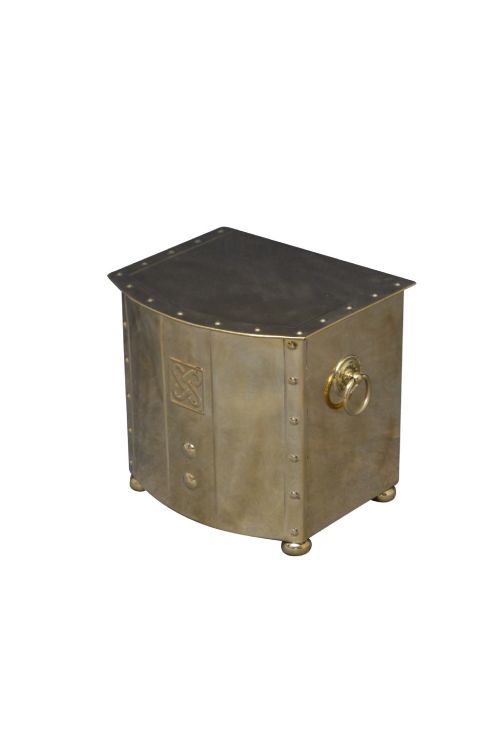
The most common examples on this page are Victorian and Arts and Crafts pieces, taking the form of boxes, buckets, scuttles, and purdoniums.
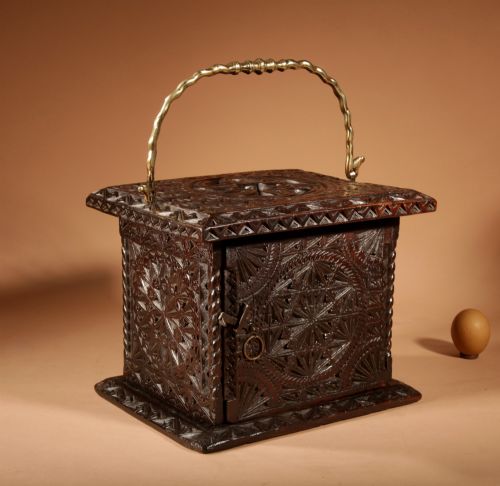
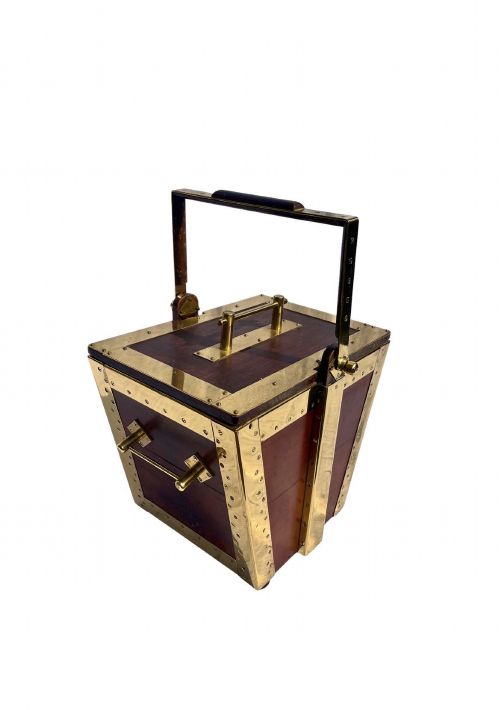
Many of these utilitarian containers incorporate wooden elements such as mahogany, walnut, oak, and ebonised timber alongside their metal bodies.
Construction and Materials
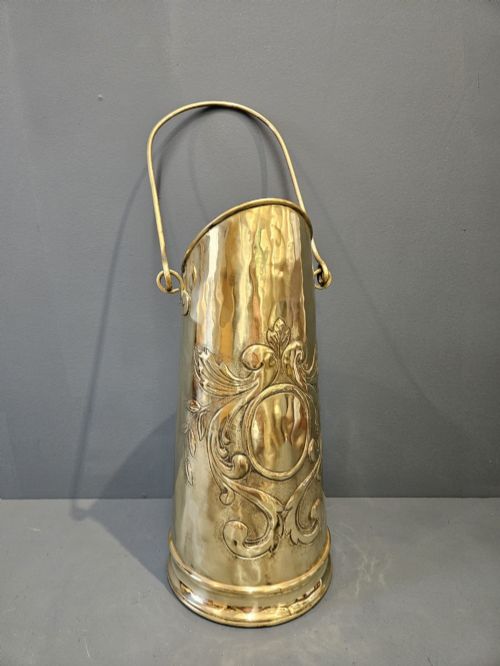
Sheet brass forms the bright exterior of these fireside containers, frequently decorated with embossing, repoussé work, or applied mounts.
Wooden carcases of mahogany, walnut, oak, or beech provide sturdy internal structure and framing for the metal panels.
Iron and other base metals reinforce handles, hinges, and linings to withstand the daily weight of coal and logs.
Retail Price Guide 2026
Typical UK retail prices for brass coal box, calculated from the Sellingantiques database of over a million retail prices indexed since 2003. This retail price guide relies exclusively on Sellingantiques data; no external sources or auction records are used, so the figures do not describe the wider market.
Assessing Craftsmanship
Quality rests in the weight of the metal, the crispness of embossed tavern scenes or heraldic motifs, and the integration of brass with timber.
Better examples employ substantial brass gauge and robust internal linings, whereas simpler versions rely on lighter sheet metal and basic construction.
The Brass Coal Box Glossary
- Purdonium
- A specialised cabinet or box designed specifically for storing coal by the fireside, often featuring a sloping front or drop-down door.
- Scuttle
- A metal bucket or container with a handle and lip, traditionally used for carrying coal to the grate.
- Repoussé
- A metalworking technique where the design is hammered into relief from the reverse side to create textured surface decoration.
- Aesthetic Movement
- A late nineteenth-century design style emphasising visual beauty and artistic expression over strict historical revival.
Frequently Asked Questions
How do I clean a brass coal box?
Dust the surface regularly with a soft cloth to prevent grime accumulation in embossed recesses. Avoid harsh chemical cleaners that strip historical patina from the brass.
Use a mild, traditional metal polish sparingly only when necessary to maintain the brightness of the exterior panels without damaging underlying details.
What is a coal purdonium?
A purdonium is a dedicated fireside container, typically built as a cabinet with a slanted front flap that opens to reveal an internal metal scoop or liner.
Victorian makers often combined timber bodies with brass mounts to create these domestic furniture pieces.
Are these boxes only for coal?
While originally designed to hold fuel for open coal fires, modern homes frequently repurpose them as log bins or storage chests.
Their robust metal linings and decorative exteriors make them suitable for holding firewood or hiding hearth accessories beside the fireplace.
How do I date a brass coal box?
Dating relies on stylistic clues, combining decorative movements like Arts and Crafts or Aesthetic Period with construction materials such as walnut, oak, or ebonised wood.
Victorian and Edwardian examples often feature distinct manufacturing traits and hardware that anchor their production period.