
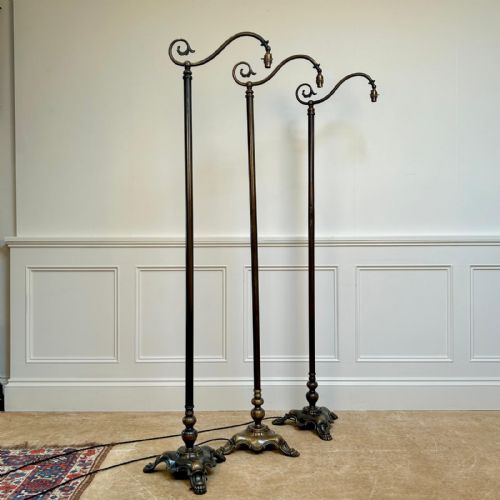


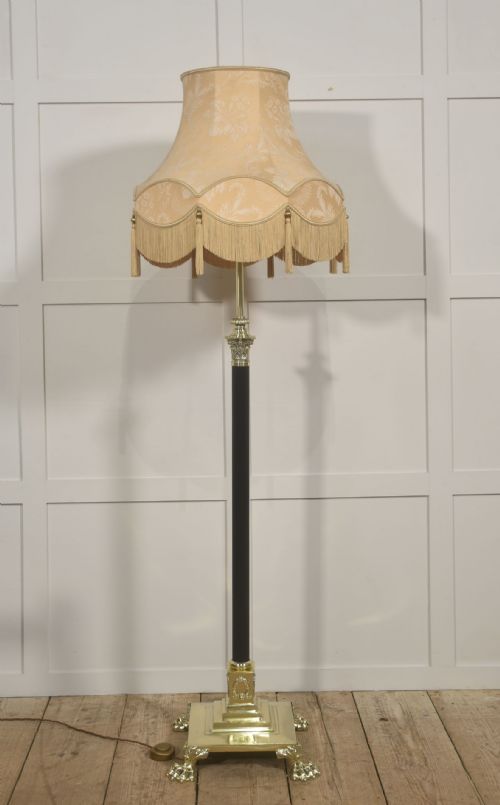


Brass Claw Foot Lamp
A brass claw foot lamp anchors a room with substantial weight and period presence, bringing cast metal detail and classical form to domestic lighting.
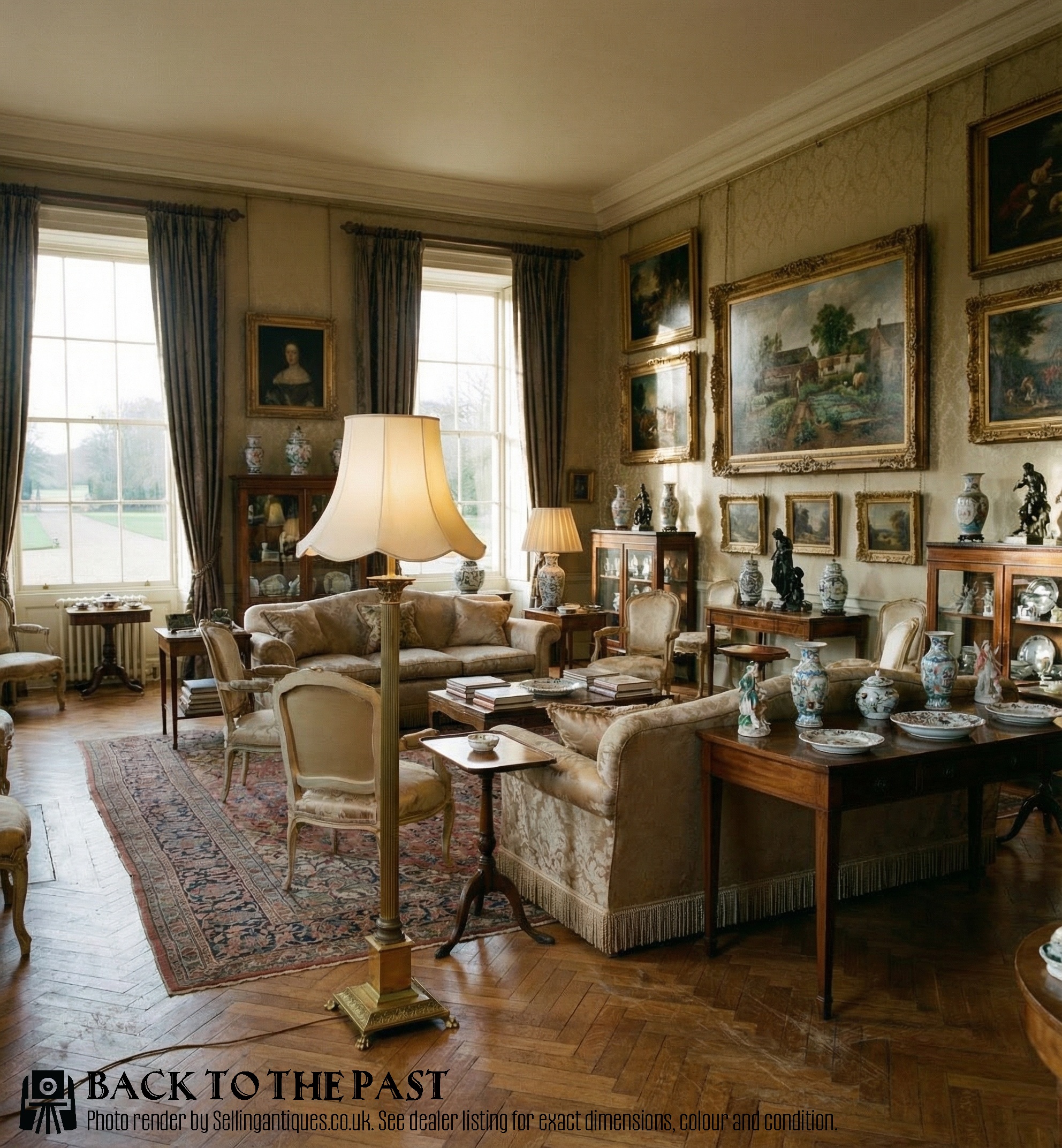
Brass Claw Foot Lamp
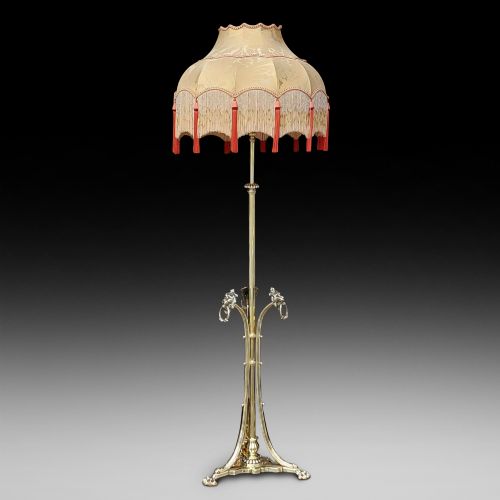
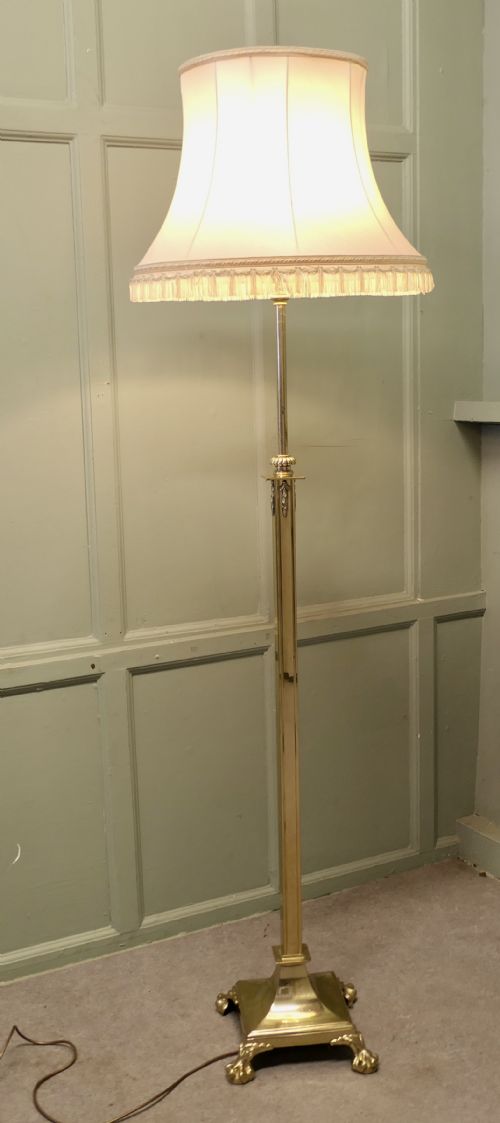
A brass claw foot lamp centres upon the heavy metal tripod or pedestal base styled with animal paws, most frequently encountered in the archive of sold pieces from the late nineteenth and early twentieth centuries.
These pieces encompass both floor-standing standard lamps and compact table lamps, drawing upon Regency, Victorian, and Edwardian design vocabularies.
The search phrase guides collectors toward lighting apparatus where the physical support takes the form of cast brass claws, sometimes paired with marble, bronze, or ceramic elements.
How they were made
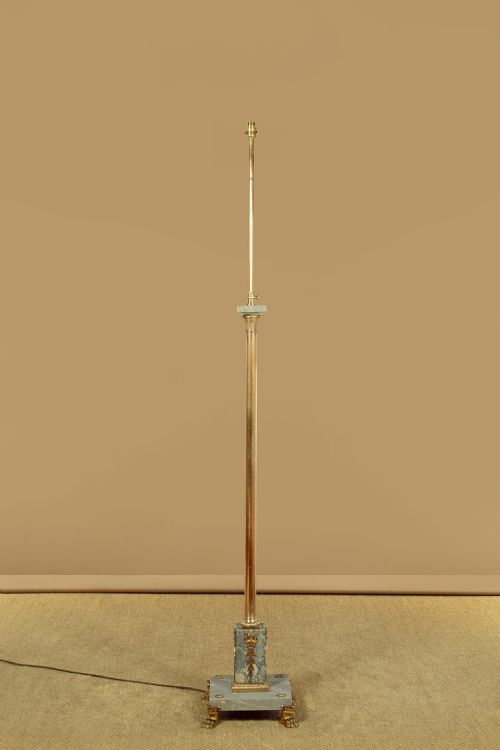
Construction relies heavily on cast brass, often combined with complementary metals such as bronze, copper, or ormolu to create contrasting tones and textures along the column.
Many examples incorporate adjustable telescopic stems, marble plinths, or fabric shades, requiring skilled metalworking and assembly to achieve balance and height adjustment.
Early twentieth-century workshops fitted heavy cast claws to pullman carriage lamps, bringing railway luxury directly into the domestic parlour.
What varies in quality
Quality reveals itself in the crispness of the cast claw feet and the weight of the metal components, separating robust period pieces from lighter later reproductions.
The integration of adjustable mechanisms, column fluting, and fine surface patination distinguishes standard commercial production from superior workshop examples.
Messenger
The Brass Claw Foot Lamp Glossary
- Standard lamp
- A tall floor-standing lamp designed to illuminate a room from a vertical column. These frequently feature telescopic height adjustment.
- Ormolu
- Gilded bronze or brass applied to decorative metalwork and mounts. It provides a bright metallic finish that resists tarnishing.
- Telescopic
- An adjustable stem design allowing the upper section of the lamp to raise or lower. This mechanism appears frequently on nineteenth-century examples.
- Corinthian column
- A classical architectural column style featuring ornate carved or cast capitals decorated with acanthus leaves. It is a common motif for period lamp standards.
- Patina
- The surface sheen and oxidation acquired by metal over decades of handling and age. It indicates genuine period use.
Brass Claw Foot Lamp: Frequently Asked Questions
What is a brass claw foot lamp?
A brass claw foot lamp is a period lighting fixture supported by distinct animal paw feet cast in brass.
These pieces range from tall standard floor lamps to smaller table lamps originating from the nineteenth and early twentieth centuries.
How do you adjust a telescopic lamp?
Telescopic lamps use a central sliding stem secured by a thumbscrew or collar mechanism.
Loosening the fastener allows the upper shaft to rise to the desired height before retightening.
Which periods do these lamps date from?
The available listings span the nineteenth century, Victorian, Edwardian, and early twentieth-century eras.
Neoclassical and French Empire revival styles heavily influence the decorative vocabulary of these designs.
What materials accompany the brass?
Makers combined brass with marble, bronze, copper, and mahogany across various forms.
Fabric shades and ceramic components also appear alongside the primary metal structures.