
Classical Brass Column Lamp
A classical brass column lamp brings architectural dignity and warm illumination to a room, drawing on classical orders for its enduring form.
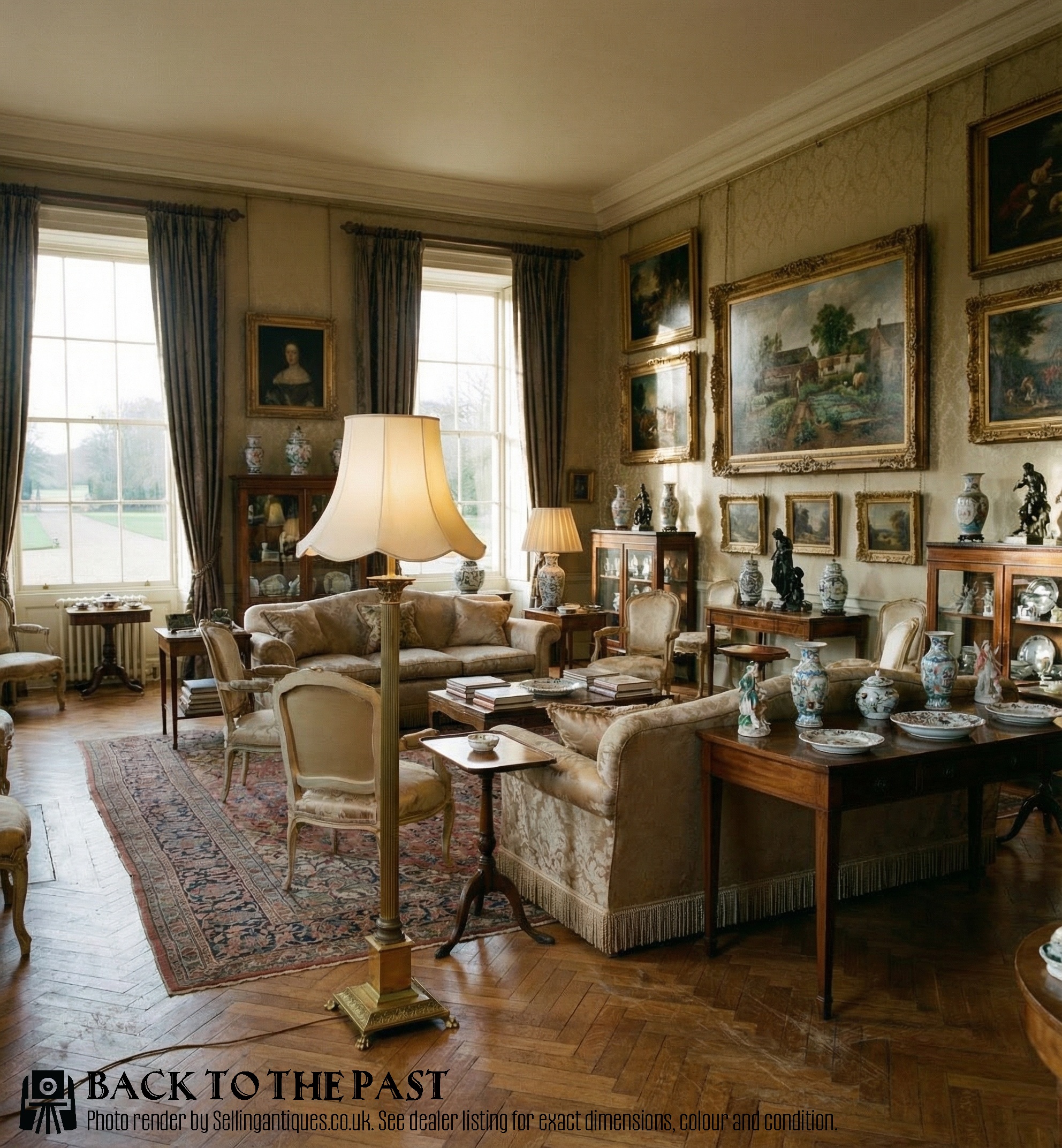
Classical Brass Column Lamp
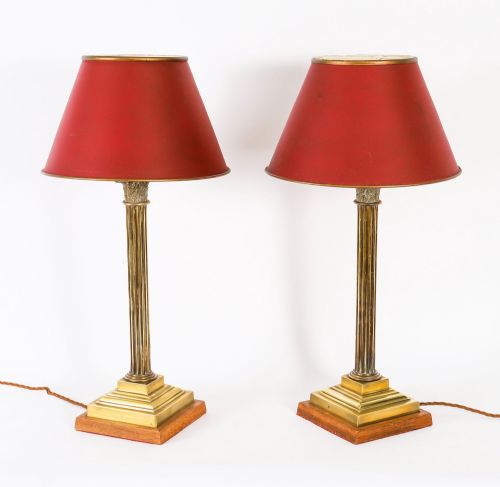
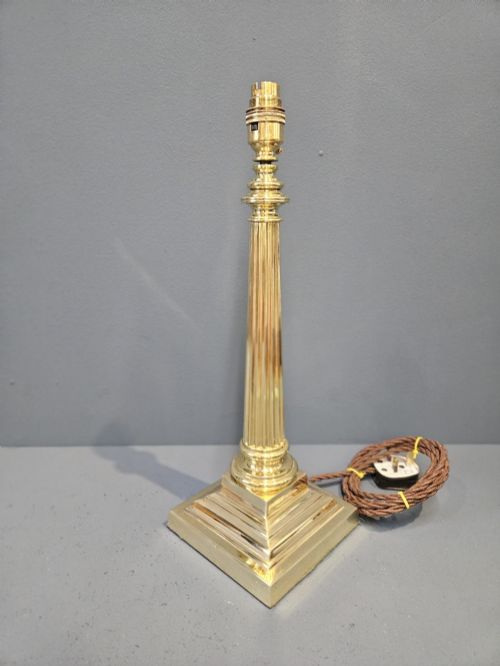
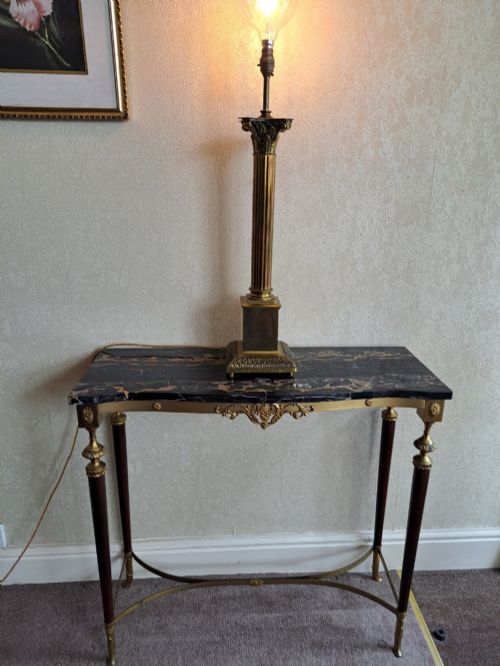
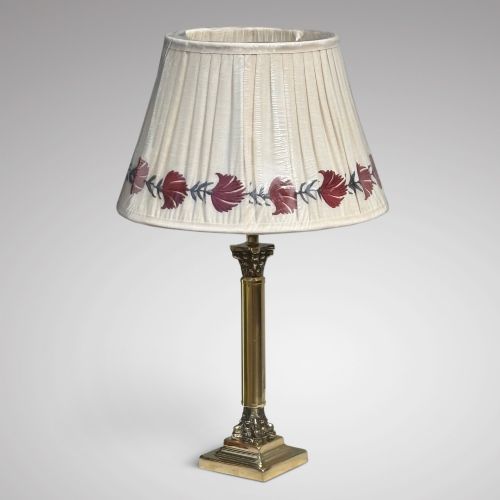
A classical brass column lamp takes its design cues from ancient architectural orders, translating monumental stone columns into domestic lighting. Buyers exploring this selection will frequently encounter pieces shaped by the Neoclassical taste, ranging from table lamp bases to tall floor and standard lamps.
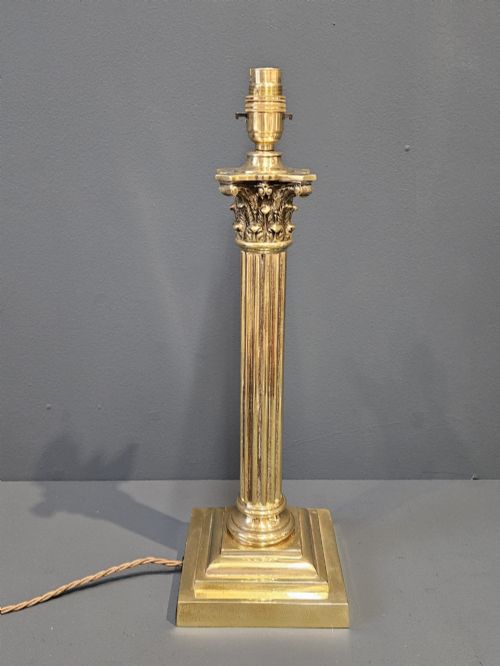
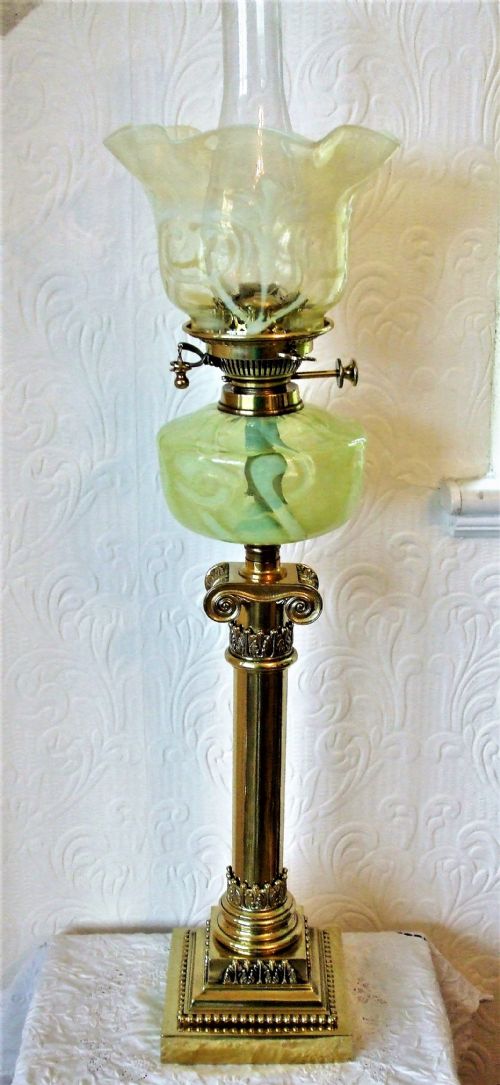
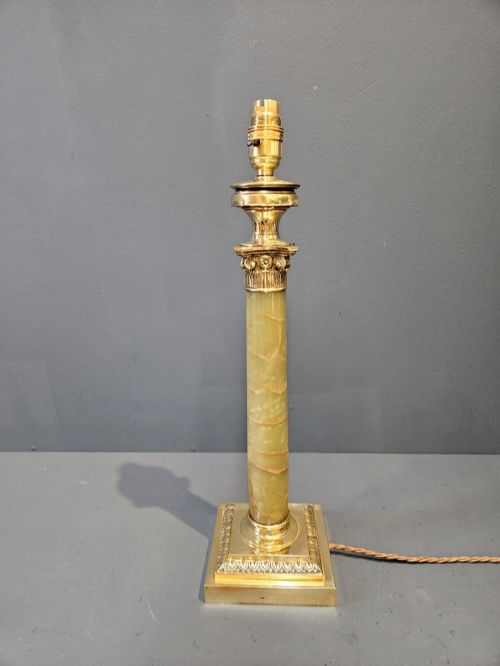
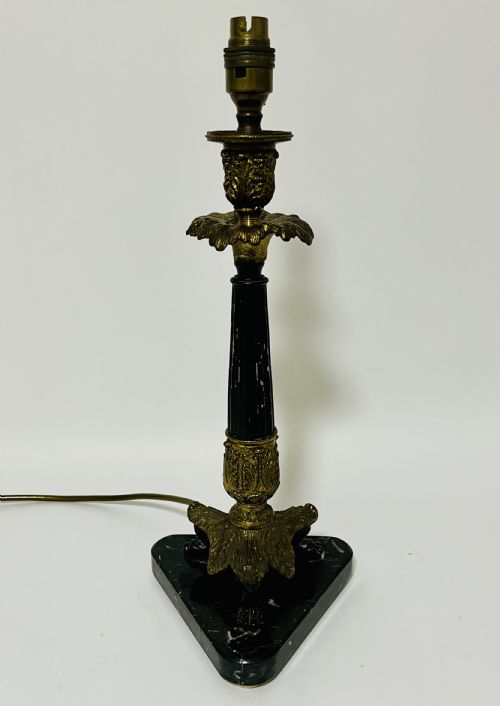
The majority of examples on this page date from the nineteenth century through to the early twentieth century, encompassing the Victorian and Edwardian periods as well as the 1920s. These pieces often adopt specific architectural capitals such as Corinthian, Ionic, or Doric, executed primarily in brass alongside materials like marble and ormolu.
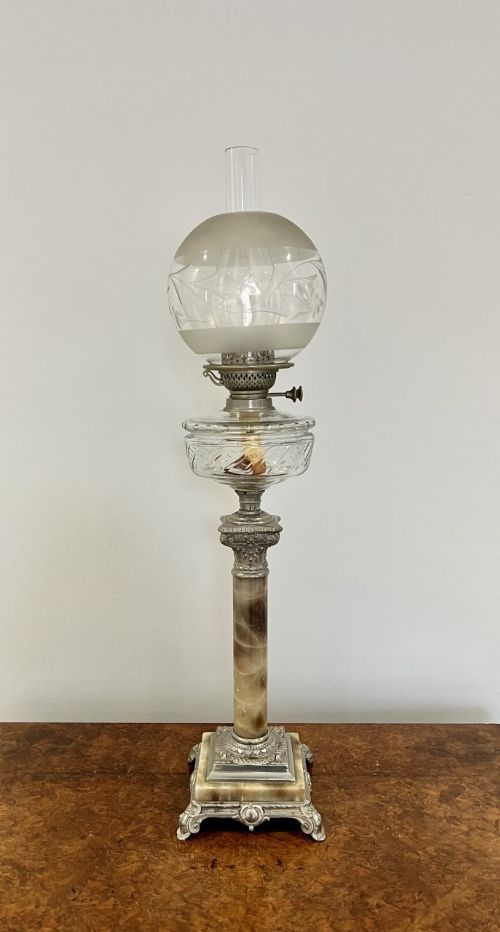
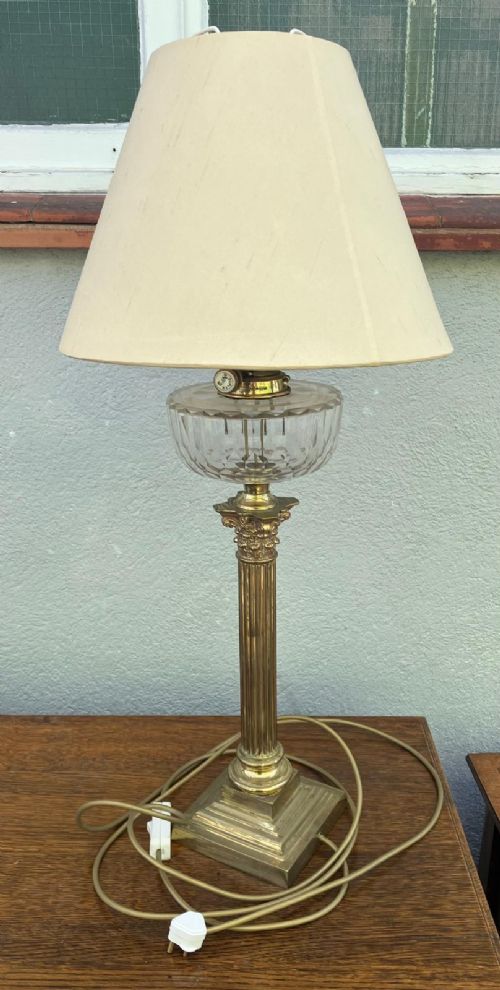
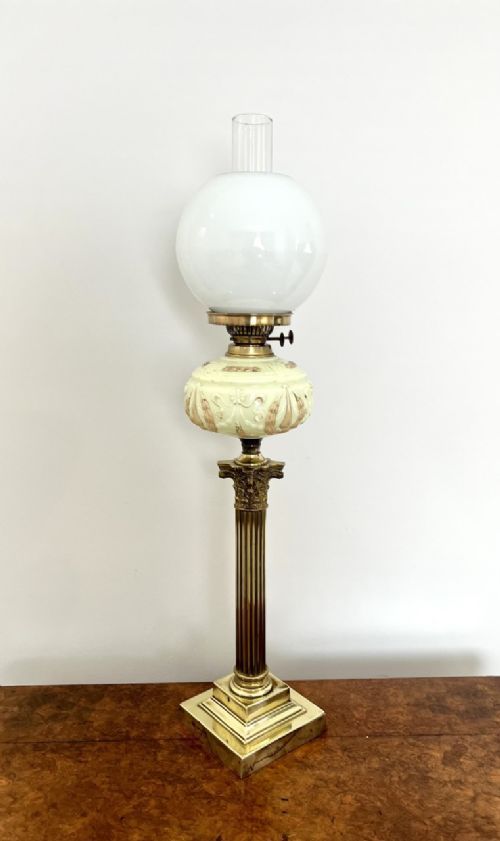
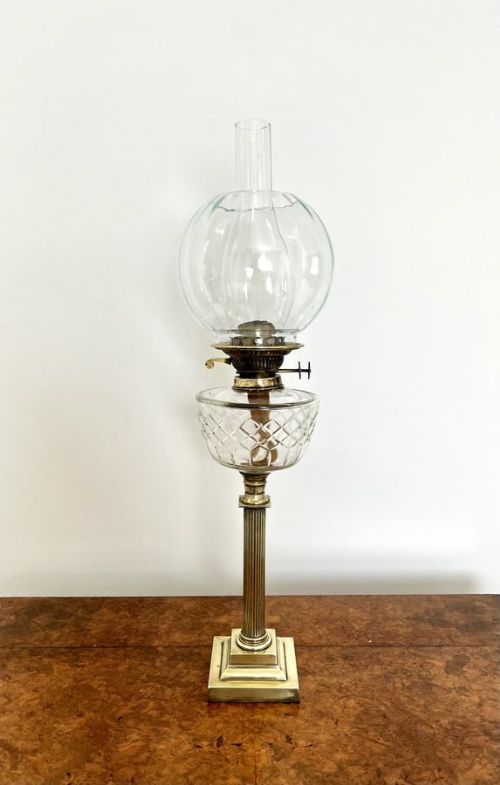
Formats vary between smaller table models intended for sideboards and desks and substantial standard lamps designed to stand upon the floor. Many began life as oil lamps before later conversion to electricity, retaining their heavy metal reservoirs and stepped square bases.
How they were made
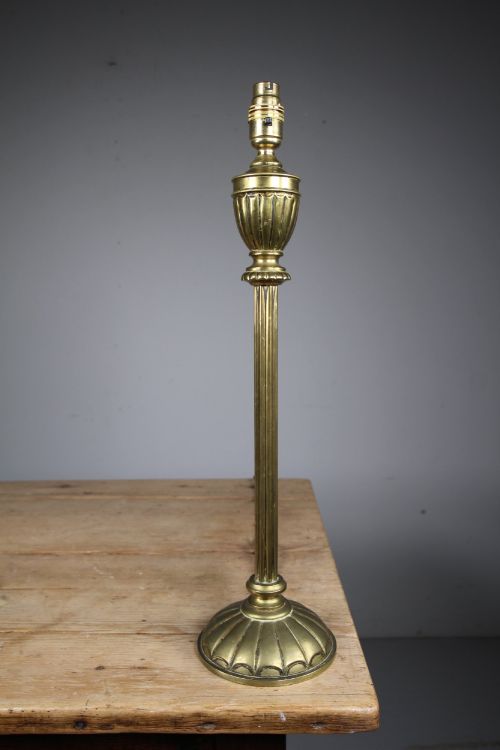
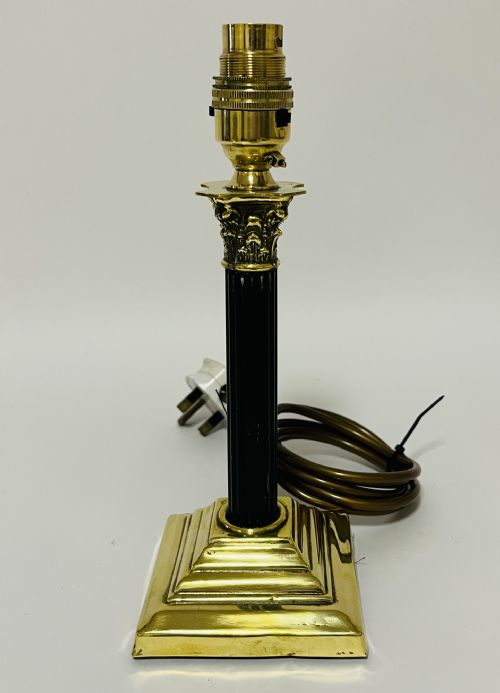
Makers utilised heavy brass castings for the main shafts and bases, frequently incorporating reeded or fluted columns that mirror stone masonry. Structural elements were often turned on lathes and assembled with threaded rods, giving these lamps a reassuring weight and stability.
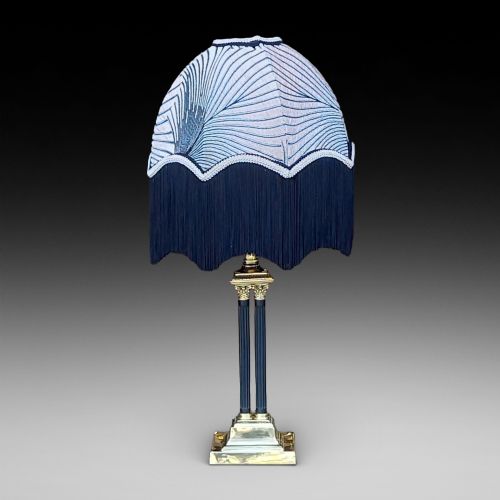
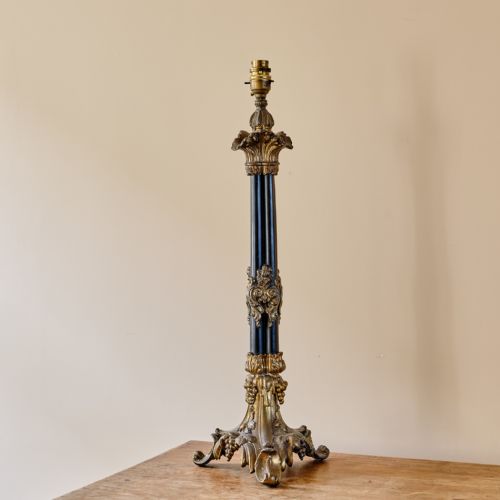
Surface treatments included polished finishes, patinated brass, gilt bronze, and ormolu, sometimes paired with sections of white or two-tone polished marble. For enhanced decorative effect, certain French examples integrated painted tole-peinte or incorporated glass and silk components into the overall design.
Classical Brass Column Lamp Retail Price Guide 2026
Typical asking prices for classical brass column lamp among the pieces listed under this phrase on Sellingantiques today, from the lower quarter to the upper quarter. They describe what is for sale here now, not the wider market.
Some towering standard examples are tall enough to make you feel as though you are illuminating a small Greek temple rather than a suburban sitting room.
What varies in quality
The distinction between ordinary and exceptional examples rests upon the crispness of the cast ornamentation, particularly within the acanthus leaves and volutes of a Corinthian capital. Finer models display sharp, hand-finished detailing rather than soft, mass-produced contours.
Proportion and scale also dictate the upper tier of the range, where slender columns are matched with heavy, well-balanced stepped brass bases that prevent tipping. The integration of high-grade secondary materials, such as solid polished marble plinths or finely chased ormolu mounts, elevates a piece considerably.
Hinks of Birmingham
The Classical Brass Column Lamp Glossary
- Corinthian capital
- The uppermost member of a column featuring carved acanthus leaves and delicate scrolls. This order appears frequently on nineteenth-century table and standard lamps.
- Ormolu
- Finely ground high-carat gold applied to a bronze base using a mercury amalgamation process, or simulated by modern gilt brass techniques. It provides a rich, warm metallic lustre.
- Reeded
- A decorative surface texture composed of parallel, convex semicircular moulding strips placed side by side. It is commonly found running vertically up the shaft of a column lamp.
- Tole-peinte
- Painted sheet metal, typically iron or steel, used in decorative French lighting. It introduces colour and pictorial detail to the body of the lamp.
- Ionic
- An architectural order identifiable by the twin scroll-like ornaments known as volutes on its capital. These columns offer a slightly more restrained profile than their Corinthian counterparts.
Classical Brass Column Lamp: Frequently Asked Questions
What is a classical brass column lamp?
A classical brass column lamp is a lighting fixture designed to resemble an ancient Greek or Roman architectural column, adapted for domestic use during the nineteenth and early twentieth centuries.
These pieces use metal shafts topped with traditional architectural capitals like Corinthian or Doric, standing upon stepped or weighted square bases.
How do I date a brass column lamp?
Dating relies on observing manufacturing techniques, material combinations, and stylistic clues from periods like the Victorian era, the Edwardian period, or the 1920s.
Heavier cast brass components and specific column styles often point to late nineteenth-century production, while telescopic standard lamps frequently indicate early twentieth-century manufacture.
How do I live with a standard lamp?
Floor-standing standard lamps provide ambient vertical illumination and work well positioned beside armchairs, in reading corners, or framing large pieces of furniture.
Their heavy brass or weighted marble bases provide steady stability, while adjustable-height mechanisms on certain models allow the light source to be raised or lowered as needed.