
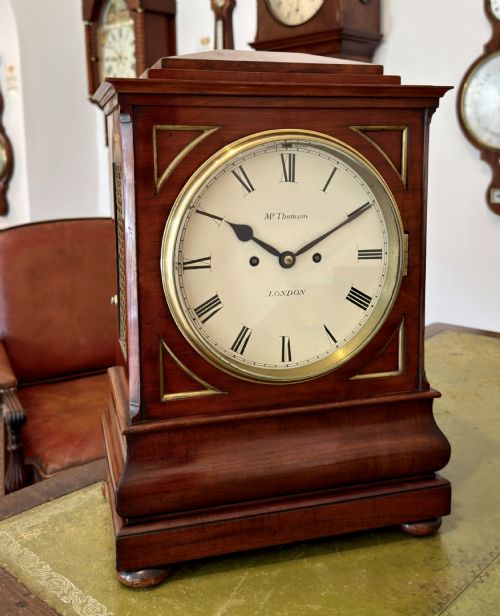
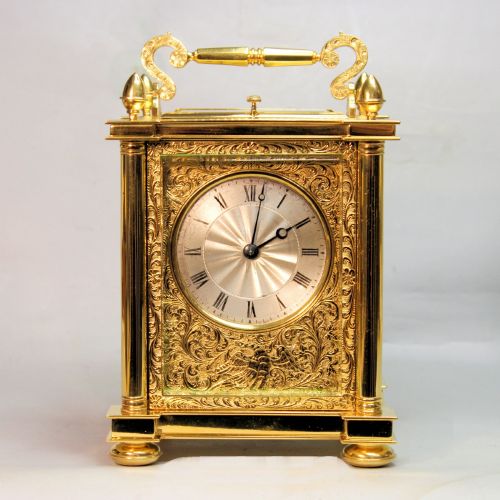
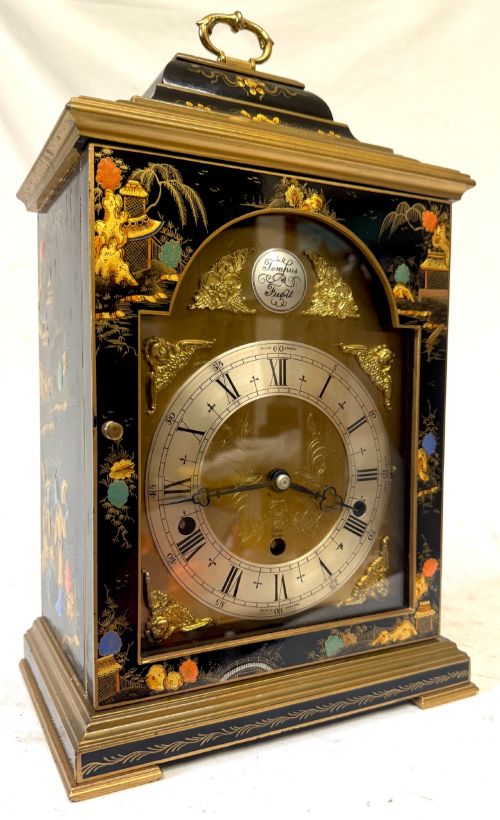
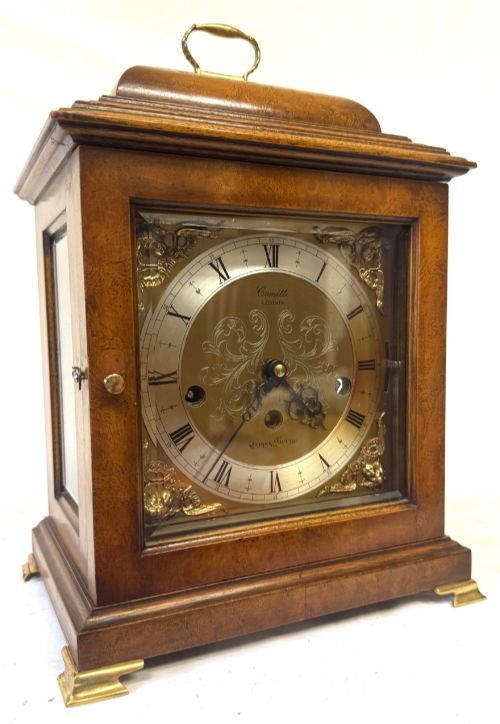
Brass Bracket Clock
When you search for a brass bracket clock, you examine portable timepieces defined by metal mounts, dials, and carrying handles dating from the Georgian period to the twentieth century.
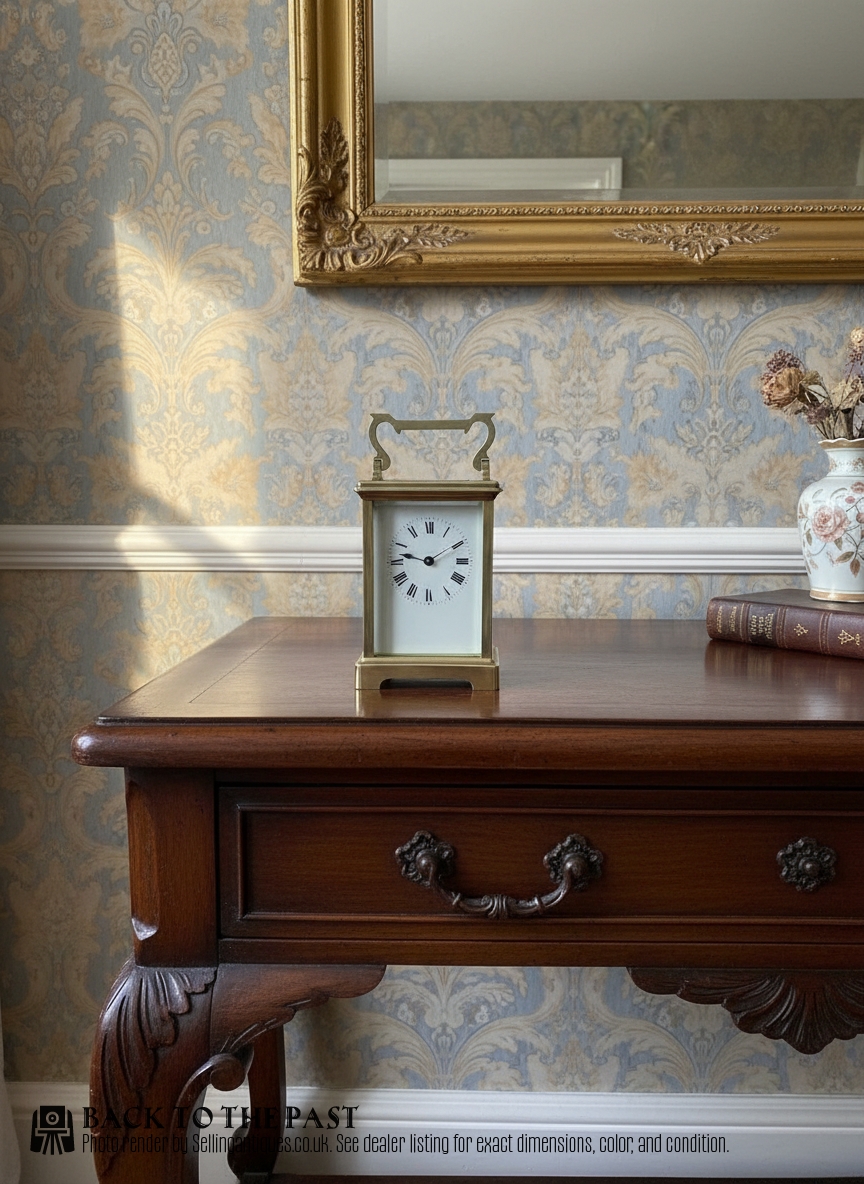
Brass Bracket Clock
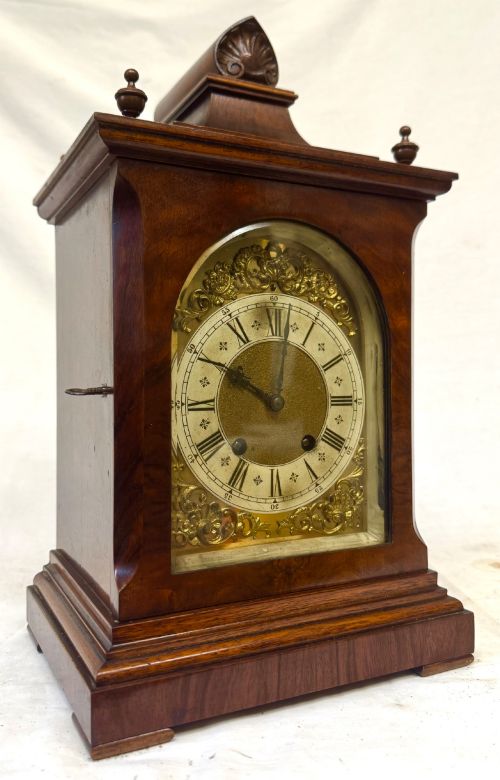
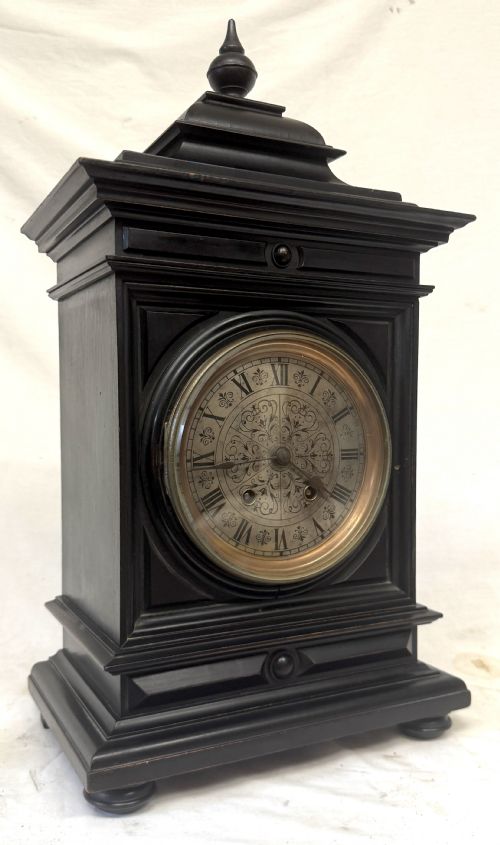
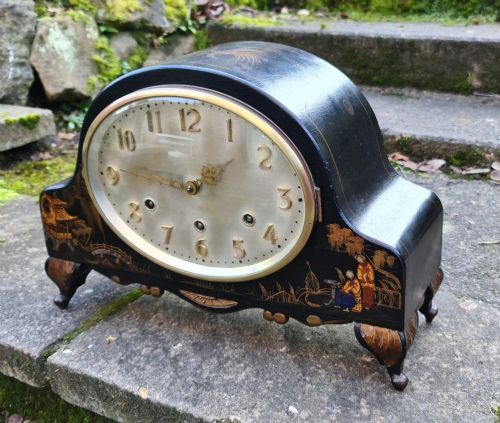
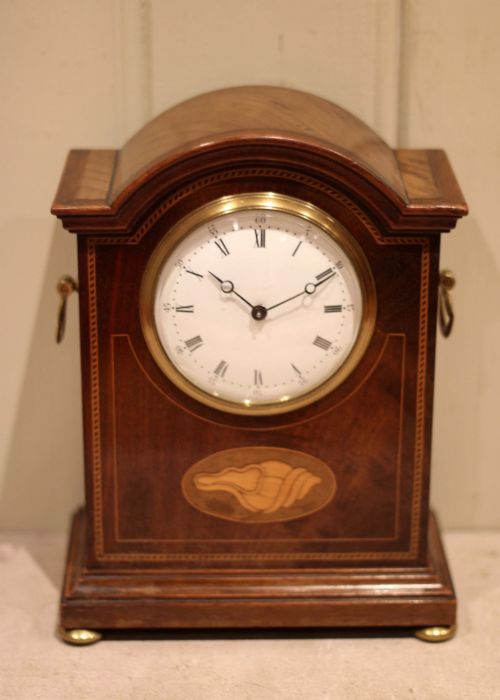
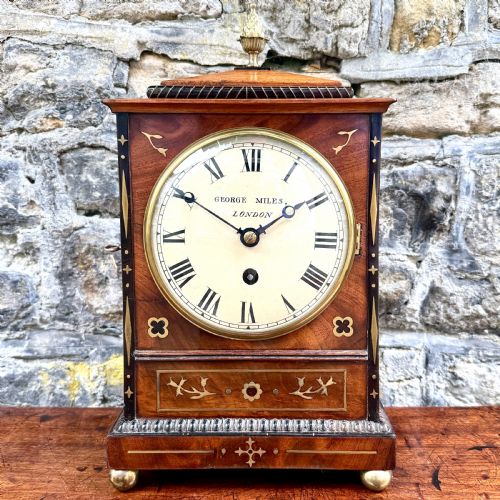
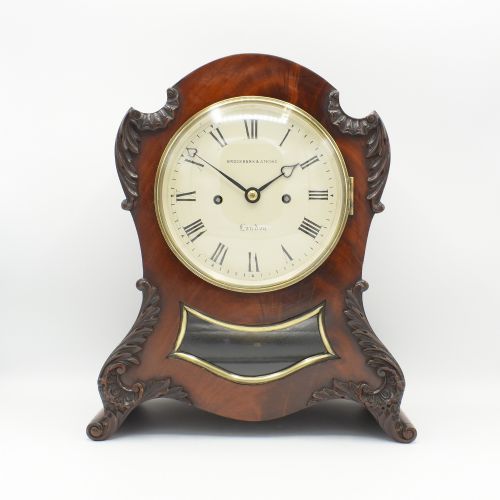
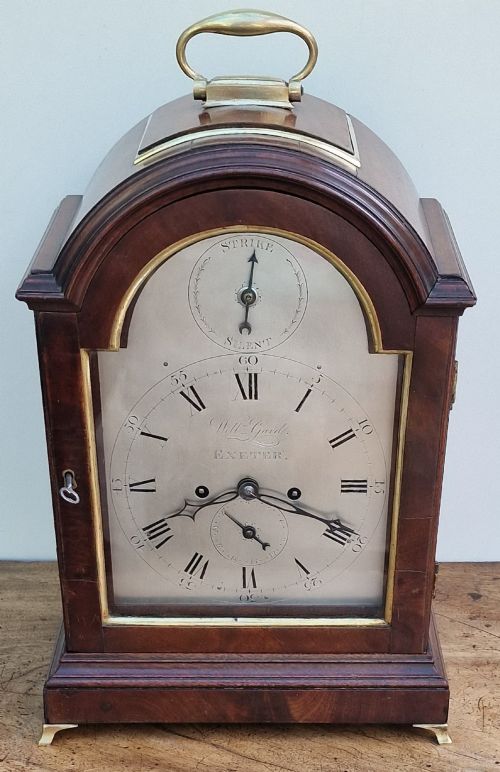
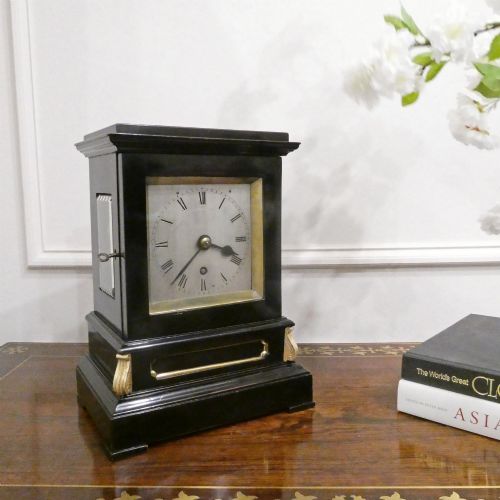
A brass bracket clock is a portable timepiece designed to sit on a bracket, table, or mantel, featuring prominent brass dials, bezels, and feet. These pieces range from seventeenth-century lantern designs and Georgian fusee models to Victorian and Edwardian variations in mahogany, rosewood, oak, and ebonised wood.
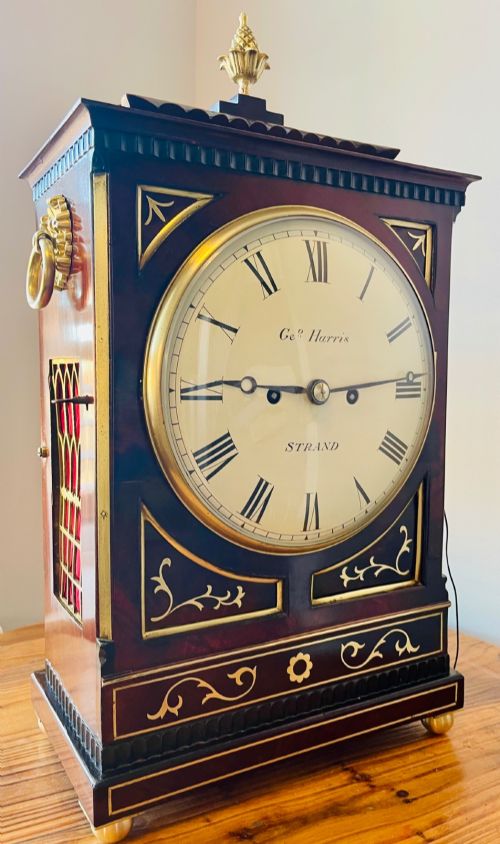
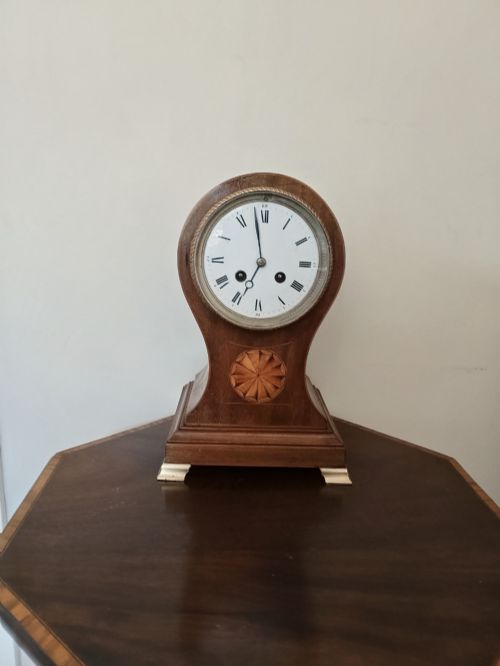
The versions most frequently met on this page include nineteenth-century Regency and Victorian examples housed in mahogany or rosewood cases with brass inlay. Such pieces combine mechanical clockwork movements with decorative brass carrying handles and fretwork sound frets.
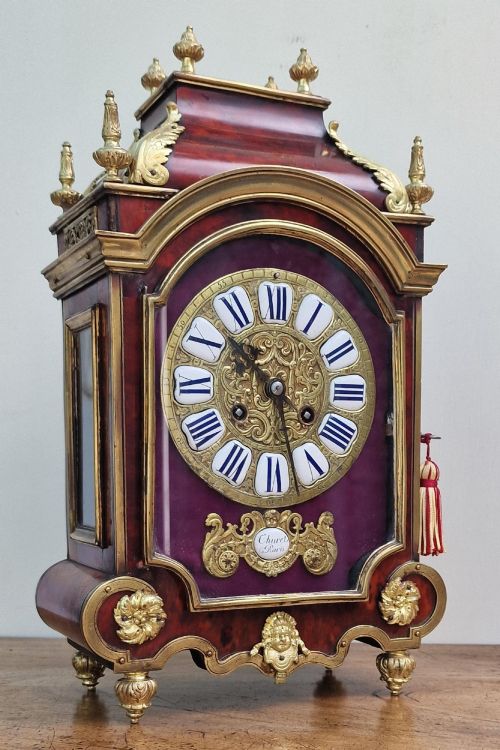
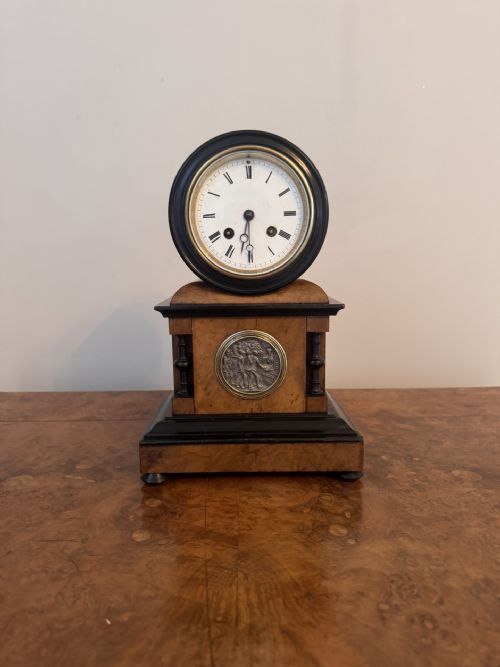
Beyond traditional British makers, the selections encompass French carriage and Boulle clocks alongside German movements by Lenzkirch and Winterhalder. These domestic timekeepers served both practical and decorative functions in historical interiors, utilising brass components for structural strength and visual contrast.
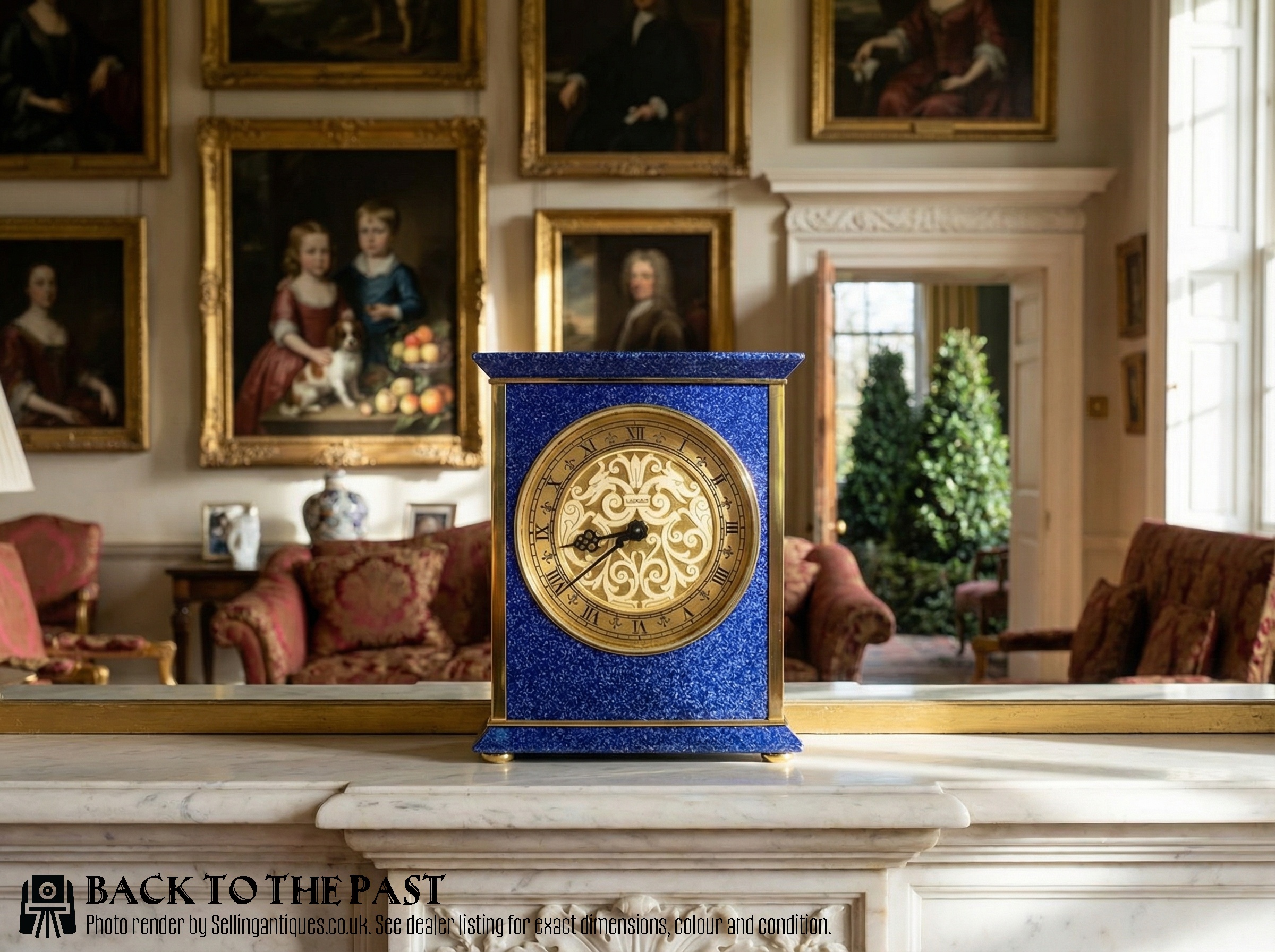
How They Were Made
Cabinetmakers constructed the wooden housings using dense timbers like mahogany, rosewood, walnut, and oak, frequently incorporating brass stringing, inlay, and cast mounts. These cases often featured glazed side panels and locking doors to protect the internal brass and steel gear trains.
Clockmakers fitted mechanical movements driven by spring-driven fusee or barrel mechanisms, paired with painted enamel, brass, or silvered metal dials. Movements incorporated verge, anchor, or platform escapements, alongside striking or chiming trains operated via bells or gongs.
Brass Bracket Clock Retail Price Guide 2026
Typical asking prices for brass bracket clock among the pieces listed under this phrase on Sellingantiques today, from the lower quarter to the upper quarter. They describe what is for sale here now, not the wider market.
Listings feature brass bracket clocks spanning the Georgian, Regency, Victorian, and Edwardian periods, housed in mahogany, rosewood, oak, and tortoiseshell.
What Varies in Quality
The refinement of the brass casting and engraving on the dial, spandrels, and handles separates standard production from superior work. Finely executed chasing and crisp hand-engraving on the brass dial plate indicate higher workshop standards.
The complexity and condition of the movement mechanism influence overall merit, particularly the presence of original fusee movements and signed backplates. Cases exhibiting well-matched wood veneers and intact brass inlay retain greater structural integrity.

Thomson of London·Cousens And Whiteside·Elliott London·Comitti Of London·Lenzkirch·Brockbanks And Atkins·William Gard·Thuret Paris·Webster London·Barwise London·Charles Pratt London·Ellicott And Smith·Winterhalder·Barber And North·Thomas Jackson·John Spershott·George Orpwood·James McCabe·Crews·Thwaites And Reed·Japy Freres·Dent
The Brass Bracket Clock Glossary
- Fusee
- A conical pulley used in mechanical clocks to maintain an even pull on the gear train as the mainspring unwinds. This device ensures more consistent timekeeping throughout the power reserve.
- Verge escapement
- An early type of clock escapement utilising a crown wheel and a rod with pallets to control the release of power. It represents a traditional mechanical setup found in older timepieces.
- Boulle
- A form of marquetry decoration using tortoiseshell and brass inlaid in a contrasting counter-technique. Named after French cabinetmaker André-Charles Boulle, it appears on decorative nineteenth-century clock cases.
- Spandrel
- The triangular ornamental corner bracket placed between the circular chapter ring and the outer edge of a clock dial. These brass mounts are frequently cast and chased with decorative motifs.
- Ting tang
- A striking mechanism that sounds two different notes on two bells to announce the quarters of an hour. This system utilises a distinct hammer arrangement inside the clock case.
Brass Bracket Clock: Frequently Asked Questions
What is a brass bracket clock?
A brass bracket clock is a portable mechanical timepiece enclosed in a wooden case and ornamented with brass dials, handles, and mounts. These objects were originally designed to rest upon wall brackets or furniture surfaces.
Such timepieces incorporate spring-driven movements and often feature striking or chiming capabilities. Their construction combines cabinetmaking skills with precision metalwork.
How do you wind a fusee movement?
Winding a fusee movement involves inserting a key into the dial or back door to tension the mainspring via the conical pulley. This action pulls the chain back onto the fusee cone.
Careful handling during winding protects the delicate brass gear train and maintaining steady pressure prevents damage to the gut line or chain.
Where were bracket clocks placed?
Historical bracket clocks were placed on dedicated wall brackets to allow the sound of the bell to project clearly across the room. They also stood freely on mantels, tables, and chests of drawers.
Their portable nature meant owners could move them between rooms as needed, utilising the brass carrying handle on top of the case.
How do you tell a Georgian clock from a Victorian one?
Georgian clocks typically feature simpler architectural mahogany cases with brass bracket feet and engraved brass dials. Their movements often rely on verge or early anchor escapements.
Victorian examples frequently introduce richer veneers, more elaborate brass inlays, and varied dial styles including white enamel or silvered brass. Their casework often reflects heavier proportions and revival design influences.