

Brass Arched Clock
A brass arched clock brings the precision of historical metalwork into a room, combining curved architectural frames with warm metallic dials.
Brass Arched Clock
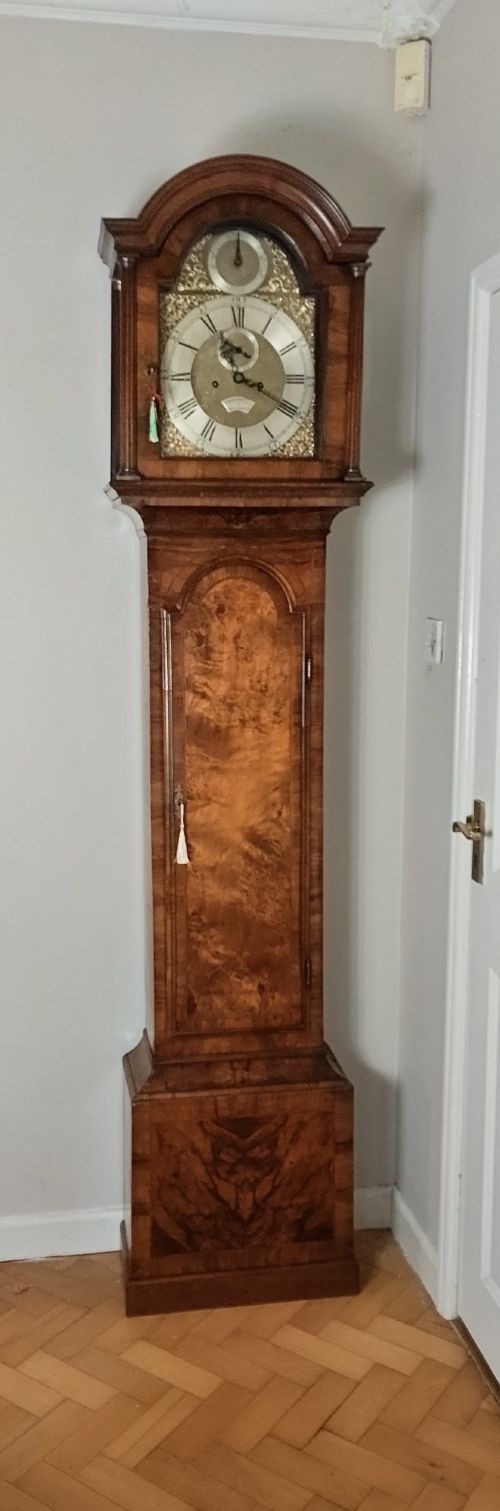
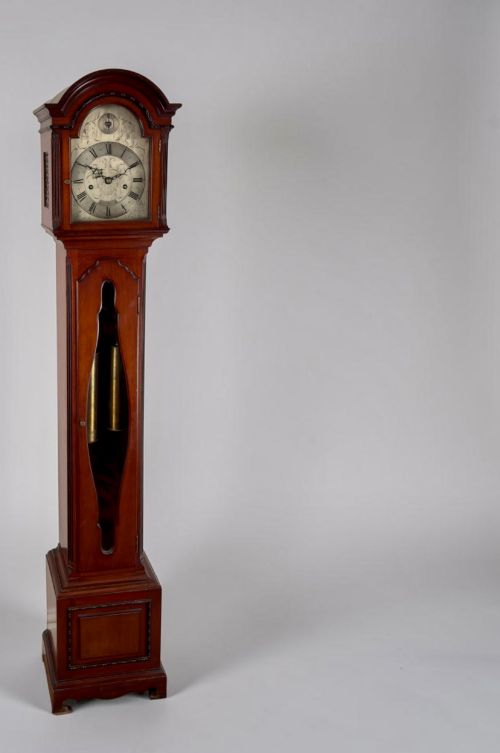
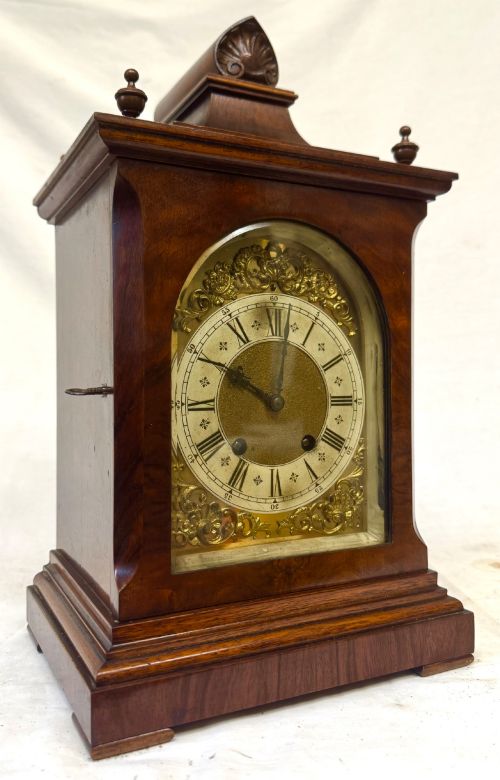
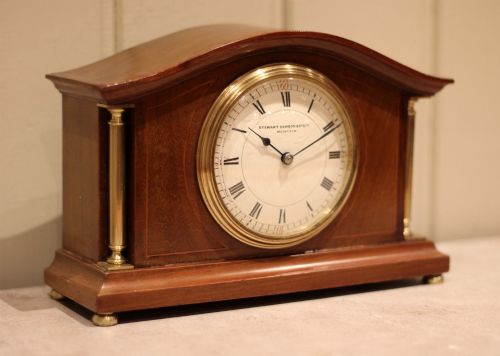
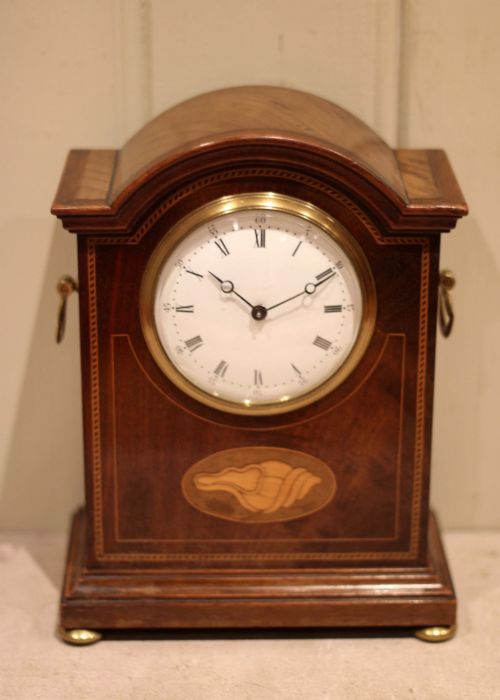
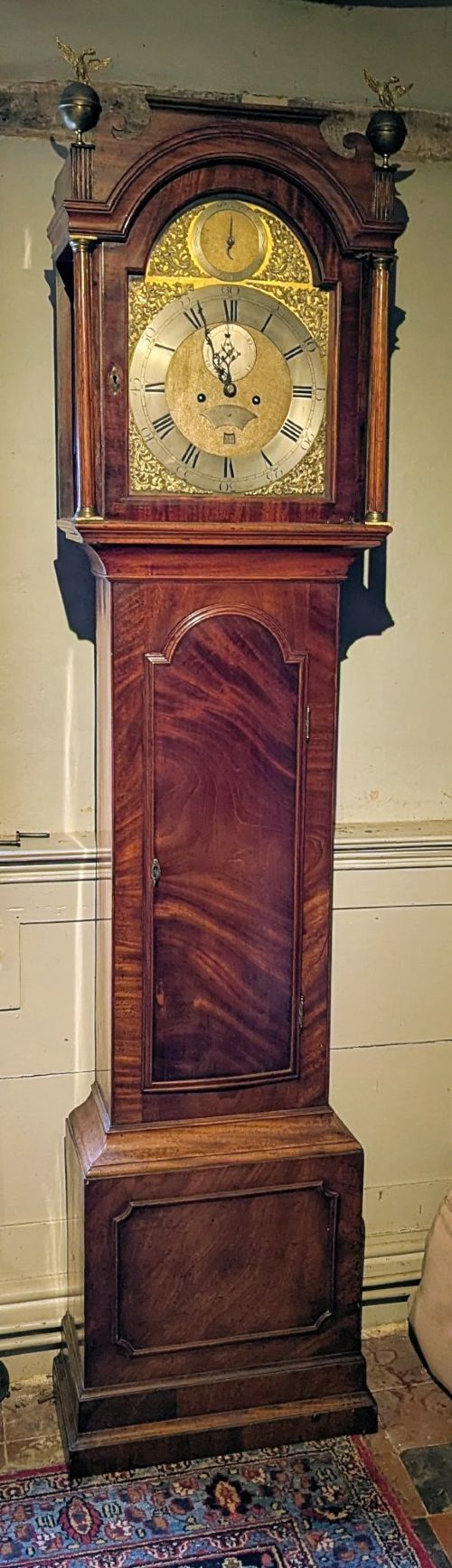
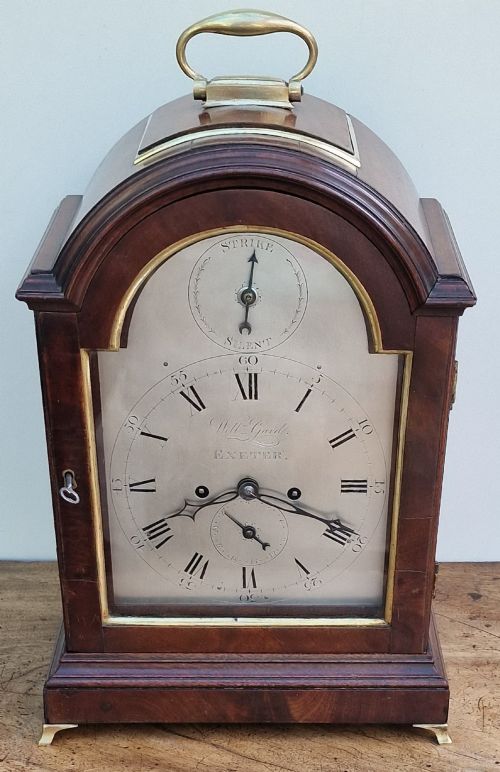
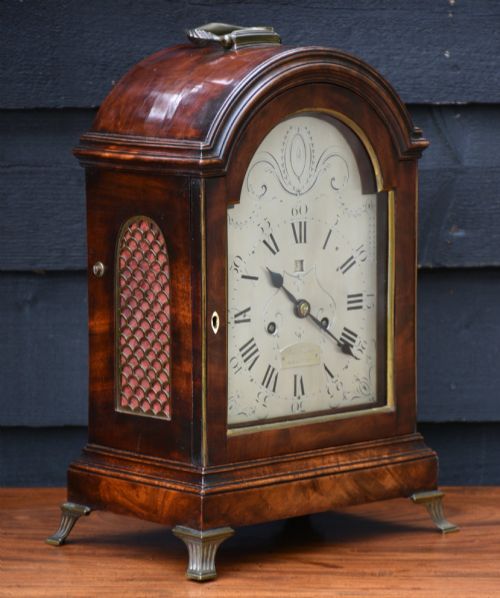
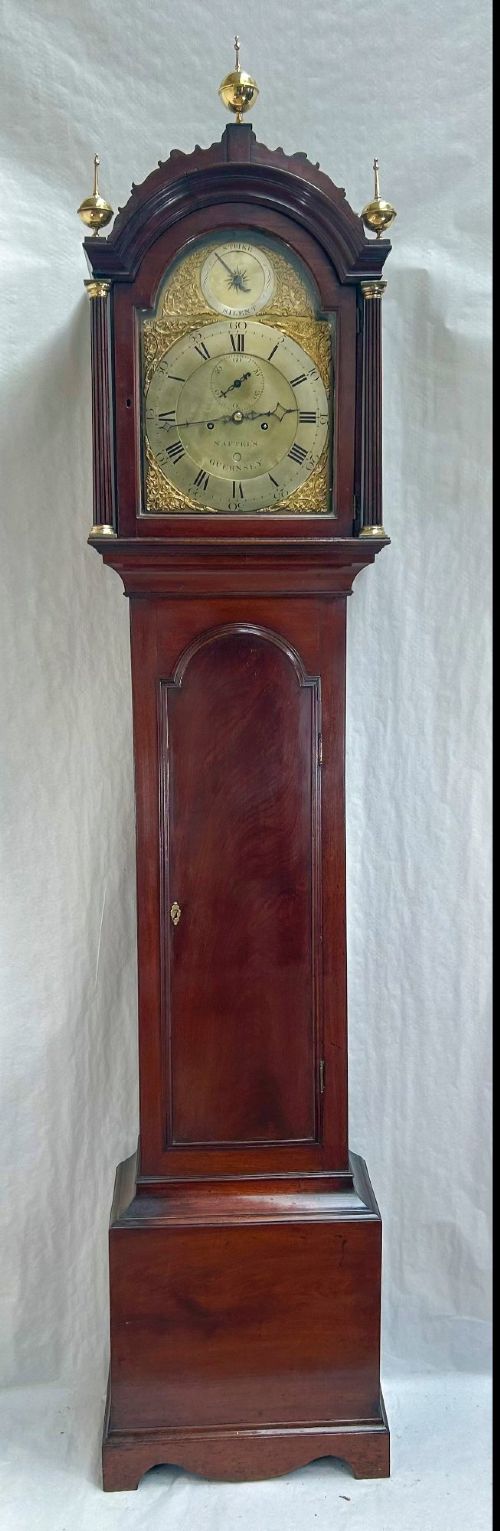
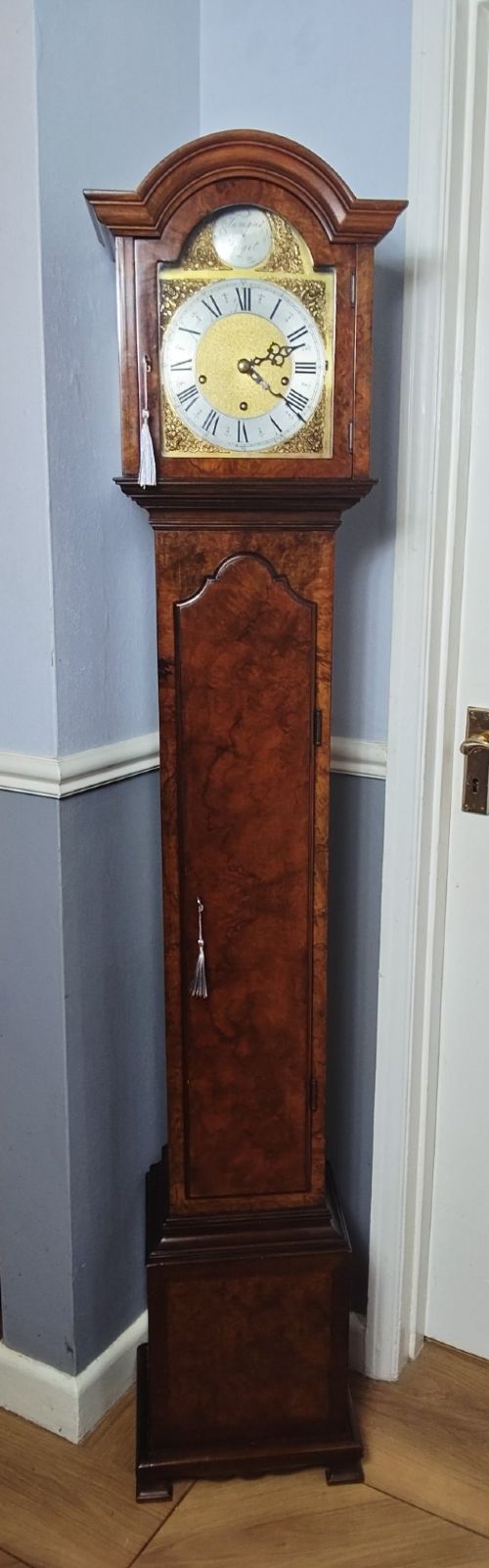
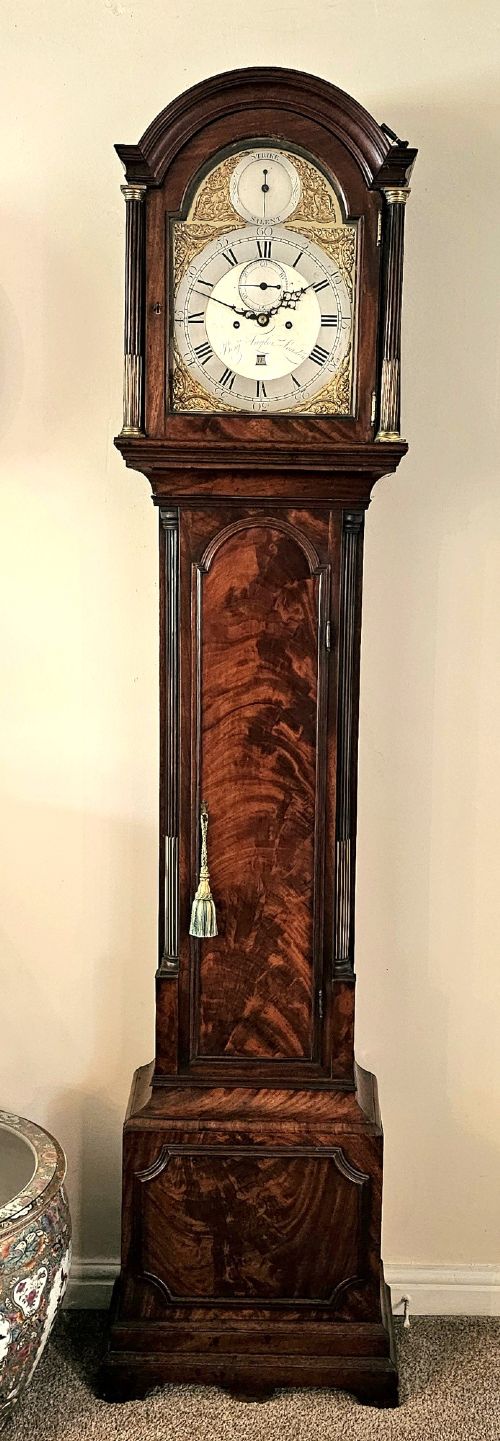
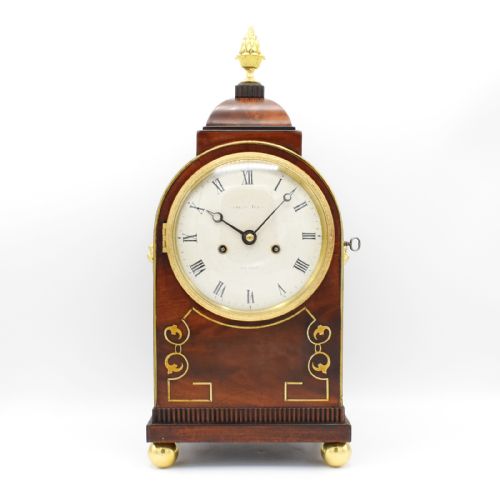
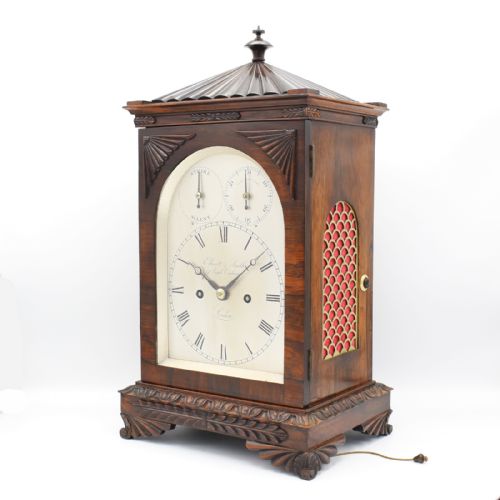
A brass arched clock encompasses tall floor-standing longcase pieces, compact bracket clocks, and smaller mantel designs sharing a distinct curved upper dial plate. When searching for a brass arched clock, buyers most frequently encounter Georgian and nineteenth-century longcase and bracket pieces housed in mahogany or oak cabinets. These timepieces anchor a room with traditional proportions, framing a brass dial beneath a rounded glass face.
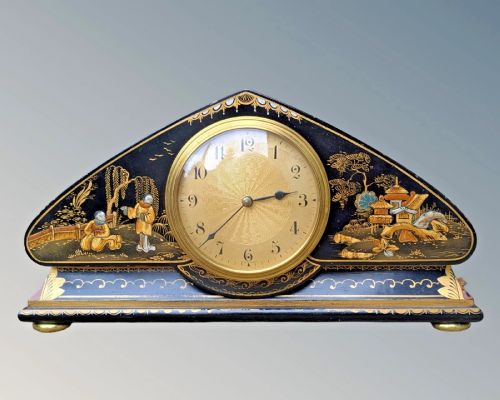
The selection ranges from early eighteenth-century London longcase movements to Edwardian and later mantel versions, uniting domestic utility with decorative cabinet-making. Styles span plain provincial oak cases to elaborate Georgian and Regency mahogany or figured walnut structures with decorative brass spandrels. Each variant reflects the domestic requirements of its period, from simple timepieces to complex musical or striking mechanisms.
Materials and construction
Cases combine structural timbers such as mahogany, oak, and walnut, often enhanced with burr veneers or lacquerwork, enclosing intricate brass and steel movements. The brass dial is typically cast, engraved, and silvered, featuring applied spandrels in the corners and an arched top plate that houses the regulation or chime indicators.
Cabinet makers joined solid hardwoods and applied fine veneers using traditional animal glues, while clockmakers cut brass plates and steel wheels by hand. Glass protects the delicate face, fitted tightly into wooden bezels or hinged doors that secure the movement against dust and atmospheric changes.
The listings here include brass arched clock examples in oak, mahogany, walnut, and rosewood, spanning periods from the eighteenth century to the mid-twentieth century.
Evaluating craftsmanship and detail
Quality rests in the crispness of the brass engraving on the dial, the depth of the cabinet timber, and the original integration of the movement within its case. Finer examples display finely pierced brass hands, well-cast corner spandrels, and secondary timbers that match the primary case wood without modern replacement parts.
The complexity of the internal mechanism also distinguishes standard pieces from exceptional ones, particularly those featuring quarter-chiming, musical cylinders, or strike-silent functions. Master horologists signed their engraved brass dials, ensuring that the documented provenance aligns with the execution of the brass work and the cabinet joinery.
Gillett & Johnston·James Field·Lenzkirch·Benjamin Taylor·Ellicott & Smith·Windmills and Wightman·Barber & North·Priory·Desbois & Wheeler·Schneckenburger·Thomas Moss·Cording·Benj Reeves·Thomas Gammage
The Brass Arched Clock Glossary
- Spandrel
- The ornamental corner piece mounted on a clock dial, often cast in brass in various decorative patterns. These decorative elements fill the open space between the circular chapter ring and the square or arched edge of the dial plate.
- Bracket clock
- A portable table or shelf clock originally designed to sit on a wall bracket. Many examples feature brass carrying handles on top and arched wooden cases.
- Longcase clock
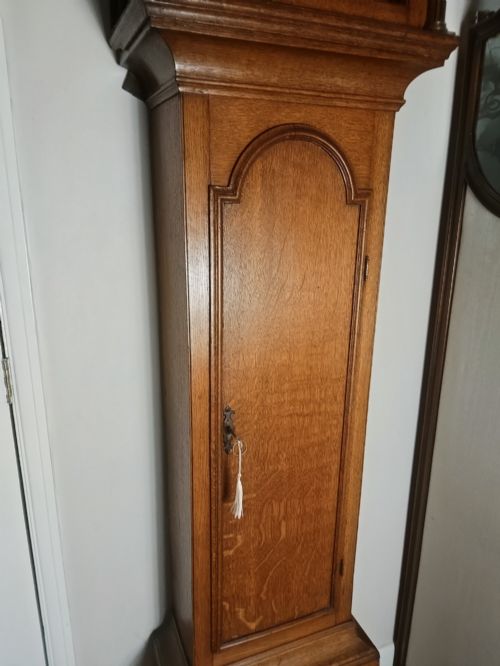
- A tall pendulum clock housed in a wooden case with a vertical body and an arched hood enclosing the dial. They are frequently known colloquially as grandfather or grandmother clocks depending on their height.
- Chapter ring
- The circular ring on a clock dial bearing the numerals for the hours. On brass arched clocks, this is commonly silvered brass with engraved minute markings.
- Lancet-top
- An architectural case shape featuring a pointed arched top resembling a lancet window. This style is commonly seen on Regency and early nineteenth-century table clocks.
Brass Arched Clock: Frequently Asked Questions
What is a brass arched clock?
A brass arched clock is a timepiece featuring a metallic dial set beneath a curved or arched top plate, housed in wood such as mahogany, oak, or walnut.
These pieces range from tall floor-standing longcase examples to smaller bracket and mantel clocks designed for tables and shelves.
How do I wind a longcase clock?
Winding involves using a specialised key to raise the weights or tension the springs inside the wooden case, depending on the movement type.
Care must be taken not to overwind the mechanism, ensuring the weights or springs operate smoothly throughout their cycle.
Where should I place a bracket clock?
A bracket clock sits securely on a stable mantelpiece, heavy table, or dedicated wall shelf where vibrations are kept to a minimum.
Placing the clock away from direct heat sources and damp exterior walls helps protect the wooden case and brass movement.
How do I identify the period of a clock?
The period is determined by examining the cabinet timber, the style of the brass dial, and the signature or engraving of the maker.
Early Georgian dials often feature square formats or simple arches, while later nineteenth-century and Edwardian examples show distinct veneering techniques and stylistic revivals.