
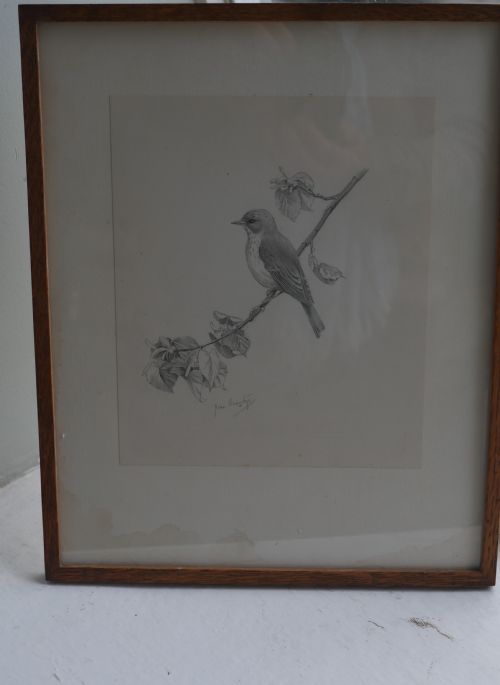


Botanical Illustration Print
A botanical illustration print captures the precise beauty of the natural world, offering enduring visual appeal for any room.
Botanical Illustration Print
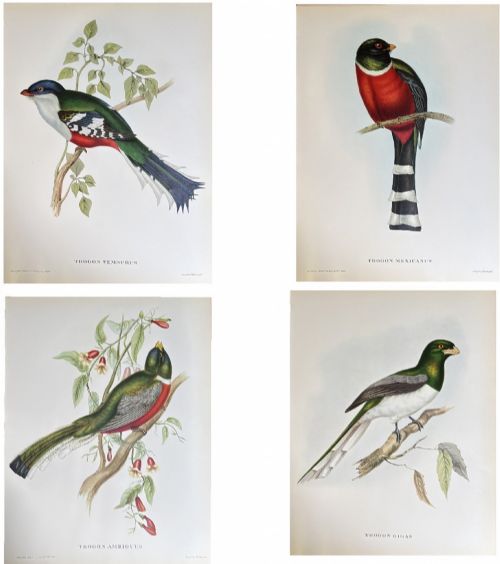
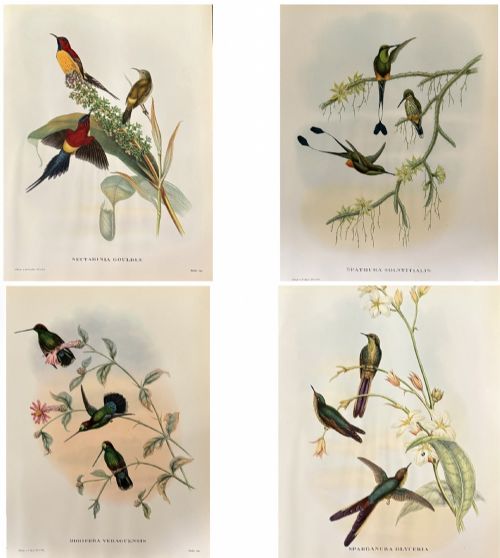
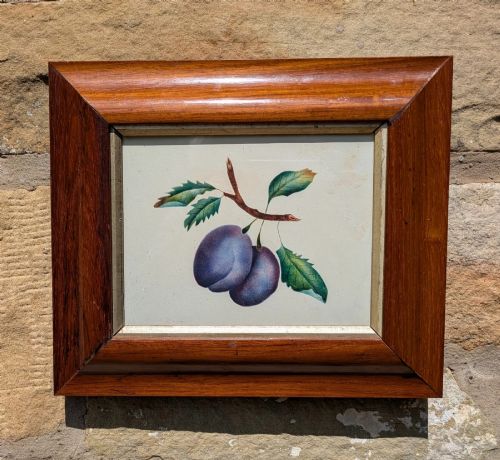
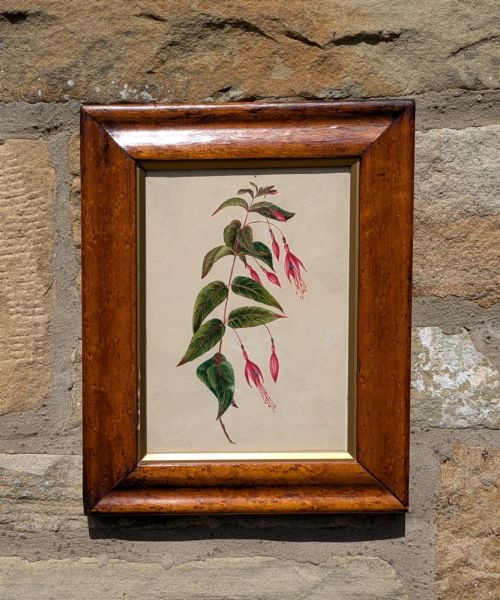
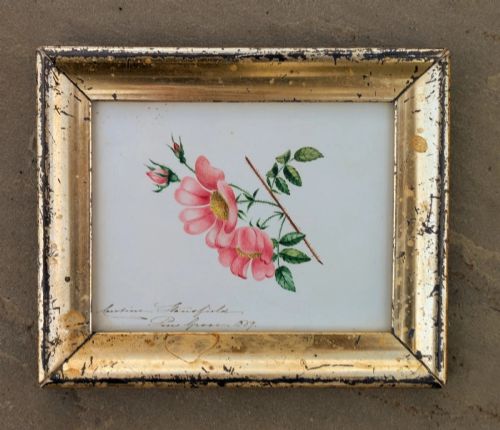
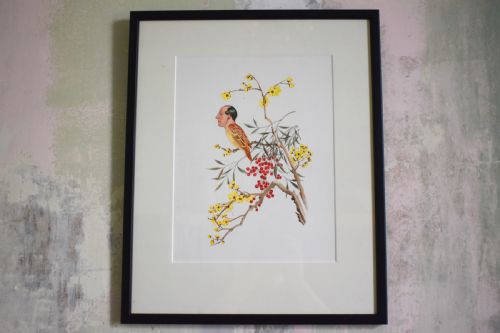
A botanical illustration print brings the meticulous study of flora and fauna into domestic spaces through detailed works on paper. When searching for a botanical illustration print, collectors encounter a diverse range of subjects, from delicate floral watercolours to hand-coloured ornithological engravings and butterfly studies.
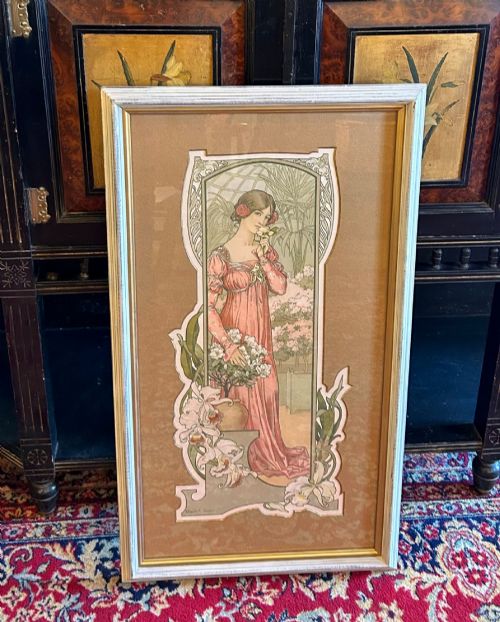
The selections available span multiple centuries and stylistic movements, with Victorian and nineteenth-century examples appearing frequently alongside Georgian and mid-twentieth-century print runs. These pieces often arrive framed in wood, gilt, or rosewood, ready for display as individual wall art or in matched sets.
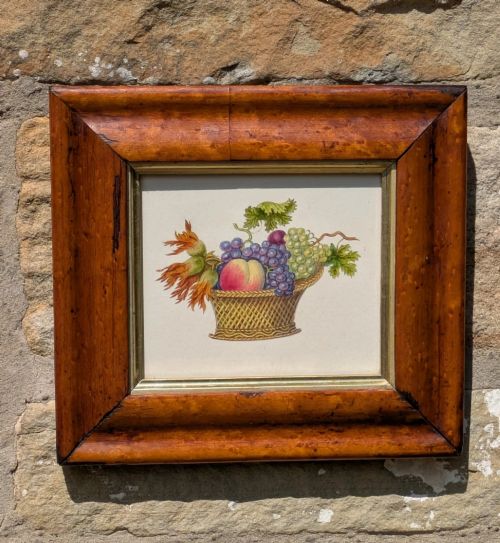
Originating from scientific publications, florilegia, and natural history portfolios, these works combine rigorous observation with artistic execution. Whether depicting tropical birds, garden fruits, or structured foliage, they document the natural world through the lenses of various historical periods.
How they were made
The creation of these works relies heavily on traditional paper supports combined with media such as watercolour, ink, gouache, and pencil. Many examples begin as copperplate engravings or lithographs before receiving careful hand-colouring to bring out the distinct hues of petals, plumage, and leaves.
Framing materials range from simple wood to gilt and gold leaf, often selected to complement the tonal qualities of the paper. Techniques vary from the fine lines of an engraving to the fluid washes of a direct watercolour painting.
The inventory includes watercolours, lithographs, and engravings spanning the eighteenth, nineteenth, and twentieth centuries.
What varies in quality
The distinction between tiers of work rests on the precision of the draughtsmanship and the vitality of the remaining pigment. Hand-coloured plates retain a vibrancy that sets them apart, especially when the tints applied to the original engraving remain fresh and stable over time.
The execution of the underlying drawing, whether in ink, pencil, or watercolour, dictates the overall character of the piece. Crisp lines, accurate anatomical or botanical proportions, and the condition of the paper surface determine the standing of each item.
Elisabeth Sonrel·Oliver Goldsmith·M Simpson·Pancrace Bessa·George Edwards·John Curtis·Georg Wolfgang Knorr·William Swainson·John Sherrin·M.K Rhodes·George Dionysius Ehret
The Botanical Illustration Print Glossary
- Lithograph
- A print produced by a planographic process in which a drawing is made on stone or metal with a greasy substance. The ink adheres only to the drawn areas before transfer to paper.
- Engraving
- A method of cutting a design into a hard plate, traditionally copper, which is then inked and pressed onto paper to create sharp, permanent lines.
- Hand-coloured
- A print finished by hand with watercolours or washes after the initial impression is stamped on the page. This technique adds individual variation to each plate.
- Gouache
- An opaque water-based paint that dries to a matte finish, frequently combined with watercolour or ink in botanical studies to build dense areas of colour.
Botanical Illustration Print: Frequently Asked Questions
How should I hang botanical prints?
These works suit balanced arrangements, especially when grouping matching sets of birds, insects, or florals together on a wall.
Protecting the paper from direct sunlight preserves the hand-coloured pigments and prevents the paper support from yellowing over time.
What periods do these pieces cover?
The available selection spans from the eighteenth century through the Victorian era and into the mid-twentieth century. Georgian and Regency examples offer early scientific illustration, while later twentieth-century pieces show continuing traditions in bird and plant recording.
Each period brings distinct framing choices, paper types, and reproductive techniques.
Are these prints original or modern copies?
The listings consist of period works, including nineteenth-century lithographs, eighteenth-century engravings, and original watercolours from various historical schools.
Paper characteristics, printing techniques, and contemporary framing provide clear indicators of period origin.
How do I identify a hand-coloured engraving?
Close inspection under magnification reveals the printed plate mark in the paper surrounding the image, alongside subtle brush strokes where the pigment was applied by hand.
Unlike modern flat printing, these plates show varied pigment pooling and distinct ink impressions in the paper.