






Bocage Ceramic Figurines
These bocage ceramic figurines bring leafy porcelain backdrops and pastoral charm to any room.
Bocage Ceramic Figurines
When you search for bocage ceramic figurines, you look at sculptural figures framed by applied leafy branches, bushes and foliage backgrounds. These pieces range from eighteenth-century Georgian soft-paste porcelain to nineteenth-century earthenware and Victorian reproductions.
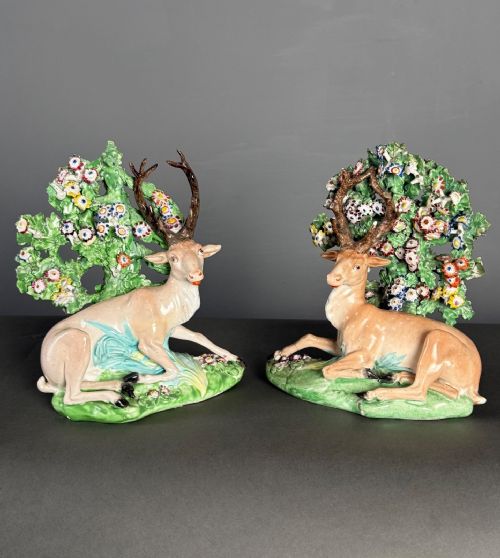
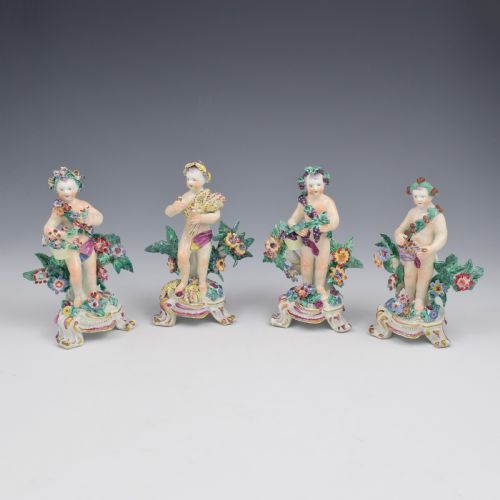
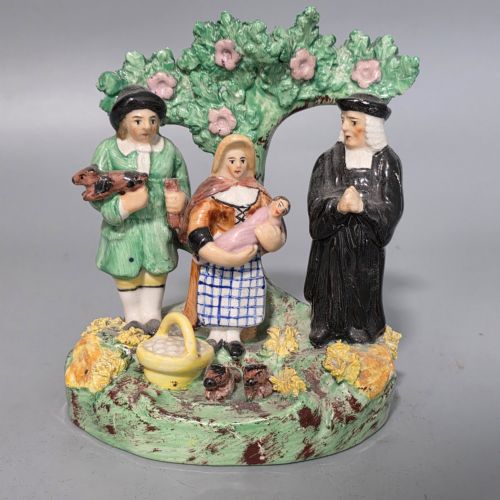
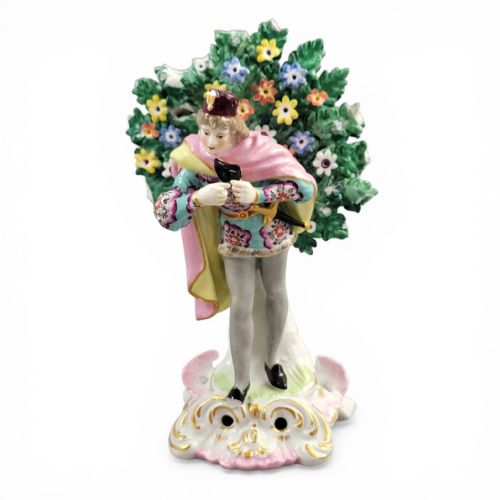
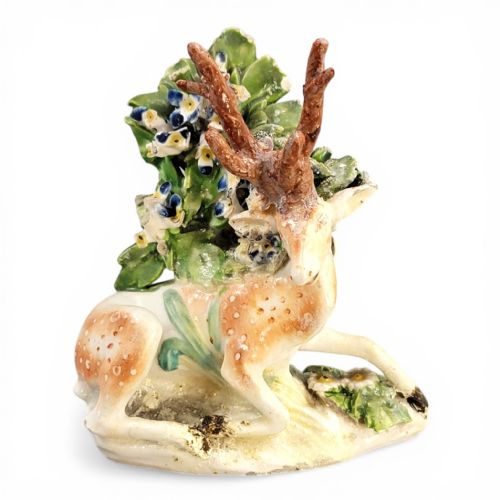
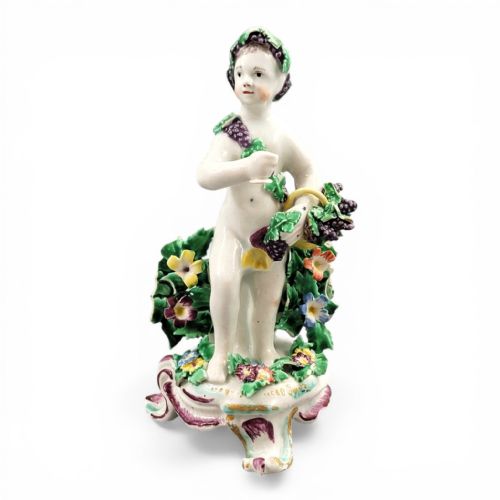
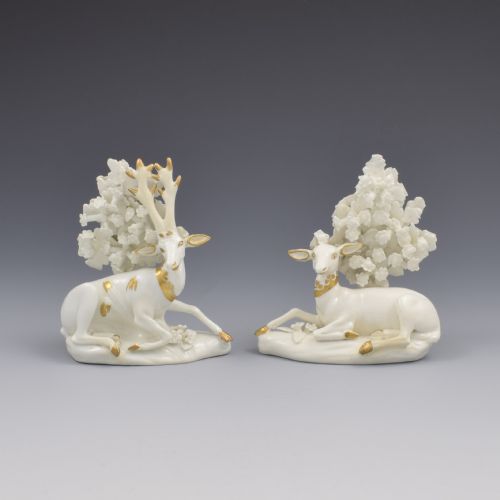
The version you most frequently meet on this page is the eighteenth-century Derby or Bow porcelain figure, alongside nineteenth-century Staffordshire pottery groups and Samson of Paris interpretations. These objects often depict pastoral subjects, animals like stags and sheep, or classical figures set against dense floral thickets.
Makers shaped these items as standalone decorative objects, spill vases, or figural candlesticks intended for mantelpieces and display cabinets. The background foliage, known as bocage, gives each piece its characteristic botanical frame and distinctive silhouette.
Materials and technique
Potters and modellers constructed these figures using soft-paste porcelain, hard-paste porcelain, earthenware, or pearlware, shaping the body by hand or pressing clay into moulds. Artisans built up the intricate bocage backgrounds separately, applying individual leaves and blossoms by hand before attaching them to the main figure.
Painters decorated the fired pieces with enamel colours, sometimes adding gold leaf or gilding to highlight garments, bases, and botanical details. A second firing fixed these enamels and glazes to the ceramic body, producing the glossy finish seen on eighteenth-century Derby and later Paris porcelain.
Listings feature soft-paste porcelain and earthenware figures spanning the eighteenth and nineteenth centuries.
Quality variations
The standard of modelling defines the upper tier of these pieces, where artisans invested time in crisp facial expressions and delicate, naturalistic hand-formed foliage rather than thick, heavy clay leaves. Crispness in the moulding of the bocage background separates superior works from later, softer copies.
Painting execution dictates visual success, with fine pastel hues and careful brushwork distinguishing master factory output from hurried commercial decoration. The crispness of the porcelain paste and the subtlety of the enamel palette mark the distance between early Derby productions and later continental imitations.
Derby·Bow·Walton·Edmé Samson
The Bocage Ceramic Figurines Glossary
- Bocage
- The applied background of leafy branches and flowers behind a ceramic figure. This decorative foliage creates a wooded effect that frames the main subject.
- Soft-Paste Porcelain
- An artificial porcelain body invented in Europe before the discovery of true hard-paste porcelain. It has a warm, glassy texture under the glaze.
- Spill Vase
- A hollow ceramic vessel designed to hold taper spills for lighting candles and fires. These objects often incorporate figures and bocage around the central tube.
- Pearlware
- An refined earthenware developed by English potters featuring a bluish-tinted glaze. This material mimics the appearance of Chinese porcelain.
Bocage Ceramic Figurines: Frequently Asked Questions
What is a bocage figure?
A bocage figure is a ceramic sculpture featuring a background of applied leaves and branches behind the main subject. These pieces originated in eighteenth-century porcelain factories to mimic natural bowers.
Craftsmen built the foliage up leaf by leaf, making each leafy backdrop distinct. They served as decorative ornaments for prominent display in period interiors.
How were these figures used?
These ceramics served primarily as decorative ornaments on mantelpieces, side tables, and cabinets during the Georgian and Victorian eras. Some incorporated sockets for candles or hollow sections to hold spill tapers.
Owners displayed them in pairs or sets representing seasonal themes or pastoral narratives. They reflected the period taste for romanticised rural life and classical mythology.
How do I care for antique porcelain?
Keep these fragile ceramics away from direct sunlight and areas subject to sudden temperature changes to protect the glaze and enamel. Dust them gently with a soft, dry brush.
Avoid using water or chemical cleaners, particularly on pieces with gold leaf or delicate hand-applied leaves. Secure them safely on stable surfaces away from high-traffic zones.
How do I tell early pieces apart?
Distinguishing early figures involves examining the paste, glaze quality, and factory marks beneath the base. Eighteenth-century soft-paste porcelain feels softer under the glaze and often shows distinct firing scars.
Later nineteenth-century reproductions, such as those from Paris, feature harder pastes and brighter, more uniform enamels. Comparing the crispness of the bocage foliage also helps separate original eighteenth-century modelling from later copies.