



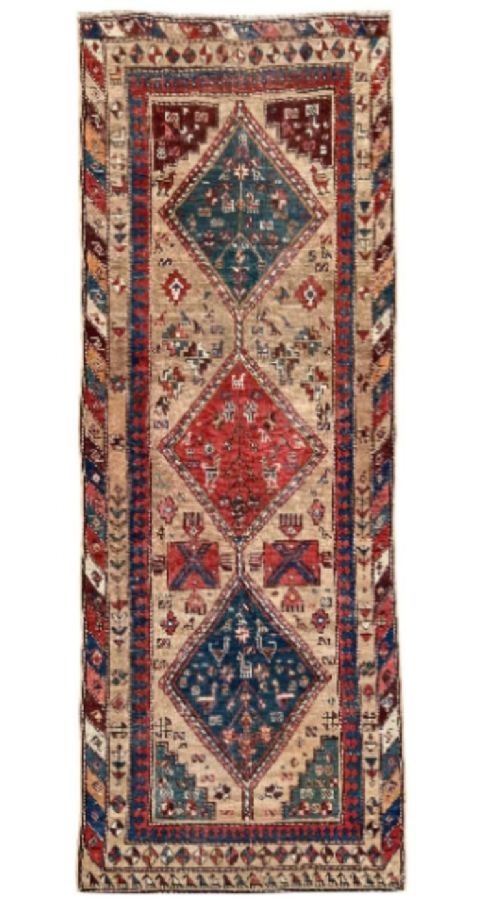
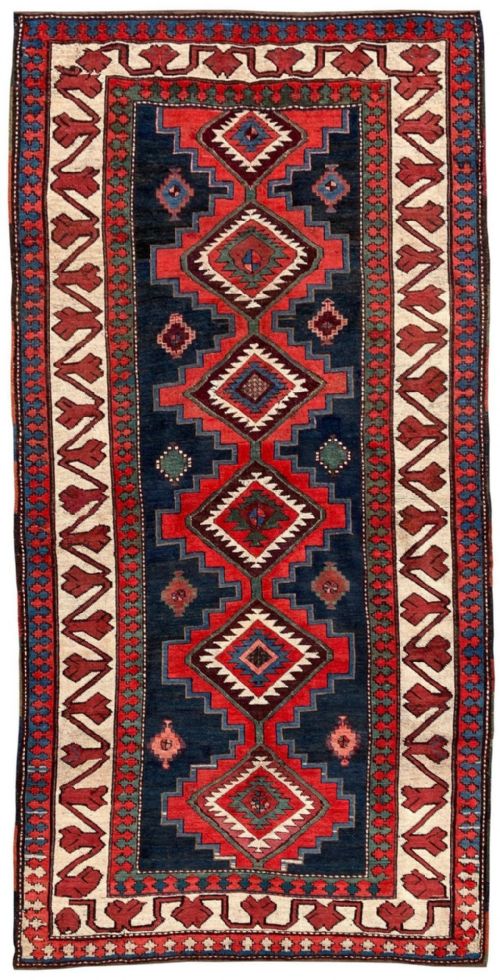
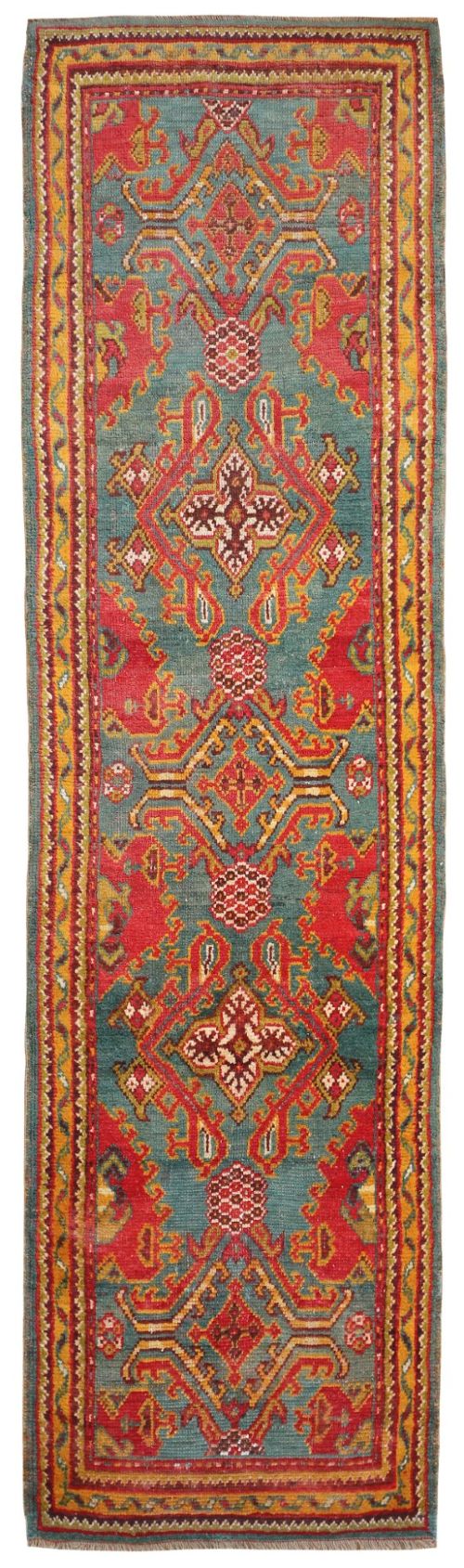
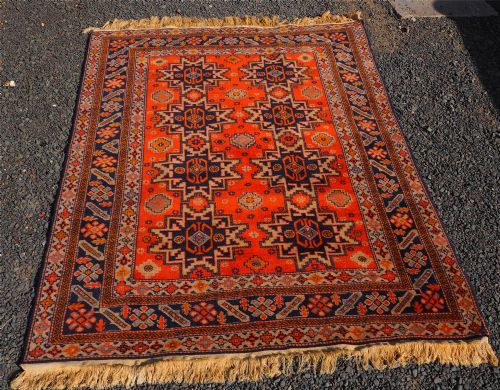
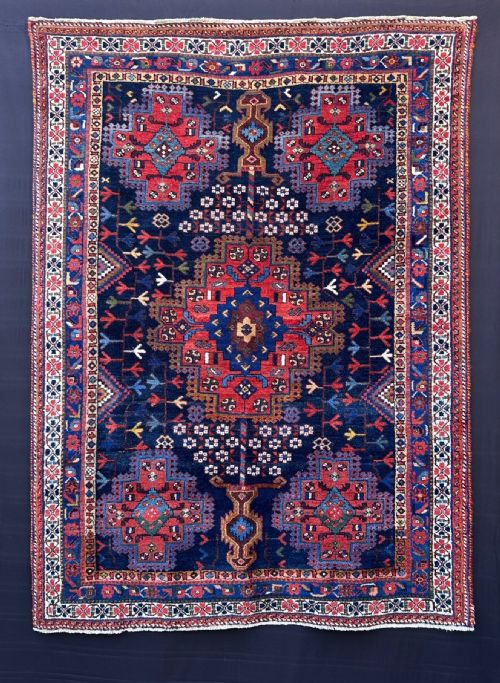
Blue Wool Tribal Rug
When you search for a blue wool tribal rug, you encounter hand-woven nomadic floor coverings from Persian, Caucasian, Anatolian, and Central Asian regions.
Blue Wool Tribal Rug
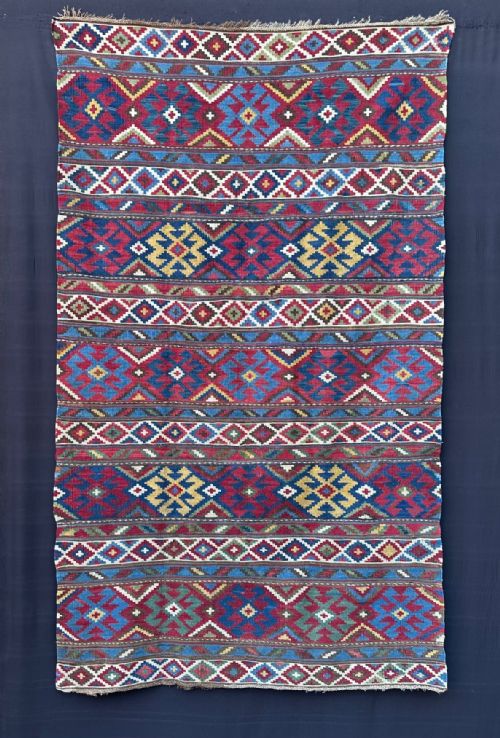
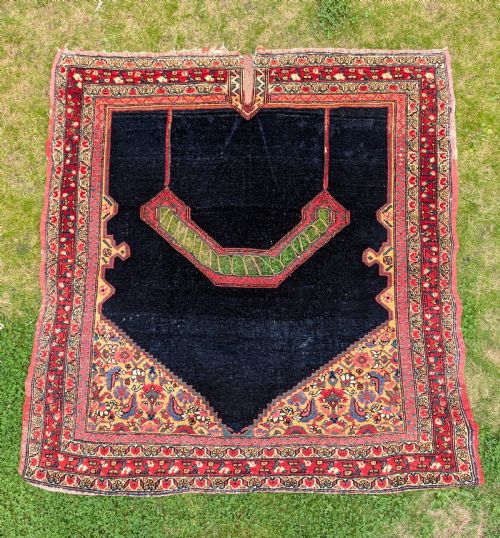
A blue wool tribal rug encompasses hand-knotted and flat-woven pieces produced by nomadic and village weavers across Persia, the Caucasus, Anatolia, and Central Asia. These textiles take forms such as area rugs, runners, saddle covers, salt bags, and storage bags originating from periods spanning the mid-nineteenth century to the early twentieth century.
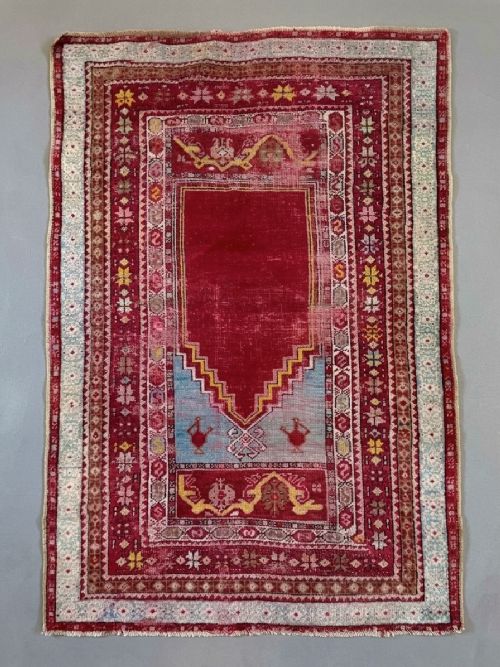
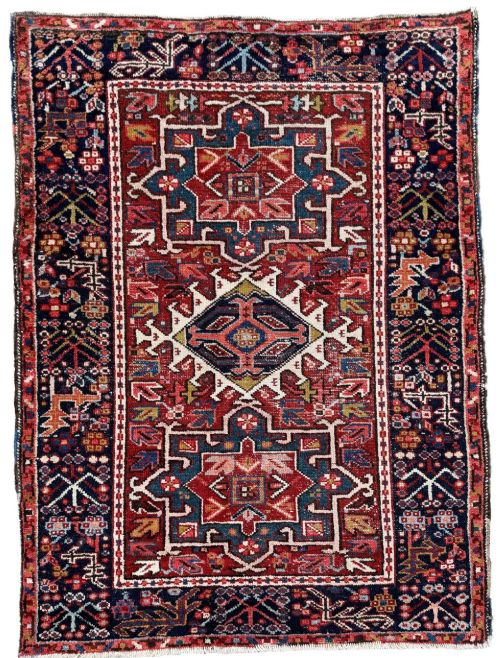
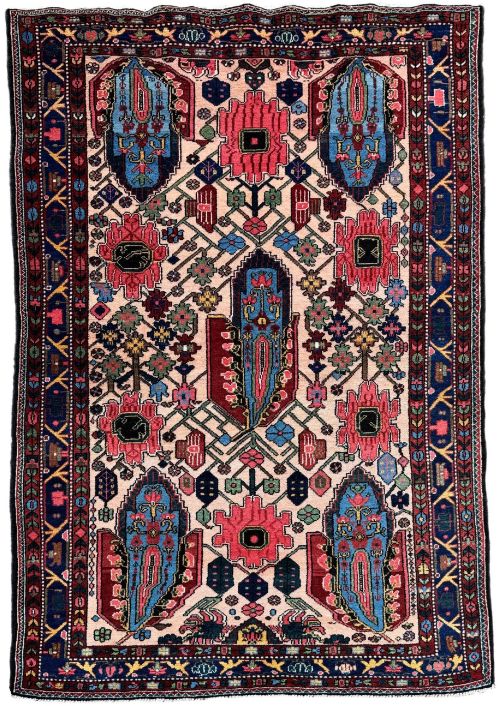
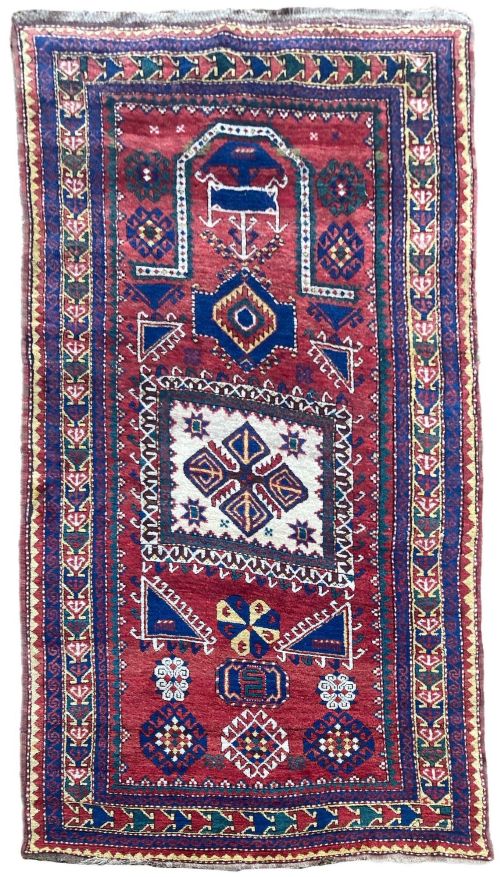
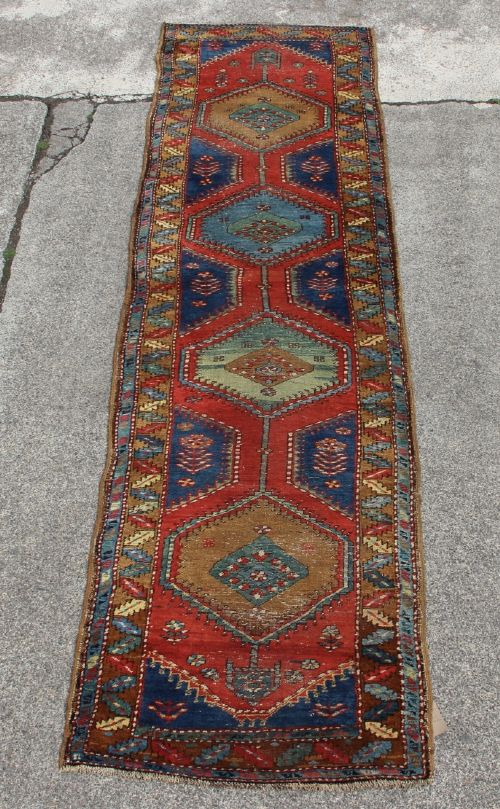
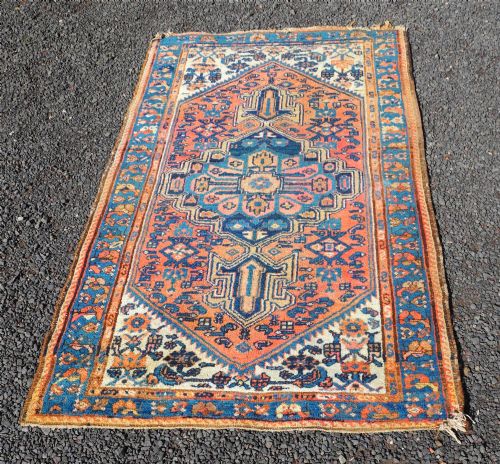
The version most commonly met on this page is an antique village or nomadic rug featuring geometric medallions, prayer designs, or lattice patterns worked primarily in wool. Examples range from small hearth-sized formats to substantial runners and main carpets woven by groups including the Afshar, Bakhtiar, Khamseh, Kazak, and Yomut tribes.
These floor coverings and tribal textiles gain their character from regional weaving traditions, local dye recipes, and traditional shearing methods. Buyers select them for their tangible link to historic nomadic craftsmanship and the depth of colour achieved with natural wool and dyes.
How they were made
Makers constructed these pieces using hand-spun wool for the pile and structure, often paired with cotton foundations in certain regional workshops. The yarns were dyed using natural dye sources to yield the characteristic blue tones alongside secondary hues.
Weavers knotted or wove the wool by hand on vertical or horizontal looms, incorporating supplementary materials like glass beads in specific tribal contexts. The resulting dense structures ensured durability for daily nomadic or domestic use.
Blue Wool Tribal Rug Retail Price Guide 2026
Typical asking prices for blue wool tribal rug among the pieces listed under this phrase on Sellingantiques today, from the lower quarter to the upper quarter. They describe what is for sale here now, not the wider market.
Nomadic weavers occasionally tucked glass beads into the wool to ward off the evil eye while sitting at the loom.
What varies in quality
Quality in these textiles depends on the fineness of the knotting and the integrity of the hand-spun wool. Tighter structures and more precise geometric execution distinguish superior weaving from coarser village production.
The depth and variation of natural dyes influence visual success, with richer colour saturation elevating a piece. Well-preserved foundations and intact original edges reflect careful historical maintenance and superior initial fabrication.
The Blue Wool Tribal Rug Glossary
- Kilim
- A flat-woven carpet or rug produced without a pile. These pieces rely on warp and weft interweaving to form sharp geometric patterns.
- Prayer rug
- A small rug featuring a mihrab or arch design indicating the direction of prayer. Weavers traditionally used these for daily devotional practices.
- Runner
- A long, narrow carpet format designed for hallways, corridors, or staircases. These pieces balance extended length with manageable widths.
- Medallion
- A central decorative motif placed in the field of a rug. This focal design often anchors the surrounding geometric or floral ornaments.
- Warp
- The vertical threads stretched lengthwise on a loom before weaving begins. The weft threads pass horizontally through these structural elements.
Blue Wool Tribal Rug: Frequently Asked Questions
Where were these rugs made?
These textiles originate from nomadic and village workshops across Persia, the Caucasus, Anatolia, and Central Asia. Specific regions include Shirvan, Karabagh, and various tribal confederacies.
Weavers in these areas utilised local materials and distinct regional motifs passed down through generations.
How do I care for an antique rug?
Maintain your rug through gentle, regular vacuuming without rotating brush rolls to protect the wool pile. Professional cleaning suited for antique textiles preserves the natural fibres.
Keep the piece out of direct sunlight to prevent colour fading over extended periods of time.
What is a tribal textile bag?
Tribal bags served practical storage functions for nomadic groups, holding salt, bedding, or personal possessions. Pieces such as salt bags and vanity bags feature dense weaving and specialised formats.
Collectors prize these functional items for their authentic representation of daily nomadic life and portable artistry.
How do I identify a prayer rug?
Prayer rugs are identifiable by the distinct architectural arch or mihrab shape woven into one end of the field. This design points the worshipper toward Mecca during daily prayers.
These formats typically measure in smaller sizes suited for individual ritual use.