


Blue Wool Kelleh
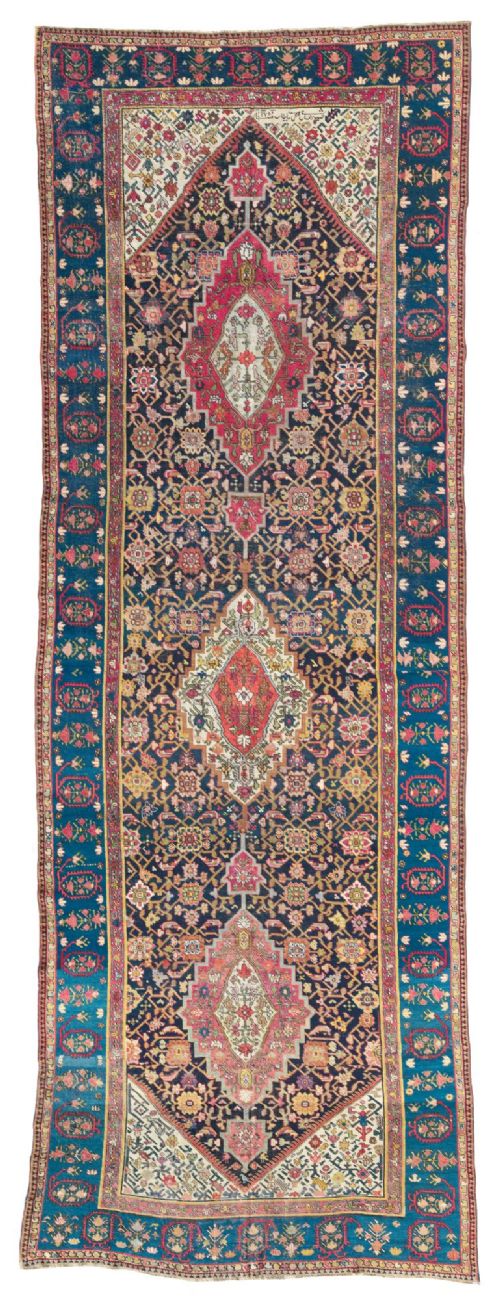
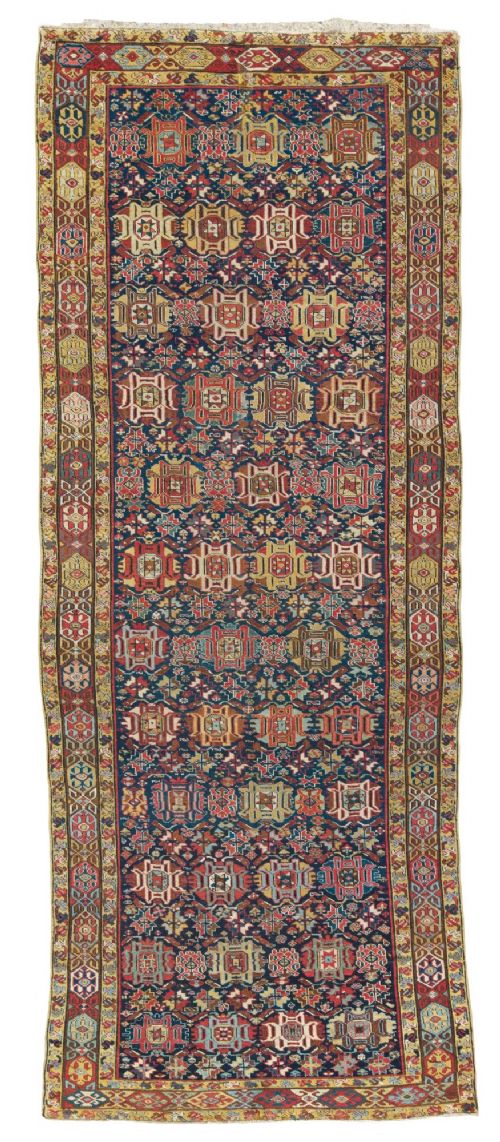
These large format blue wool kelleh floor coverings offer striking tribal patterns and substantial room-anchoring proportions.
Blue Wool Kelleh
A blue wool kelleh provides a substantial rectangular format designed to anchor principal rooms with traditional tribal or village artistry. These textiles span the latter half of the nineteenth century into the early decades of the twentieth century, originating from Persian and Caucasian weaving regions.
The format typically presents an elongated rectangular shape narrower than a standard large carpet but wider than a runner. Pieces on this page originate from tribal and regional weaving traditions including Kurdish, Khamseh, Malayer, Bidjar, and Karabagh workshops.
How they were made
Weavers constructed these long carpets using hand-spun wool for the plush pile, paired with cotton foundations to ensure structural stability across the extended format. Natural dyeing methods yielded deep indigo blues that form the predominant field colour for these pieces.
Intricate motifs such as boteh, tree of life, dragon borders, and harshang patterns emerge through meticulous knotting techniques passed down across generations in Persian and Caucasian tribal communities.
Secret tribal signatures occasionally hide within the border knots, left behind by weavers who spent months tying indigo wool by oil lamp.
What varies in quality
Quality differences stem from the fineness of the wool and the precision of the knotting executed across the elongated field. Tighter foundation structures and well-preserved natural indigo tones separate robust village examples from more fragile weaves.
The artistic execution of specific regional borders, such as crab patterns or dragon motifs, dictates the visual impact and integrity of the surviving textile.
The Blue Wool Kelleh Glossary
- Kelleh
- A large format rectangular rug or carpet traditionally longer than a standard room-size piece. This specific proportion suits long hallways and principal living spaces.
- Boteh
- A stylised floral motif resembling a pear or curved almond shape. It appears frequently in traditional Persian and Caucasian textile designs.
- Harshang
- A traditional geometric crab pattern often found in border arrangements of Northwest Persian carpets. It provides a structured frame for the central field.
- Pile
- The raised surface of a carpet formed by the cut ends of knotted yarn. Hand-spun wool pile provides durability and rich texture.
Blue Wool Kelleh: Frequently Asked Questions
What is a kelleh rug?
A kelleh is a traditional long carpet format that sits between a standard area rug and a runner in proportions. These pieces were historically woven in Persian and Caucasian villages for domestic use.
Their elongated rectangular shape makes them particularly suitable for hallways, large galleries, and spacious reception rooms.
How do I care for a wool kelleh?
Protect your blue wool kelleh by placing it in areas with moderate foot traffic and using an appropriate underlay to prevent sliding. Regular gentle vacuuming without a rotating brush roll helps maintain the hand-spun wool pile.
Professional cleaning should be undertaken periodically by specialists who understand antique vegetable-dyed textiles.
Where were these rugs made?
The pieces originate primarily from Persian and Caucasian weaving regions, including Kurdish, Khamseh, Bidjar, and Karabagh districts. Each area contributed distinct tribal motifs and colour palettes to the finished carpets.
Local weaving traditions heavily influenced the structural composition and specific border designs found on these nineteenth and early twentieth-century textiles.