

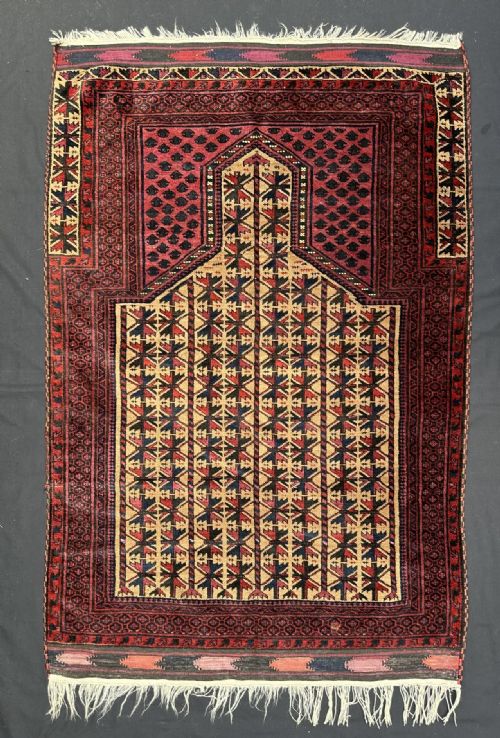
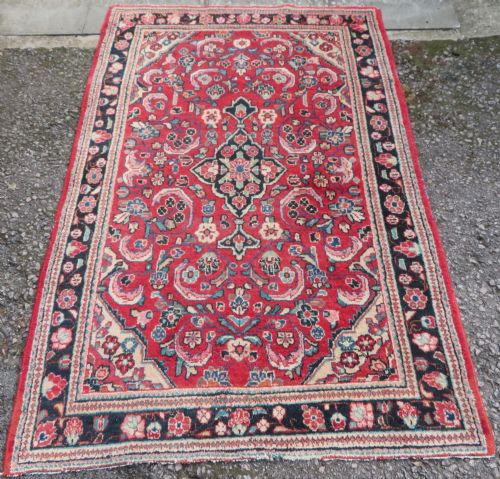
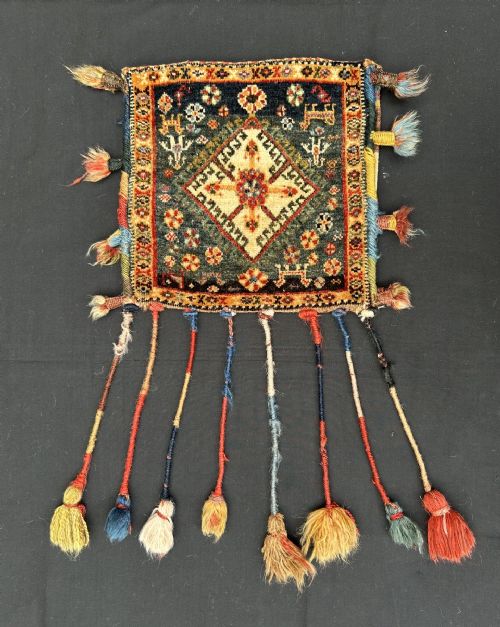
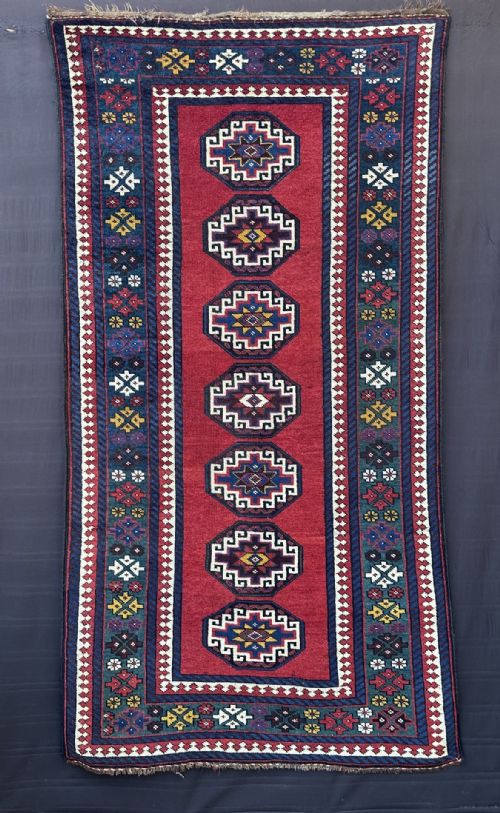

West Persian Wool Rug
A west persian wool rug brings the patterned warmth of nineteenth and early twentieth century weaving directly onto the floor.
West Persian Wool Rug
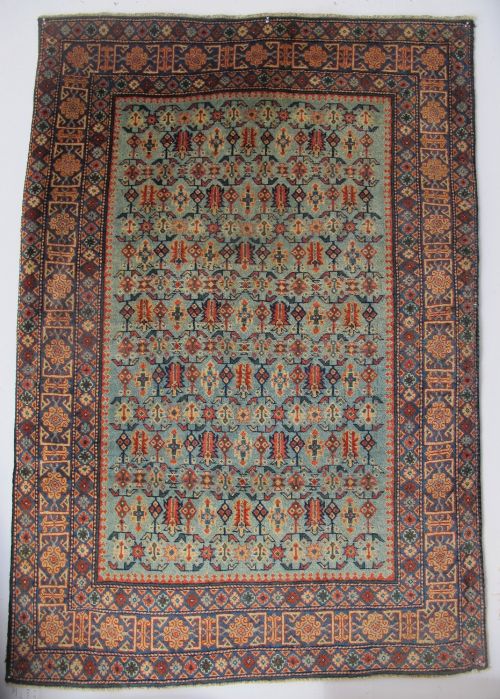
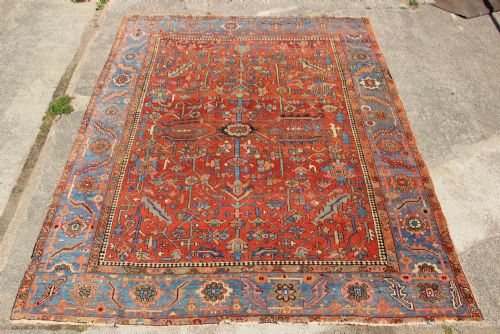
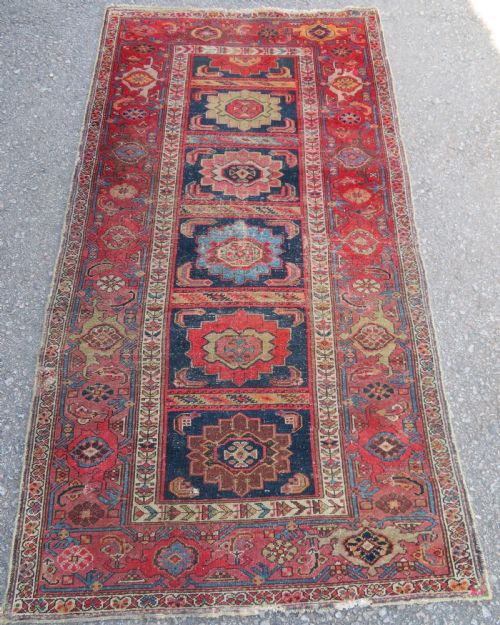
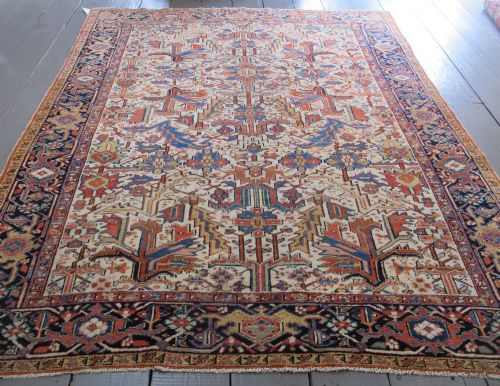
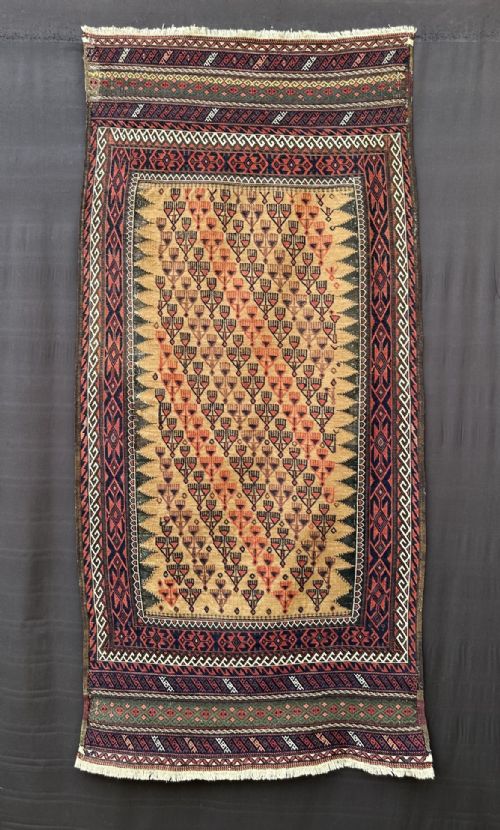
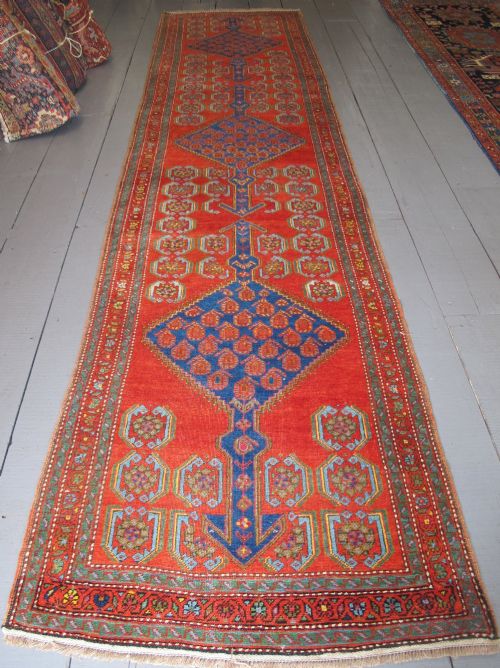
When searching for a west persian wool rug, buyers encounter a broad selection of floor coverings and flatweaves originating from regional villages, nomadic confederacies, and urban workshops. The selection on this page spans traditional formats including long runners, large carpets, and smaller tribal pieces dating from the late nineteenth century into the early twentieth century.
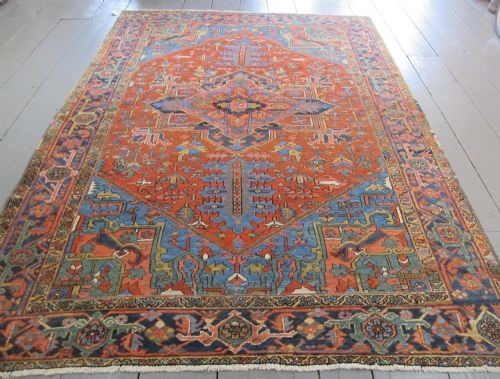
The regional variety encompasses specific weaving traditions such as Heriz, Bakshaish, Tabriz, Hamadan, and Kurdish or Qashqai works. These items reflect the diverse cultural identities and local sheep wool resources of western and north-western Persia.
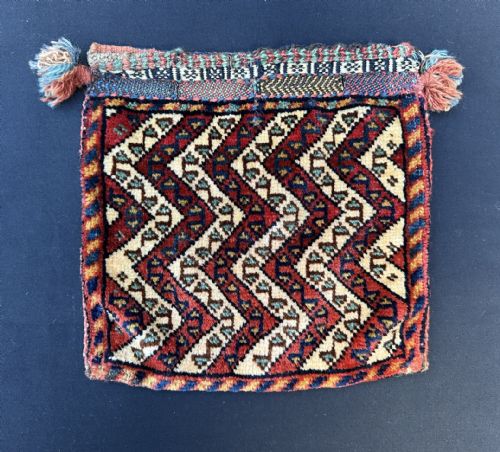
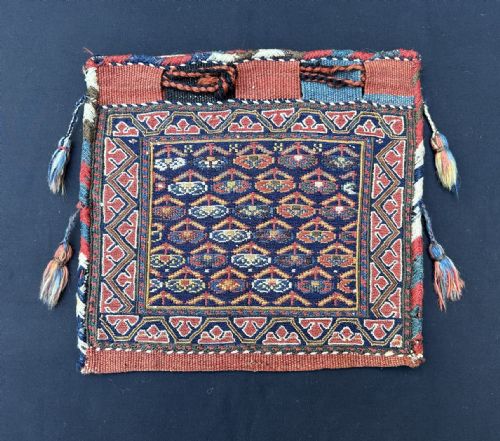
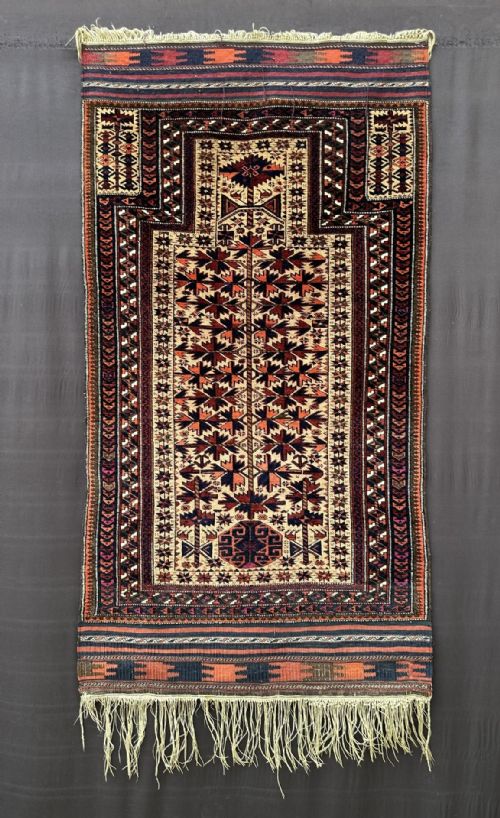
Buyers will find both room-sized carpets designed for formal settings and functional utility items like saddle-bags, prayer-rugs, and sofres. Each piece carries the distinct geometric or floral vocabulary of its specific provenance.
How They Were Made
These textiles rely primarily on hand-spun wool for the pile, combined with cotton foundations for warp and weft threads in many village and city pieces. Nomadic works additionally incorporate goat hair and leather elements for durability in functional utility items.
Dyeing relies heavily on natural dyes applied to local wool, producing the rich tonal variations seen across nineteenth-century and early twentieth-century examples. Artisans knotted the pile by hand onto vertical looms, executing intricate geometric and curvilinear designs handed down through generations.
Listings feature items from the 1870s through the 1930s, utilising wool, cotton, goat hair, and natural dyes.
What Varies in Quality
Quality differences stem from the fineness of the knotting and the preparation of the hand-spun wool, which dictates the handle and resilience of the pile. Finer urban workshops achieve tighter structural integrity, whereas rustic tribal pieces display a thicker, heavier build.
The complexity and execution of the design, along with the depth and clarity of the natural dyes, separate standard village production from master-woven examples. Patina and even wear reflect the history of the textile, though structural soundness of the wool and foundation remains paramount.
Benlian Tabriz·Ziegler Sultanabad
The West Persian Wool Rug Glossary
- Sofreh
- A flatwoven or pile-woven cloth used for dining or food preparation among nomadic and village communities. These textiles often feature striking minimalist geometry.
- Khorjin
- A traditional saddle-bag woven for transport and storage on animals. Surviving examples are frequently found as complete pairs or individual bag faces.
- Herati
- A repeating geometric floral pattern featuring a central rosette enclosed by curved leaves and fish-like motifs. It appears widely across Persian village and carpet weaving.
- Boteh
- An almond-shaped or pine-cone motif with a curved upper tip, heavily utilised in regional rugs. This ancient design symbolises life and eternity.
- Warp
- The stationary vertical threads stretched onto the loom that form the structural foundation of the textile. Fringe is typically a direct extension of these parallel cords.
West Persian Wool Rug: Frequently Asked Questions
How do I clean an antique rug?
Gentle surface brushing and professional dusting are recommended to preserve the natural wool pile and dyes. Avoid harsh chemical immersion or modern scrubbing methods that can weaken nineteenth-century foundations.
Regular rotation prevents uneven sun fading and heavy foot traffic wear. Professional conservators should handle any necessary washing or structural repairs.
Are these rugs suitable for daily use?
Hand-knotted wool textiles possess natural lanolin that resists everyday dirt and provides durable resilience under foot traffic. Many room-sized carpets and runners were built for functional household longevity.
Placing a suitable underlay beneath the textile prevents slipping and reduces friction against hard flooring. Lighter tribal bags and delicate prayer rugs function better in low-traffic settings or as wall hangings.
How do I identify regional styles?
Regional attribution relies on examining specific design motifs, colour palettes, and knotting structures. North-western works like Heriz often display bold geometric medallions, while southern nomadic pieces favour intricate indigo and red tones.
Border designs and structural materials such as cotton versus wool warps offer further clues to origin. Comparing pieces against documented village and tribal groups clarifies provenance.
What is natural dye patina?
Patina refers to the gradual softening of colours and gentle wool wear developed over decades of exposure and use. This mellowing process enhances the visual depth of natural dyes.
Uneven shading, known as abrash, often occurs naturally from batch variations in dye pots. Collectors prize this organic character as evidence of authentic age and handcraft.