


Blue White Porcelain Urn
A blue white porcelain urn combines cobalt pigment and ceramic form, offering centuries of global trade history for your interior.
Blue White Porcelain Urn
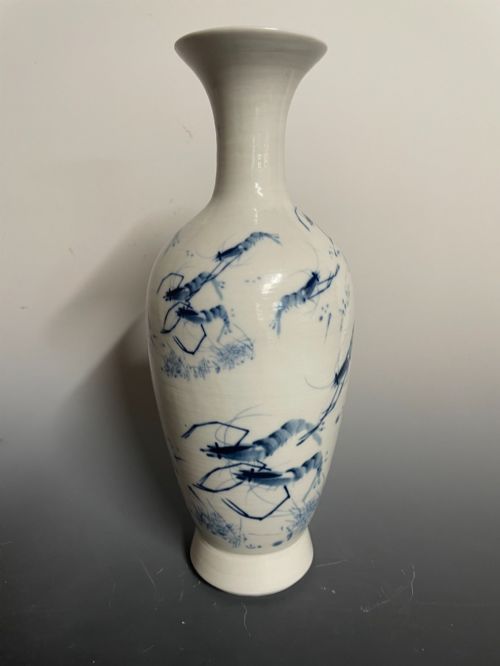
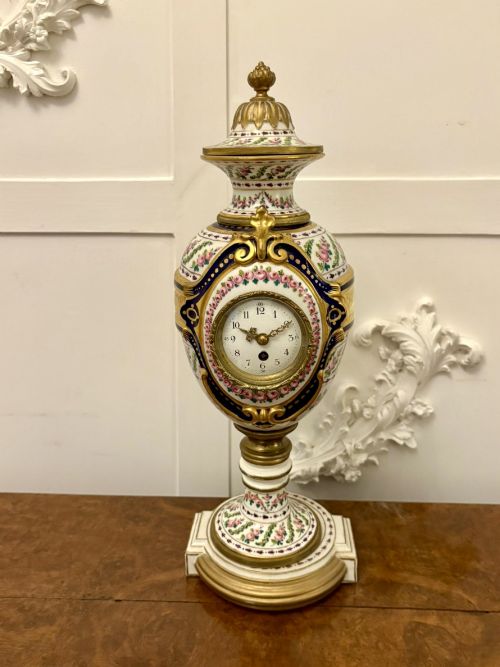
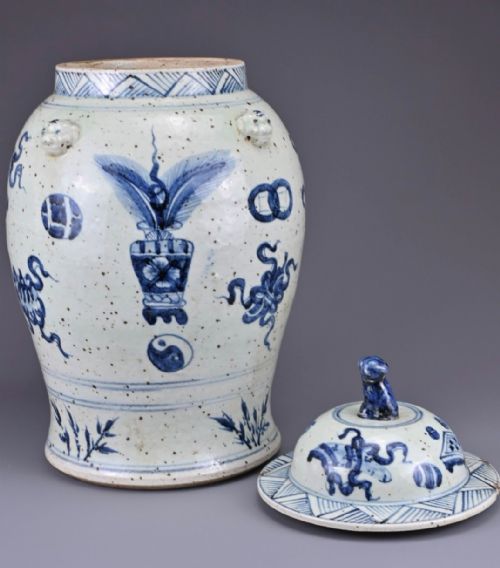
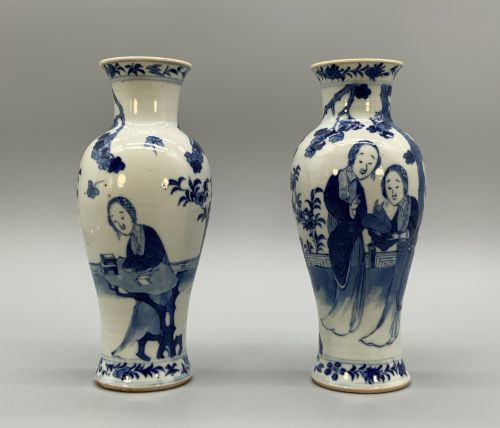
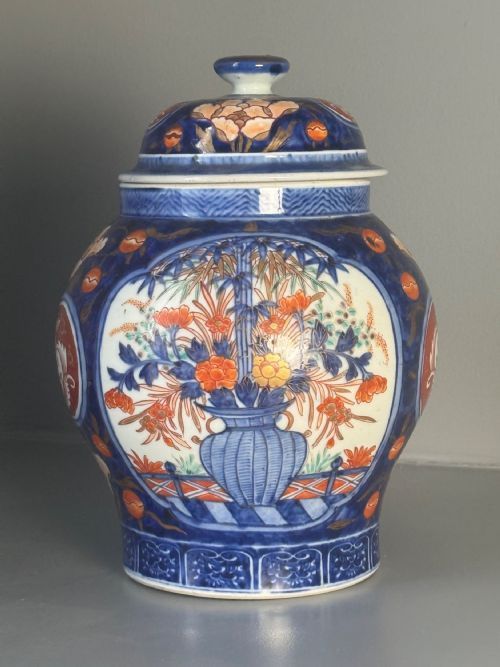
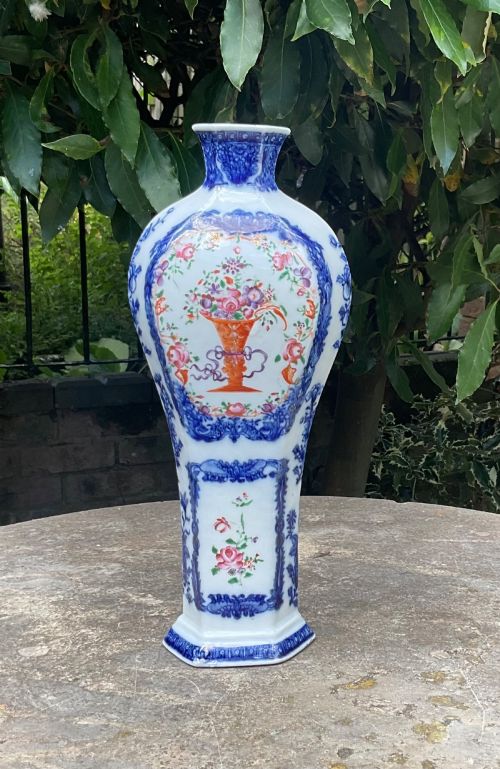
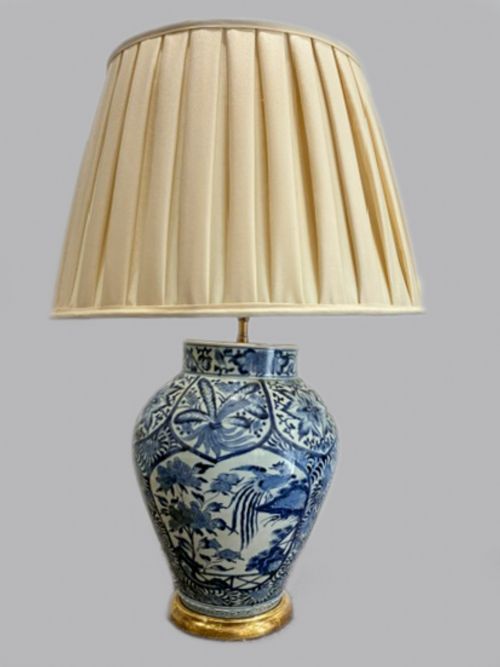
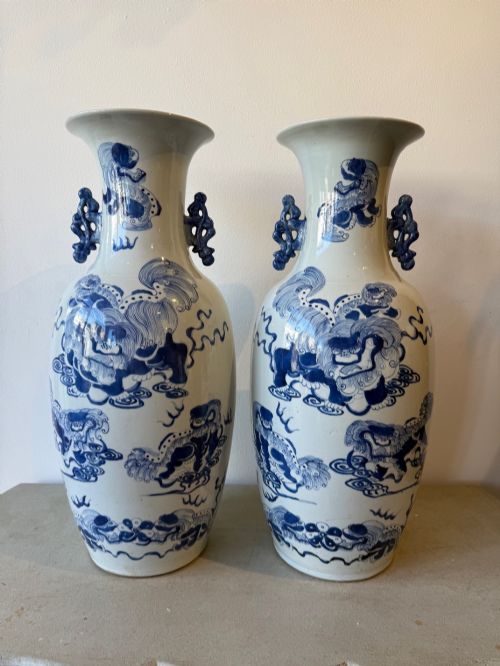
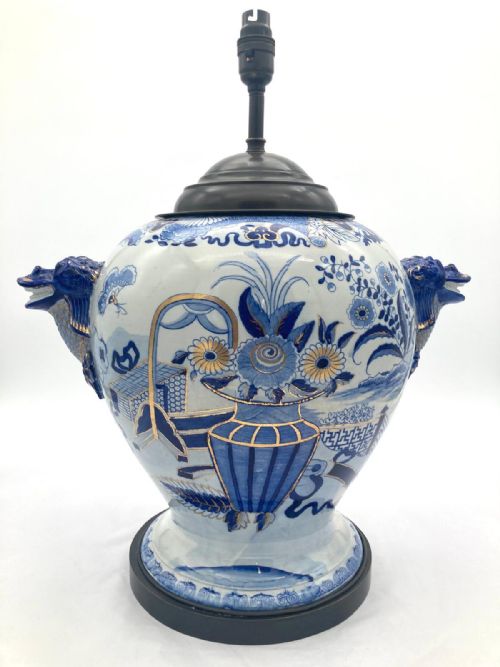
When you search for a blue white porcelain urn, you encounter vessels shaped for display, storage, or lighting, originating from Chinese kilns, European factories, and Japanese workshops. The selection on this page spans the seventeenth century to the early twentieth century, taking forms such as baluster vases, lidded ginger jars, campana urns, and converted table lamps.
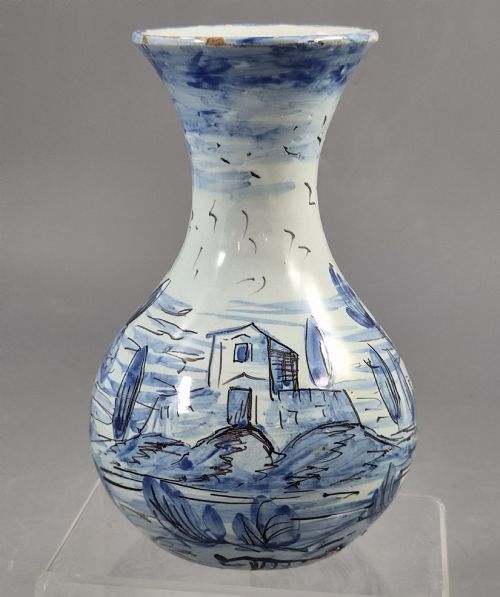
Chinese pieces dominate the aesthetic lineage, drawing on Qing Dynasty traditions and Kangxi period designs. Alongside these, you find English ironstone, Dutch Delftware, French faience, and Japanese export ceramics sharing the characteristic cobalt palette on a white ceramic ground.
How they were made
Potters shaped clay bodies from porcelain, earthenware, or ironstone, applying cobalt glaze before high-temperature firing to achieve the characteristic blue and white decoration. Some pieces incorporate enamel, gold leaf, or brass mounts, while others feature hand-painted figural scenes, floral motifs, or moulded bas-reliefs.
Techniques varied by region, from the fine potting of Chinese export porcelain to the tin-glazed earthenware of Delft and the ironstone bodies produced by English potteries.
Listings feature porcelain, earthenware, and ironstone forms decorated with cobalt glaze.
What varies in quality
The standard of a piece rests upon the crispness of the cobalt painting, the purity of the white glaze, and the symmetry of the ceramic form. Finer examples display confident brushwork in the detailing of birds, flowers, and figures, whereas standard production pieces show simpler or more repetitive patterns.
The weight of the potting, the presence of maker marks, and the integrity of any applied brass or gilt bases further distinguish ordinary production from exceptional workshop output.
Cantagalli·Hicks and Meigh·Makuzu Kozan·Masons·Samson of Paris·Spode·Wedgwood
The Blue White Porcelain Urn Glossary
- Baluster
- A vase form with a rounded body that tapers toward the base and swells near the lower middle. This silhouette appears frequently in Chinese porcelain jars.
- Campana
- A classical urn shape resembling an inverted bell with an everted rim and a footed base. This form is typical of nineteenth-century European decorative pieces.
- Cobalt
- A metallic oxide pigment used under the glaze to produce deep blue decoration on white ceramic. It withstands high firing temperatures without losing its colour.
- Imari
- A Japanese export porcelain style decorated in underglaze blue and iron red, often highlighted with gold. These wares were widely imitated in Europe.
- Kangxi
- A period of the Qing Dynasty associated with fine blue and white porcelain production. Later wares often referenced these earlier designs.
Blue White Porcelain Urn: Frequently Asked Questions
How do I spot a reproduction?
Examine the weight, the base, and the depth of the blue underglaze decoration. Modern copies often feel lighter and lack the subtle variations of hand-applied cobalt.
Look closely at the foot rim for signs of age, such as kiln grit and natural wear, which distinguish older ceramics from modern factory output.
Were these urns used for flowers?
Many of these vessels served as decorative garnitures, ginger jars, or pot pourri containers rather than utility flower holders. Their lids and small necks often precluded practical floral arrangements.
Over time, some larger jars and vases were adapted as lamp bases, altering their original display function while preserving the ceramic body.
How do I clean blue white porcelain?
Dust the surface gently with a soft, dry cloth to remove everyday particles. Avoid harsh chemical cleaners or abrasive scourers that can damage the glaze.
If the piece requires washing, use lukewarm water and mild soap, ensuring you dry it thoroughly with a lint-free towel afterwards.
Can I use a converted lamp safely?
Have a qualified electrician inspect the wiring and fittings on any antique lamp before plugging it in. Older conversions may use dated components that do not meet current safety standards.
Ensure the weight of the ceramic base adequately supports any handmade shade to prevent the lamp from tipping over during everyday use.