


Blue White Ceramic Lid
These pieces of blue white ceramic lid history span centuries of kiln craft, offering collectors functional covers and vessels from English, European, and Asian traditions.
Blue White Ceramic Lid
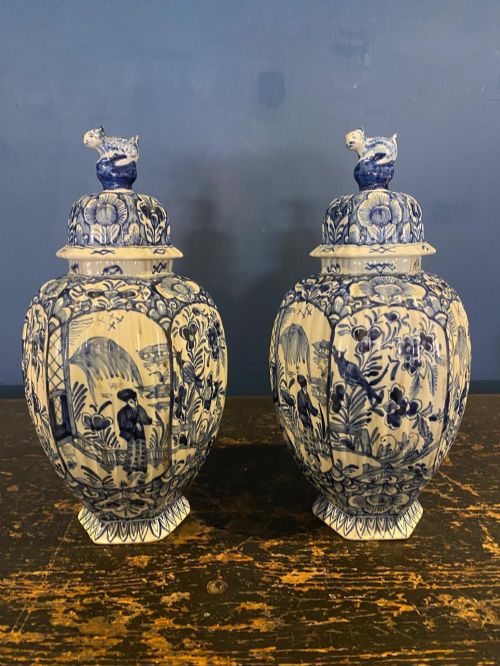
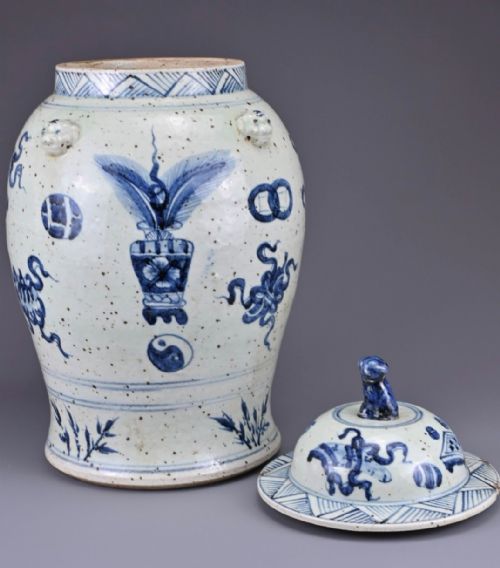
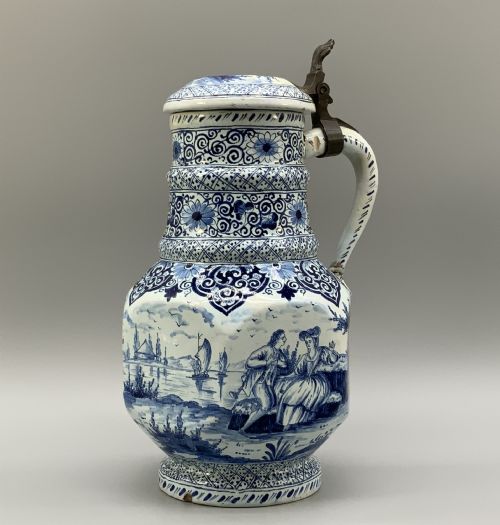
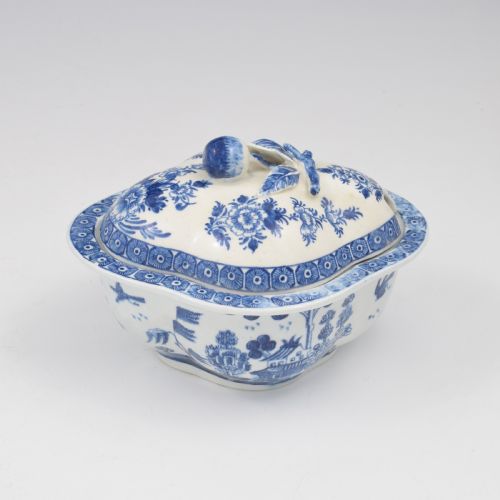
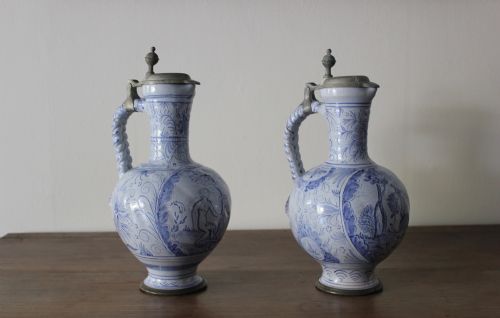
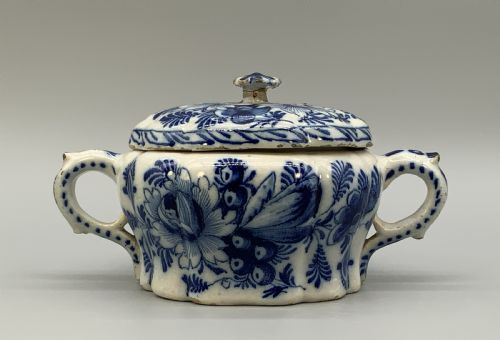
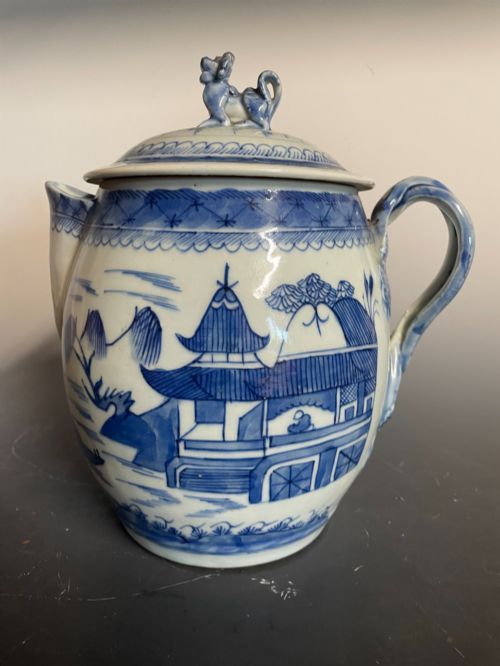
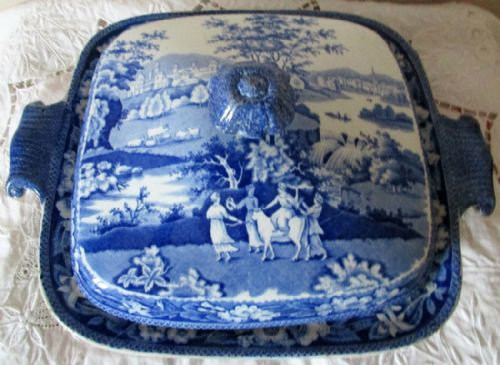
A blue white ceramic lid covers utilitarian vessels, tureens, tea canisters, posset pots, and ginger jars across global ceramic traditions. Buyers encounter everything from seventeenth-century English delftware and Dutch pottery to eighteenth-century Worcester porcelain and nineteenth-century Chinese export porcelain.
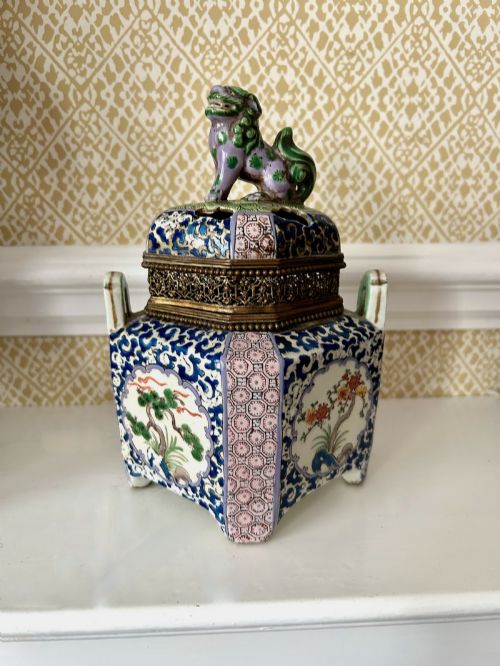
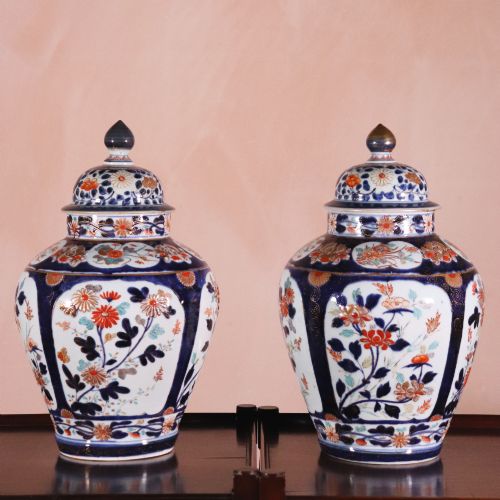
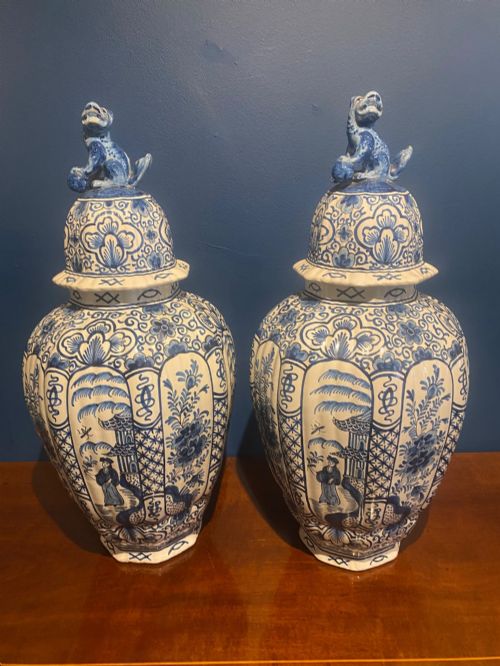
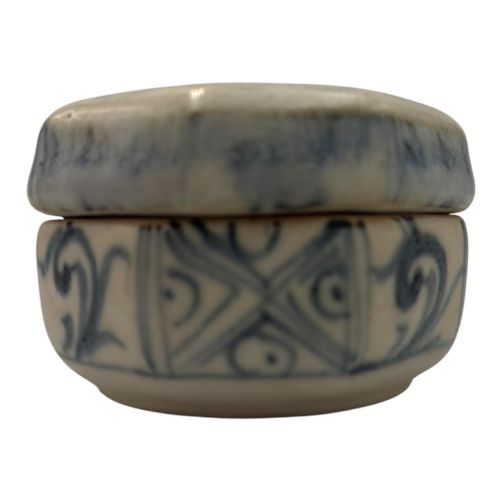
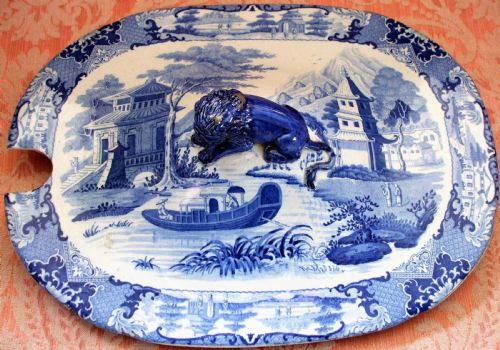
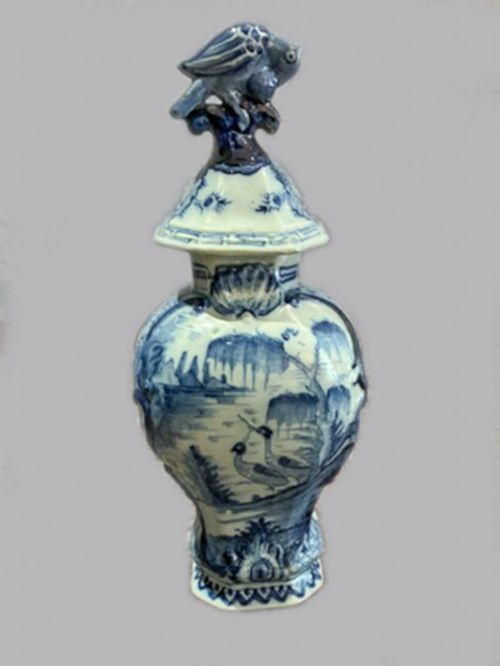
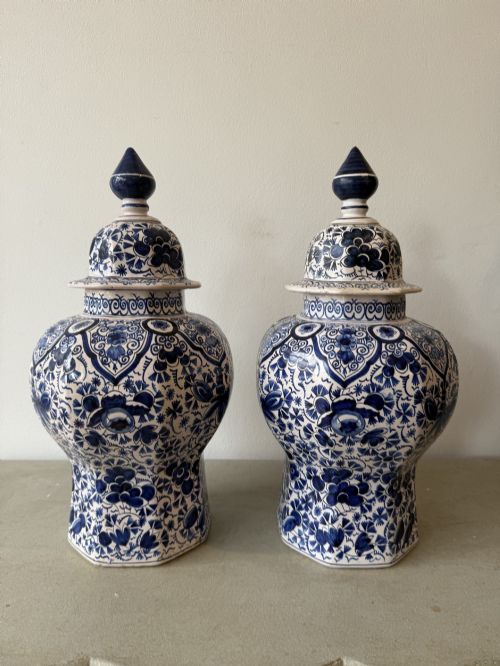
The selections on this page range from early Vietnamese covered boxes and Japanese Arita wares to large French faience urns and Mason's ironstone pieces. Forms vary from simple utilitarian jar covers to elaborate sauce tureen lids with intricate finials.
Many examples originate from domestic dining sets, while others belong to decorative ginger jars and pot pourri containers. Each ceramic lid matches a specific vessel body, often displaying cobalt pigment under clear glaze.
Materials and Techniques
Potters shaped these objects from earthenware, ironstone, and porcelain before applying mineral cobalt pigment to create the classic cobalt blue decoration. Artisans then coated the pieces in transparent glaze, tin glaze, or enamel before firing them in kilns.
Transfer printing technology emerged in the nineteenth century, allowing factories to apply complex scenic patterns like the Canton River or Europa motifs onto pottery surfaces. Earlier pieces relied entirely on hand-painted brushwork executed directly onto the raw clay or tin glaze.
Blue White Ceramic Lid Retail Price Guide 2026
Typical asking prices for blue white ceramic lid among the pieces listed under this phrase on Sellingantiques today, from the lower quarter to the upper quarter. They describe what is for sale here now, not the wider market.
Some seventeenth-century posset pots required specialised lidded designs so drinkers could sip spiced wine without swallowing floating bread chunks.
Quality Variations
The finesse of the cobalt painting determines much of the visual success, separating hurried workshop output from precise, confident brushwork. Crispness in transfer-printed outlines and smooth integration between the lid and the vessel collar reveal superior manufacturing standards.
Material choice also dictates grade, with high-fire translucent porcelain commanding different technical respect than porous earthenware or tin-glazed pottery. Preservation of the original glaze sheen and the absence of clumsy modern restoration separate museum-grade survivals from lesser examples.
Robert Hamilton·John and Richard Riley·Ridgways·Samson of Paris
The Blue White Ceramic Lid Glossary
- Tin-Glaze
- An opaque white enamel glaze containing tin oxide, providing a smooth surface for painting on earthenware bodies.
- Transfer Print
- A decoration method where an engraved copper plate transfers a printed design onto ceramic surfaces via tissue paper.
- Posset Pot
- A historical lidded vessel used for serving a hot spiced milk and wine drink during seventeenth-century social gatherings.
- Sucrier
- A small covered sugar bowl designed for tea service use during the Georgian and Regency periods.
- Ginger Jar
- A high-shouldered storage vessel with a fitted lid, originally made in China for spices and later adopted by European potteries.
Blue White Ceramic Lid: Frequently Asked Questions
What were blue white ceramic lids used for?
These lids protected the contents of storage jars, ginger pots, and sugar boxes from moisture and dust in domestic settings.
Larger versions also kept soups, sauces, and posset drinks warm at dining tables during formal meals.
How do I care for antique ceramic lids?
Clean these delicate pieces gently by hand using warm water and mild soap, avoiding abrasive scrubbers that harm old glazes.
Display them away from direct sunlight and sudden temperature shifts to protect the underlying ceramic body.
Why do some lids not fit their vessels perfectly?
Handmade ceramics warped slightly during high-temperature kiln firings, meaning individual lids settled into unique shapes unique to their specific firing batch.
Many surviving pieces are also married replacements gathered together by collectors over centuries rather than factory-original pairs.