





Antique Soup Tureen Lid
An antique soup tureen lid completes a table setting, protecting broth or sauce while adding period elegance to a dining room.
Antique Soup Tureen Lid
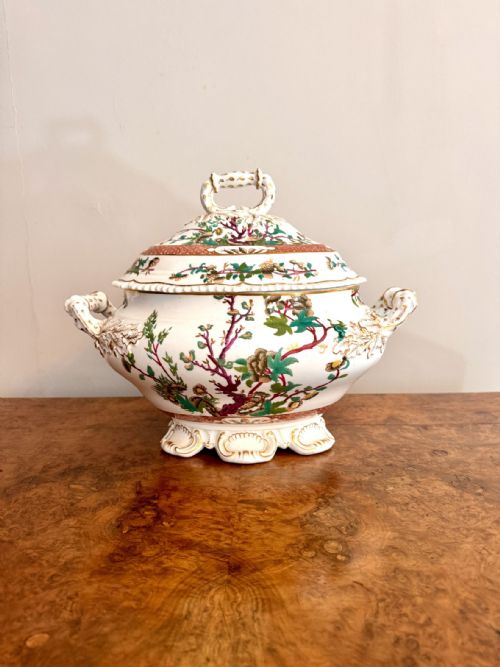
An antique soup tureen lid forms the upper cover for a serving vessel, designed to retain heat for broth, sauce, or punch at the dining table. When searching for an antique soup tureen lid, buyers encounter ceramic, porcelain, ironstone, and silver pieces originating from the eighteenth and nineteenth centuries.
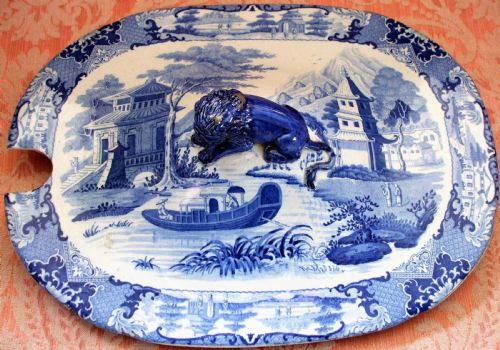
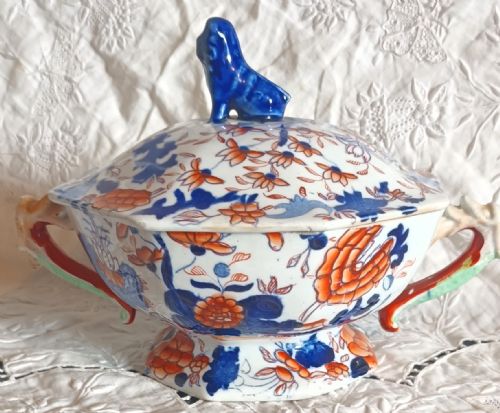
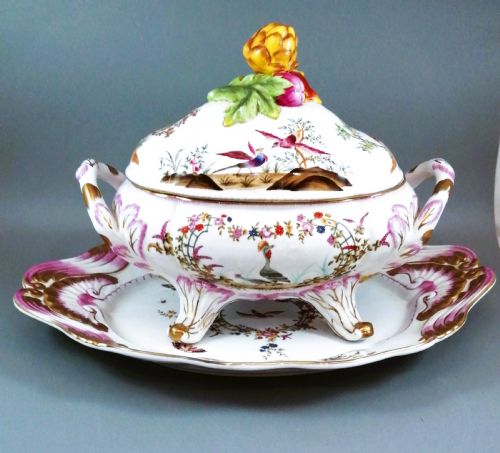
The inventory on this page ranges from Georgian earthenware and Mason's ironstone to continental porcelain and silver-plated examples. These covers often feature decorative handles, transfer-printed scenes, or crested heraldry matching the bowls they once accompanied.
Most specimens date from the nineteenth century, reflecting the formal dining habits of the Victorian and Georgian eras. Buyers find individual covers as well as complete tureens retaining their original lids.
Materials and construction
Potters shaped earthenware, ironstone, and porcelain using traditional moulds before applying hand-painted or transfer-printed decoration such as the Canton River Scene or Chinoiserie Mandarin patterns. Glaze finishes provided durability and lustre to the ceramic bodies.
Metal covers utilised sterling silver, Old Sheffield plate, or silver plating over base metals, shaped by hammering and soldering. Makers incorporated cast handles and applied borders to achieve decorative distinction.
Antique Soup Tureen Lid Retail Price Guide 2026
Typical asking prices for soup tureen lid among the pieces listed under this phrase on Sellingantiques today, from the lower quarter to the upper quarter. They describe what is for sale here now, not the wider market.
One glass punch bowl masquerades as a giant pumpkin for Halloween.
Assessing quality
Quality rests in the crispness of the moulded detail, whether floral finials on ceramics or cast scrollwork on metal covers. Hand-painted enamels and intricate transfer printing show greater skill than plain utility wares.
The integrity of the material defines the grade, from fine translucent porcelain and heavy Mason's ironstone to substantial silver plate. Well-preserved gilding and intact handles elevate a piece within its period.
Robert Hamilton·Mason's Ironstone·William Grundy·Derby·Daniel and Arter·Richard Ginori·Ridgways
The Antique Soup Tureen Lid Glossary
- Ironstone
- A patented ceramic body known for its strength and heavy weight. It was widely used in the nineteenth century for durable tableware.
- Transfer print
- A decoration technique where an engraved copper plate transfers a design onto paper and then onto pottery. This allowed intricate scenes to be reproduced consistently.
- Old Sheffield plate
- A material made by fusing a thin sheet of silver to a copper base. It was superseded by electroplating in the nineteenth century.
- Finial
- The decorative knob or handle on top of a lid. It often takes the form of a floral bud, fruit, or animal shape.
Antique Soup Tureen Lid: Frequently Asked Questions
Can I use an antique lid on a modern bowl?
Dimensions vary significantly across nineteenth-century and eighteenth-century ceramics, making exact matches with modern tableware unlikely. Hand-thrown and moulded pieces possess unique tolerances.
Measuring both the inner rim of the lid and the outer diameter of your vessel helps determine compatibility before purchase.
How do I clean an antique ceramic lid?
Wash ceramic and ironstone covers gently in warm water using a mild, non-abrasive detergent. Avoid soaking pieces with old repairs or vulnerable overglaze enamels.
Dry them thoroughly with a soft cloth to protect the glaze and any remaining gilt highlights from moisture damage.
What causes crazing on these lids?
Crazing appears as a fine network of cracks in the glaze, caused by the underlying ceramic body and the outer glass expanding at different rates over time. Exposure to historical heat cycles contributes to this effect.
It remains a common characteristic of antique earthenware and ironstone rather than a structural fault.
How should I display a loose lid?
Displaying a lid independently works well on a plate stand, dresser shelf, or mantelpiece where the decorative transfer print or finial remains visible. Ensure the support holds the weight securely.
Keeping the piece away from direct sunlight protects hand-painted enamels and gold leaf from fading over the years.