

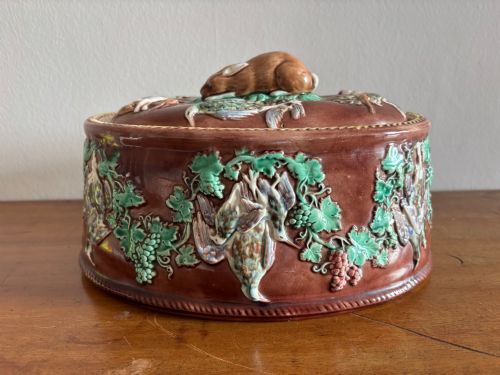
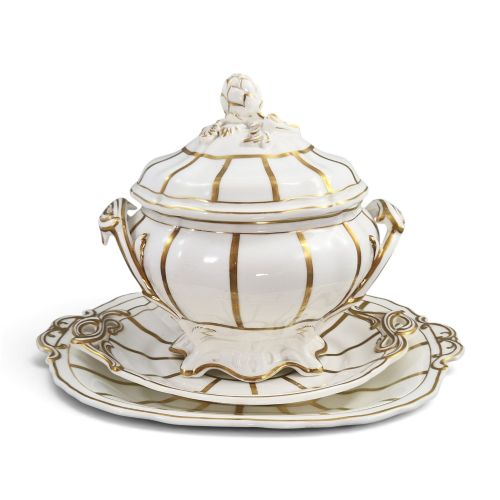
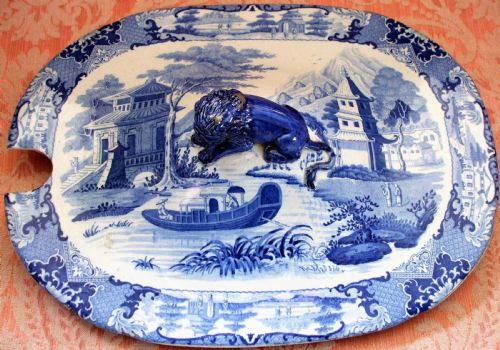
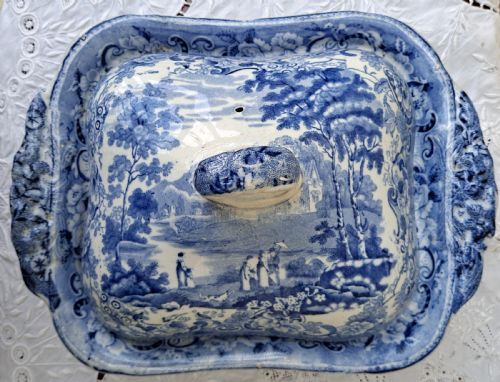


Antique Ceramic Tureen Cover
These surviving lids turn scattered service fragments into complete historical statements, bringing character to any dining arrangement through traditional craftsmanship.
Antique Ceramic Tureen Cover
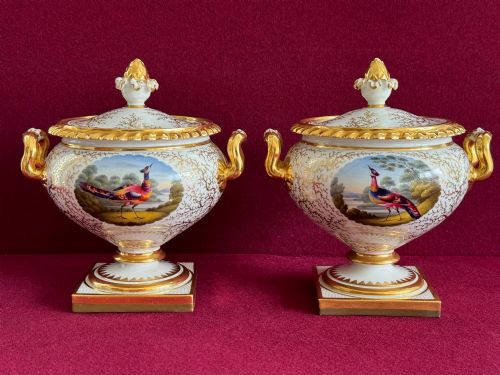
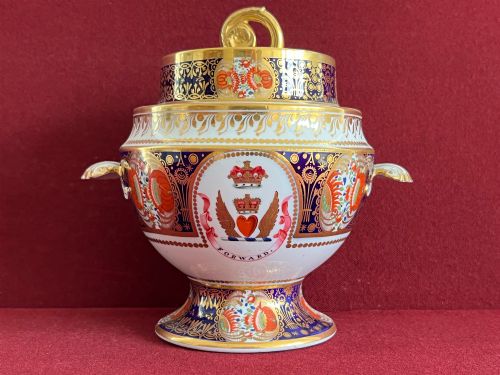
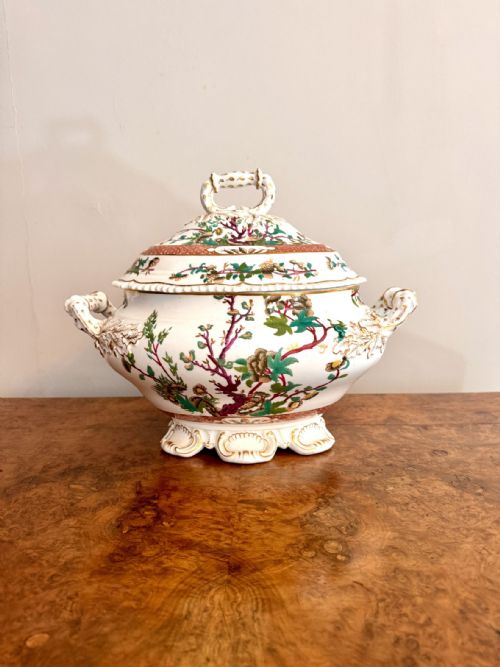
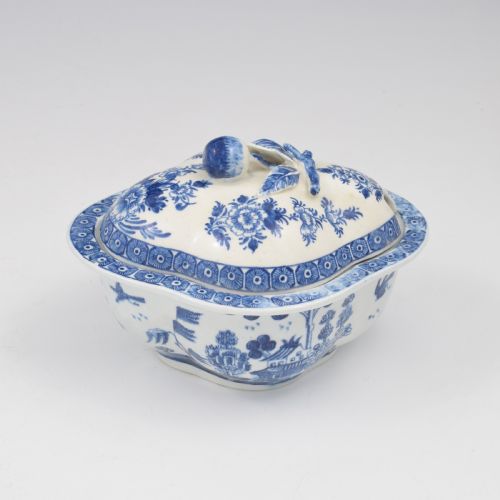
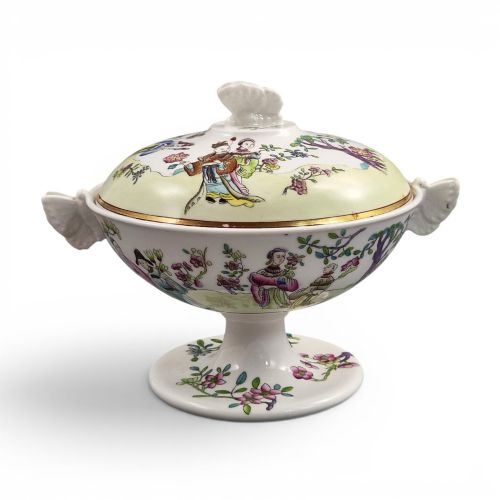
An antique ceramic tureen cover represents the surviving upper portion of a soup, sauce, or vegetable vessel, designed to retain heat and presentation at grand dining tables. These ceramic components appear across Georgian, Regency, and Victorian periods, reflecting shifting domestic habits and formal dining customs.
The pieces present on this page originate from English earthenware potteries, European porcelain factories, and Chinese export kilns. Buyers commonly encounter transfer-printed earthenware and ironstone bodies alongside refined bone china and porcelain examples.
Materials and production methods
Potters shaped these items using earthenware, ironstone, bone china, and porcelain bodies, often finished with glaze and enamel paints. Ironstone provided a durable, heavy alternative to traditional pottery, while porcelain and bone china allowed for delicate forms and translucent walls.
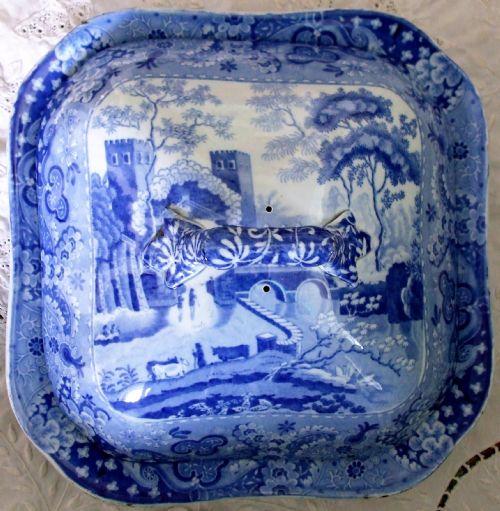
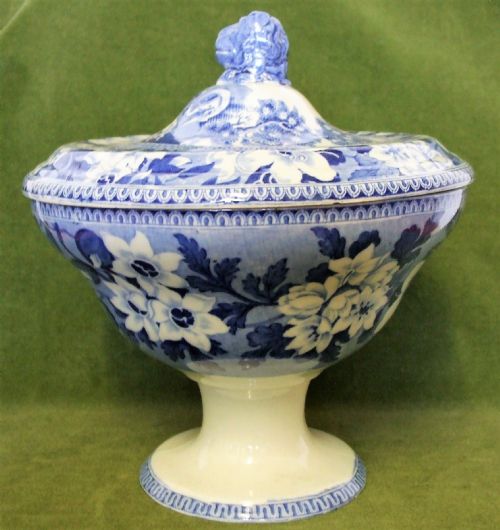
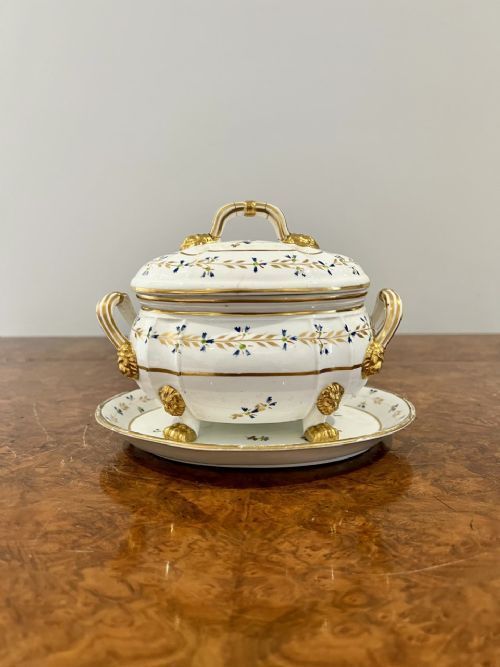
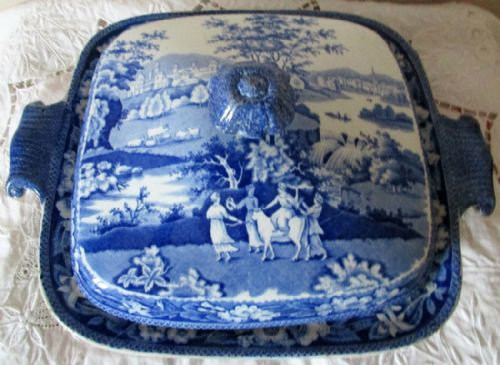
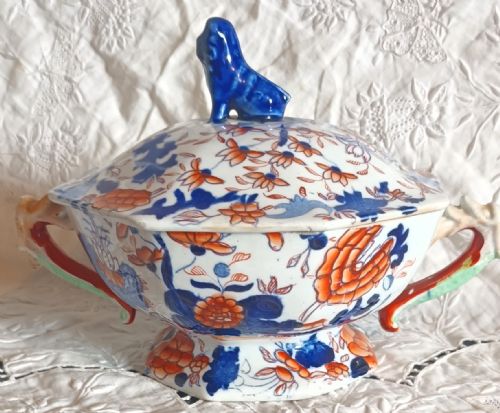
Decoration relied on underglaze blue and white transfer printing, hand-applied polychrome enamels, and gilt highlights or gold leaf accents. Factories such as Mason's and Wedgwood utilised specialised moulds and transfer techniques to achieve intricate Chinoiserie and botanical patterns.
Antique Ceramic Tureen Cover Retail Price Guide 2026
Typical asking prices for ceramic tureen cover among the pieces listed under this phrase on Sellingantiques today, from the lower quarter to the upper quarter. They describe what is for sale here now, not the wider market.
Listings feature 18th-century, Regency, and Victorian periods, utilising earthenware, ironstone, and porcelain across servingware forms.
Assessing quality and craftsmanship
Quality rests upon the crispness of the transfer print or the precision of the hand-painted enamel work across the surface. Finer items exhibit balanced proportions, well-defined moulded handles, and securely fitted lids that align naturally with the base.
The choice of body material also dictates standard; ironstone pieces demonstrate industrial strength, whereas early porcelain and bone china examples showcase refined translucency and careful potting.
Davenport Bone China·Wedgwood·Derby Porcelain·Swansea·Spode·Robert Hamilton·James Wallace and Co·Mason's Ironstone·J and R Clews·John Rogers and Son·John and Richard Riley·Coalport·Crown Derby·Mintons·Flight Barr and Barr·Müller Volkstedt·Doulton Burslem·Richard Ginori
The Antique Ceramic Tureen Cover Glossary
- Ironstone
- A patented heavy earthenware developed to resist chipping while mimicking porcelain. It provides a robust body suited to utilitarian and decorative tableware alike.
- Transfer printing
- A method of applying detailed designs to pottery using a copperplate engraved image transferred via tissue paper. This technique allowed factories to produce uniform blue and white scenes efficiently.
- Bone china
- A porcelain variation incorporating animal bone ash into the paste. This composition creates a strong, bright white body capable of supporting thin, elegant forms.
- Chinoiserie
- A European artistic style reflecting Chinese aesthetic motifs. It appears frequently on early nineteenth-century earthenware and ironstone vessels.
- Caneware
- A fine stoneware body coloured to resemble bamboo or pale buff clay. It gained popularity during the Georgian period for game pie dishes and tablewares.
Antique Ceramic Tureen Cover: Frequently Asked Questions
What is an antique ceramic tureen cover used for?
These ceramic lids served to keep soups, sauces, and vegetables warm at the dining table before individual plating became standard.
Today, surviving covers function as decorative standalone display pieces or serve to complete mismatched historical table settings.
How can I tell a Georgian tureen cover from a Victorian one?
Georgian examples often display hand-painted floral motifs, pearlware bodies, or early blue and white transfer prints with scenic Chinese or European views.
Victorian pieces frequently utilise heavier ironstone bodies, richer Imari palettes, or robust moulded details like butterfly and animal handles.
What materials are these lidded vessels made from?
Production encompasses earthenware, pearlware, ironstone, bone china, and porcelain across various regional European and Asian kilns.
Surfaces are commonly finished with clear lead glazes, polychrome enamels, and occasional gold leaf or gilt highlights.
How do I care for antique ceramic covers at home?
Handle the pieces gently and avoid exposure to sudden temperature shifts to protect the underlying ceramic body and historical glaze.
Wash them by hand using warm water and mild soap when necessary, keeping them away from modern dishwashers.