

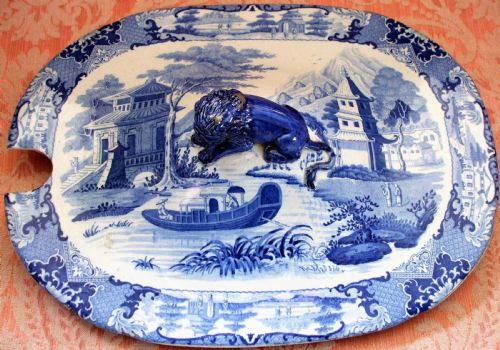
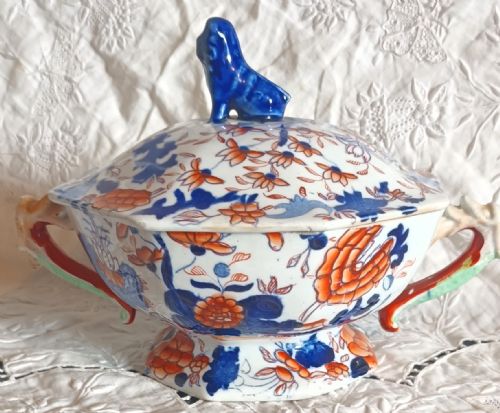


Georgian Soup Tureen Lid
A georgian soup tureen lid brings the refined domestic service of the eighteenth and early nineteenth centuries directly to the table.
Georgian Soup Tureen Lid
When searching for a georgian soup tureen lid, collectors encounter covers belonging to formal ceramic, earthenware, and silver service vessels from the Georgian and Regency periods. These pieces frequently originate from Staffordshire potteries and prominent makers, showcasing transfer printing, enamel decoration, and classic forms.
The versions most commonly met on this page range from robust ironstone and soft-paste porcelain covers to delicate earthenware and plated metal covers. They reflect the dining habits of the period, where soups and sauces formed a central part of the meal and required proper containment.
Materials and construction
Makers fashioned these covers from ironstone, earthenware, soft-paste porcelain, and Old Sheffield plate, utilising kiln firing and hand-applied glazes. Blue and white transfer printing, such as the Canton River Scene, and green Mandarin enamel patterns added vibrant surface decoration to the ceramic pieces.
Silver and plated examples required skilled metalworking, soldering, and engraving to display family crests and decorative finials. Each material dictated the specific weight, finish, and handling characteristics of the final cover.
Georgian Soup Tureen Lid Retail Price Guide 2026
Typical asking prices for georgian soup tureen lid among the pieces listed under this phrase on Sellingantiques today, from the lower quarter to the upper quarter. They describe what is for sale here now, not the wider market.
Judging quality in early covers
Quality rests upon the crispness of the moulded form, the depth of the glaze, and the precision of the transfer print or hand-painted enamel. Superior ironstone and porcelain examples maintain sharp decorative lines and clean potting without distortion from the kiln.
Metal covers achieve distinction through the fineness of the chased crests and the integrity of the silver or Old Sheffield plate surface. The harmony between the cover and its original vessel dictates the overall desirability for advanced collections.
Robert Hamilton·Mason·William Grundy·Derby
The Georgian Soup Tureen Lid Glossary
- Ironstone
- A dense, durable type of earthenware patented in the nineteenth century to imitate Chinese porcelain. It provided a robust body suitable for heavy daily dining use.
- Soft-paste porcelain
- A ceramic composition fired at lower temperatures than hard-paste porcelain, producing a warm glaze and creamy body. Eighteenth-century factories utilised this material for fine decorative tablewares.
- Old Sheffield plate
- A composite material formed by fusing a thin sheet of silver to a thicker copper base. Makers utilised this technique to produce luxury tableware with the appearance of solid silver.
- Transfer printing
- A decoration technique where an engraved copper plate transfers a design onto paper, which is then stamped onto the ceramic body. This process allowed intricate scenes like Canton River to be reproduced consistently.
Georgian Soup Tureen Lid: Frequently Asked Questions
What periods do these tureen covers date from?
The pieces span the eighteenth and nineteenth centuries, encompassing the Georgian, George III, and Regency eras. Makers produced them during a time of great expansion in British ceramic and metal manufacturing.
Listings frequently specify dates around the seventeen-seventies up to the eighteen-thirties, reflecting the changing tastes in dining room presentation across these decades.
How were these lids used originally?
These lids served to keep soups, sauces, and gravies warm during formal dining service in large households. They fitted securely atop matching tureens placed centrally on the dining table.
Servants lifted them during the meal to serve guests, making them an essential functional component of grand table arrangements.
What materials are most common?
Ironstone and earthenware dominate the ceramic examples, often decorated with blue and white transfer printing or coloured enamel patterns. Soft-paste porcelain also appears in earlier pieces from notable factories.
Metal examples utilise sterling silver and Old Sheffield plate, occasionally featuring engraved family crests and decorative handles.
Can I match a lid to a base?
Matching a loose cover to an existing tureen base requires careful attention to dimensions, potting style, and clay or metal composition. Because manufacturing tolerances varied in historical potteries, exact fits are uncommon.
Collectors generally appreciate these covers either as standalone decorative objects or as replacements where dimensions closely align with an orphaned base.