



Blue Watercolour Landscape Painting
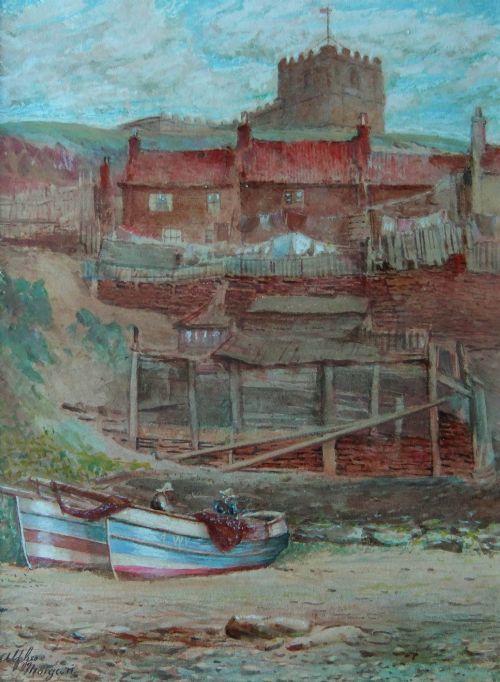
A blue watercolour landscape painting captures atmospheric coastal scenes and quiet rural vistas through delicate washes of pigment on paper.
Blue Watercolour Landscape Painting
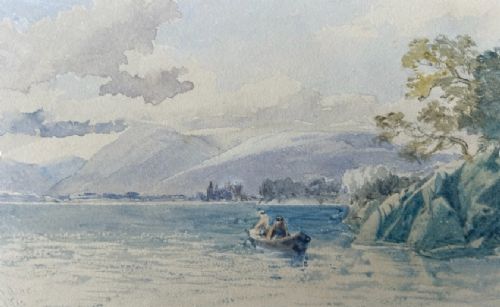
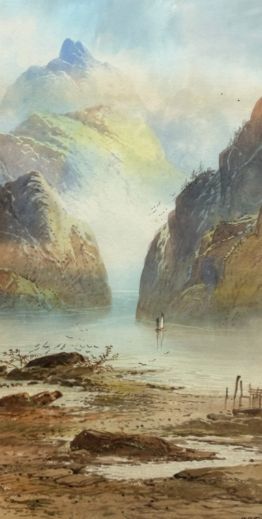
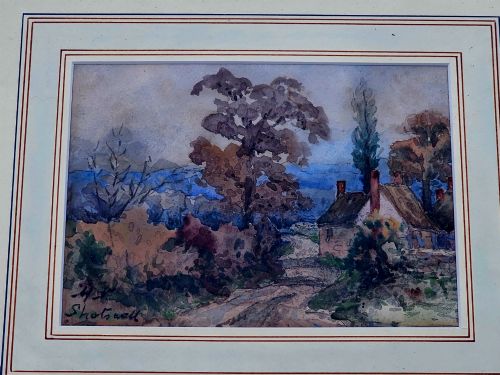
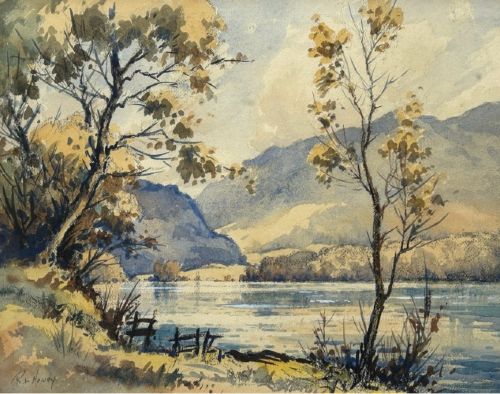
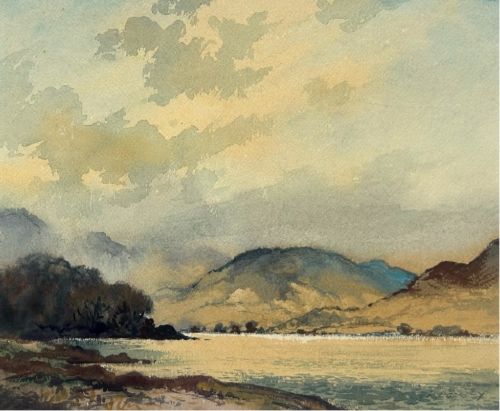
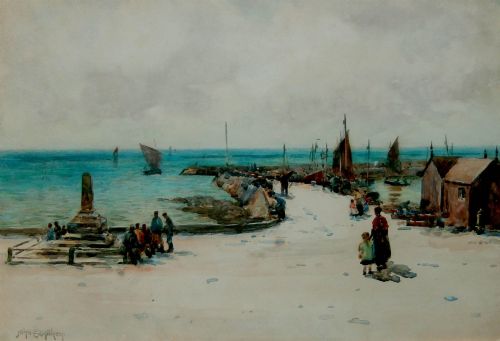
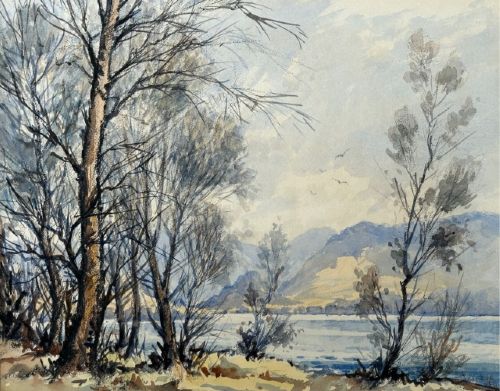
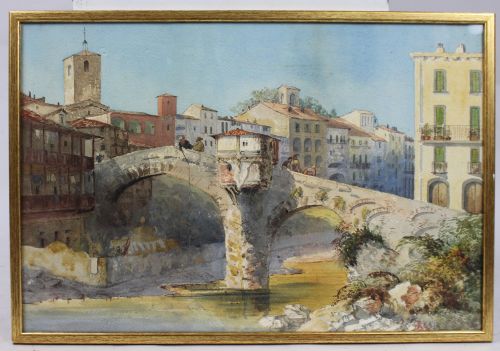
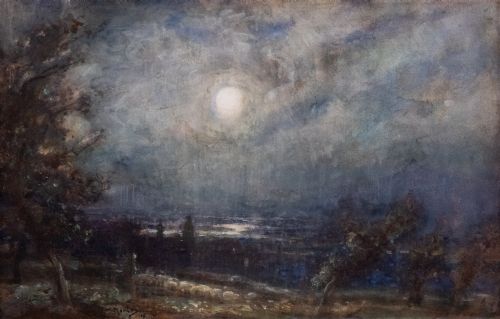
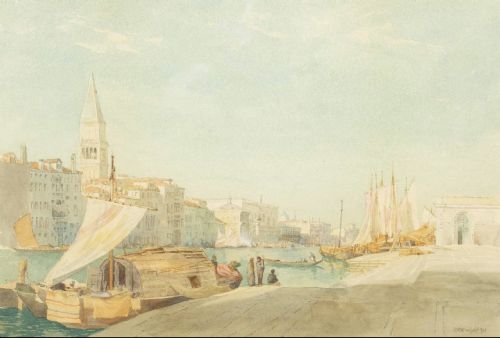
A blue watercolour landscape painting centres on maritime views, river valleys and mountainous terrain executed in shades of blue. The pieces appearing here span the nineteenth century through the mid twentieth century, encompassing Victorian maritime art and early British impressionism.
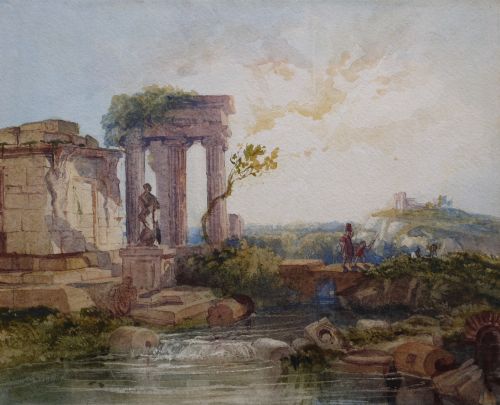
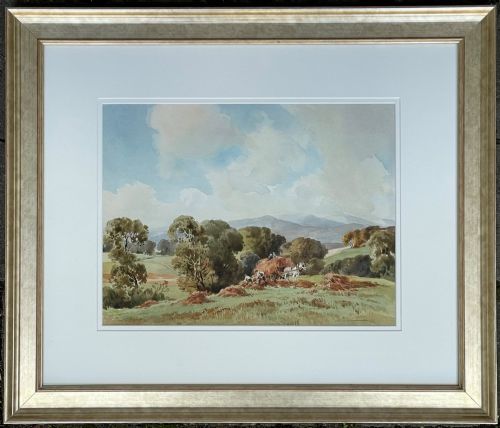
Buyers encounter framed works depicting Scottish lochs, Cornish harbours and Venetian canals alongside pastoral scenes. Traditional British compositions predominate, often signed by the artist and mounted behind glass in wood frames.
Materials and technique
Artists applied watercolour pigment and ink onto paper supports, occasionally combining gouache for opaque highlights. The fluid nature of water-based paint allowed creators to build transparent washes that capture coastal light and atmospheric skies.
Surviving works are typically preserved behind protective glass within timber frames, safeguarding the paper substrate from environmental degradation.
Blue Watercolour Landscape Painting Retail Price Guide 2026
Typical asking prices for blue watercolour landscape painting among the pieces listed under this phrase on Sellingantiques today, from the lower quarter to the upper quarter. They describe what is for sale here now, not the wider market.
Artists sometimes braved freezing weather to capture winter snow across Yorkshire dales.
Factors determining quality
Quality rests upon the artist's handling of pigment density and the successful capture of light and atmosphere across the paper. The precision of brushwork in intricate details such as rigging on fishing boats or architectural elements distinguishes accomplished works from simpler sketches.
The integrity of the paper and the vibrancy of the remaining watercolour pigment influence the visual impact of the landscape. Contextual provenance, including legible signatures, dates and identifiable locations, adds documentary value to individual pieces.
Thomas Miles Richardson Jnr·James Orrock·William Henry Earp·Percy Lancaster·Robert Leslie Howey
The Blue Watercolour Landscape Painting Glossary
- Watercolour
- A paint consisting of a pigment suspended in a water-soluble vehicle, applied to paper to create translucent colour washes.
- Gouache
- An opaque method of watercolour painting where white pigment is added to create denser, solid areas of colour.
- Monogram
- A motif made by overlapping or combining two or more letters to form a recognizable signature by the artist.
- Provenance
- The chronology of the ownership, custody or location of a historical historical work of art.
Blue Watercolour Landscape Painting: Frequently Asked Questions
How do I care for an antique watercolour?
Keep the painting away from direct sunlight to prevent the watercolour pigments from fading over time. Maintain stable humidity levels to protect the paper and the wooden frame.
Ensure the piece remains sealed behind glass with proper backing materials to prevent moisture damage and dust accumulation. Professional framing conservation preserves the longevity of nineteenth and twentieth-century works on paper.
Are these paintings original works?
The selection consists of hand-painted original watercolours rather than mass-produced prints or reproductions. Artists applied pigment directly to paper, creating unique compositions.
Many pieces bear artist signatures, monograms, or period dates that confirm their status as authentic historical watercolours.
What subjects appear in these landscapes?
Common subjects include coastal harbours, fishing boats, sweeping river valleys and architectural scenes from Britain and continental Europe. Coastal views feature prominently alongside pastoral countryside and mountain passes.
Artists frequently documented specific regional locations, ranging from Cornish fishing ports to Scottish lochs and Venetian canals.
How do I identify the period of a painting?
Period attribution relies on stylistic movements such as Victorian fine art, Edwardian illustration, or British impressionism. Framing methods, paper types and artist biographical dates offer further chronological clues.
Signatures and contemporary inscriptions on the reverse often provide exact dates or narrow the window of creation to specific decades.