
Blue Vase Painting
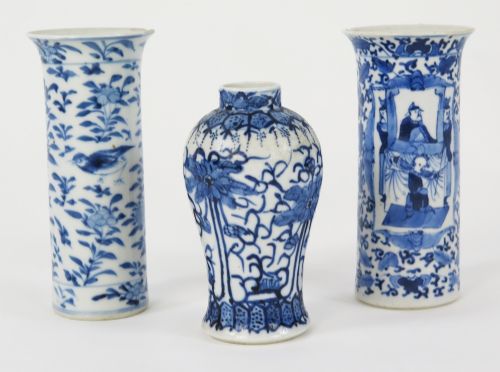
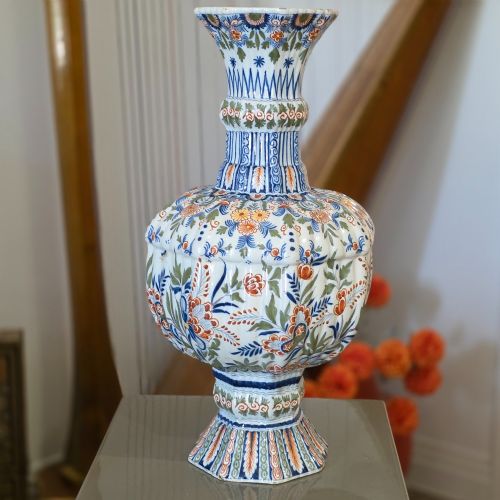
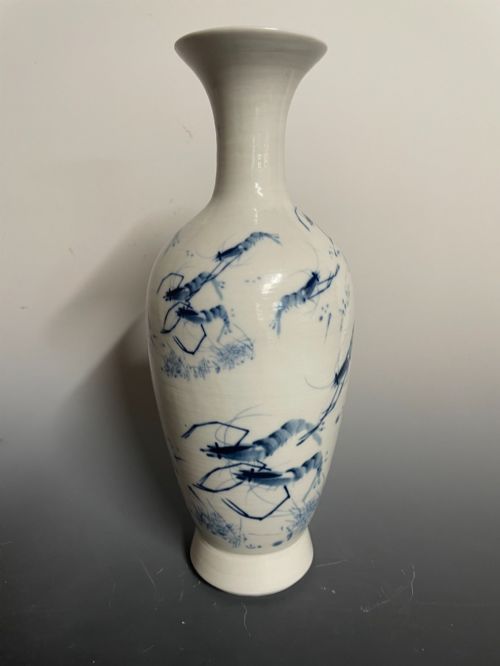
When you search for blue vase painting, you enter a diverse landscape of ceramic vessels and framed fine art depicting them across multiple centuries.
Blue Vase Painting
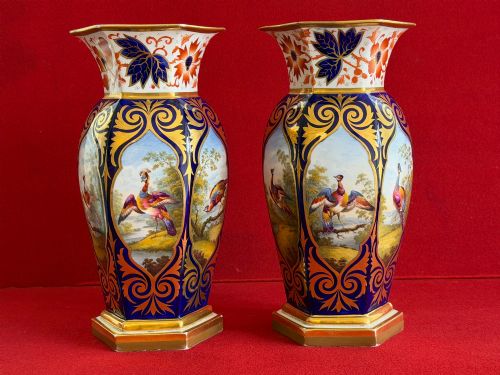
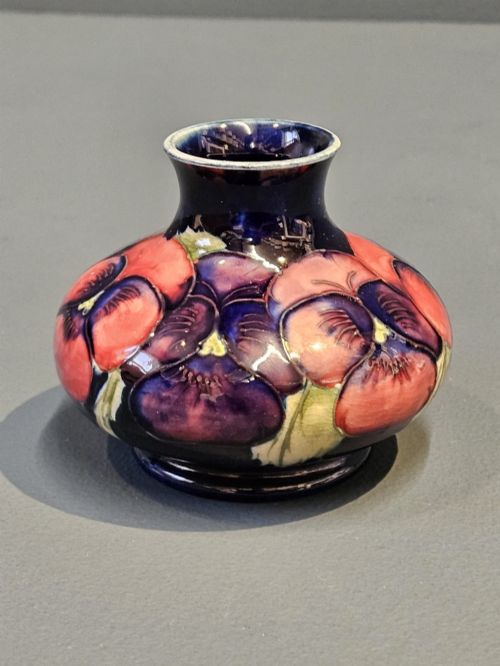
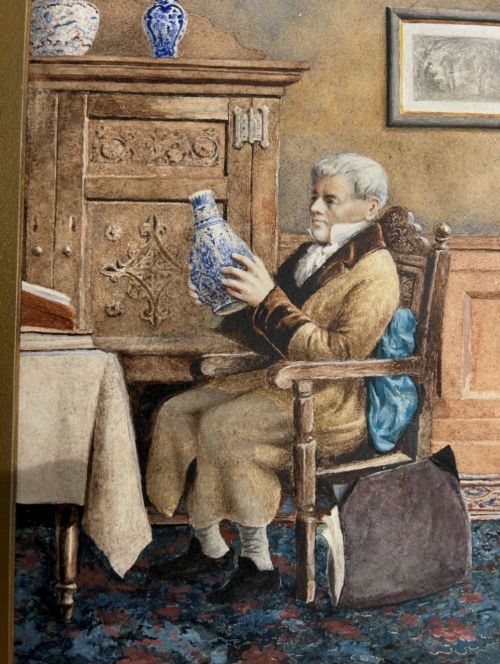
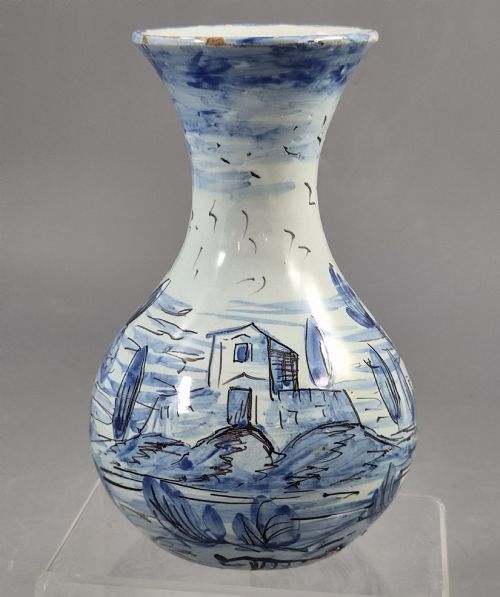
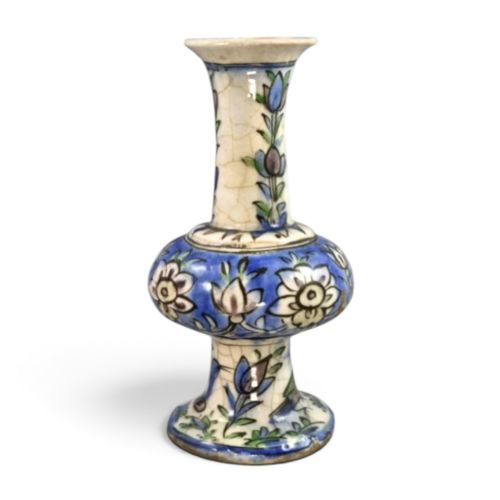
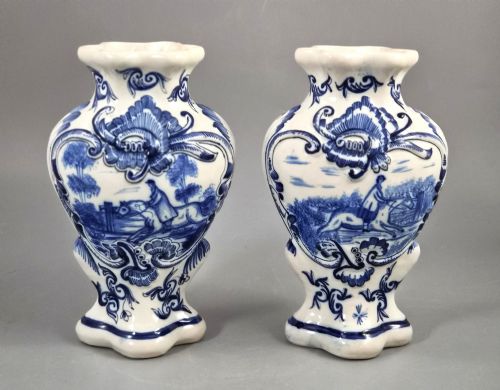
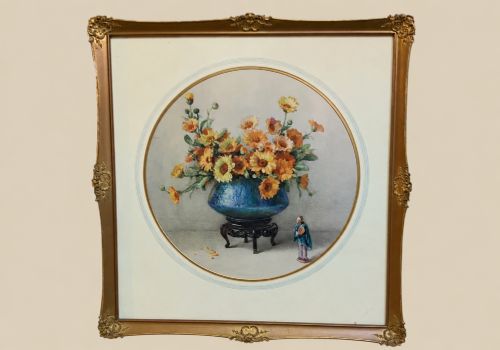
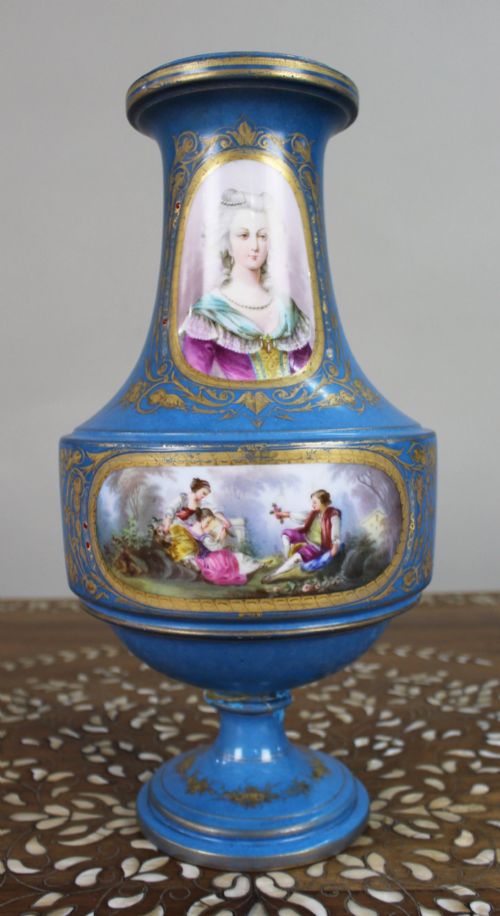
The blue vase painting category encompasses both actual ceramic vessels rendered in shades of blue and white, porcelain, or tin-glazed earthenware, and framed watercolor or oil paintings capturing them in still life arrangements.
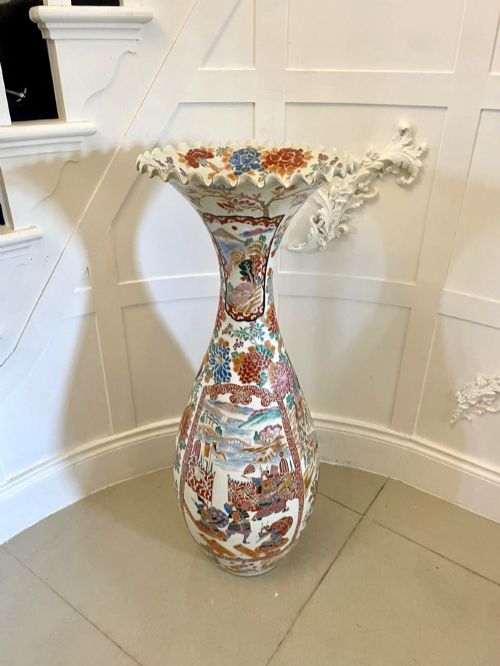
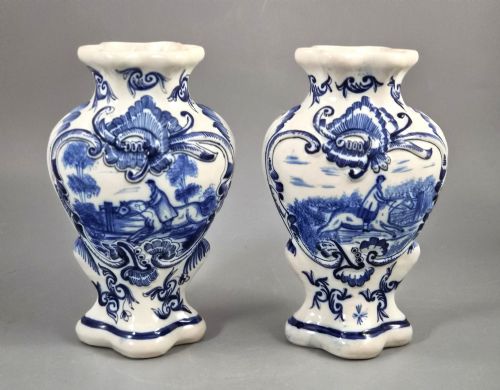
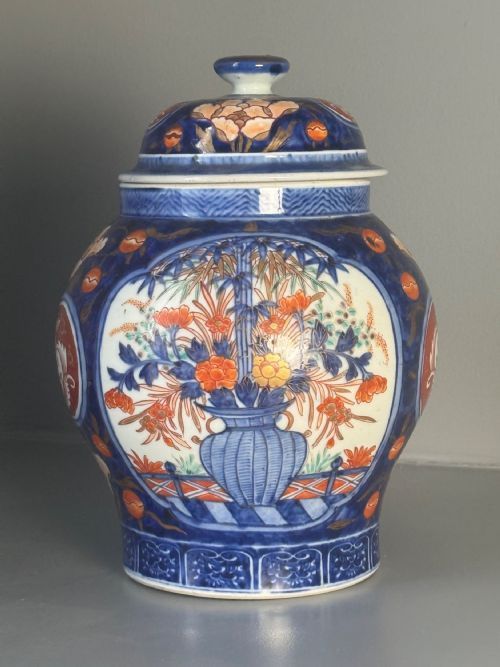
Buyers encounter 19th-century Japanese Imari floor vases, English porcelain works from the Regency period, and Dutch Delftware alongside early-to-mid 20th-century floral still life canvases.
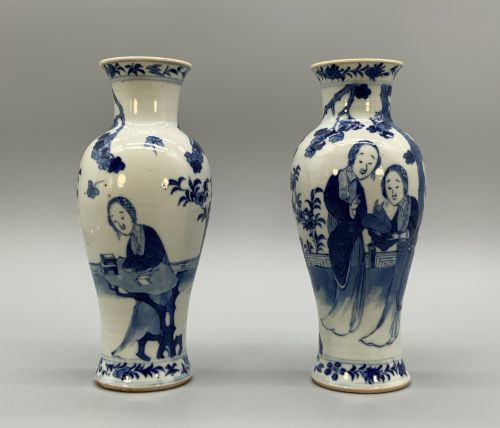
Vessels span centuries of global production, from 18th-century Chinese Qianlong famille rose pieces to Victorian English ceramics and Persian Qajar pottery.
How they were made
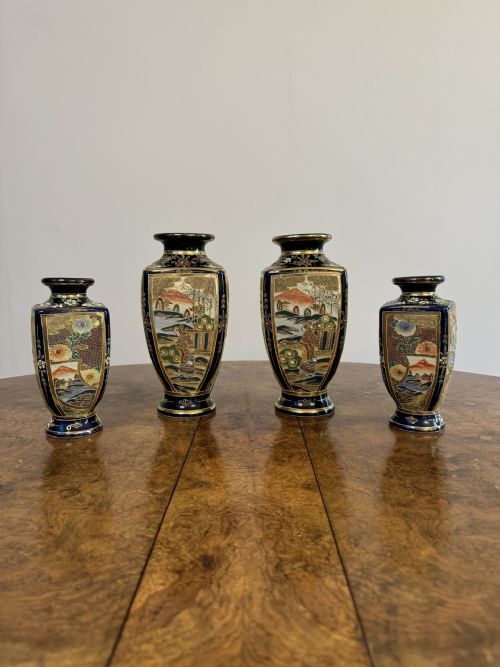
Ceramic pieces utilise materials such as porcelain, earthenware, glaze, and tin-glazed earthenware, frequently accented with gold leaf, gilt, or enamel.
Painted works employ oil or watercolour on canvas or board, capturing floral still lifes with fine brushwork and pigment.
Several artists returned repeatedly to the exact same blue vessel, immortalising a solitary ceramic pot across dozens of distinct floral arrangements.
What varies in quality
The degree of artistic execution distinguishes standard commercial output from finer works, particularly in the precision of underglaze blue painting and hand-painted floral details.
Material composition and period authenticity govern the standing of individual pieces, with porcelain density and glaze depth marking the upper tiers.
Flight Barr And Barr·Chamberlain Worcester·Royal Doulton·Fourmaintraux Courquin·Cantagalli
The Blue Vase Painting Glossary
- Maiolica
- Tin-glazed Italian earthenware of the Renaissance and later revival periods, known for colourful painted decoration.
- Imari
- Japanese export porcelain decorated in underglaze blue, iron red, and gold, highly popular in European collections.
- Faience
- European tin-glazed earthenware, particularly associated with French and Dutch production centres.
- Famille Rose
- Chinese porcelain characterised by an opaque pink enamel palette, developed during the Qing dynasty.
- Bleu Céleste
- A vibrant sky-blue porcelain ground colour famously utilised at the Sèvres factory.
Blue Vase Painting: Frequently Asked Questions
What periods do these blue vase pieces come from?
The inventory spans multiple centuries, with significant representation from the 18th, 19th, and early 20th centuries.
Specific pieces date from the Regency era through to the Art Deco period, incorporating both European revival styles and Asian export wares.
How do I distinguish porcelain from earthenware?
Porcelain is fired at higher temperatures, resulting in a dense, vitrified body that often appears translucent under strong light.
Earthenware and faience are more porous bodies covered in an opaque tin glaze to provide a smooth surface for painting.
Are the paintings original works?
The selection includes original oil paintings on canvas and board alongside period watercolours.
Many depict intimate still life arrangements featuring floral subjects and ornamental ceramic vessels.
How were large floor vases utilised historically?
Large Imari and ceramic floor vases served as prominent architectural ornaments in grand interiors.
They functioned as focal points in hallways and reception rooms during the Victorian and Meiji periods.