


20th Century Floral Painting
These oil paintings, watercolours and decorative items capture 20th century floral painting with rich botanical detail and varied period palettes.
20th Century Floral Painting
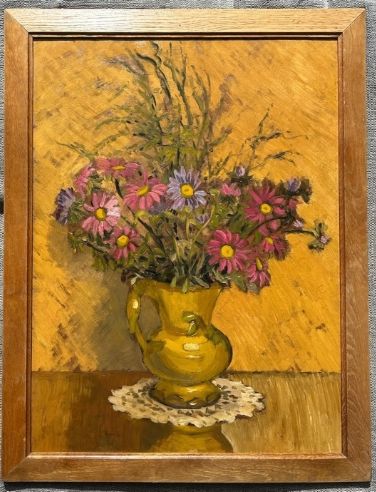
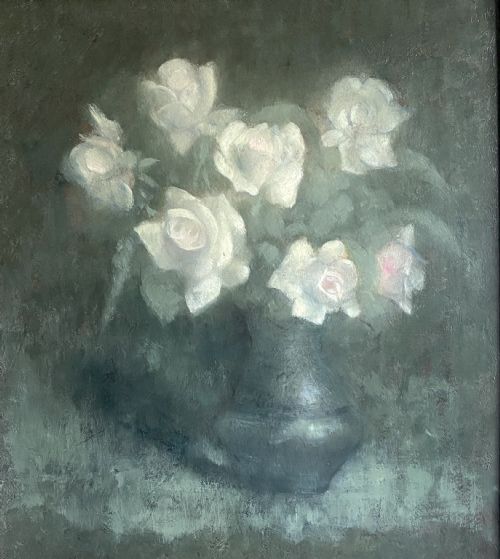
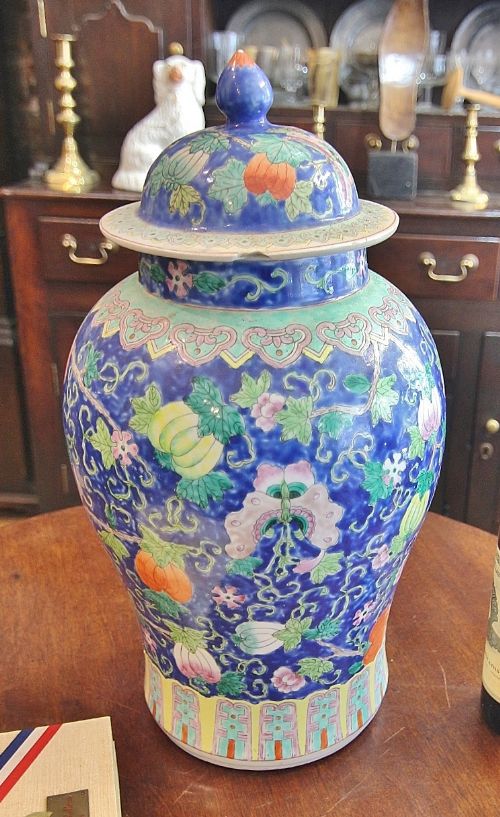
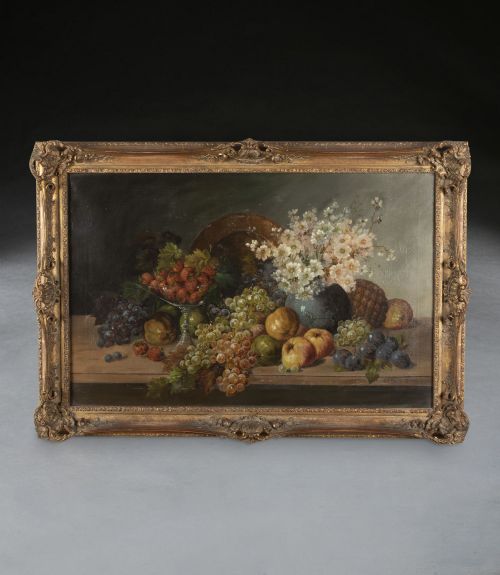
When you search for 20th century floral painting, you encounter a diverse selection of oil paintings on canvas and board, delicate watercolours, and hand-painted ceramics or textiles. The selection spans decades from the Edwardian era through the nineteen-fifties, capturing changing artistic interpretations of garden blooms, wild roses, and still life arrangements. Canvas works by named artists appear alongside enamelware and porcelain vessels bearing botanical motifs from the same periods.
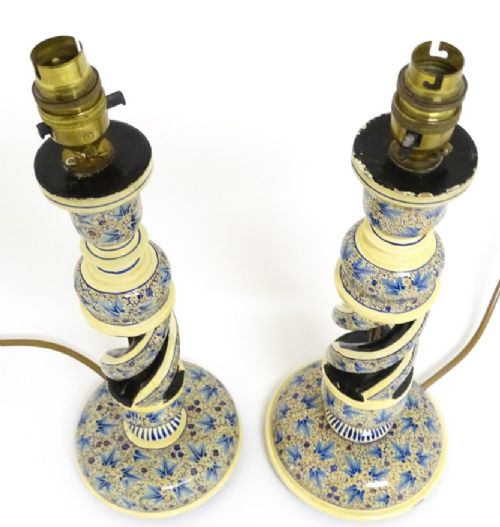
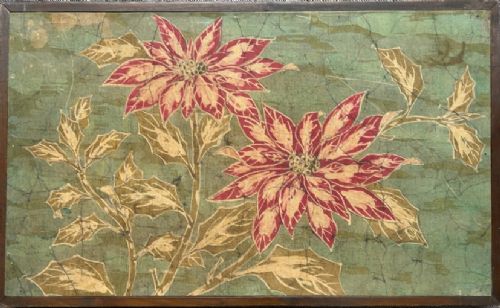
Most pieces date from the early decades up to mid-century, reflecting artistic movements such as British Impressionism, Arts and Crafts, and Mid-Century Modern design. You will find framed flower studies alongside hand-painted table lamps, vases, and dishes incorporating floral subjects. The scope extends from traditional British and European studio works to Kashmiri panels and Chinese porcelain, all united by their botanical focus.
Materials and Techniques
Makers utilised traditional mediums including oil on canvas, oil on board, and watercolour on paper, applying pigments with varied brushwork to render petals and leaves. Ceramic objects and metal items feature hand-painted enamel decoration or glaze techniques specific to potteries like Royal Worcester, Meissen, and Moorcroft. Wood, canvas, brass, and porcelain serve as the primary substrates across the diverse range of paintings and decorative objects.
Artists and artisans employed techniques ranging from impressionistic impasto to precise botanical watercolour washes. Decorative pieces incorporate hand-painted motifs directly onto porcelain bodies, carved wood, or textile panels, often preserved in original giltwood frames or fitted mountings.
Object types range from traditional oil paintings and watercolours to table lamps, vases, stick stands, and dinner services.
Quality Variations
The distinction between standard decorative items and finer works rests upon the skill of the brushwork, the depth of composition, and the prestige of the maker. Superior paintings display confident handling of light and colour within the floral arrangement, while lesser pieces rely on formulaic execution.
Material preservation also defines the tier of a piece, with intact original frames, clean canvas surfaces, and unblemished porcelain glazes commanding greater interest. The reputation of the artist or pottery works, from documented Staithes painters to established European porcelain manufactories, elevates the standing of an individual piece.
Kenneth Cozens·Victor Simonin·Owen Bowen·Florence Hess·Robin MacKertich·Freda Marston·Margaret Laing·Phyllis I Hibbert·Emma Løffler·Theresa Sylvester Stannard·George Frederick Nicholls·Albert E Jackson·Isabelle Cohen·William Moorcroft·Royal Worcester·Meissen·Müller Volkstedt
The 20th Century Floral Painting Glossary
- Oil on canvas
- Pigments bound in drying oil applied to a woven fabric support stretched over a wooden frame. This medium allows for rich texture and gradual colour blending.
- Watercolour
- Paint consisting of water-soluble pigments diluted with water for application on paper. It produces transparent washes ideal for delicate botanical studies.
- Impasto
- Paint applied thickly to a canvas or board so that the brush or palette knife marks remain visible. This technique adds literal physical depth and texture to floral petals.
- Still life
- An artwork depicting inanimate subject matter, typically featuring natural objects such as cut flowers in vases, fruit, or household items. It remains the primary vehicle for floral painting.
- Famille rose
- A Chinese porcelain palette introduced in the Qing dynasty, distinguished by opaque pink enamel overglazes. Pieces utilising this style often incorporate elaborate floral and botanical motifs.
20th Century Floral Painting: Frequently Asked Questions
How do I care for vintage oil paintings?
Keep painted canvases away from direct sunlight and fluctuating humidity to prevent pigment fading and wood warping. Dust surfaces gently with a soft, dry brush without applying liquid cleaners.
Consult a professional conservator before attempting any deep cleaning or varnish removal on older works. Proper framing behind stable backing boards also protects the canvas from environmental damage.
Were these floral paintings meant for homes?
Domestic interiors of the early to mid-twentieth century frequently utilised floral art to bring natural elements indoors. Smaller watercolours and oils suited intimate parlour settings, while larger canvases anchored formal drawing rooms.
Decorative ceramics with botanical motifs served both display and utilitarian purposes in period households. They reflected a widespread cultural interest in gardening and domestic interior decoration.
How can I date a floral painting?
Examine the materials, framing style, and signature characteristics to establish a chronological context. Canvas types, stretcher construction, and period pigments often provide reliable clues to the decade of creation.
Artist signatures can be cross-referenced with exhibition records and biographical archives. Stylistic shifts from Edwardian realism to mid-century abstraction further narrow the production window.
What is the difference between oil and watercolour?
Oil paint utilises slow-drying vegetable oils, allowing artists to rework surfaces and build rich, textured layers. Watercolour employs water-soluble binders on paper, creating luminous, transparent effects that rely on the white paper ground for light.
Watercolour works require protective glass framing to prevent moisture damage and fading. Oil paintings on canvas or board remain more resilient to ambient air exposure.