




British Botanical Art
British botanical art encompasses delicate watercolours and rich oil paintings capturing floral studies and garden scenes across multiple decades.
British Botanical Art
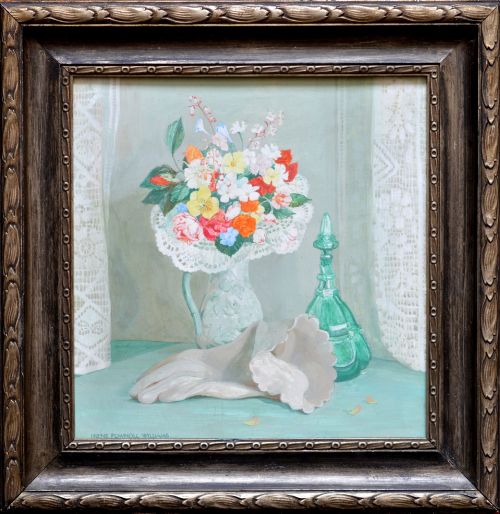
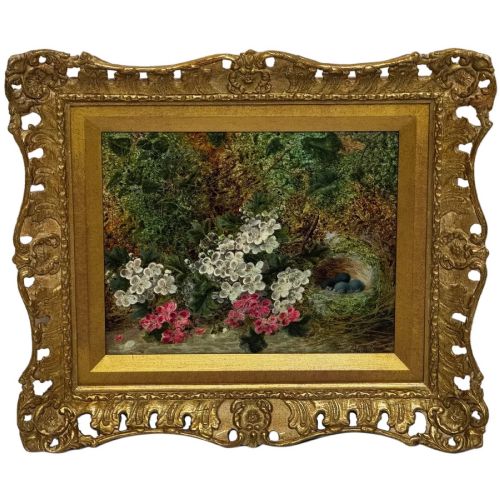
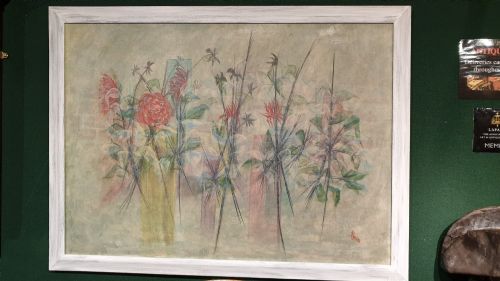
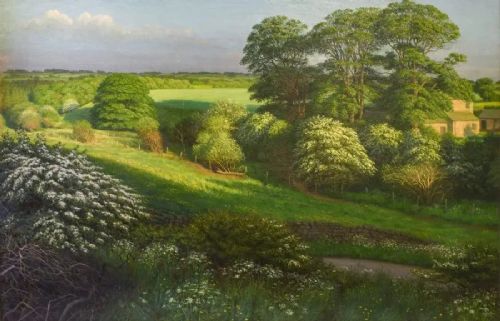
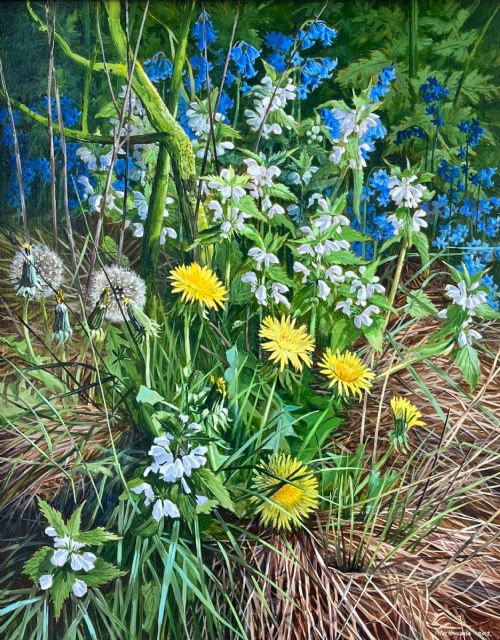
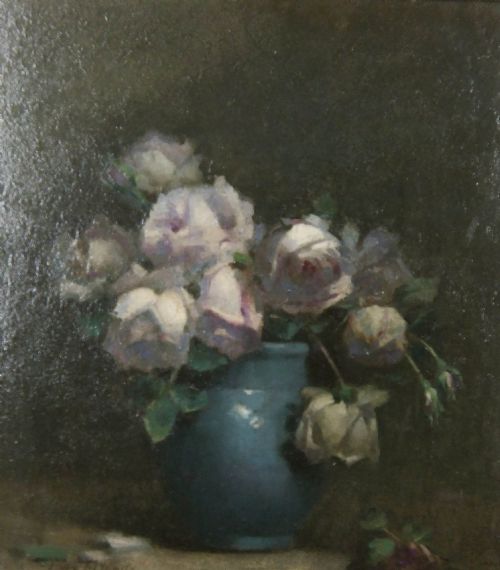
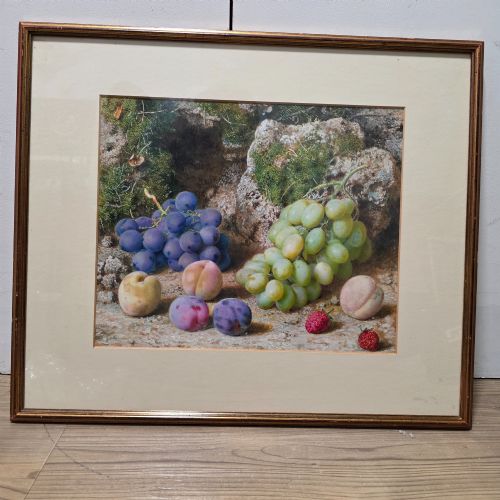
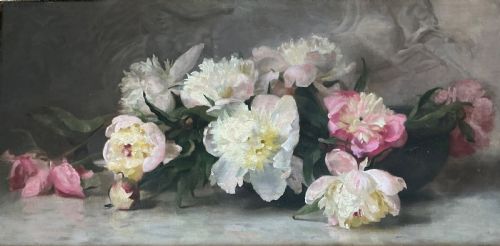
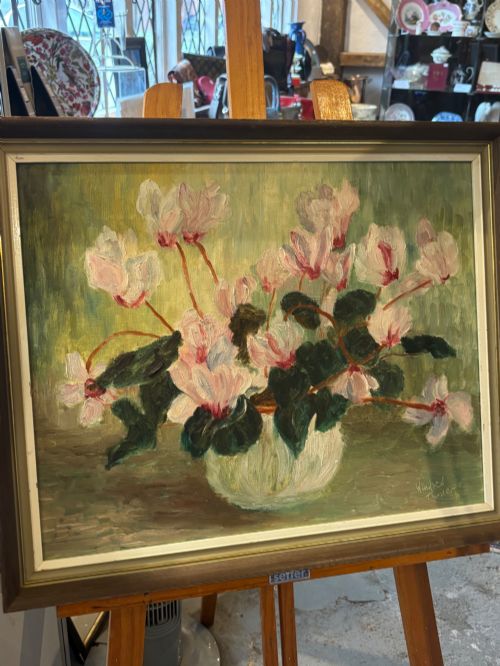
When you examine British botanical art, you are looking at visual records of flora, flowers, and garden studies produced by artists working in the United Kingdom. These pieces range from detailed 19th-century watercolours to mid-century oil paintings and gouache works depicting roses, apples, and woodland blossoms.
The versions most frequently encountered on this page date from the Victorian and Edwardian eras through to the mid-20th century. Works spanning the 1920s to the 1950s often display modernist influences or traditional English country house aesthetics in their handling of jugs, vases, and garden landscapes.
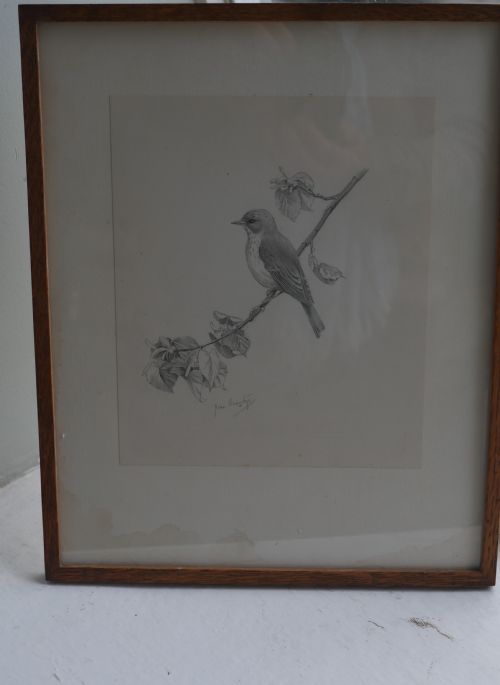
Objects encompass framed wall art, drawings, and paintings executed on canvas, panel, paper, and board. Collectors encounter subjects varying from single stem studies to elaborate still life arrangements with fruit and birds.
Materials and methods
Artists relied primarily on watercolour paints on paper or oil paints applied to canvas and wooden panels to capture the subtle tones of petals and foliage. Gouache, tempera, pastel, and pencil also appear across the selection, offering varied matte or luminous finishes.
Support materials range from traditional stretched canvas and heavy watercolour paper to wooden panels and board. These grounds were frequently housed in period wood frames that complement the botanical subject matter.
Several botanical studies thoughtfully include uninvited garden guests like caterpillars and beetles sharing the canvas with the blooms.
Factors of quality
Quality in these works rests upon the artist's draftsmanship, precision of botanical detail, and harmony of composition. Superior examples demonstrate a confident handling of light upon petals and leaves, paired with balanced tonal relationships within the vase or garden setting.
The preservation of the pigment also influences the standing of a piece, particularly in watercolours and pastels where colour vibrancy depends on past protection from direct sunlight. Strong provenance and clear attribution to recorded artists elevate individual works within the broader category.
Oliver Clare·John Sherrin·Owen Bowen·James Tower·Sir Matthew Smith·John Curtis
The British Botanical Art Glossary
- Watercolour
- A painting method in which the paints are made of pigments suspended in a water-based solution. It is typically applied to paper to achieve translucent colour washes.
- Tempera
- A permanent, fast-drying painting medium consisting of coloured pigment mixed with a water-soluble binder material. It often provides a flat, opaque surface on panel or board.
- Gouache
- A water-based paint consisting of pigment and other inert materials designed to be opaque. It creates denser, heavier colour blocks than traditional watercolour.
- Provenance
- The chronology of the ownership or location of a historical object. A documented history helps confirm the authenticity and origin of a painting.
British Botanical Art: Frequently Asked Questions
What is British botanical art?
British botanical art comprises paintings and works on paper created by British artists focusing on flowers, plants, and gardens. These pieces capture the natural world through mediums such as oil, watercolour, and pastel.
They reflect changing artistic movements from the Victorian period through to the mid-20th century, ranging from scientific studies to expressive floral still lifes.
How should I display these paintings?
These artworks suit traditional and contemporary interiors alike, often hung in living rooms, hallways, or garden rooms. They pair well with wooden furniture and neutral wall colours that highlight the natural tones of the flora.
Because many works utilise watercolours or pastels on paper, keeping them away from direct sunlight prevents the pigments from fading over time.
How do I date a botanical painting?
Dating relies on stylistic clues, framing methods, artist signatures, and inscriptions on the reverse of the canvas or panel. Victorian and Edwardian works often feature heavier, ornate frames and tighter academic realism.
Mid-century examples tend to adopt looser brushwork or modernist compositions influenced by the artistic shifts of the 1930s to the 1960s.
What subjects are most common?
Floral still lifes featuring roses, anemones, and dahlias in jugs or vases appear frequently across the selection. Artists also captured seasonal garden views, woodland blossoms, and botanical specimens paired with insects.
Compositions range from intimate studies of single stems to bountiful arrangements including fruit and bird's nests.