
Blue Vase Floral Painting
These pieces gather under the search phrase blue vase floral painting, uniting ceramic vessels and canvas works.
Blue Vase Floral Painting
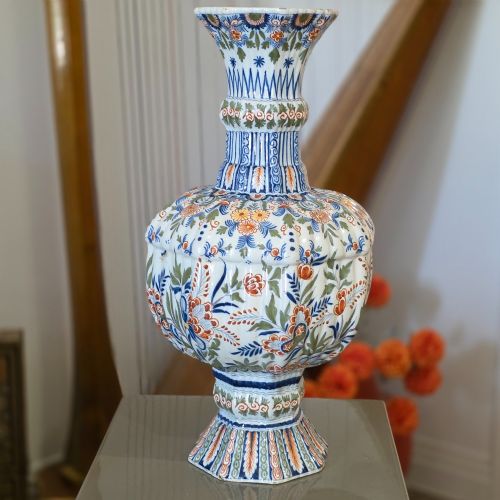
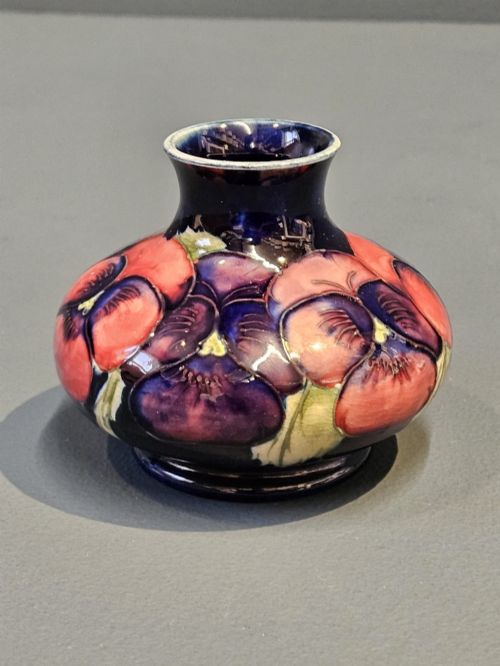
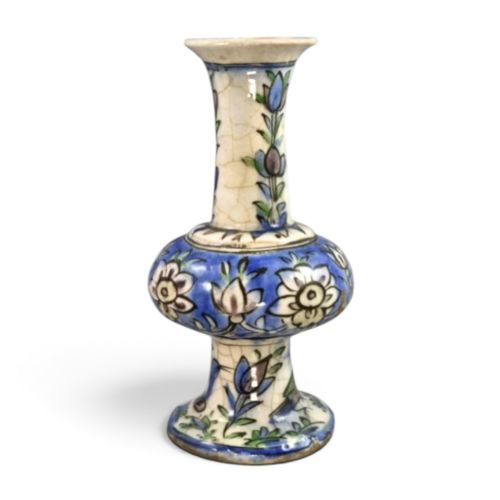
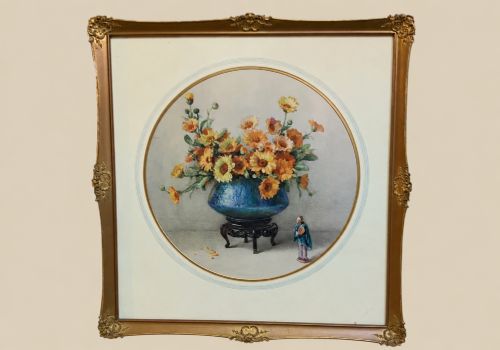
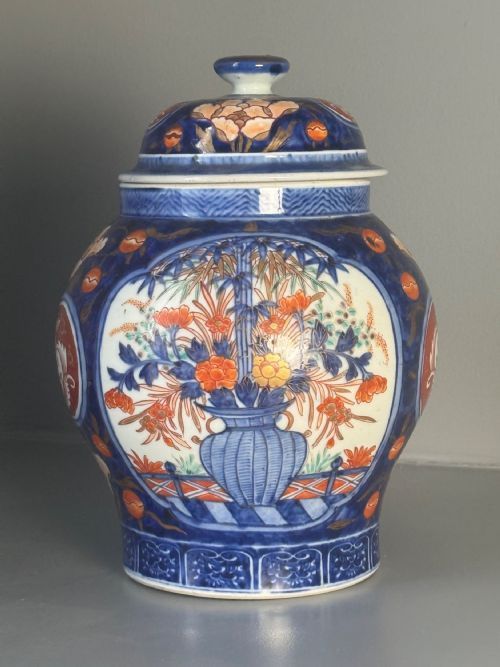
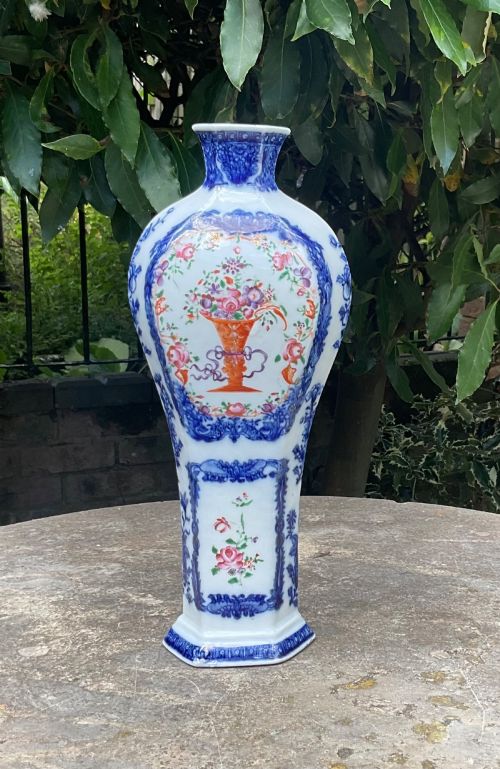
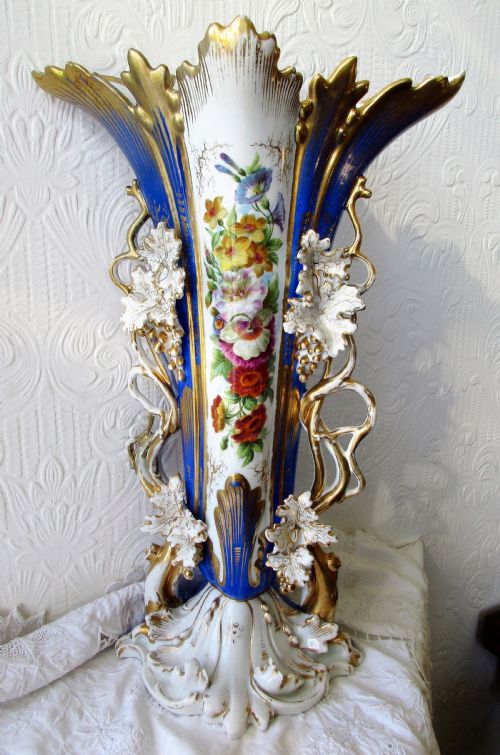
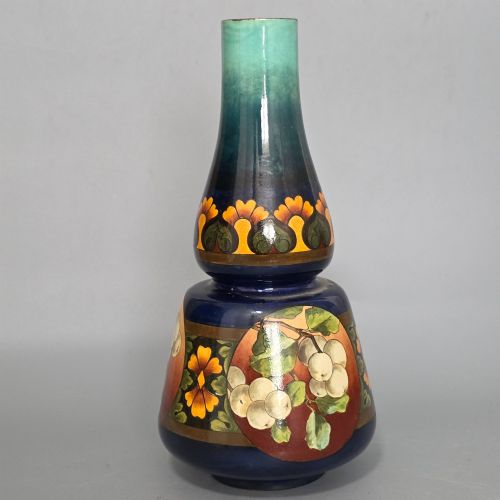
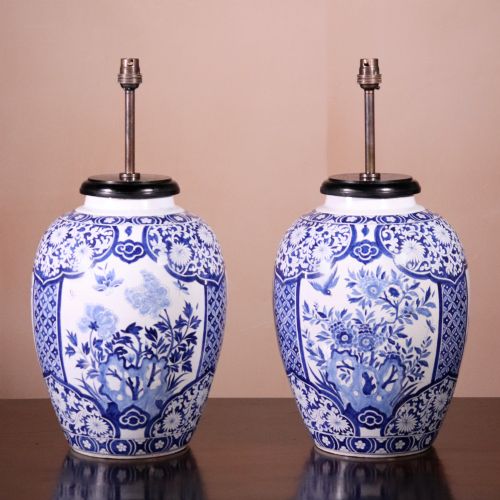
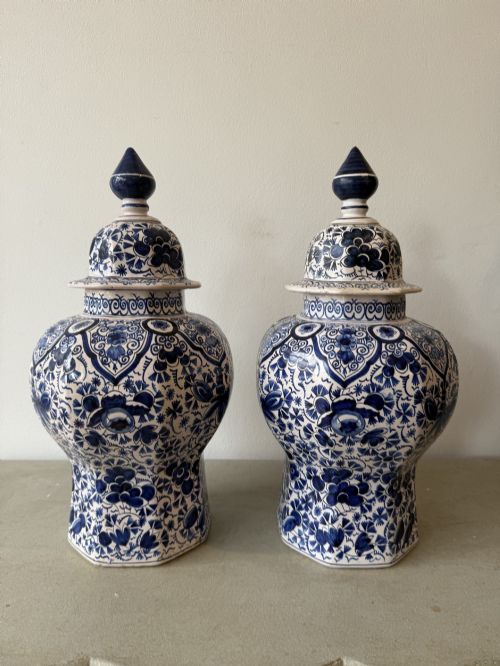
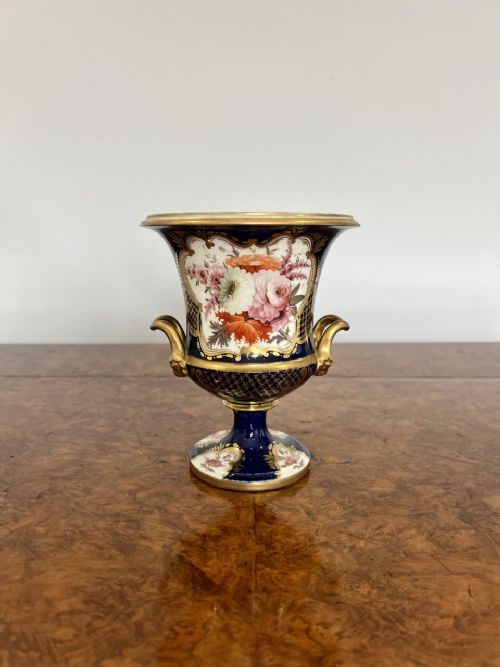
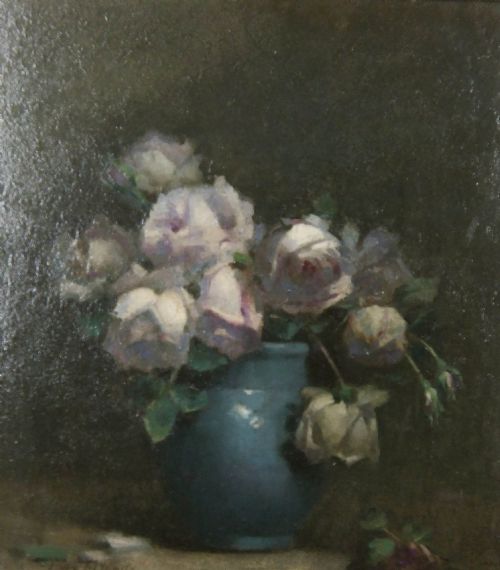
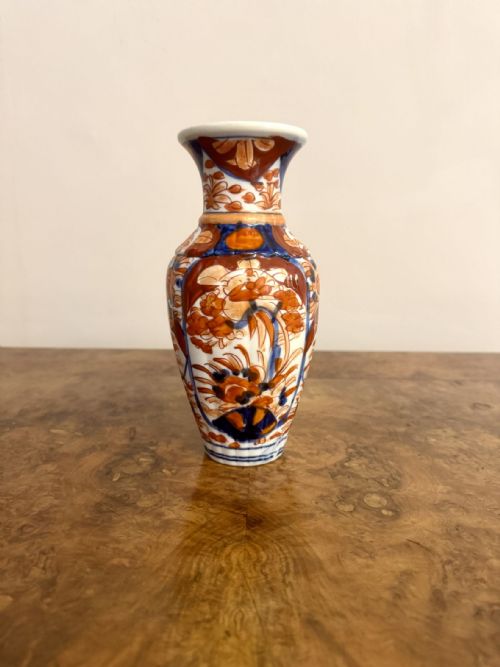
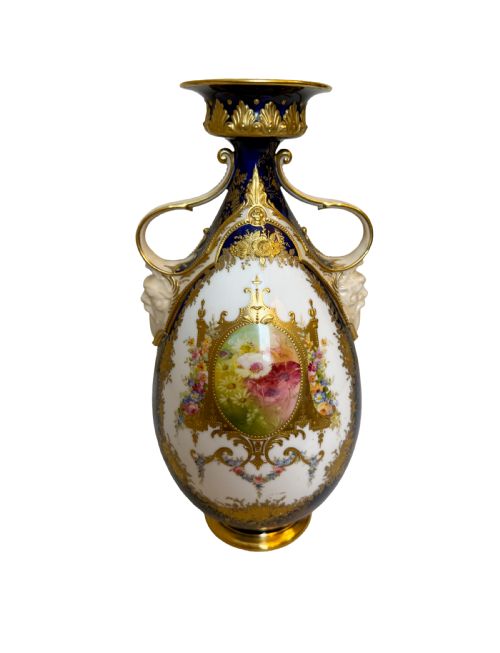
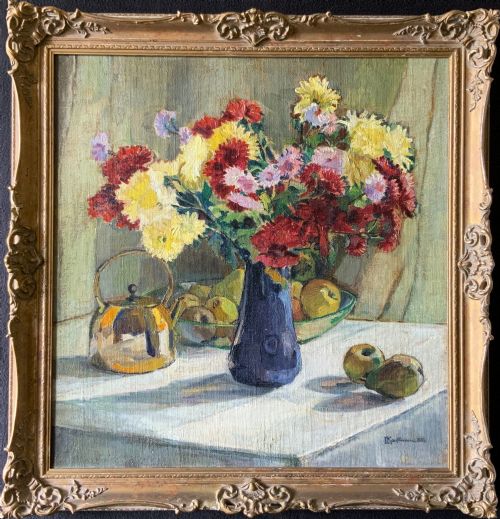
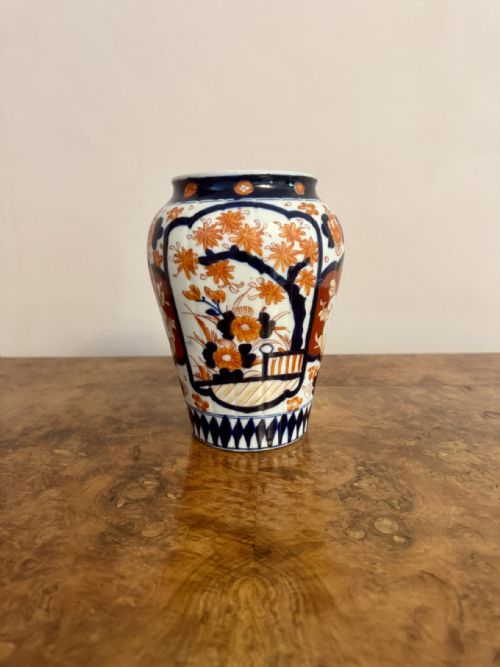
A blue vase floral painting brings together three-dimensional ceramics and flat canvases that share a common subject. The ceramic works span Japanese Imari porcelain, Dutch Delftware, and English factories such as Spode and Doulton, shaped as baluster jars, urns, and ginger jars. Alongside these sit oil and watercolour paintings on canvas or board depicting flowers arranged in domestic settings.
The objects cross several centuries, moving from eighteenth-century Qianlong porcelain through nineteenth-century Victorian pieces into twentieth-century oil paintings. Japanese export wares from the Meiji period appear frequently among the ceramic vessels, while the paintings offer botanical and still life studies rendered in impressionist and realist manners.
Materials and construction
The ceramics rely upon bodies of porcelain, earthenware, and faience shaped on the wheel or in moulds. Cobalt blue underglaze decoration dominates the blue and white pieces, often supplemented by polychrome enamels and applied gold leaf or gilding fired at high temperatures.
The paintings utilise oil or watercolour mediums applied to canvas, board, or paper. Artists build up the floral subjects using brushwork that ranges from tight botanical detail to loose impressionist dabs, sometimes framing the works in decorative gilt wood.
A solitary ginger jar hides a secret painted cricket inside its lid.
Judging the work
Quality rests upon the crispness of the hand-painted brushwork on both ceramic surfaces and canvas. On porcelain, a sharp cobalt blue underglaze and precise enamel placement separate standard production from superior output. In paintings, the handled depth of the floral pigment and the control of tone determine the success of the composition.
The integrity of the form and the preservation of the glaze or paint layer matter significantly. Intact gilding, minimal wear to surface enamels, and original frames or covers indicate better preservation and higher workshop standards.
Alice Euphemia Thatcher·Royal Doulton·Samuel Alcock·Kinkozan·Spode
The Blue Vase Floral Painting Glossary
- Imari
- Japanese porcelain decorated in underglaze blue, iron red, and gold, named after the port of shipment. These pieces gained immense popularity in Europe during the export periods.
- Delftware
- Tin-glazed earthenware produced in the Netherlands and England, typically finished in blue and white. It mimics Chinese porcelain imports while maintaining a distinct local character.
- Faience
- Tin-glazed earthenware manufactured in France, Germany, and other European countries. The opaque white glaze provides a smooth ground for painted floral decoration.
- Baluster
- A vase shape characterised by a rounded body that tapers towards the base and neck. This form provides a stable base for complex painted scenes.
- Garniture
- A set of three or more matching vases designed to be displayed together on a mantelpiece or cabinet. These sets often combine jars and beaker vases.
Blue Vase Floral Painting: Frequently Asked Questions
How do I date a blue and white vase?
Dating relies upon examining the base for maker marks, factory stamps, and the tone of the cobalt blue underglaze. Earlier pieces often display hand-painted shop marks, while later production incorporates impressed or printed registry numbers.
Material composition and potting techniques also provide clues. Porcelain body density and glaze crazing patterns help distinguish eighteenth-century examples from nineteenth-century revivals.
Are these paintings original works?
The paintings listed here are original hand-painted works in oil or watercolour rather than mechanical reproductions. Artists applied pigment directly to canvas, board, or paper, leaving visible brush texture and individual artistic choices.
Signatures or exhibition labels on the reverse often confirm the authorship of the piece. Close inspection under magnification reveals the layering of paint unique to hand execution.
How should I display a porcelain vase?
Porcelain vessels require stable placement away from direct sunlight and areas prone to heavy foot traffic or vibration. Using a museum wax dot beneath the base prevents accidental tipping on wooden surfaces.
Keep ceramic pieces distant from rapid temperature fluctuations caused by radiators or draughts. This protects both the ceramic body and any delicate overglaze enamel or gilding.