

Blue Sky Painting
Blue sky painting captures atmospheric light and open vistas across canvas and paper through distinct periods of artistic movement.
Blue Sky Painting
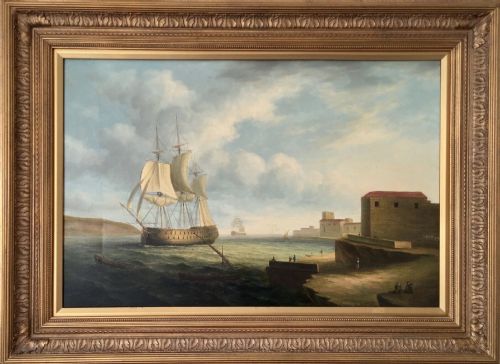
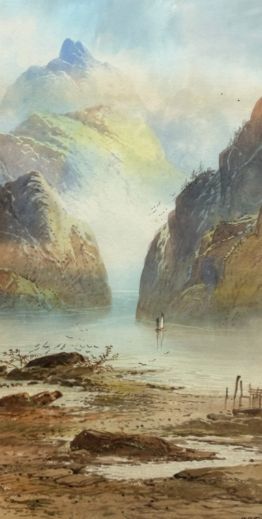
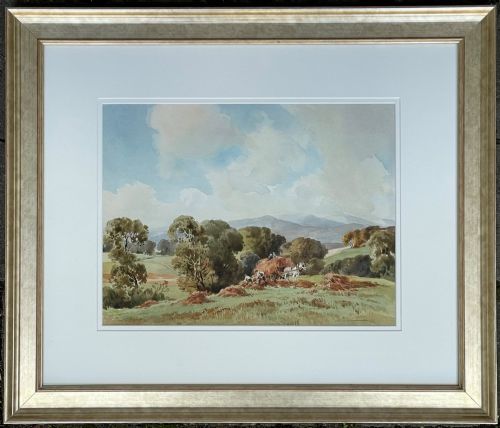
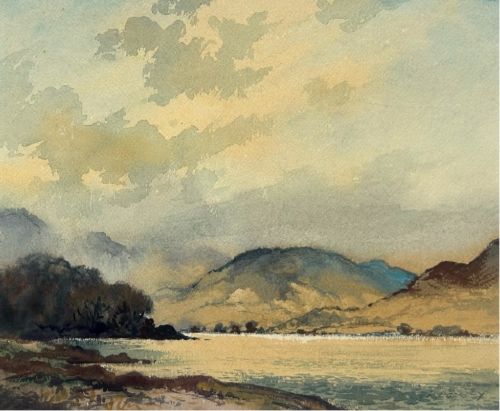
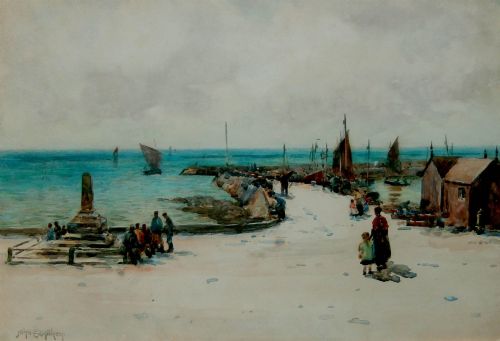
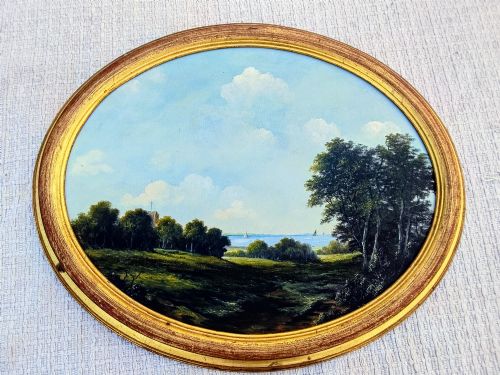
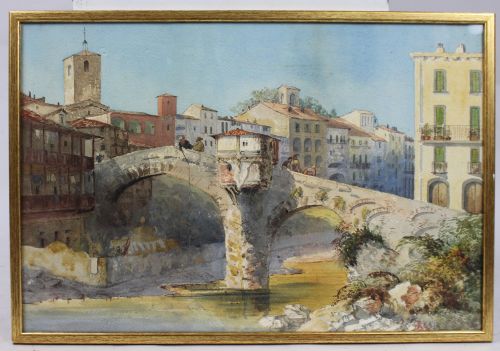
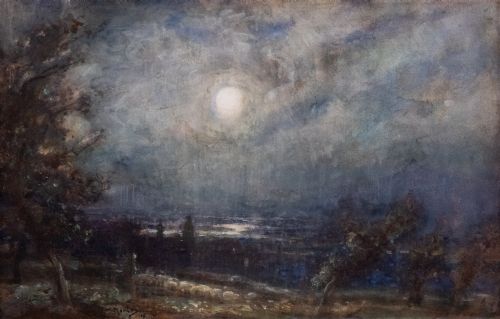
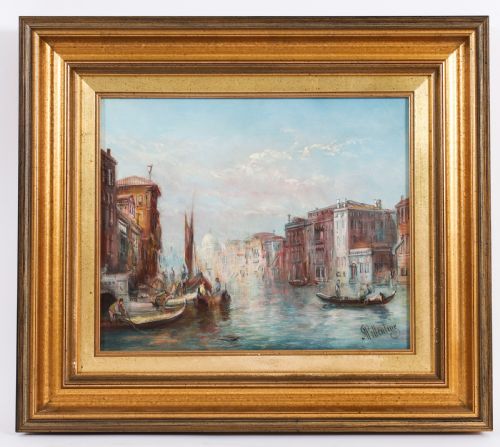
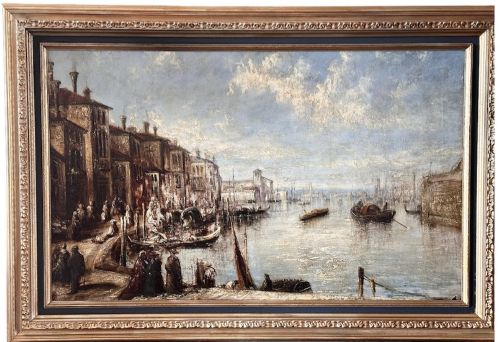
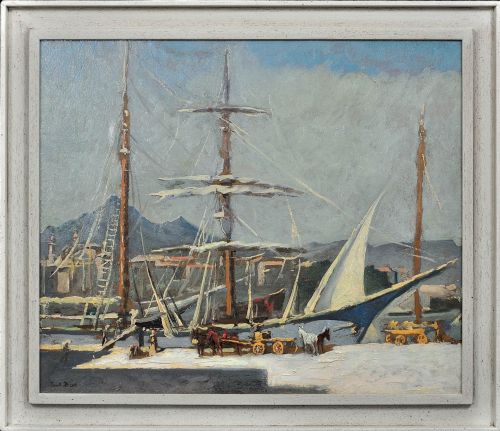
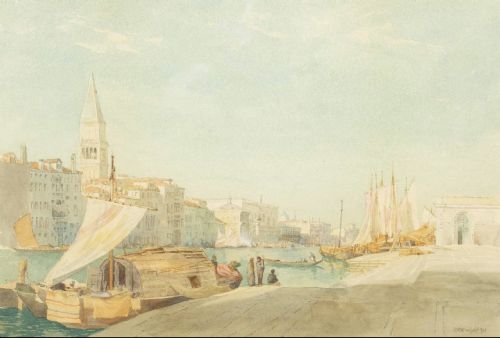
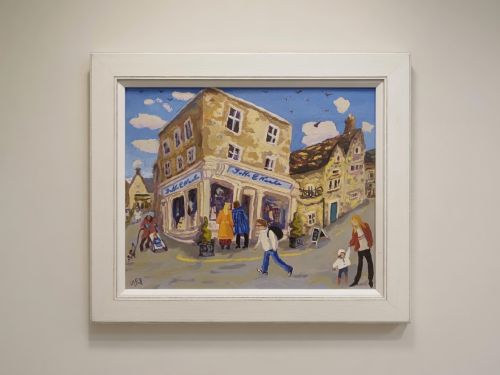
A blue sky painting brings open air and daylight indoors, recording maritime scenes, pastoral rivers, and European cityscapes under expansive skies. When exploring a blue sky painting on this page, the most frequent encounters are nineteenth-century watercolours and twentieth-century oil panels.
The works span Victorian marine art, British Impressionism, and Post-Impressionism, capturing subjects ranging from Venetian lagoons to Scottish lochs. Painters use these atmospheric backdrops to frame harbour shipping, coastal cliffs, and sunlit plazas.
Originating from British, French, Italian, and Latin American schools, these artworks record changing skies from the nineteenth century through the mid-twentieth century. Each piece reflects the specific palette and plein-air techniques of its period.
Materials and technique
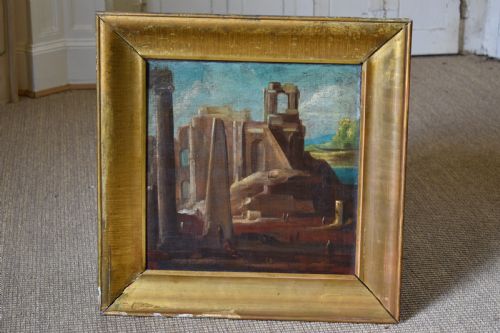
Artists built these works using oil paint on canvas, wood panels, and paper, applying pigment with brushes or palette knives. Oil on canvas allowed for layered impasto textures, particularly in capturing the heavy sunlight on coastal waves and urban plazas.
Watercolour pigment and gouache were applied to paper for lighter, translucent washes that rendered delicate clouds and open marine horizons. Wood panels provided a rigid support for detailed brushwork in nineteenth-century maritime and landscape scenes.
Blue Sky Painting Retail Price Guide 2026
Typical asking prices for blue sky painting among the pieces listed under this phrase on Sellingantiques today, from the lower quarter to the upper quarter. They describe what is for sale here now, not the wider market.
Several canvases capture racing pigeons and diving Spitfires, proving that artists looked up from the landscape to paint action in the blue.
Judging the work
Quality rests in the precision of the handling, where confident brushstrokes define the luminous depth of a cloud formation rather than flat washes of colour. Masterful pieces convey atmospheric perspective, making the open air feel convincing and immediate.
The preservation of the pigment and the paper or canvas surface dictates the longevity and visual impact of the work. Stronger examples maintain the original vibrancy of the sky without excessive fading or past restoration obscuring the artist's touch.
James Hardy·William Henry Earp·Percy Lancaster·John Hassall·Robert Leslie Howey·John E. Aitken·Thomas William Morley·Alfred Pollentine·Francis Moltino·Paul Bret·Richard Henry Wright·Thomas Creswick·Cyril Walduck Edwards·Eric Brown·Dion Pears·Dubovsky·Caroline Burnett·Johannes de Haas·Hubert Wellington·Archibald Kay·John Grenville Fennell·William Frederick Settle·Philip Richard Morris·Cornelius Pearson·Charles William Adderton
The Blue Sky Painting Glossary
- Impressionism
- A nineteenth-century painting style focusing on accurate depiction of light in its changing qualities. Artists achieved this through small, thin yet visible brush strokes and open composition.
- Watercolour
- Paints made of pigments suspended in a water-based solution. The medium relies on the white of the paper to provide luminosity through translucent washes.
- Impasto
- Paint applied thickly to a canvas, leaving brush or palette knife marks visible. This technique adds physical texture and catches light across the surface.
- Provenance
- The chronological history of the ownership of a piece. A clear record helps establish authenticity and historical context.
- Marine Art
- Depicting ships and the sea as primary subjects. This genre includes coastal views, naval battles, and harbour scenes.
Blue Sky Painting: Frequently Asked Questions
How do I care for these paintings?
Keep watercolours and oils away from direct sunlight and damp conditions to prevent fading and canvas warping.
Display them in stable indoor environments without using harsh chemical cleaners on the glass or frame.
Are watercolours always framed behind glass?
Paper works require glass protection to shield the pigment from atmospheric dust, moisture, and physical damage.
Oils on canvas or panel generally remain open to the air without glass coverings.
How do I distinguish nineteenth-century works?
Examine the preparation of the canvas, the paper watermark, and the framing style characteristic of the period.
Signatures, dealer stamps, and handwritten inscriptions on the reverse often provide clues to the creation date.
What subjects are most common?
Maritime scenes, coastal harbours, and rural river landscapes dominate the selections from this era.
European cityscapes and architectural views also appear frequently in both oil and watercolour mediums.