

Green Watercolour Painting
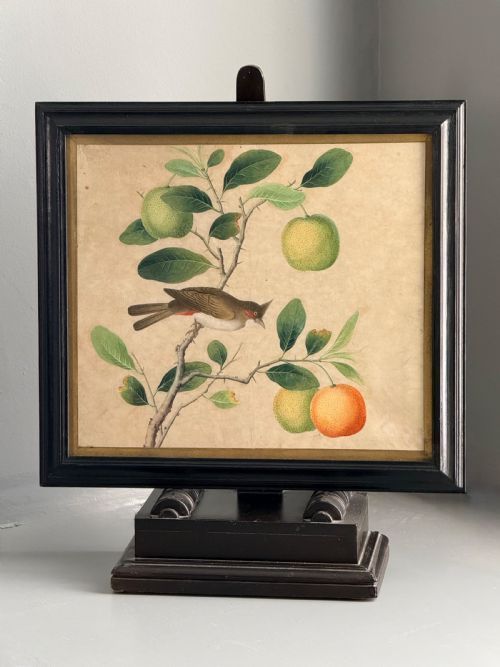
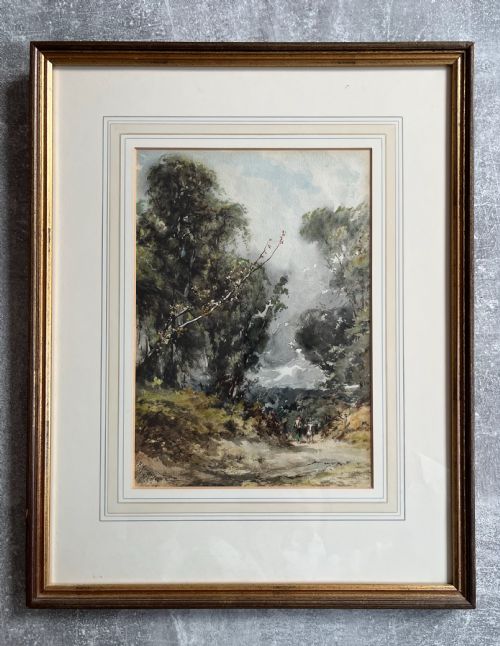
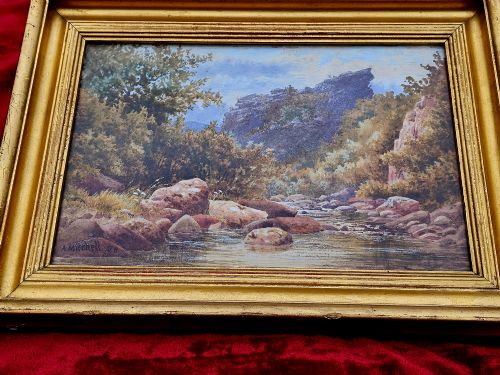
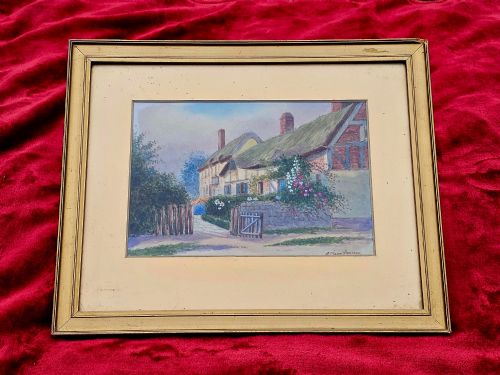
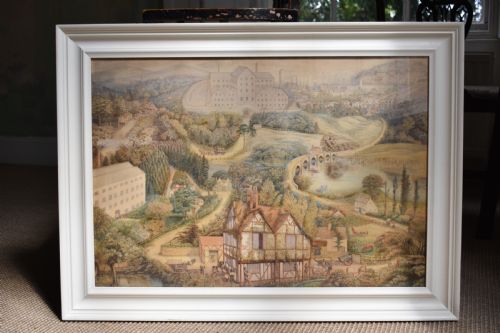
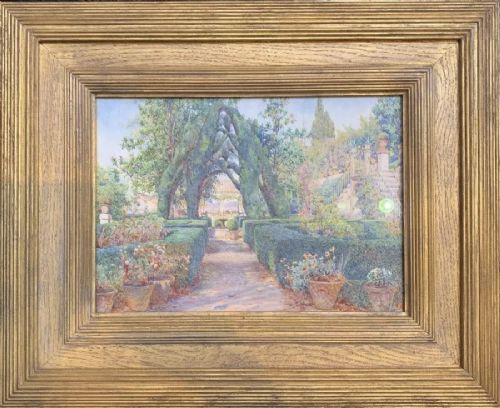
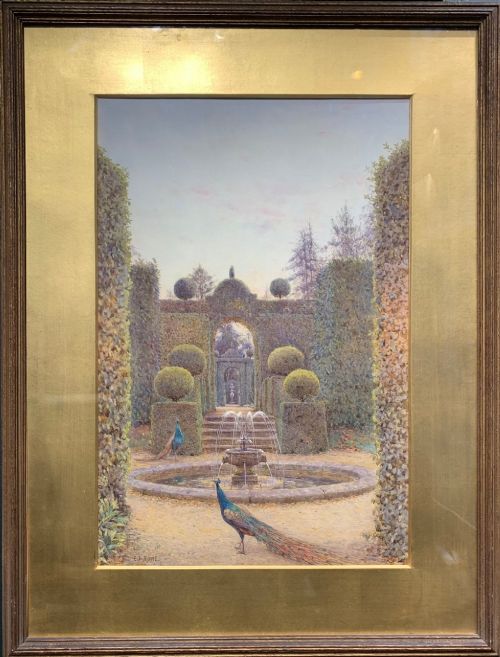
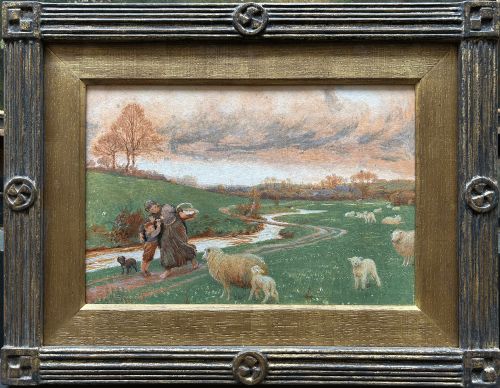
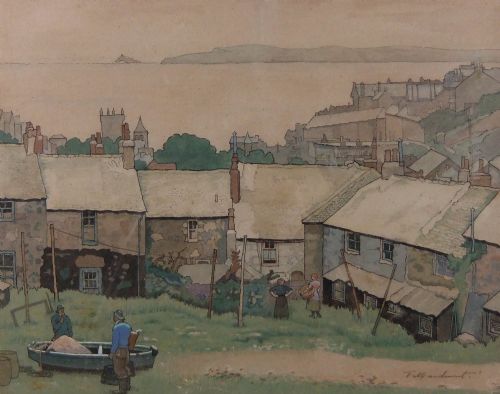
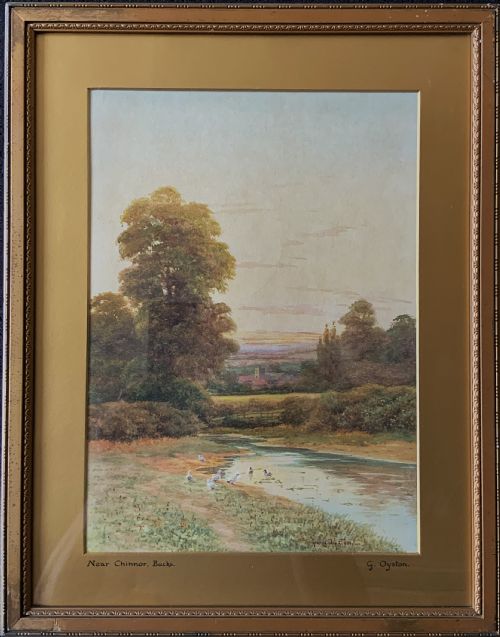
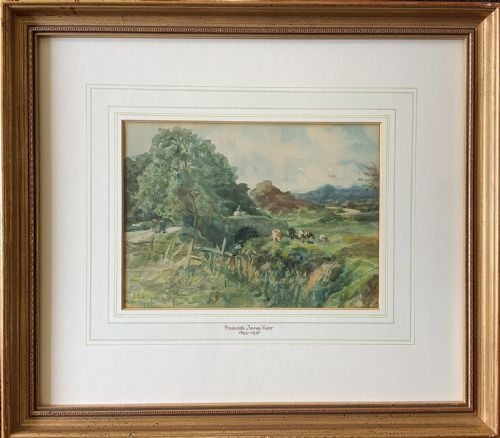
These green watercolour painting examples bring together landscape views and botanical subjects executed in water-soluble pigments on paper.
Green Watercolour Painting
A green watercolour painting encompasses works executed on paper using watercolour pigments and ink, capturing landscapes, pastoral scenes and still life subjects. When exploring a green watercolour painting selection, buyers encounter depictions of English lakes, rural riversides and botanical arrangements in vases.
The pieces span the Victorian, Edwardian and twentieth-century periods, representing the British School and English School traditions. Works from these eras range from topographical views of castle grounds and country ponds to studio studies of flowers.
Examples typically feature signed compositions by named artists working across the nineteenth and twentieth centuries. These paintings reflect the enduring appeal of landscape and botanical subjects rendered in fluid pigments.
Factors determining quality
Quality in these works rests upon the confidence of the brushwork and the clarity of composition. Superior examples demonstrate a secure handling of pigment and paper, where washes retain their luminosity and structural lines remain crisp.
Provenance and documentation also influence the standing of a piece. Works bearing artist studio sale stamps, clear signatures or contextual ties to known sketchbooks carry additional historical interest.
Green Watercolour Painting Retail Price Guide 2026
Typical asking prices for green watercolour painting among the pieces listed under this phrase on Sellingantiques today, from the lower quarter to the upper quarter. They describe what is for sale here now, not the wider market.
Recorded object types are limited strictly to watercolour paintings and general paintings executed by British and English school artists.
Percy Robertson·Linnie Watt·Walter Duncan·Fred Lawson·William Green·Orlando Greenwood·Olive Higginbottom
The Green Watercolour Painting Glossary
- Watercolour
- A painting method in which the paints are made of pigments suspended in a water-based solution. The paper surface often shows through the translucent washes of colour.
- Grisaille
- A painting executed entirely in shades of grey or neutral greyish-green monochrome. This technique was often employed for preparatory sketches or finished tonal works.
- Pen and ink
- A drawing technique utilising metal nibs or quills with dark fluid media. It is frequently combined with watercolour washes to outline compositional elements.
- Topographical
- Representing specific real-world places, buildings or landscapes with accurate detail. Many nineteenth-century works focus on identifiable British scenery and historic sites.
Green Watercolour Painting: Frequently Asked Questions
How should I frame an antique watercolour?
Antique watercolours require acid-free mounts and framing materials to protect the paper and pigments from chemical degradation over time. Spacers ensure the glass does not touch the surface of the painting directly.
Displaying these works away from direct sunlight prevents the fugitive green and blue pigments from fading. Proper conservation framing preserves the integrity of both the paper support and the ink work.
What subjects appear in these paintings?
The subjects include English lake district landscapes, pastoral scenes with figures beside ponds, and botanical still life studies featuring vases. Historic castles and rural farm buildings also feature prominently.
Artists recorded both sweeping topographical views and intimate domestic compositions. This variety reflects the broad range of interests held by painters working across the nineteenth and twentieth centuries.
How do I date an antique watercolour?
Dating relies upon stylistic markers, artist signatures, dated inscriptions and the physical characteristics of the paper. Mid-nineteenth-century papers often differ in texture and watermark from twentieth-century commercial sheets.
Studio stamps and contemporary framing remnants can also provide reliable chronological clues. Comparing works to dated examples by the same school helps narrow the period of execution.
Are these paintings signed by the artist?
Many of the works bear artist signatures, studio stamps or period inscriptions on the front or verso. Signed pieces often originate from artist studio sales or documented sketchbooks.
Unsigned works are attributed on stylistic grounds to specific regional schools or periods. Documentation such as historic exhibition labels or book titles helps confirm authorship.