
Blue Sky Landscape Art
Blue sky landscape art encompasses historic paintings capturing open skies and vast terrain, offering buyers a serene window into past vistas.
Blue Sky Landscape Art
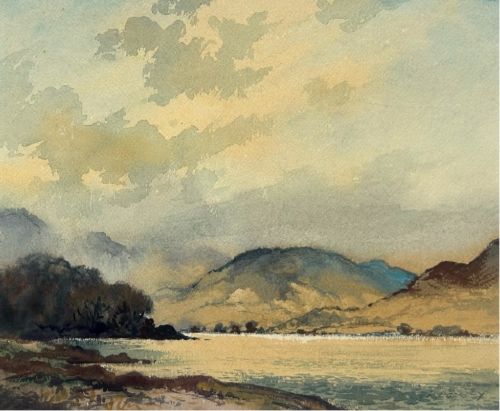
Blue sky landscape art brings together framed watercolours and oil paintings focused on open horizons, coastal scenes, and broad skies. These works span from the eighteenth century through the Victorian era into mid-twentieth-century modernist interpretations.
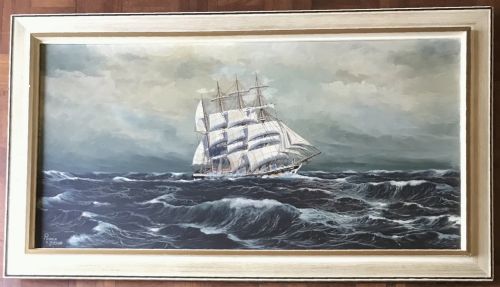
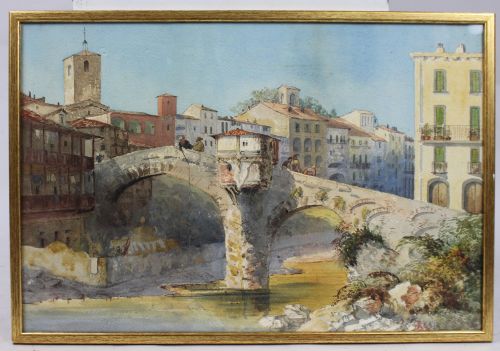
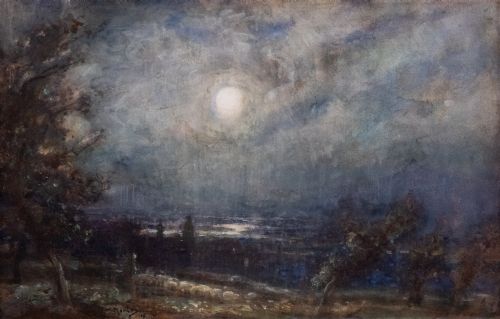
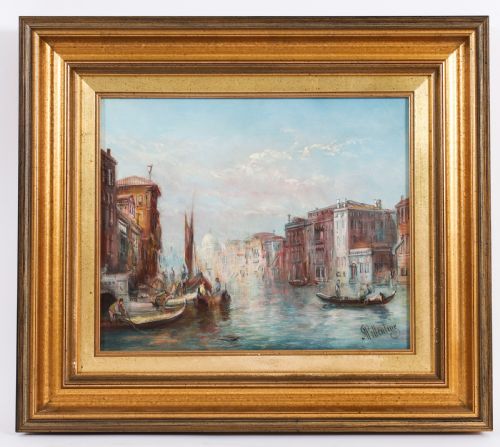
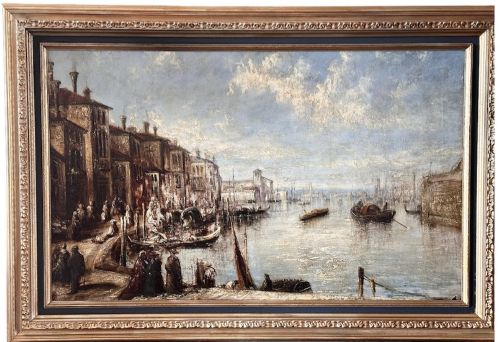
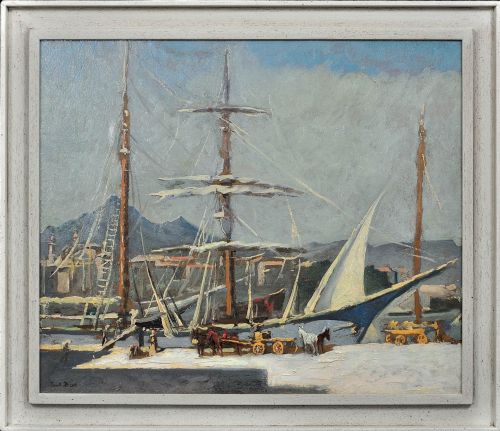
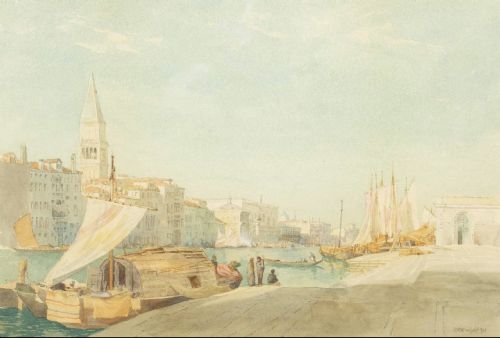
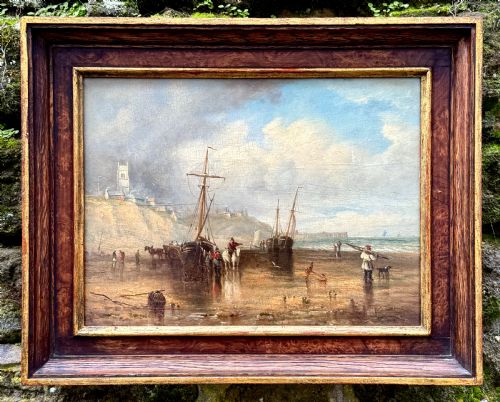
The most common examples on this page are nineteenth-century watercolours and oil paintings depicting British, European, and Mediterranean views. Artists captured changing weather, sunlight on water, and wide atmospheric expanses using traditional canvas, paper, and wood panel supports.
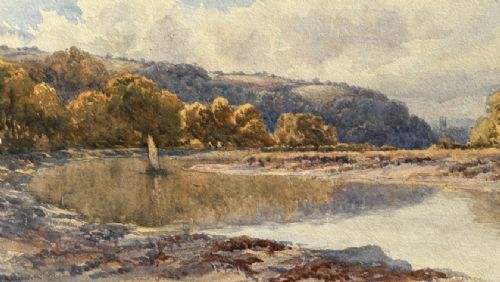
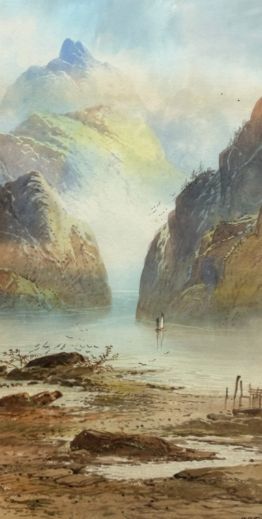
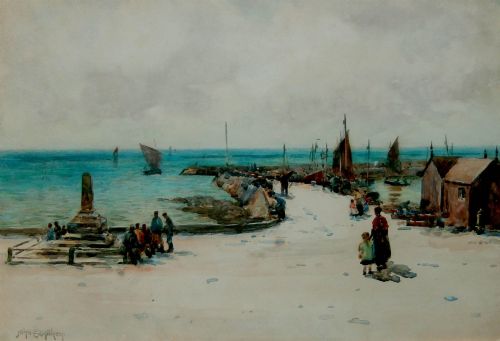
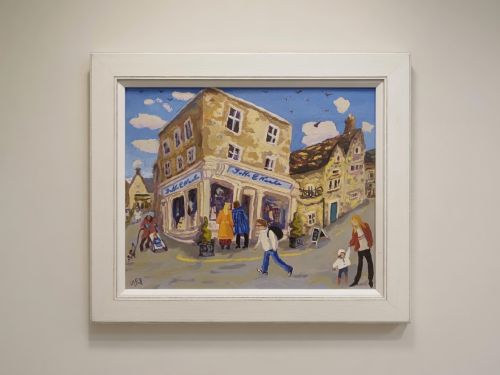
Subjects range from tranquil river estuaries and mountain streams to bustling harbour scenes and Parisian streetscapes under expansive daytime skies. Each piece records a specific geographic location through the distinct lens of its period style.
Materials and technique
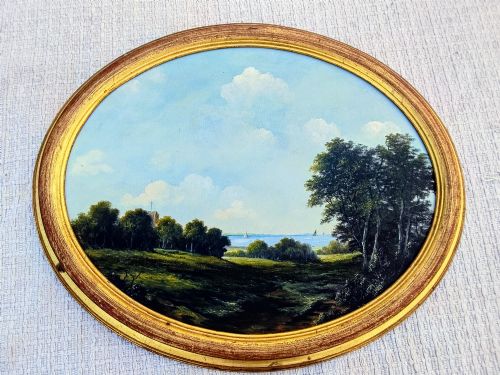
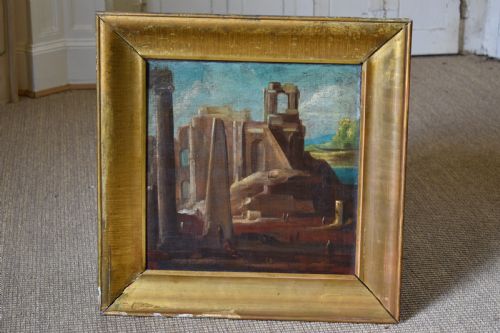
Painters relied principally on oil paint applied to woven canvas or wood panels, alongside watercolour pigment brushed onto heavy paper sheets. These mediums allowed artists to build luminous atmospheric layers and render the subtle tones of open daylight.
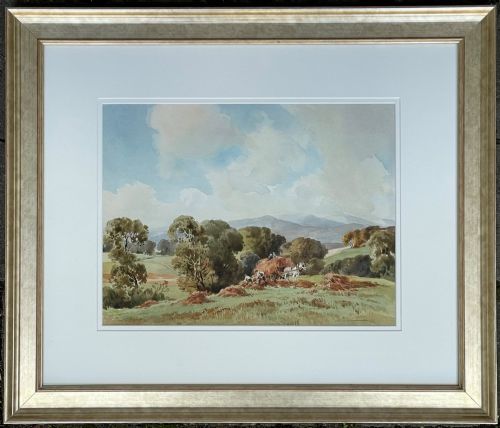
Techniques varied from delicate watercolour washes capturing transparent cloud formations to thick impasto oil strokes creating textured movement in waves and skies. Works were frequently finished with protective varnishes or mounted beneath glass in period frames.
Several artists clearly painted with a steady eye on the horizon and an optimistic weather forecast in their pockets.
Distinctions in quality
The upper tier of works is distinguished by confident brushwork, precise handling of natural light, and a strong compositional balance that gives the open sky depth and movement. Lesser examples often display flat colour application and rigid perspective without atmospheric warmth.
Provenance and condition further separate standard decorative items from masterworks, particularly where paper pigments retain their original vibrancy or oil surfaces remain free from heavy re-touching. Masterful pieces capture transient meteorological conditions with immediate vitality.
William Henry Earp·Percy Lancaster·Robert Leslie Howey·Thomas William Morley·Alfred Pollentine·Francis Moltino·Paul Bret·Richard Henry Wright·Thomas Creswick·Charles Euphraisie Kuasseg·Henry Barlow Carter·Caroline Burnett·Johannes de Haas·Hubert Wellington·Archibald Kay·John Grenville Fennell·William Frederick Settle·Philip Richard Morris·Cornelius Pearson·Charles William Adderton·Helen Layfield Bradley·Gustave De Bréanski·Gabriel Dauchot·Sir Thomas Newenham Dean·Henry John Kinnaird
The Blue Sky Landscape Art Glossary
- Watercolour pigment
- Finely ground colour mixed with a water-soluble binder, applied to paper to achieve translucent washes of light. It requires careful mounting behind glass to prevent moisture damage.
- Impasto
- Paint applied thickly to a canvas or panel so that it stands out from the surface, creating a tactile texture. This technique gives clouds and water a distinct sense of physical presence.
- Canvas
- A heavy woven fabric stretched across a wooden frame to serve as a sturdy support for oil paint. It provides a flexible yet durable foundation for historic paintings.
- Provenance
- The documented history of ownership surrounding a work of art, establishing its authenticity and origin. A clear record adds substantial context to nineteenth-century and twentieth-century paintings.
- Gouache
- An opaque water-based paint similar to watercolour but mixed with a white pigment to create solid, flat colour planes. It often appears alongside watercolour in early twentieth-century landscapes.
Blue Sky Landscape Art: Frequently Asked Questions
What subjects appear most often in these paintings?
Landscapes and coastal views dominate the selection, frequently featuring rivers, harbours, and architectural landmarks beneath expansive daytime skies. Artists focused heavily on natural light across British and European topography.
Scenes range from quiet rural bogs to busy Mediterranean ports and Parisian streets, reflecting shifting artistic interests from the Victorian era into the mid-twentieth century.
How should I care for historic watercolours?
Watercolour paintings require protection from direct sunlight to prevent the pigments from fading over time. Keeping them in stable humidity conditions safeguards the paper support.
Displaying pieces away from damp walls and ensuring secure framing preserves the integrity of both the paper and any associated gouache highlights.
How can I identify the period of a landscape painting?
Stylistic clues such as brushwork technique, framing style, and the treatment of light help narrow down the date of creation. Victorian works often show meticulous detail, while later twentieth-century pieces adopt freer Impressionist strokes.
Signatures, artist dates, and traditional framing materials also provide reliable indicators of whether a piece originates from the nineteenth century or the mid-twentieth century.
What is the difference between oil and watercolour landscapes?
Oil paintings utilise heavy pigments suspended in oil on canvas or wood panels, allowing for rich textures and deep colour blending. They offer robust durability compared to paper-based works.
Watercolours rely on transparent washes on paper, creating luminous and delicate atmospheric effects that require protective glass framing to remain secure.