



Blue Silk Wall Hanging
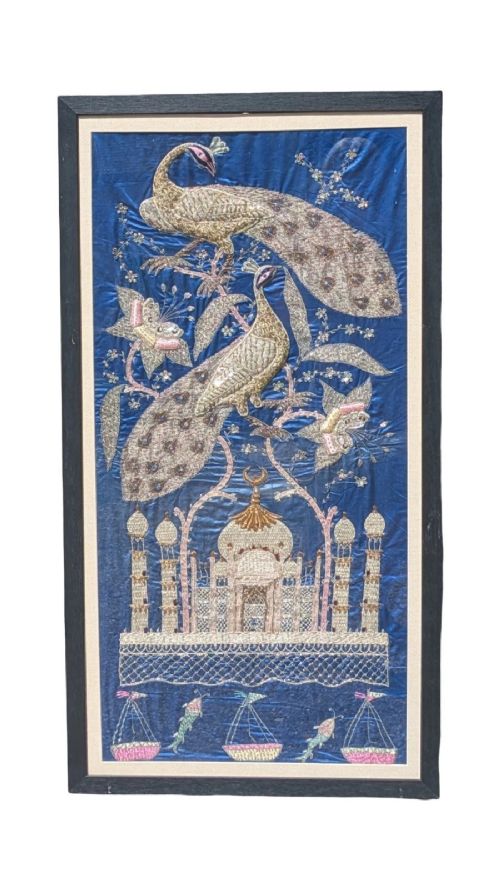
A blue silk wall hanging brings centuries of textile artistry into a room, offering rich colour and texture through woven or embroidered threads.
Blue Silk Wall Hanging
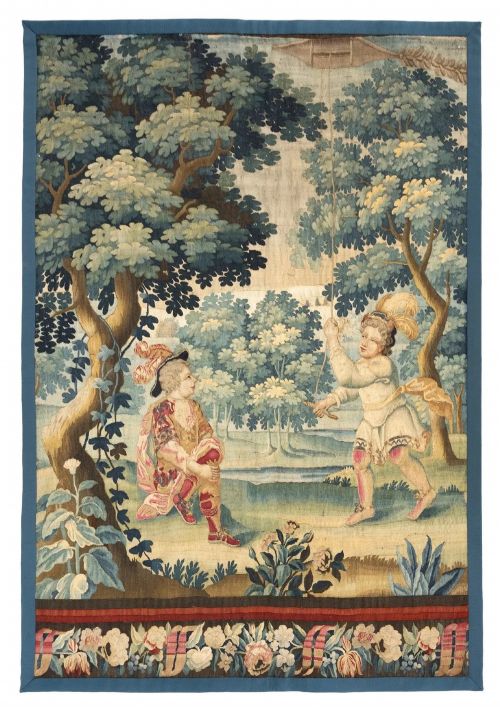
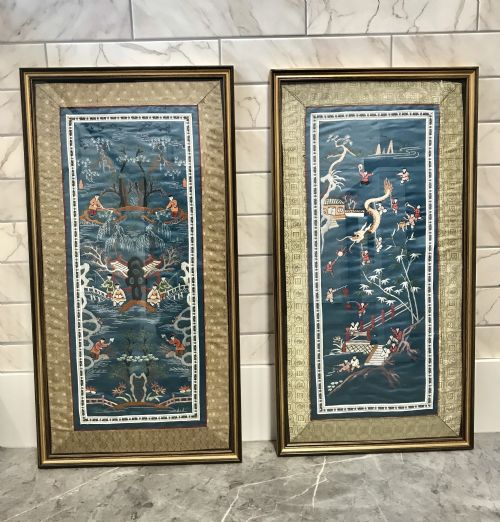
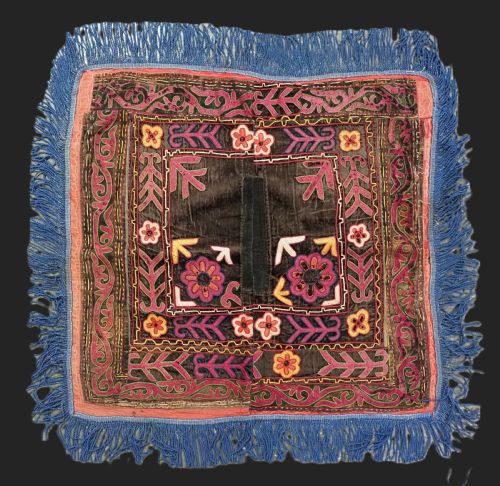
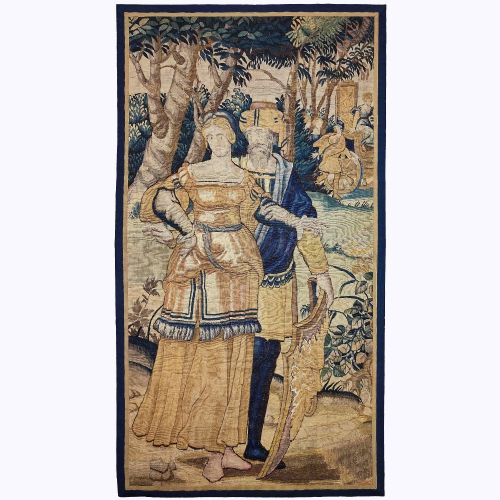
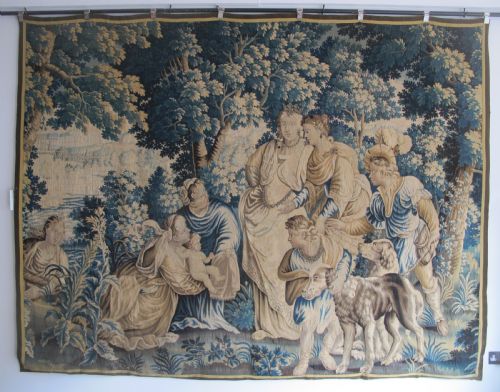
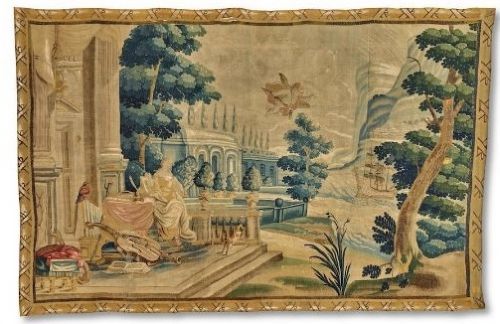
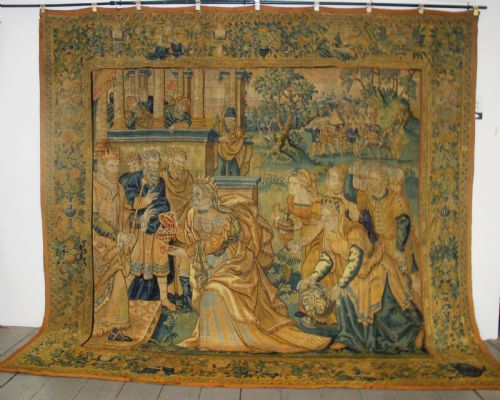
A blue silk wall hanging encompasses diverse historic textiles, from large seventeenth century Flemish verdure tapestries to intricate nineteenth century Chinese silk embroidery panels and Central Asian tribal works. Buyers seeking this category encounter framed textile art, antique tapestries, and embroidered robes mounted for display, reflecting centuries of global craftsmanship.
The selection ranges from grand mythological Flemish scenes to delicate Turkish miniature silk rugs and Uzbek dowry embroideries. Most examples incorporate various materials alongside silk, anchoring ancient textile traditions to interior walls.
Assessing Quality
The distinction between tiers rests upon the density of the weave, the complexity of the hand sewing, and the preservation of the delicate silk fibres over centuries. Superior examples demonstrate remarkable precision in pictorial detail, whether depicting mythological figures, dragons, or natural foliage.
Condition and completeness also drive distinction, as fragments differ substantially from intact panels or complete robes. The artistry of the dye work and the survival of original metallic threads determine the enduring visual strength of each textile.
Some winter coats travelled thousands of miles before ending up framed on a wall.
The Blue Silk Wall Hanging Glossary
- Verdure tapestry
- A woven wall hanging featuring a predominant landscape design of trees, foliage, and occasionally animals. These seventeenth and eighteenth century pieces typically utilise green and blue tones.
- Ilgich
- An embroidered wall hanging created by Central Asian tribal makers as part of dowry traditions. They frequently display geometric or symbolic motifs stitched with vibrant thread.
- Aubusson tapestry
- A woven textile originating from the French town renowned for producing floor carpets and wall hangings. These works often depict pastoral or biblical scenes within decorative borders.
- Hereke rug
- A finely knotted carpet produced in a Turkish coastal town, known for intricate pictorial or floral designs. Framed examples function as decorative wall art.
- Chapan
- A quilted and padded coat worn in Central Asia, occasionally repurposed and displayed as a textile wall hanging. These garments showcase complex silk ikat patterns.
Blue Silk Wall Hanging: Frequently Asked Questions
How do I hang a textile securely?
Heavy tapestries and framed silk panels require specialist weight-distribution battens or professional framing to prevent fabric distortion over time.
Lighter embroideries and robes can be mounted using non-damaging archival support systems that protect the delicate fibres.
How should I clean historic silk?
Historic textiles demand specialist textile conservation rather than domestic washing methods.
Dusting should be done very gently with a soft brush, avoiding any direct moisture or friction on fragile silk and metallic threads.
Can I display these pieces in sunlight?
Direct sunlight causes natural and synthetic dyes in silk and wool to fade permanently.
Placing pieces away from windows or using UV-filtering glass helps preserve the original colours.
What is the difference between a tapestry and an embroidery?
Tapestries are woven on a loom where the design is created by interlacing warp and weft threads.
Embroideries are stitched by hand onto an existing fabric ground, such as a silk panel.