



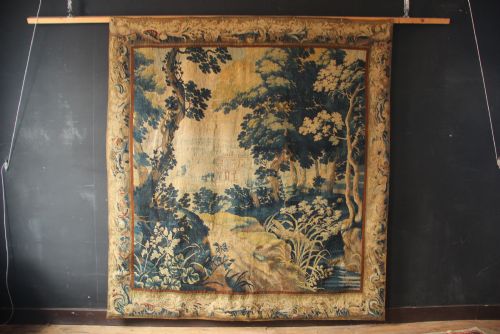
Large Wall Textile
Large wall textile covers centuries of woven art, from Flemish verdure panels to vibrant Uzbek ikats, offering rich texture and historic scale for expansive interiors.
Large Wall Textile
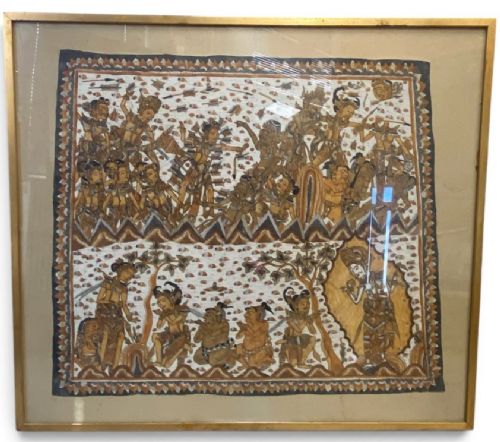
When you search for a large wall textile, you encounter woven panels, hand-embroidered samplers, and painted temple hangings designed to decorate substantial spaces. These historic items span centuries of global craftsmanship, encompassing European chateau weaving as well as Asian and Central Asian tribal textile art.
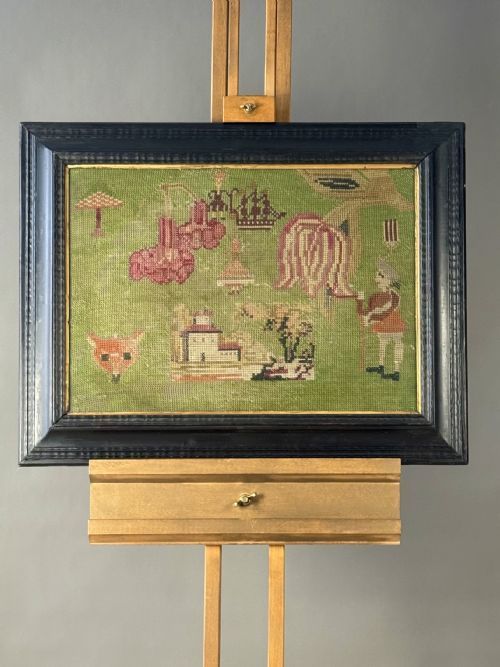
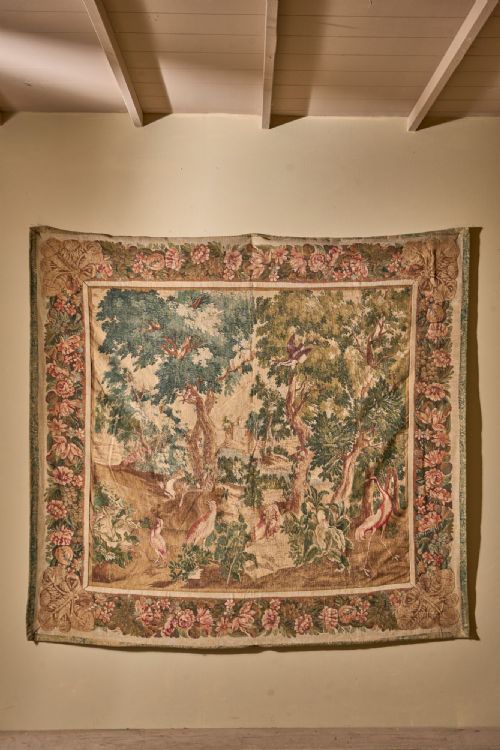
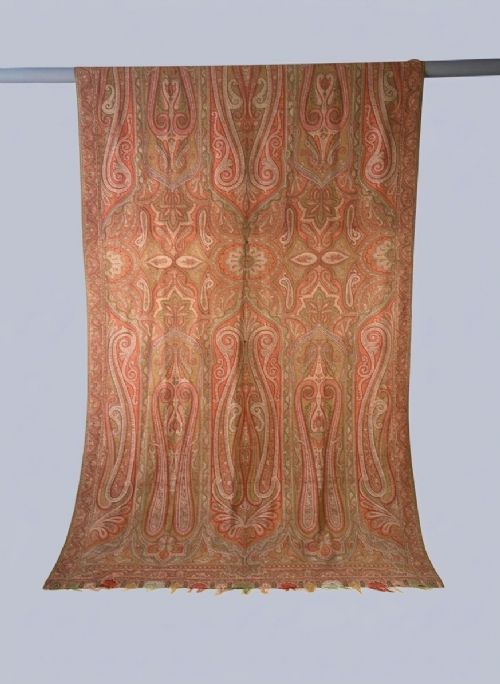
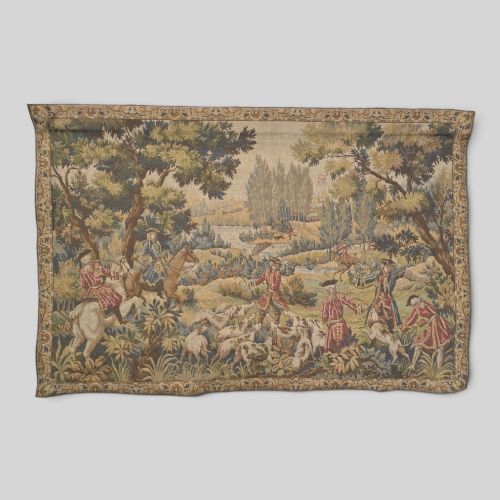
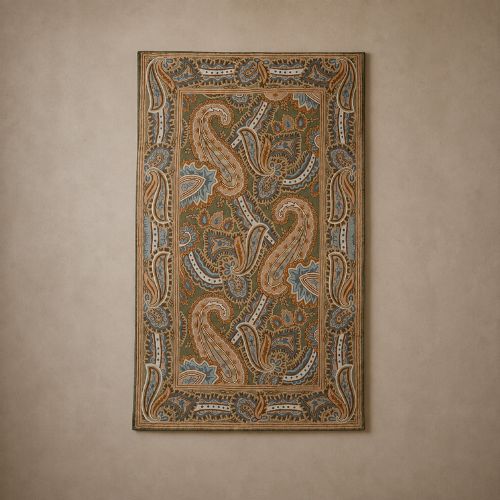
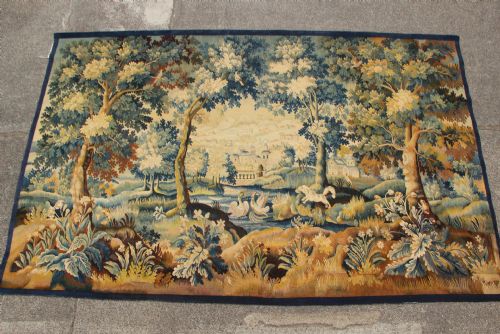
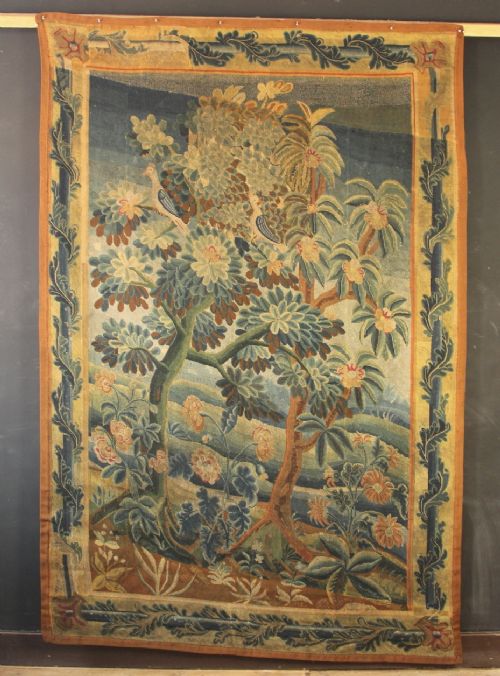
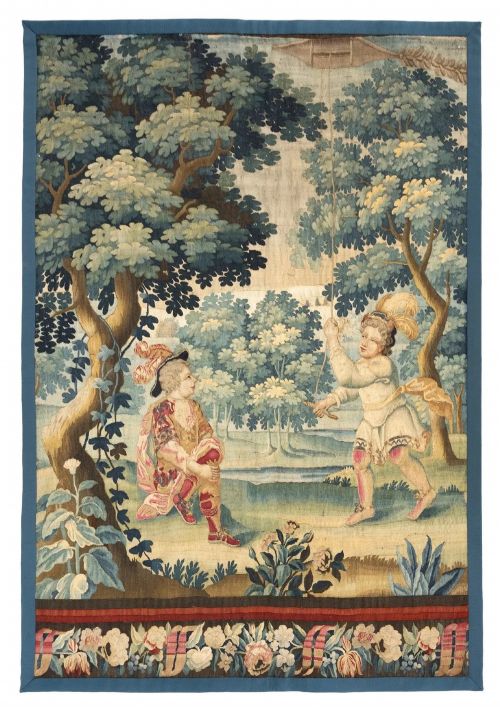
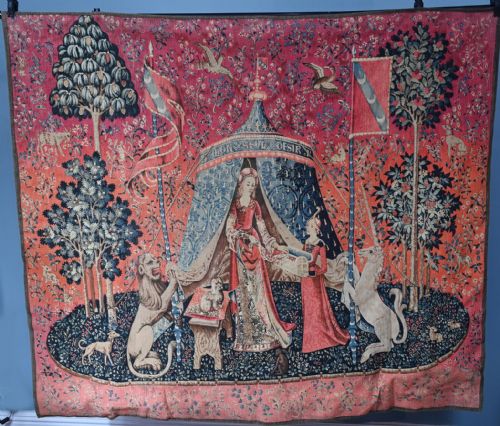
The version you are most likely to meet on this page is a French or Flemish verdure tapestry from the seventeenth or eighteenth century, alongside nineteenth-century Scottish wool shawls, crewelwork panels, and regional Uzbek ikats. They arrive in various forms including framed wool work pictures, applique panels, and traditional Suzani wall hangings.
These textiles function primarily as decorative architectural elements, historically used to insulate stone walls or provide grand narrative backdrops within domestic interiors. Their substantial dimensions require considered wall space, making them a focal point in period and eclectic room schemes alike.
Materials and construction methods
Makers utilised natural fibres such as wool, silk, cotton, and linen, often combining them with metal threads to create complex surface textures and light-reflecting details. Natural dyes provided the foundational palette for both European verdure scenes and Central Asian tribal weavings.
Techniques range from traditional loom weaving and intricate needlework to block printing, hand-painting, and silk patchwork construction. Artisans applied specialised skills like crewelwork embroidery and appliqué to achieve high visual depth across large scales.
Current listings feature textiles spanning the seventeenth to the twentieth century, utilising wool, silk, cotton, and natural dyes across European and Asian origins.
Distinctions in quality and execution
The standard of a large wall textile depends heavily on the complexity of the design, the fineness of the thread count, and the depth of the palette achieved through natural dyes. Pieces originating from established European centres like Aubusson or Audenaarde often display sophisticated pictorial composition and narrative clarity.
Material selection significantly impacts the overall success of the piece, particularly where silk or metal thread adds reflective luminosity to wool foundations. The precision of the execution, whether in the knotting of a Turkmen torba or the needlepoint stitches of a sampler, defines the longevity and visual impact of the work.
The Large Wall Textile Glossary
- Verdure tapestry
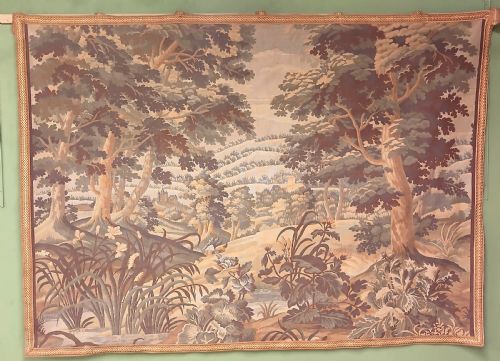
- A woven wall hanging dominated by landscape, foliage, and garden scenery, often featuring trees, plants, and small animals. These pieces were particularly popular in seventeenth and eighteenth-century Flemish and French workshops.
- Needlework
- A general term for decorative sewing and textile arts created using a needle and thread upon a ground fabric. Historic examples include framed samplers and pictorial wall panels.
- Ikat
- A dyeing technique where warp or weft threads are tie-dyed before weaving to create characteristic blurred pattern edges. The method produces distinct geometric and floral designs found across Central Asian textiles.
- Appliqué
- A sewing technique where smaller pieces of fabric are attached to a larger background textile to form a picture or pattern. Egyptian tentmakers historically produced large-scale examples using this method.
Large Wall Textile: Frequently Asked Questions
How were large wall textiles hung historically?
Historically, large textiles were hung using iron hooks, rings, or specialised suspension systems attached directly to stone or plaster walls. This method kept the heavy woven panels slightly away from damp surfaces to protect the organic fibres.
In modern settings, conservation-grade Velcro systems or hidden wooden battens distribute the weight evenly across the top edge of the textile. This prevents distortion and allows the piece to hang flat without stressing individual stitches.
What is the difference between an Aubusson and a Flemish tapestry?
Aubusson tapestries originate from the French town of the same name and typically reflect lighter, more pastoral or classical design influences. They often feature refined floral borders and balanced compositions typical of French decorative arts.
Flemish tapestries, particularly those from earlier centuries, tend to display dense verdure foliage, darker tones, and complex mythological or biblical narratives. The weaving density and specific regional wool sourcing also help differentiate the two traditions.
Can these textiles be displayed in modern homes?
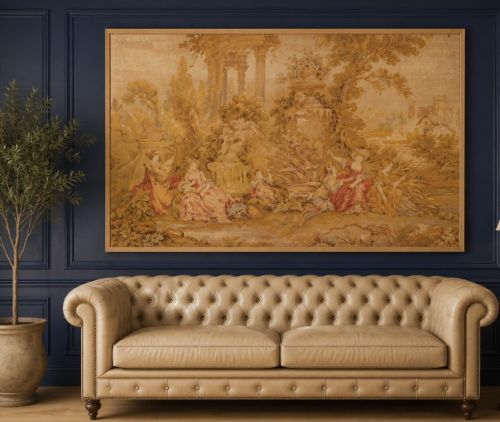
These textiles adapt well to contemporary interiors by adding acoustic softness, warmth, and significant visual texture to minimalist or industrial spaces. Their large scale makes them suitable as primary focal points above sofas, sideboards, or open stairwells.
Displaying them away from direct sunlight and high-humidity areas ensures the natural dyes and delicate fibres remain stable. Proper backing and professional hanging hardware protect the textile from sagging over time.
How do you identify the age of an antique textile?
Dating relies on examining the specific dye palette, fibre types, stylistic motifs, and structural construction techniques characteristic of particular periods. For instance, seventeenth-century Flemish pieces show distinct verdure conventions compared to nineteenth-century Scottish wool shawls or twentieth-century ikat panels.
Comparative analysis with documented examples from known regions helps narrow down the origin and production era. Edge finishes, selvages, and any surviving signatures or workshop marks offer further clues to chronology.