



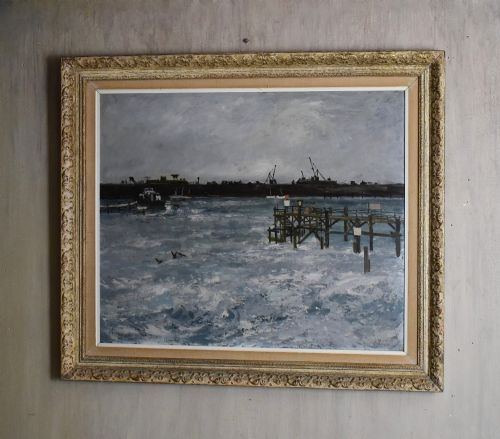
Blue Seascape Painting
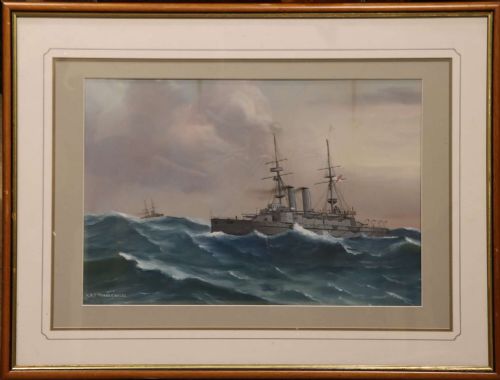
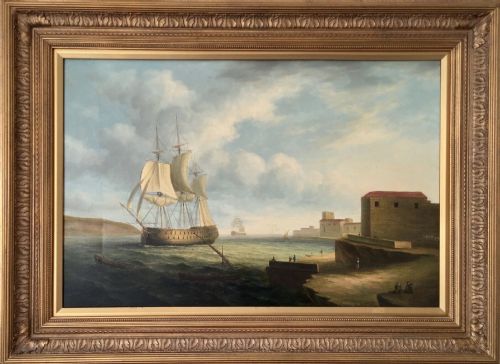
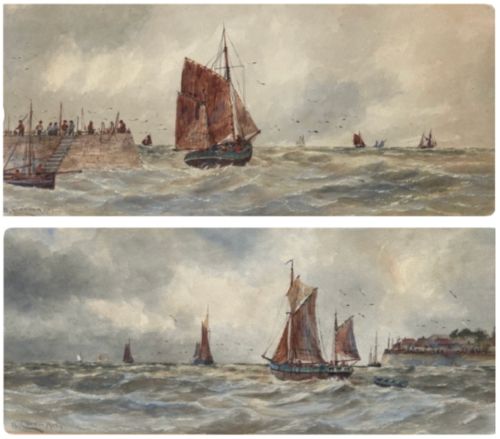
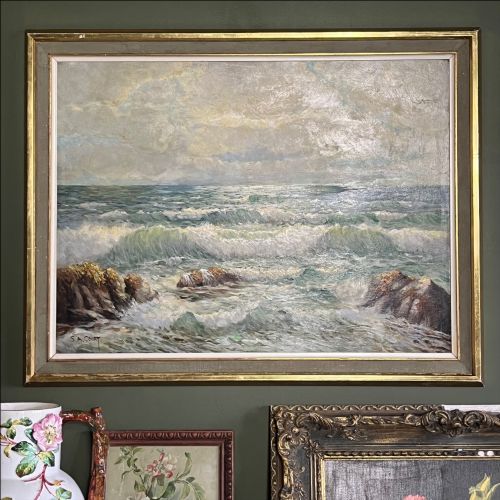
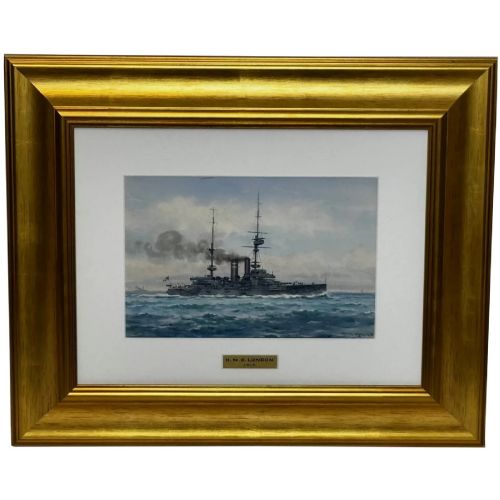
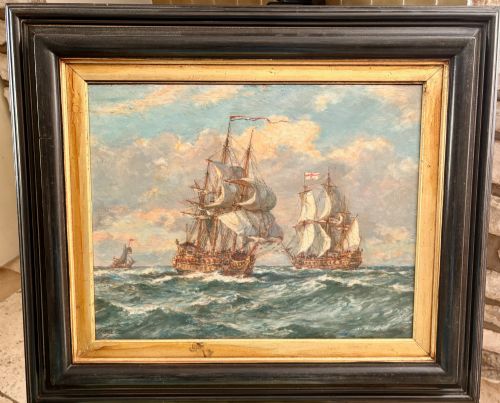
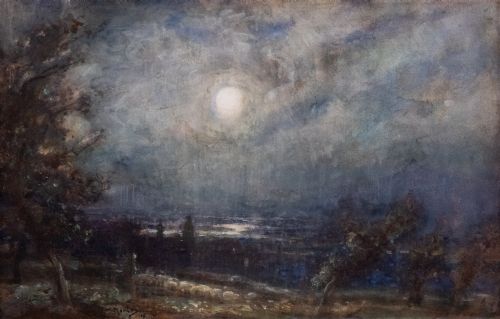
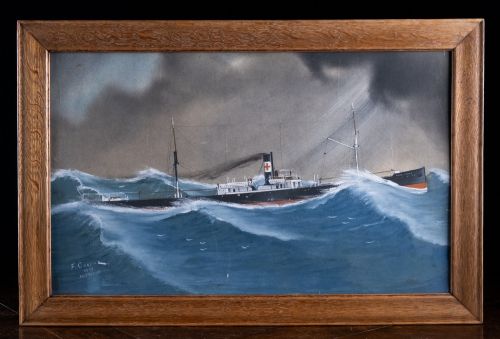
A blue seascape painting captures the open water and coastal air through the lasting traditions of marine art and watercolour.
Blue Seascape Painting
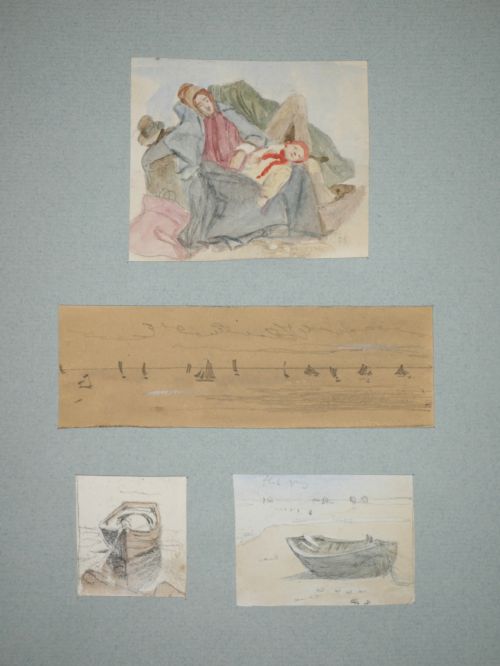
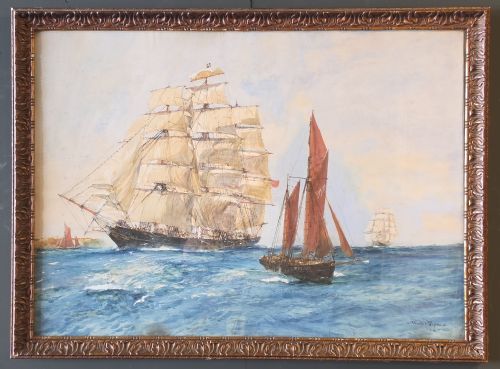
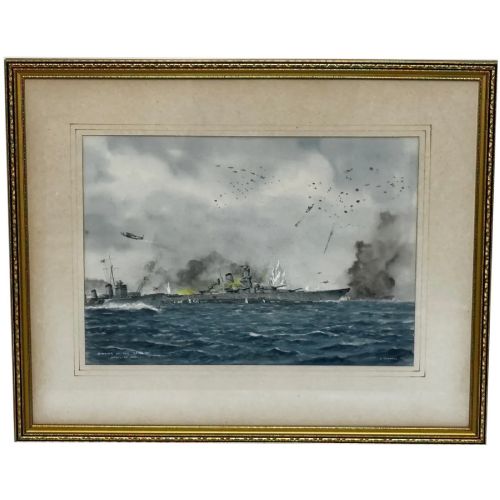
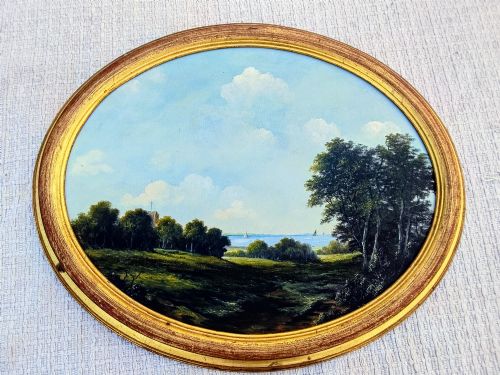
A blue seascape painting brings coastal views, harbour scenes and open waters into interior spaces through historic works on paper and canvas. Buyers searching this phrase encounter maritime watercolours, coastal oils and harbour sketches spanning from the Victorian era into the mid-twentieth century.
The selections available range from detailed nineteenth-century depictions of naval ships and fishing vessels to atmospheric twentieth-century interpretations of coastal Cornwall, Venice and the British shore. These works appear in varied formats including traditional framed watercolours, gouache on board and oil on canvas or panel.
How they were made
Artists utilise traditional pigments applied in watercolour washes or oil paint spread across prepared canvas, wooden panels and heavy paper sheets. Works executed en plein air capture direct observation of coastal light and weather, whilst studio compositions build up layered maritime scenes.
Support materials vary from stretched linen canvas to watermarked paper and wood panels, often housed within period timber frames that protect the fragile paint and pigment layers.
Several artists preferred painting stormy waters, ensuring their studio floors smelled perpetually of linseed oil and salt.
What varies in quality
Quality rests upon the artist's ability to render water, movement and atmospheric light with confident brushwork or precise watercolour technique. Superior examples demonstrate a careful balance of tone and perspective, particularly in complex depictions of sailing vessels, rigging and coastal architecture.
The preservation of the pigment and the condition of the original support surface also determine the calibre of the piece, with stable canvas tension and minimal fading protecting the intended visual impact.
James Hardy·James Orrock·William Cannon·Charles Edward Dixon·Thomas William Morley·Francis Moltino·Bernard Benedict Hemy·Thomas Creswick·George Stanfield Walters
The Blue Seascape Painting Glossary
- Watercolour
- A paint consisting of colour pigment suspended in a water-soluble binder, traditionally applied to paper.
- En plein air
- A French term describing the practice of painting outdoors to capture direct natural light and atmospheric conditions.
- Marine art
- Artistic representation of the sea, ships, coastal views and maritime engagements.
- Gouache
- An opaque water-based paint that includes a white pigment filler, producing a denser finish than transparent watercolour.
Blue Seascape Painting: Frequently Asked Questions
How do I care for antique watercolours?
Keep works on paper away from direct sunlight to prevent fading of the delicate pigments.
Ensure they are displayed in rooms with stable humidity levels to protect the paper and the surrounding mount.
Where were these coastal scenes painted?
Many depict British fishing ports, Cornish harbours and familiar coastal landmarks from the nineteenth and early twentieth centuries.
Others record international locations including Venetian canals and Mediterranean waters.
What is the difference between oil and watercolour seascapes?
Oil paintings utilise slow-drying pigment suspended in oil, allowing for rich texture and deep tonal layering on canvas or panel.
Watercolours rely on thin, translucent washes applied to paper to create bright, luminous effects.
How can I date an antique marine painting?
Examine the style of the vessels, clothing of any figures, and the framing materials used.
Signatures, artist dates and exhibition labels on the reverse also provide clear chronological markers.