




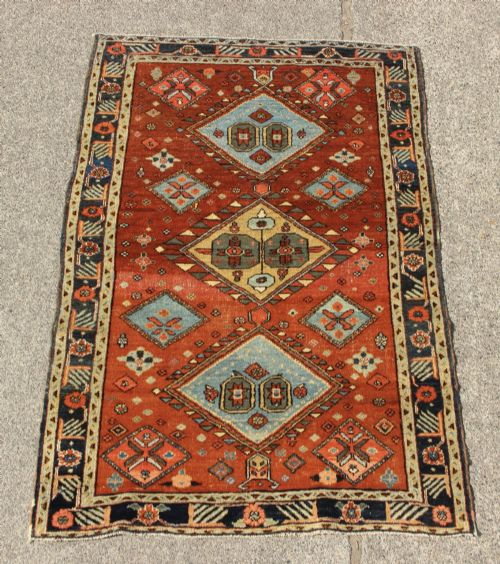
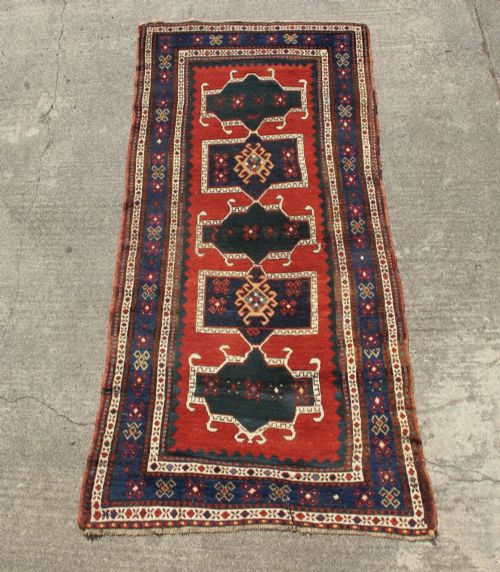
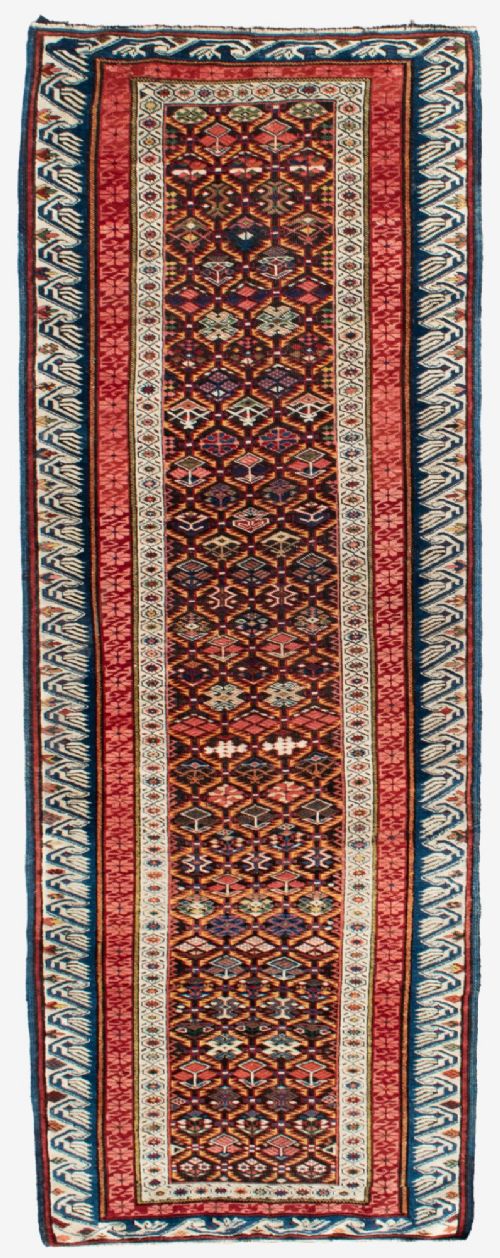
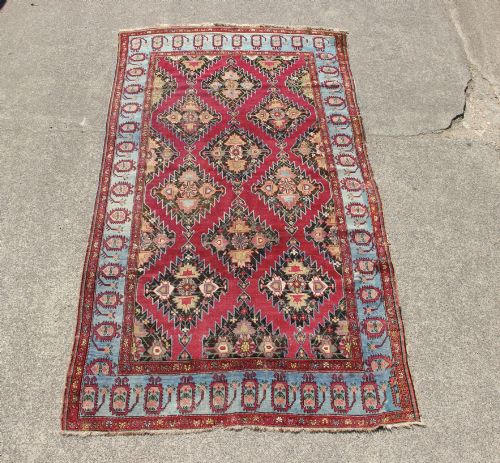
Blue Red Caucasian Carpet
A blue red caucasian carpet brings bold geometric motifs and rich heritage into a room.
Blue Red Caucasian Carpet
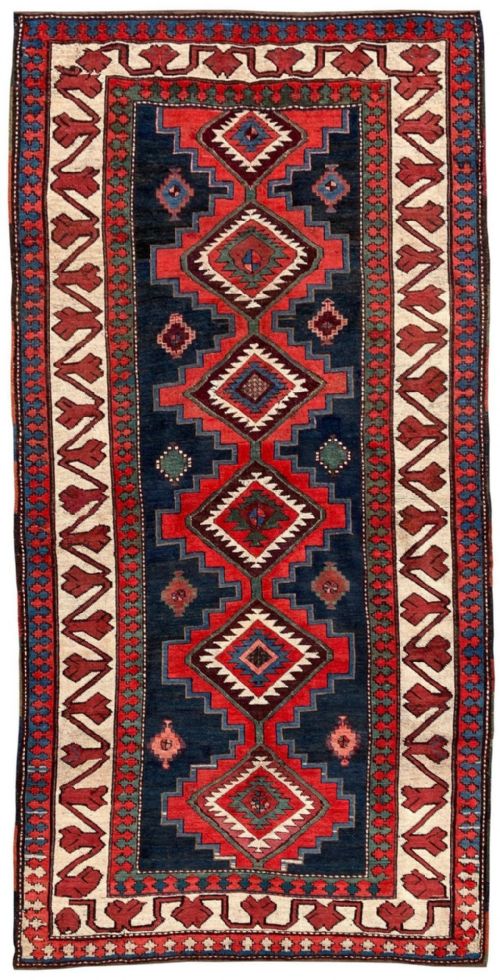
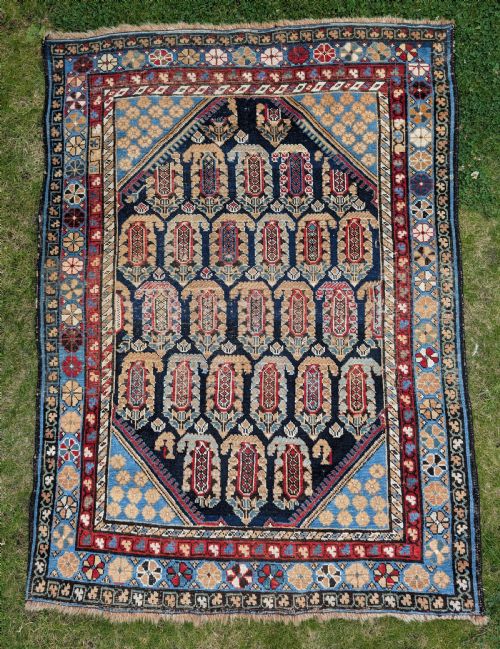
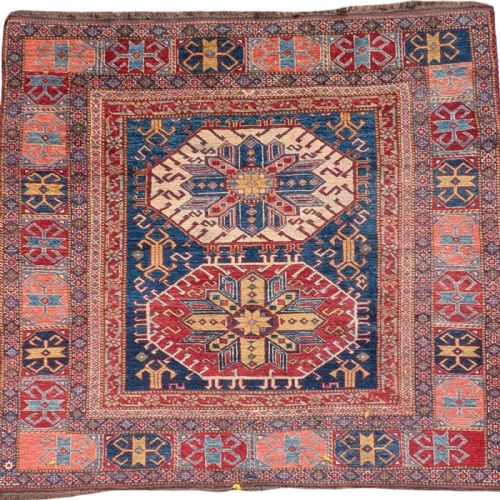
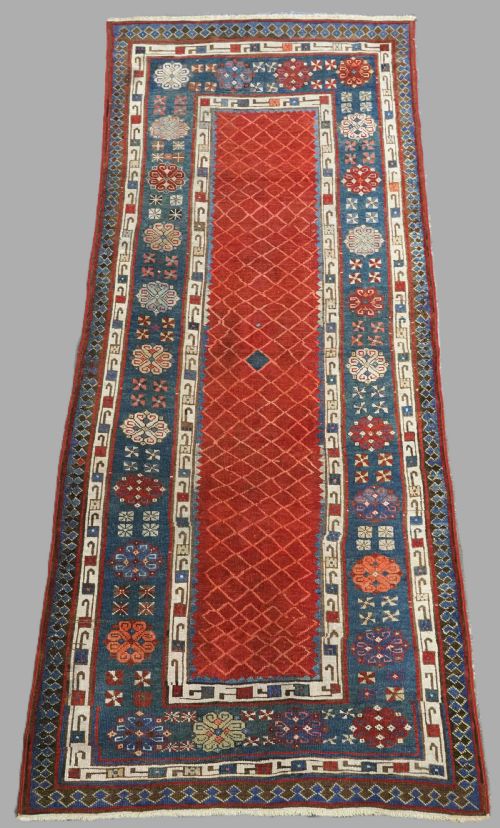
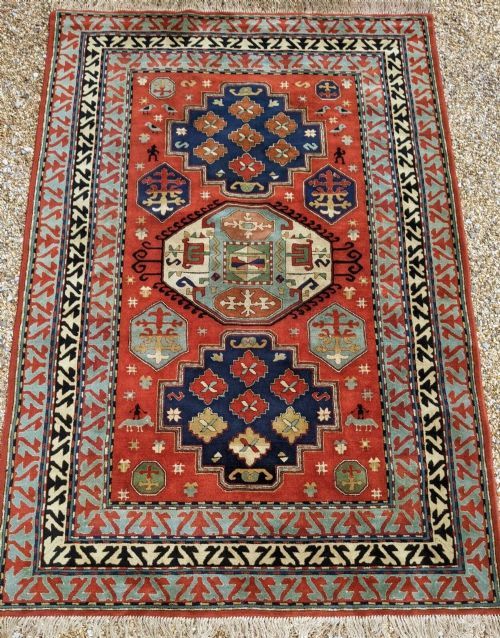
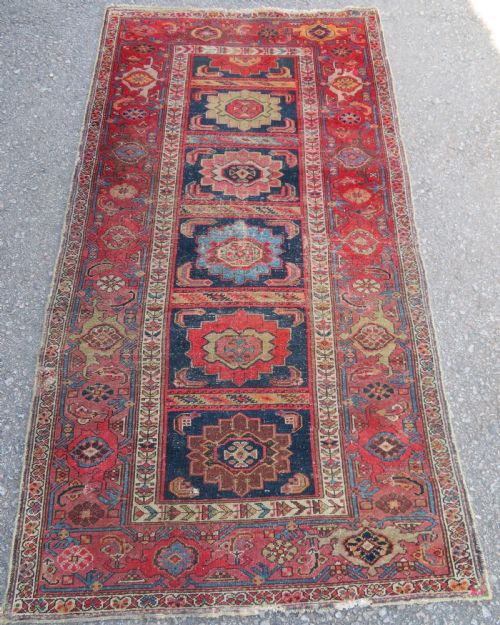
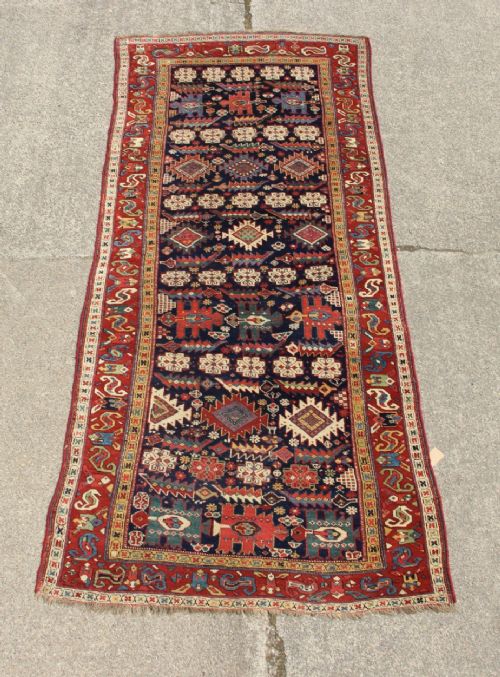
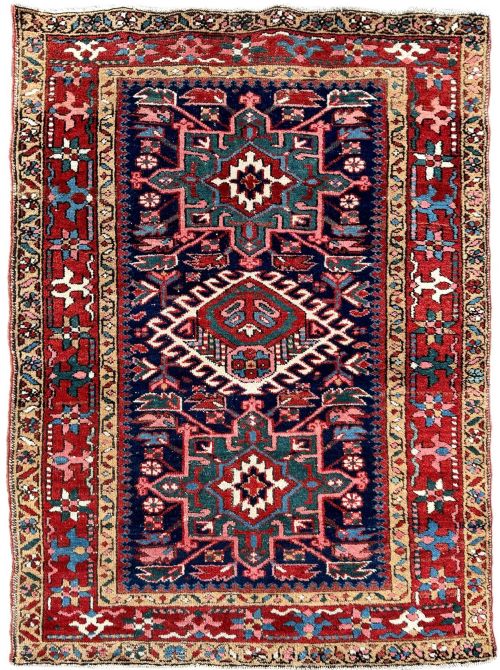
When you search for a blue red caucasian carpet, you encounter hand-knotted tribal and village floor coverings originating from the Caucasus region and surrounding areas. These pieces date predominantly from the nineteenth and early twentieth centuries, spanning periods such as 1880, 1890, and 1900. The selection includes various formats like runner rugs, prayer rugs, long rugs, and area rugs.
The most common examples on this page are Kazak, Shirvan, Karabagh, and Kuba rugs alongside Persian village pieces like Heriz, Karadja, and Kurdish weaves. Buyers look for these items to anchor a room with distinct tribal geometry, medallions, and traditional motifs. Each piece reflects the specific regional weaving traditions of its makers.
Materials and construction
These carpets are constructed using wool and hand-spun wool, often paired with cotton foundations. The pile is hand-knotted by weavers working in tribal and village settings across the Caucasus and Persia. Artisans utilised natural dyes to achieve deep blues and reds that age gracefully over time.
Flat-weave techniques also appear in the form of kilims and sumaks, where craftsmen build patterns without a pile. These construction methods result in durable textiles designed for practical daily use. The combination of natural materials and traditional hand-knotting gives each rug its physical weight and character.
Listings feature pieces spanning from the mid-nineteenth century through the 1940s, utilising hand-spun wool and natural dyes.
Judging quality in these carpets
Quality in these textiles rests upon the handling of the wool and the clarity of the natural dye palette. Tightly packed knots and resilient hand-spun wool produce a denser pile that withstands decades of foot traffic. Superior examples display crisp definition in the geometric medallions and tribal motifs.
The precision of the weave and the balance of the blue and red tones determine the visual strength of the piece. Minor irregularities often indicate genuine hand-production by village or tribal weavers rather than factory standardisation. A successful example maintains structural integrity while showing the organic character of its age.
The Blue Red Caucasian Carpet Glossary
- Kazak
- A type of Caucasian rug known for bold geometric designs and primary colour palettes. These pieces typically display large medallions and rectilinear motifs.
- Kilim
- A flat-woven carpet or rug made without a pile. Artisans interweave warp and weft strands to create flat, reversible geometric patterns.
- Sumak
- A flat-weaving technique involving wrapping the weft threads around the warp threads for extra structure. This method creates a textured surface distinct from standard pile rugs.
- Prayer rug
- A small rug featuring a mihrab or arch design at one end. Historically utilised for daily Islamic prayers.
- Kelleh
- A large format carpet format, longer than a standard rug but narrower than a full room-size carpet. These were traditionally produced in Persian and Caucasian workshops.
Blue Red Caucasian Carpet: Frequently Asked Questions
How do I clean an antique rug?
Gentle surface brushing and professional specialist washing maintain the integrity of the natural dyes and wool pile. Avoid harsh chemical detergents and excessive water immersion.
Regular light vacuuming without a rotating power head prevents dust accumulation in the base of the pile. Specialist care ensures the wool remains supple over decades of display.
Where were these rugs made?
Weavers produced these textiles in tribal and village communities across the Caucasus region, including areas like Shirvan, Karabagh, and Kazak. Neighbouring Persian districts such as Heriz, Karadja, and Kurdish regions also contributed similar aesthetic traditions.
Nomadic and settled village groups utilised local sheep's wool and plant-based dyes to complete the carpets in domestic workshops. Each origin brings distinct structural characteristics to the finished weave.
Are these rugs suitable for hallways?
Runner rugs and long formats function well in hallways and corridors where narrow dimensions are required. The dense wool construction handles moderate walking traffic effectively.
Placing a proper underlay beneath the rug prevents slipping and reduces wear on the cotton foundation. This ensures the textile remains stable on hard flooring surfaces.
How do I date a carpet?
Dating relies on stylistic analysis of the motifs, structural examination of the wool and dyes, and comparison with documented examples from periods like 1880, 1890, or 1900. Natural dye palettes and hand-spun wool generally point to nineteenth or early twentieth-century manufacture.
Wear patterns, fringe construction, and regional knotting styles offer further clues to the age of the piece. Experts combine these physical indicators to place the textile within a plausible production era.