
Blue Pottery Urn
A blue pottery urn brings cobalt and indigo tones to a room through centuries of earthenware, porcelain, and stoneware traditions.
Blue Pottery Urn
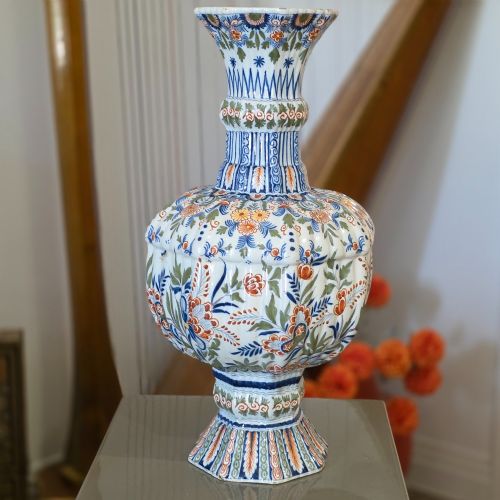
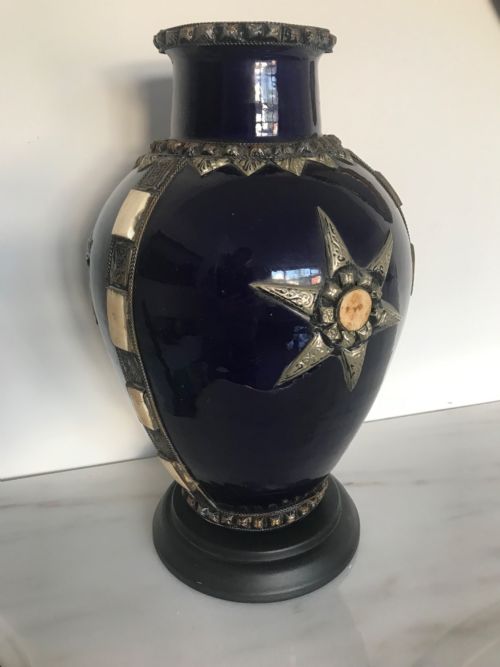
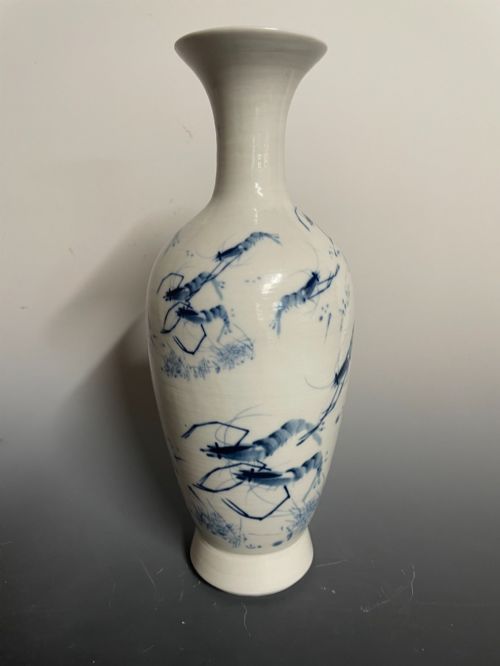
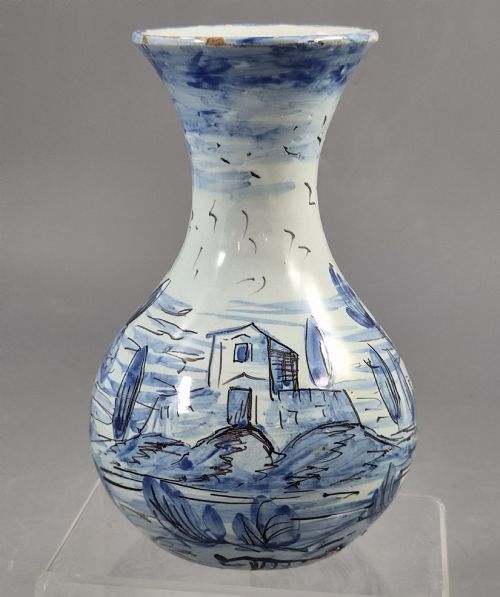
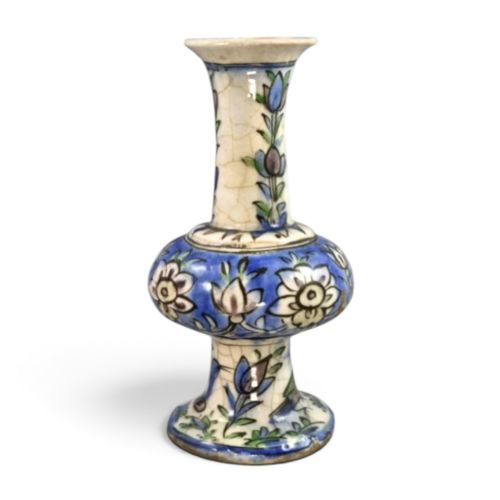
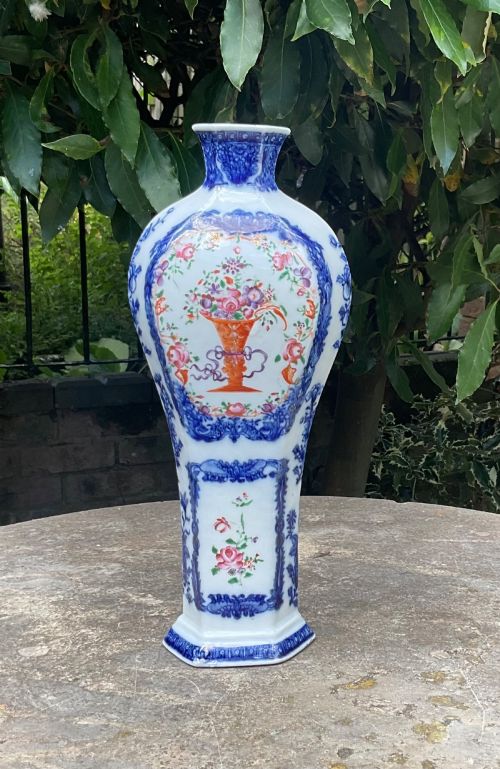
When you search for a blue pottery urn, you encounter vessels spanning the eighteenth, nineteenth, and early twentieth centuries, produced across European, Asian, and Middle Eastern workshops. The forms range from lidded jars and baluster vases to table lamps and decorative urns, often featuring traditional cobalt blue decoration.
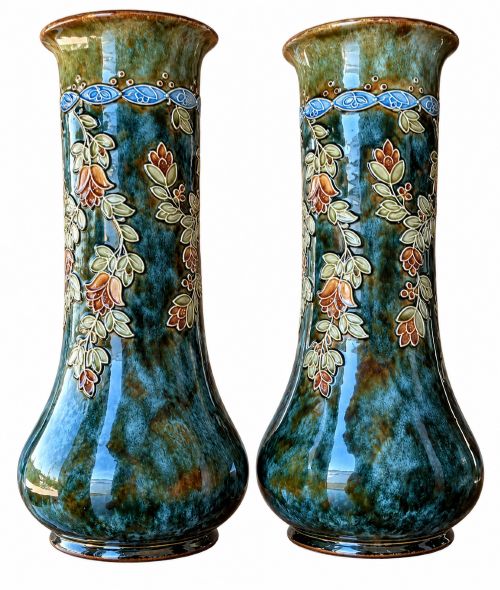
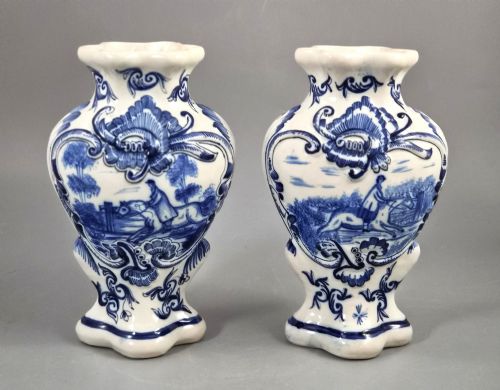
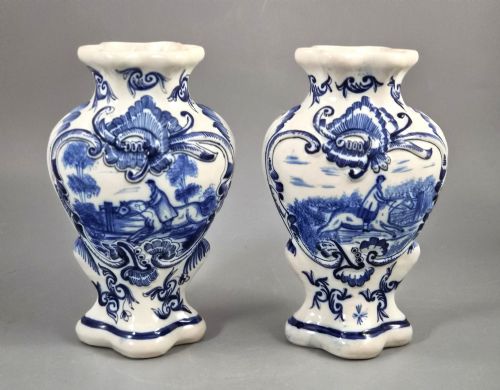
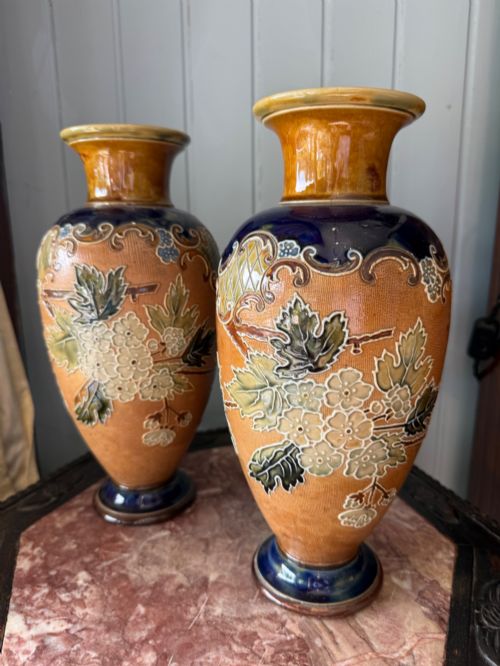
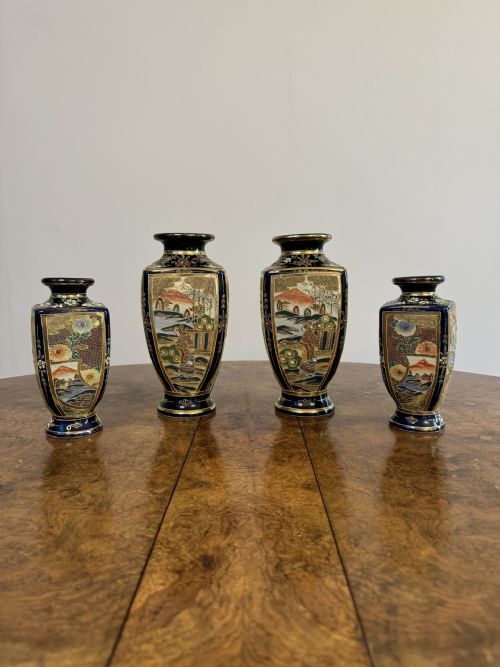
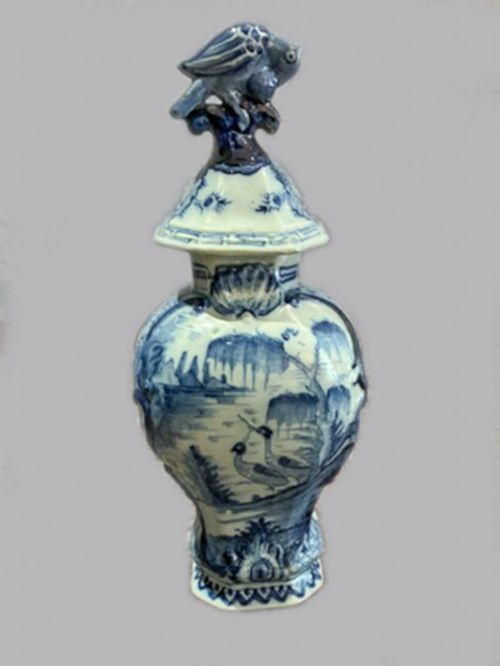
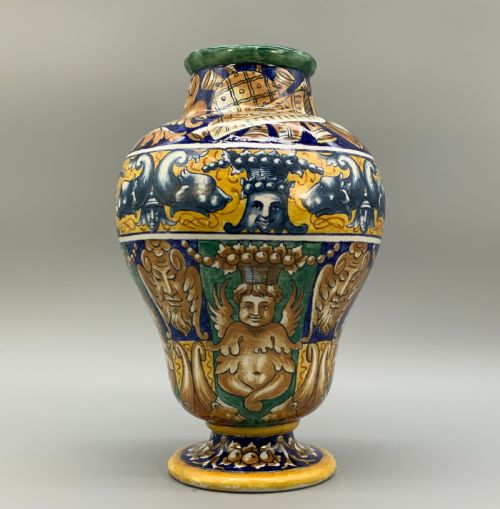
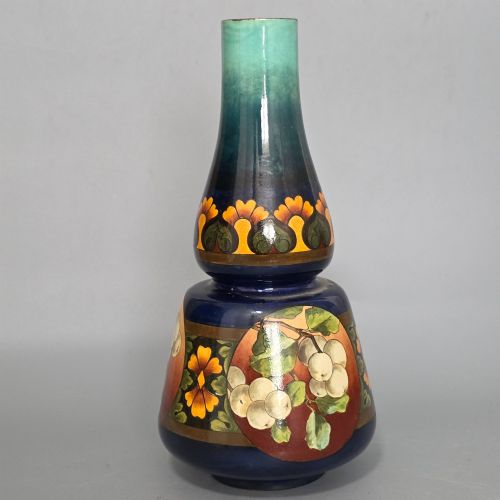
European examples on this page lean heavily toward Dutch Delftware, English stoneware from factories like Royal Doulton, and French faience. Alongside these, you find Japanese Imari and Satsuma porcelains, Chinese ceramics, and Persian glazed pottery from the late nineteenth century.
The selection includes both single cabinet pieces and matched pairs, taking forms designed originally for display on mantelpieces or as garniture sets. Many retain their original covers, while others have been adapted as table lamps in subsequent periods.
How they were made
Potters shaped these vessels from earthenware, stoneware, or porcelain, applying tin glazes, enamel, or salt glazes to create the characteristic smooth surfaces. Cobalt pigment provided the deep blue coloration, painted either freehand or transferred before high-temperature firing.
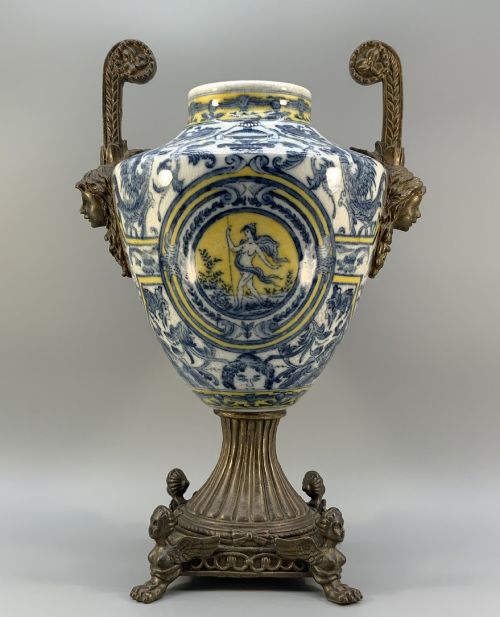
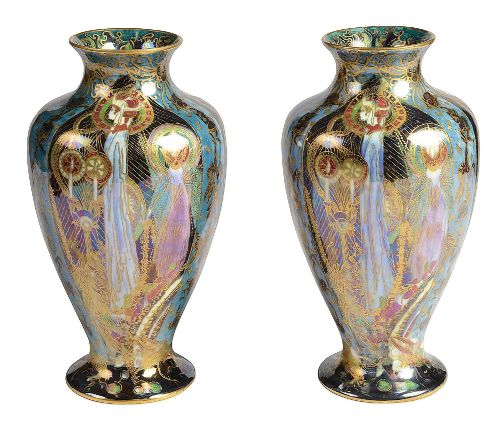
Many items incorporate additional decorative elements, such as gold leaf detailing, hand-enamelled patterns, or cast bronze mounts fitted to the ceramic bodies. Makers utilised techniques ranging from traditional wheel throwing to intricate slip-casting and hand-painting by named designers.
Several Victorian vases incorporate exotic birds peering out from scale blue grounds.
What varies in quality
Quality rests in the crispness of the painted detail and the depth of the glaze, distinguishing standard production wares from studio pieces painted by named artists. The complexity of the cobalt design and the inclusion of supplementary materials like gold leaf or bronze mounts elevate certain examples above simpler factory output.
Condition and completeness also govern the standing of a piece, particularly the survival of matching covers on jars and urns. Original mounts, factory marks, and the clarity of the ceramic body separate routine decorative items from collectible cabinet specimens.
Royal Doulton·Fourmaintraux Courquin·Cantagalli·Wileman·Royal Crown Derby·Minton·Brannam·Booths·Wedgwood
The Blue Pottery Urn Glossary
- Delftware
- Tin-glazed earthenware produced in the Netherlands and England, typically featuring blue and white decoration inspired by imported Asian porcelain. It often displays a white opaque glaze over a buff or yellowish clay body.
- Imari
- Japanese porcelain decorated in underglaze blue, iron red, and gilt, named after the port from which goods were shipped. The style became widely imitated by European potteries during the nineteenth century.
- Garniture
- A set of matching vases or urns designed to be displayed together on a mantelpiece or cabinet. These sets usually comprise three to five graduated or matching vessels.
- Baluster
- A vase form characterised by a rounded body that tapers toward the base and swells near the lower portion. This shape appears frequently in both European stoneware and Asian porcelain.
- Faience
- European tin-glazed earthenware, particularly associated with French and Italian production centres. It utilises an opaque white glaze that accepts painted cobalt decoration before firing.
Blue Pottery Urn: Frequently Asked Questions
How do I identify a Delft urn?
Delft urns feature tin-glazed earthenware surfaces with blue and white painting, often showing craquelure in the glaze under magnification. They typically date from the eighteenth or nineteenth centuries and display characteristic Dutch or English motifs.
Examine the base for unglazed clay and historical potting marks. Many examples were made as lidded jars or pairs designed for domestic display.
What is Japanese Imari porcelain?
Japanese Imari porcelain is identified by a palette combining underglaze cobalt blue with iron red and gold leaf accents. These pieces date largely from the Meiji period and later nineteenth century.
The manufacturing technique involves multiple firings to fix the glaze and the overglaze enamels. They were produced extensively for export to Western markets.
How were these urns used?
These vessels served primarily as decorative ornaments for mantelpieces, sideboards, and grand rooms. Many functioned as lidded jars for dried herbs or potpourri, while others formed part of matched garniture sets.
In later periods, some urns and vases were converted into table lamps with electrical wiring. Their primary role remained visual enhancement of domestic interiors.
How do I clean blue pottery?
Clean these ceramic pieces gently with a dry or slightly damp cloth to remove dust. Avoid submerging antique earthenware or pieces with fragile gold leaf and bronze mounts in water.
Harsh chemical cleaners damage tin glazes and enamel decorations. Regular, careful dusting preserves the glaze integrity and painted surface.