


Blue Porcelain Coffee Cup
A blue porcelain coffee cup brings eighteenth- and nineteenth-century ceramic artistry straight to your morning table.
Blue Porcelain Coffee Cup
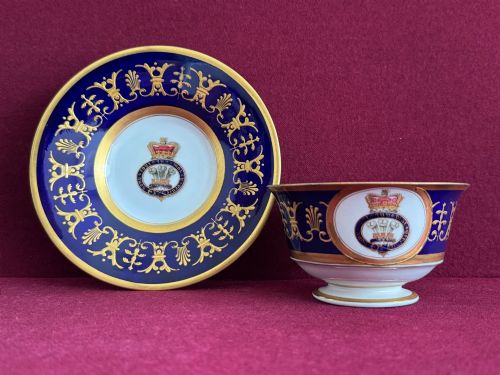
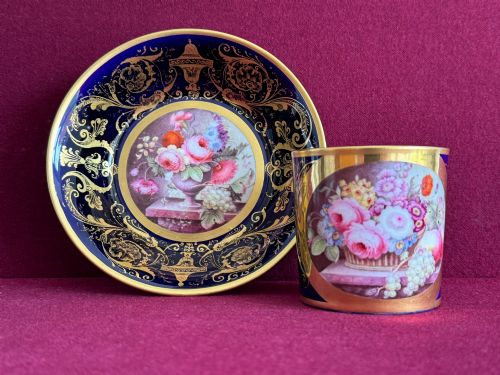
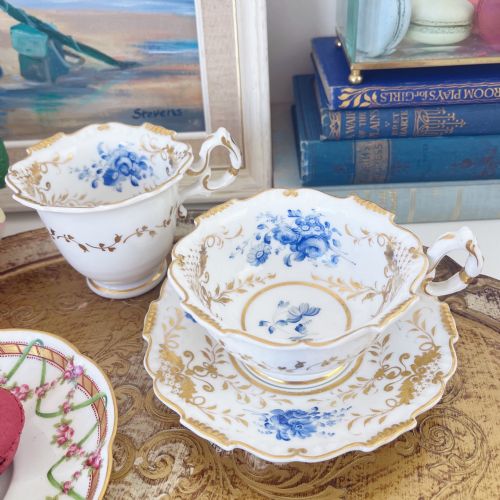
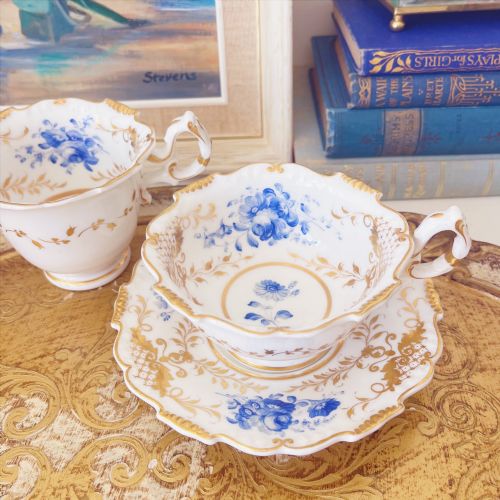
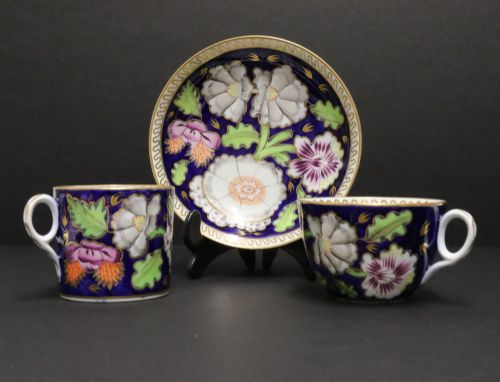
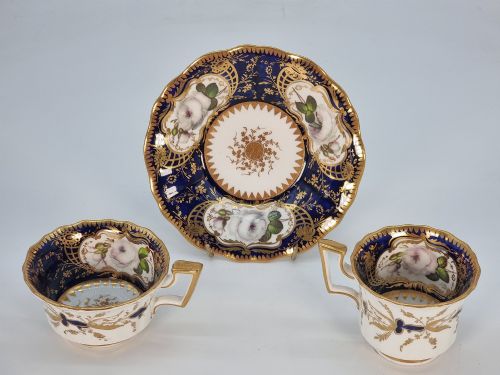
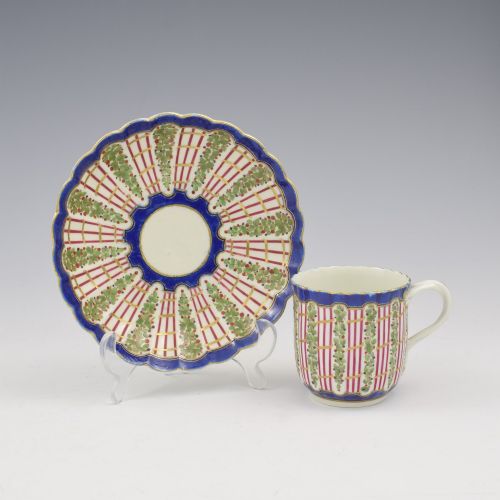
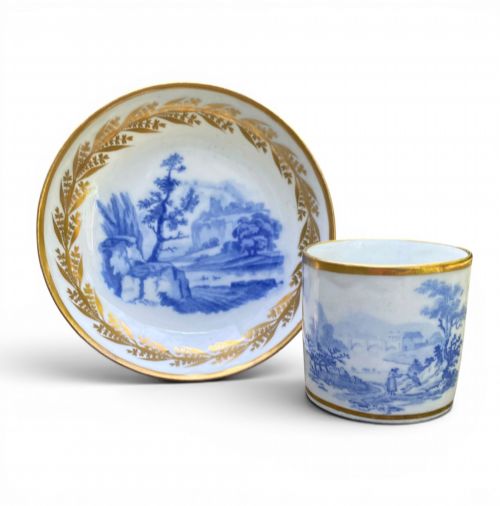
A blue porcelain coffee cup represents a focused form of antique ceramic collecting, capturing centuries of domestic dining and social ritual. When you search for a blue porcelain coffee cup, you encounter forms ranging from cylindrical coffee cans to delicate handled vessels paired with matching saucers.
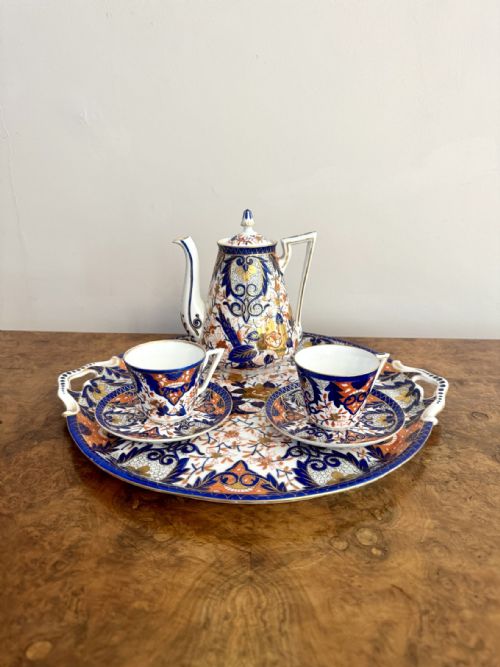
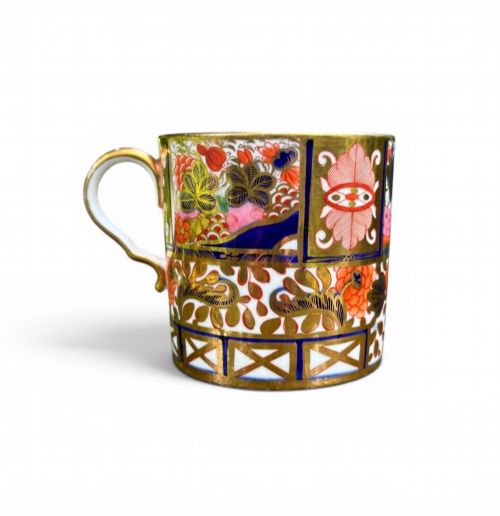
The pieces appearing on this page span several distinct historical eras, including the eighteenth century, the Georgian and Regency periods, and the Victorian and Edwardian epochs. Styles shift from hand-painted Chinoiserie and Mandarin patterns to vibrant Imari designs and classical floral motifs.
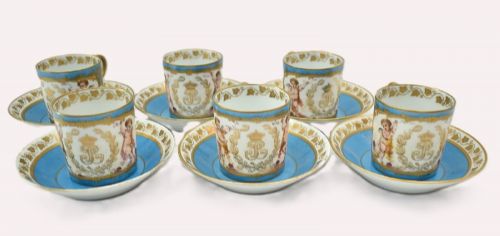
Makers and factories represented across the records include Royal Crown Derby, New Hall, Coalport, Worcester, Spode, Minton, and Sevres. These items frequently survive as individual cabinet pieces, trios, or parts of larger tea and coffee services.
Materials and production methods
Makers utilised porcelain and soft-paste porcelain as the primary body for these drinking vessels, occasionally employing bone china for later nineteenth-century output. These ceramic foundations provided the smooth white ground necessary for detailed underglaze and overglaze decoration.
Decoration relied on handpainting, enamel pigments, and applied gilding, including gold leaf and gold gilt. Artisans executed intricate scenes such as Chinese figures, fancy birds, and floral sprays directly onto the porcelain surface before firing.
Listings feature porcelain coffee cups spanning the eighteenth century through the Edwardian era, incorporating enamel, gold leaf, and soft-paste materials.
Factors of distinction
The refinement of the porcelain body and the precision of the handpainted details determine the standing of an individual piece. Early soft-paste bodies and finely articulated brushwork by named decorators elevate certain items above standard factory production.
The survival of original gilding and vibrant enamel colours without excessive rubbing preserves the visual impact of the design. Complete sets or matched trios also demonstrate a higher level of historical preservation than isolated cans or cups.
Royal Crown Derby·H and R Daniel·New Hall·Coalport·Spode·Sevres·Minton·Royal Worcester
The Blue Porcelain Coffee Cup Glossary
- Coffee can
- A straight-sided cylindrical porcelain cup designed specifically for drinking coffee in the eighteenth and early nineteenth centuries. It lacks the flared sides typical of traditional teacups.
- Trio
- A matched set consisting of a teacup, a coffee cup, and a matching saucer. This combination allowed eighteenth- and nineteenth-century hosts to serve different hot beverages from a unified service.
- Soft-paste porcelain
- An artificial ceramic composition fired at lower temperatures than hard-paste porcelain, common in eighteenth-century English factories. It produces a warm, creamy translucent body.
- Imari
- A decorative style inspired by Japanese export wares, featuring a palette centred on underglaze blue, iron red, and gilt. English factories adopted this aesthetic enthusiastically during the Georgian and Victorian eras.
- Chinoiserie
- European artistic interpretations of Chinese and East Asian motifs, often depicting figures, pavilions, and imaginary landscapes. This style appears frequently on eighteenth-century porcelain.
Blue Porcelain Coffee Cup: Frequently Asked Questions
What is the difference between a coffee can and a teacup?
A coffee can is typically straight-sided and cylindrical, designed to hold strong black coffee in the eighteenth and early nineteenth centuries. Teacups generally feature a wider, flared bowl shape suited for tea blended with milk.
This distinction reflects the different social rituals and beverage preparations of the Georgian and Regency periods. Collectors often find these distinct forms paired together in cabinet trios.
How do I date an antique porcelain coffee cup?
Dating relies on identifying factory marks, paste composition, and decorative styles recorded in historical ceramic references. Eighteenth-century pieces often display crescent or square mark variations, while nineteenth-century items utilise more formal printed or painted ciphers.
Stylistic shifts also provide clear chronological markers, moving from hand-painted Chinoiserie to vibrant Imari palettes and later Victorian revival styles. Examining the potting technique and handle shape helps narrow the period of manufacture.
Can I use these antique cups for daily coffee?
Using antique porcelain for daily dining is discouraged due to the fragility of historic soft-paste bodies and delicate overglaze enamels. Thermal shock from hot liquids and modern cleaning methods can cause irreversible damage to centuries-old ceramic materials.
These pieces are best appreciated as display items, cabinet displays, or special-occasion tableware. Gentle hand washing without harsh detergents is essential if they are handled.
What does a cabinet trio include?
A cabinet trio consists of a matching teacup, coffee cup, and saucer produced by the same factory in a unified pattern. This grouping allowed the original owner to serve multiple hot beverages from a single coordinated service.
Finding a complete trio from the Regency or Georgian period is notable because the components easily became separated over generations. They are prized by collectors for displaying the full decorative scheme of a particular maker.