

Blue Oriental Rug
A blue oriental rug brings centuries of weaving traditions into a room, offering rich indigo tones and intricate patterns.
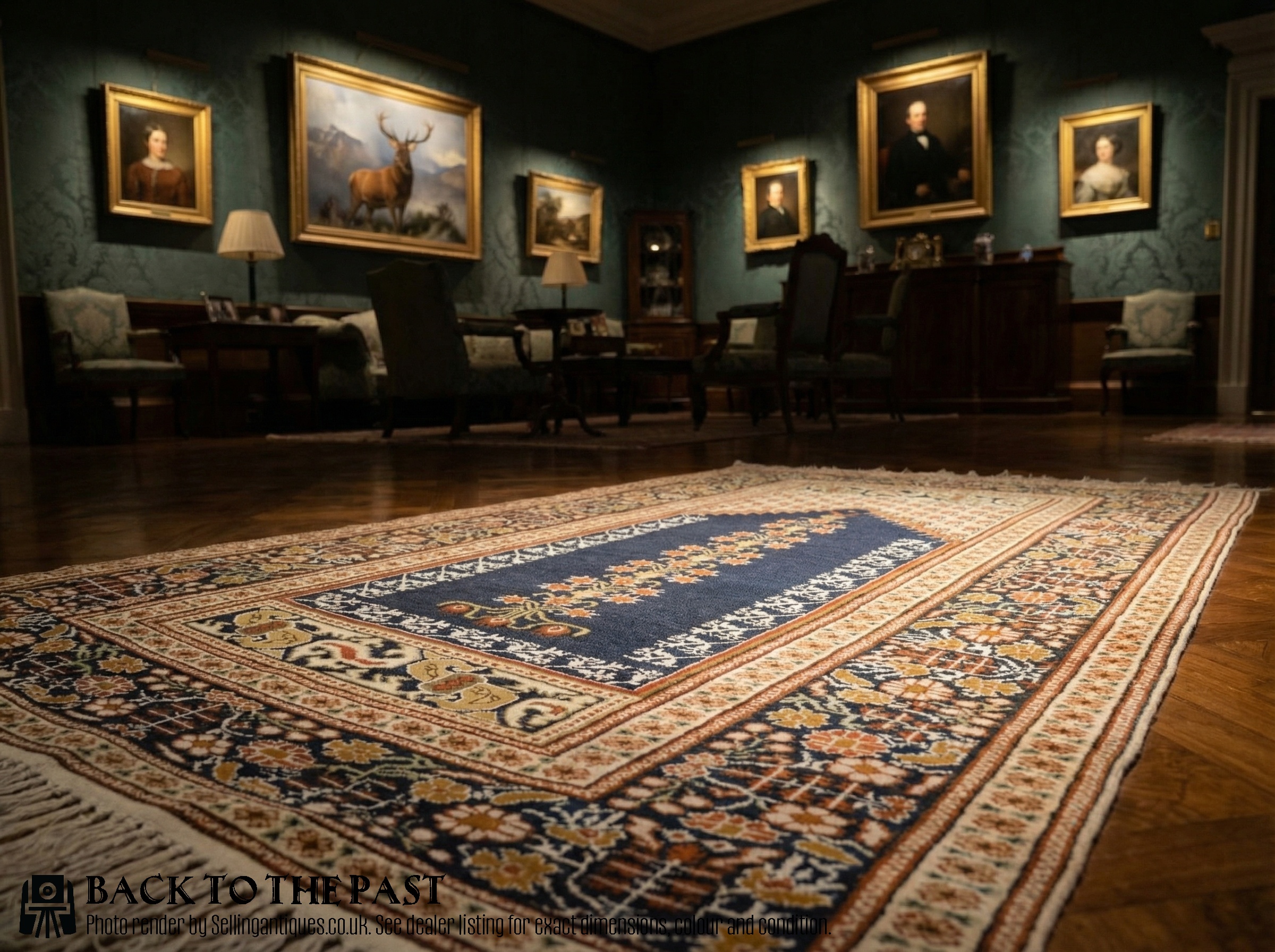
Blue Oriental Rug
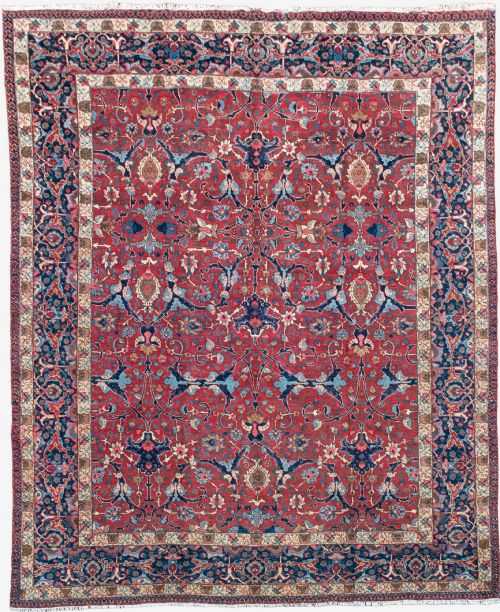
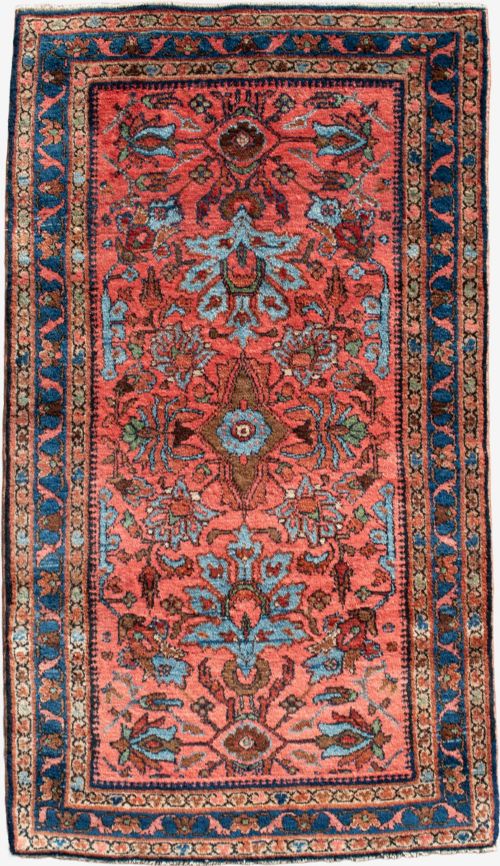
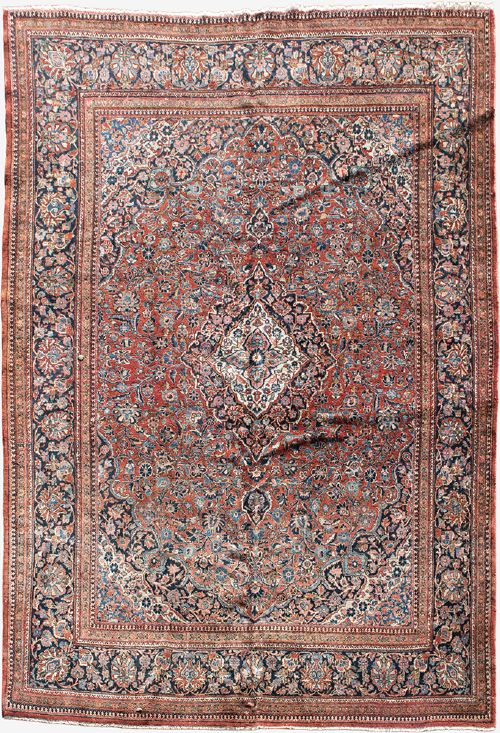
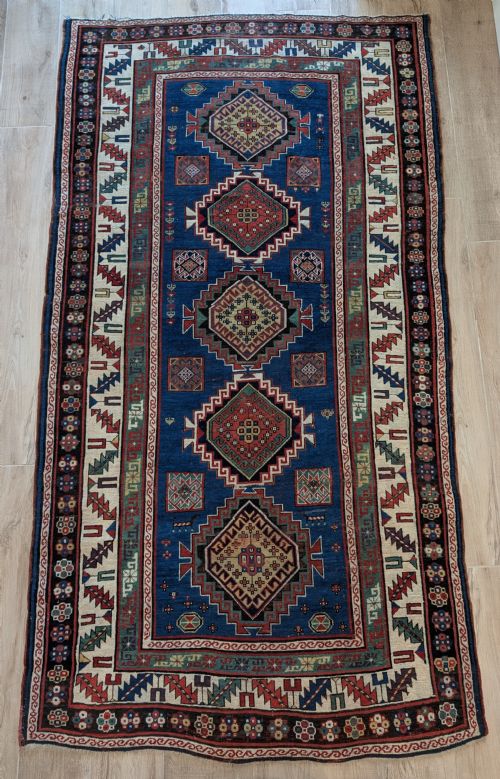
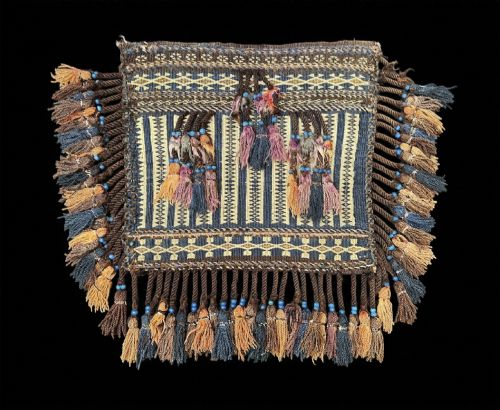
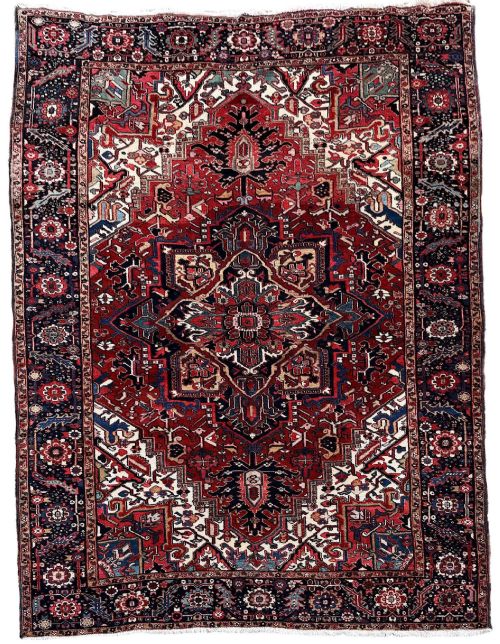
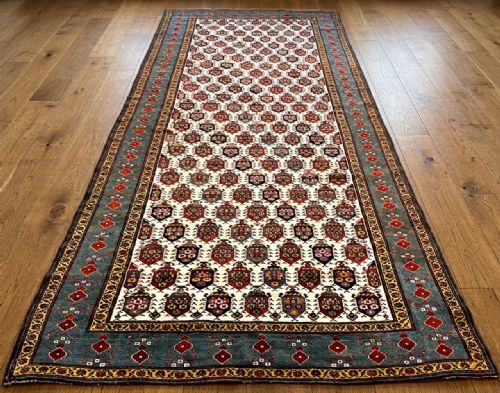
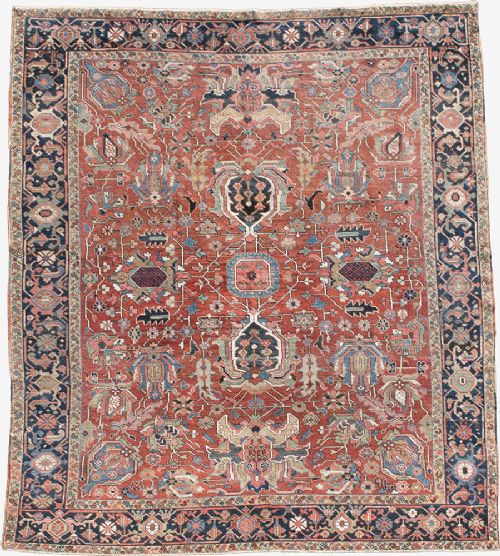
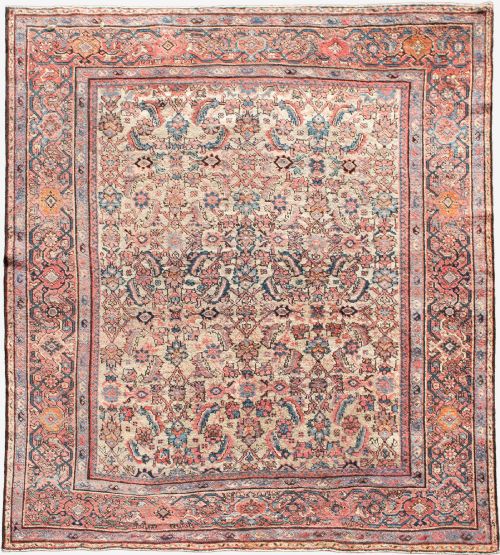
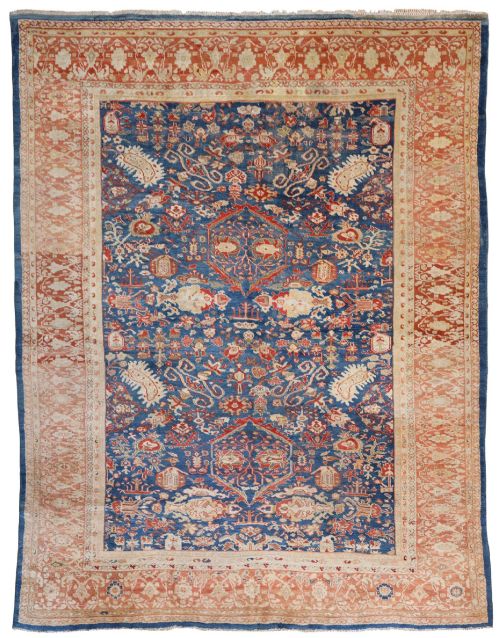
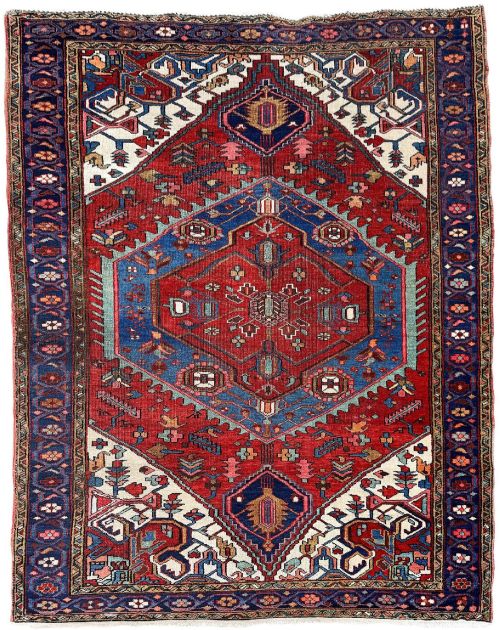
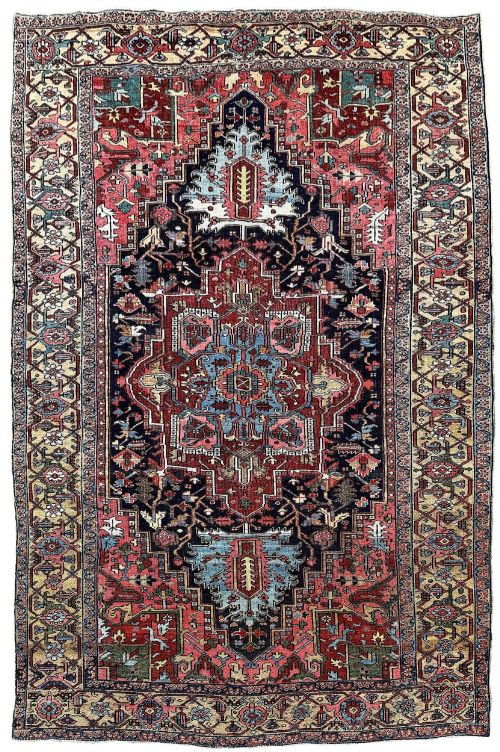
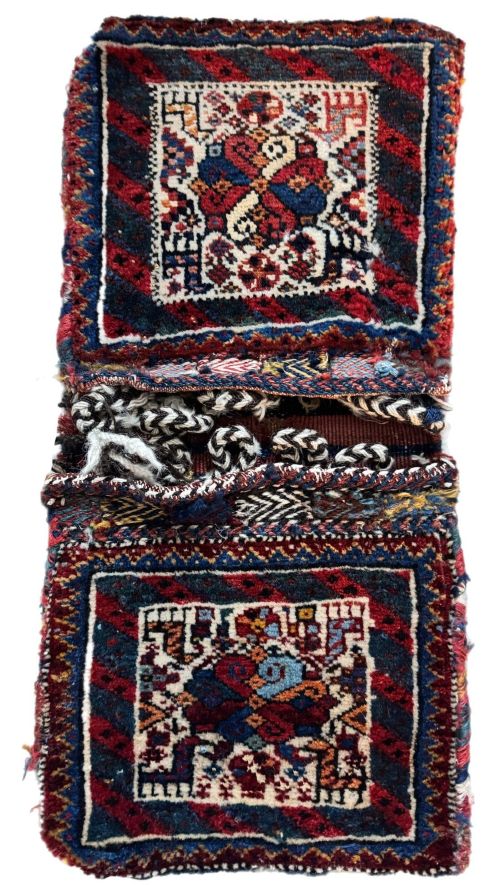
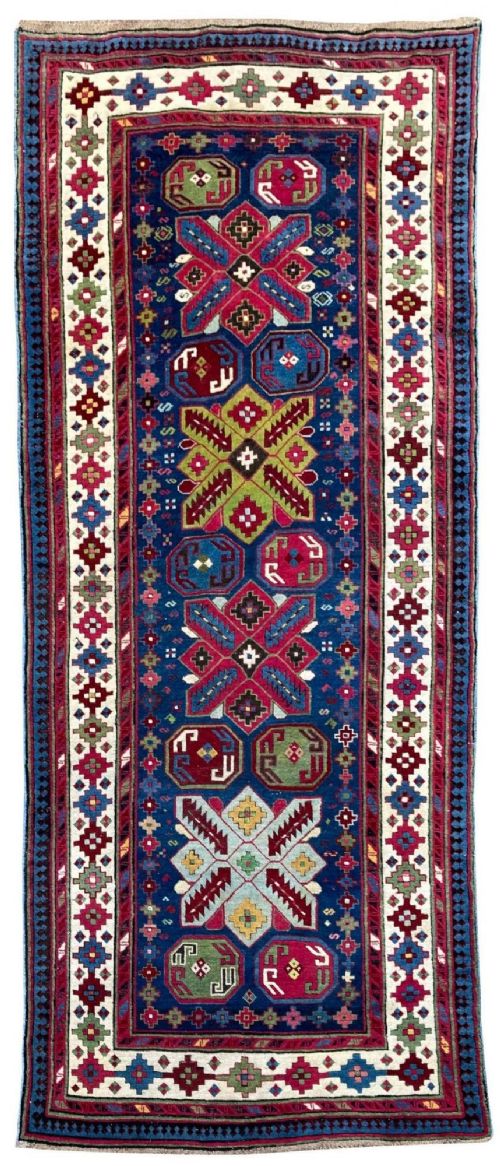
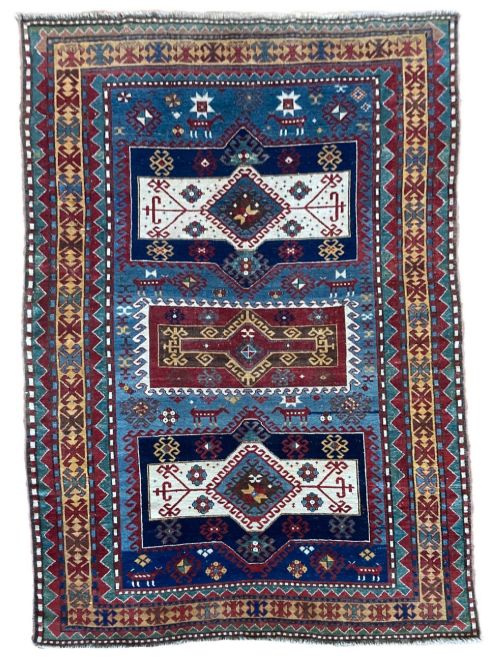
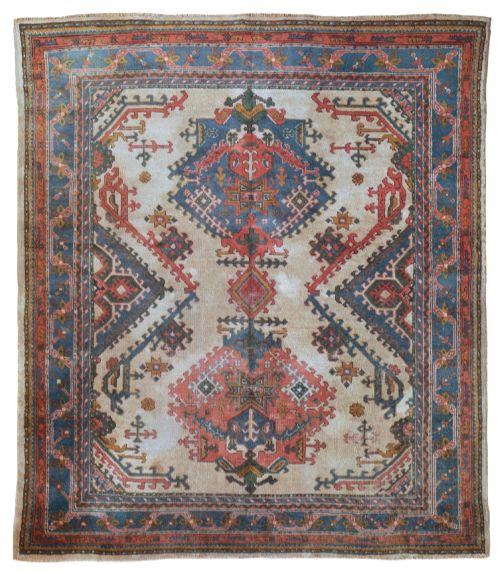
A blue oriental rug represents a diverse group of floor coverings originating from regions such as Persia, the Caucasus, Anatolia, and Tibet. These textiles span periods from the mid-nineteenth century through the early twentieth century, including room-sized carpets, runners, and smaller hearth or prayer formats.
When searching for a blue oriental rug, buyers frequently encounter regional styles such as Heriz, Kazak, Khamseh, Hamadan, and Ushak. These pieces arrive in various scales, from compact village scatter rugs to large oversized carpets and long corridors runners.
The aesthetic of a blue oriental rug relies heavily on indigo dyes, which range from deep midnight shades to soft faded tones. These works incorporate tribal, geometric, and traditional floral designs passed down through generations of weavers.
How they were made
Makers constructed a blue oriental rug primarily using wool, cotton, and occasionally silk highlights. Wool typically formed the soft, resilient pile and foundation yarns, whilst cotton provided sturdy warp and weft threads for structural stability.
Weavers knotted these materials by hand on upright looms, employing techniques specific to their regional tribal confederacies and workshops. Natural dye stuffs infused the wool and silk fibres with varied hues, creating the characteristic depth found in antique examples.
Blue Oriental Rug Retail Price Guide 2026
Typical asking prices for blue oriental rug among the pieces listed under this phrase on Sellingantiques today, from the lower quarter to the upper quarter. They describe what is for sale here now, not the wider market.
Early nomadic weavers occasionally tucked small personal amulets or deliberate minor design flaws into their carpets to ward off the evil eye.
What varies in quality
Quality in these textiles rests upon the density of the knotting and the precision of the design execution. Tighter construction yields a more resilient pile that withstands decades of foot traffic.
The depth and nuance of the dye work distinguish superior examples. Subtle variations in indigo shades demonstrate skilled natural dyeing processes, contributing to visual complexity across the surface.
The Blue Oriental Rug Glossary
- Pile
- The upright yarn loop surface of the rug that forms the soft layer underfoot. This wool or silk layer absorbs wear and displays the woven design.
- Warp
- The vertical foundation threads stretched lengthwise on the loom before knotting begins. Weavers tie the knots directly onto these parallel strings.
- Weft
- The horizontal threads passed across the warp strands between rows of knots to bind the structure together. These support threads stabilise the entire woven fabric.
- Prayer rug
- A small format textile traditionally utilised for personal devotion, typically featuring an architectural mihrab arch design pointing toward Mecca. These portable rugs served both functional and spiritual roles in daily life.
- Kelleh
- A large, elongated format carpet traditionally positioned alongside larger room carpets in Persian households. This specific shape suits narrow spaces and long hallways.
Blue Oriental Rug: Frequently Asked Questions
Where were these rugs made?
These carpets originate from traditional weaving centres across Persia, the Caucasus, Anatolia, and Tibet. Tribal confederacies and village workshops produced distinct styles defined by local motifs and regional dye palettes.
Specific areas like Heriz, Kazak, and Ushak developed unique geometric and floral vocabularies that help identify their geographical origins.
How do I care for an antique rug?
Regular gentle vacuuming without a rotating brush roll prevents dust accumulation in the wool pile. Professional cleaning suited to antique textiles preserves the natural fibres and organic dyes.
Keeping the rug out of direct, harsh sunlight protects the indigo and secondary colours from premature fading over time.
Can I use a runner in a hallway?
Long runner formats function well in corridors, entryways, and narrow passages where foot traffic is frequent. Their elongated proportions suit transitional spaces between larger rooms.
Using a suitable underlay beneath the runner prevents slipping and cushions the wool pile against hard flooring.
How are different regional styles told apart?
Distinguishing regional types involves examining the structural materials, knotting density, and characteristic design motifs. Caucasian pieces often display bold geometric polygons, whilst Persian rugs tend toward intricate floral medallions.
Colour combinations and border arrangements also provide reliable clues to whether a textile originated in Anatolia, the Caucasus, or Persia.