


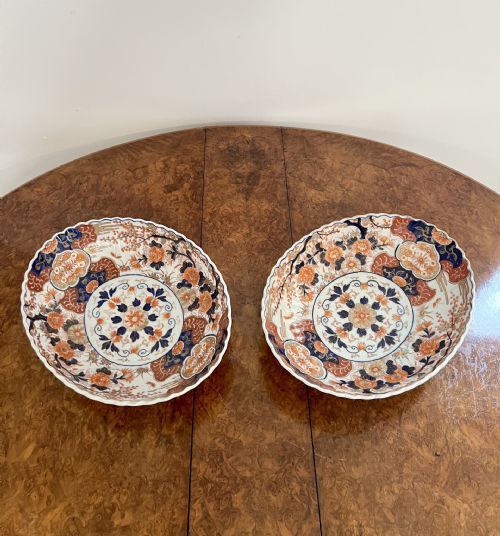


Blue Orange Porcelain Charger
A blue orange porcelain charger delivers the rich palette and bold presence characteristic of Japanese Imari work.

Understanding Imari chargers
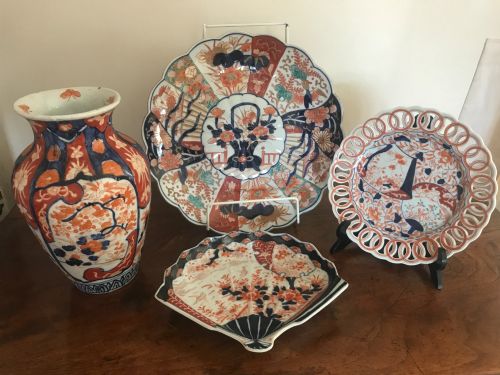
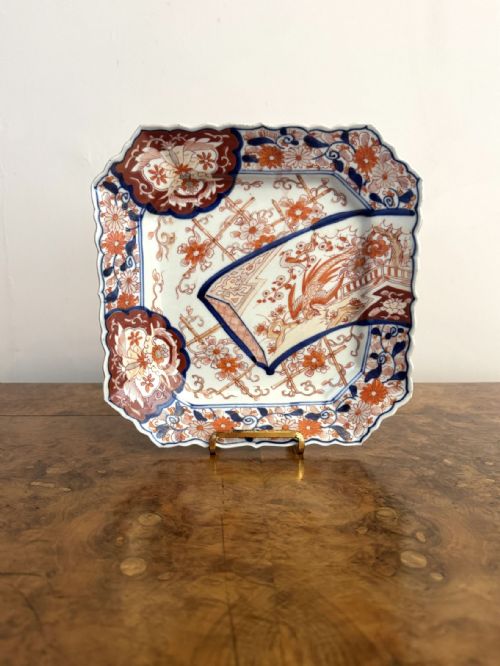
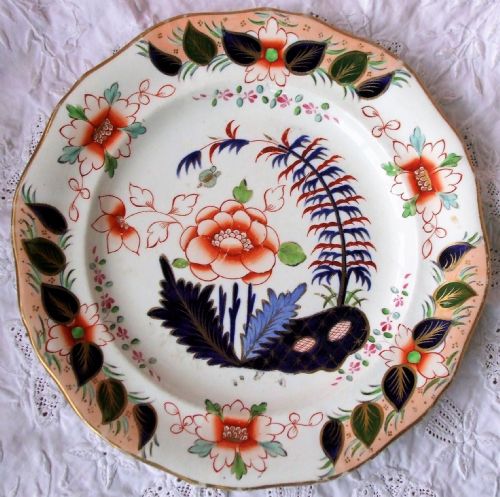
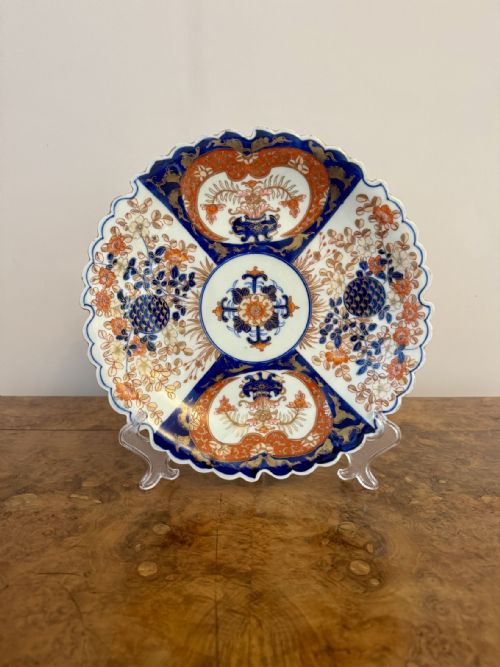
A blue orange porcelain charger represents large decorative plates originating from Japan, often associated with the Edo and Meiji periods. These pieces command attention through their expansive circular surfaces and saturated cobalt and iron-red pigments.
The items found within this classification range from nineteenth-century examples to pieces from the early twentieth century. Collectors encounter both charger plates intended for display and large decorative plates featuring scalloped rims.
Most entries reflect the Japanese Imari style, spanning Victorian-era imports and earlier productions. Their generous diameters make them natural focal points for walls or tables.
Materials and construction
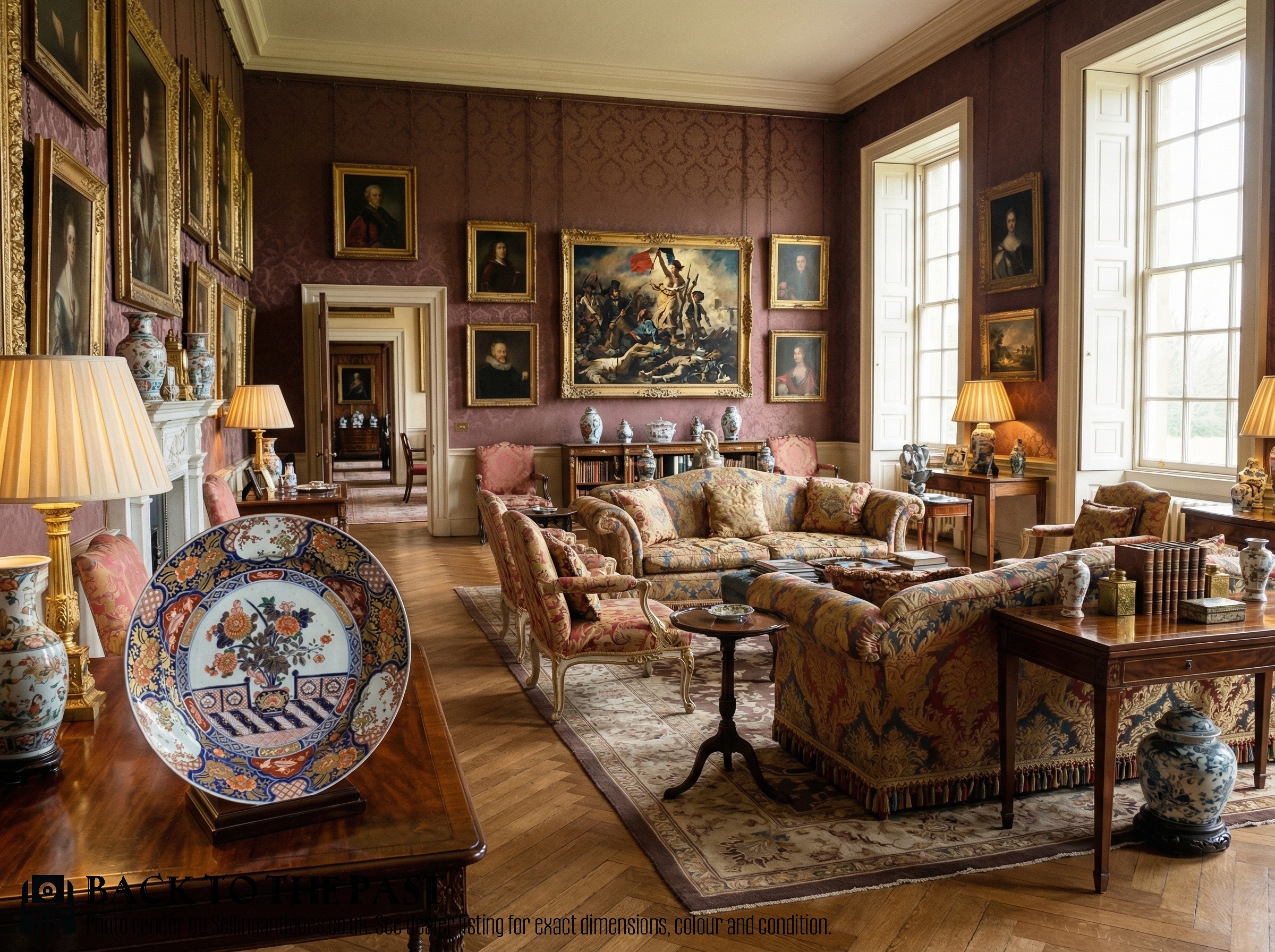
These chargers rely on a white porcelain body painted under the glaze in blue, then overlaid with enamel pigments in orange and supplemented by gold leaf or gilt details. The combination creates a distinct contrast between the deep cobalt underglaze and the warm surface tones.
Firing techniques of the Edo and Meiji periods produced dense, heavy ceramic bodies capable of supporting wide diameters. Artisans applied hand-painted motifs directly to the porcelain before sealing the work in a clear glaze.
Retail Price Guide 2026
Typical UK retail prices for blue orange porcelain charger, calculated from the Sellingantiques database of over a million retail prices indexed since 2003. This retail price guide relies exclusively on Sellingantiques data; no external sources or auction records are used, so the figures do not describe the wider market.
Current listings span the nineteenth century, the Victorian era, and nineteen hundred, featuring porcelain, enamel, gold leaf, and glaze.
Distinctions in quality
Quality rests upon the crispness of the hand-painted cobalt and the precision of the enamel work in orange and gold. Superior pieces maintain vibrant pigments without blurring, displaying complex floral or geometric panels that align harmoniously across the wide rim.
The integration of genuine gold leaf and the weight of the porcelain body further separate standard items from exceptional pairs. Condition and depth of colour drive the hierarchy among surviving chargers.
The Blue Orange Porcelain Charger Glossary
- Charger
- A large decorative plate traditionally used for display rather than dining. These pieces measure significantly larger than standard tableware.
- Imari
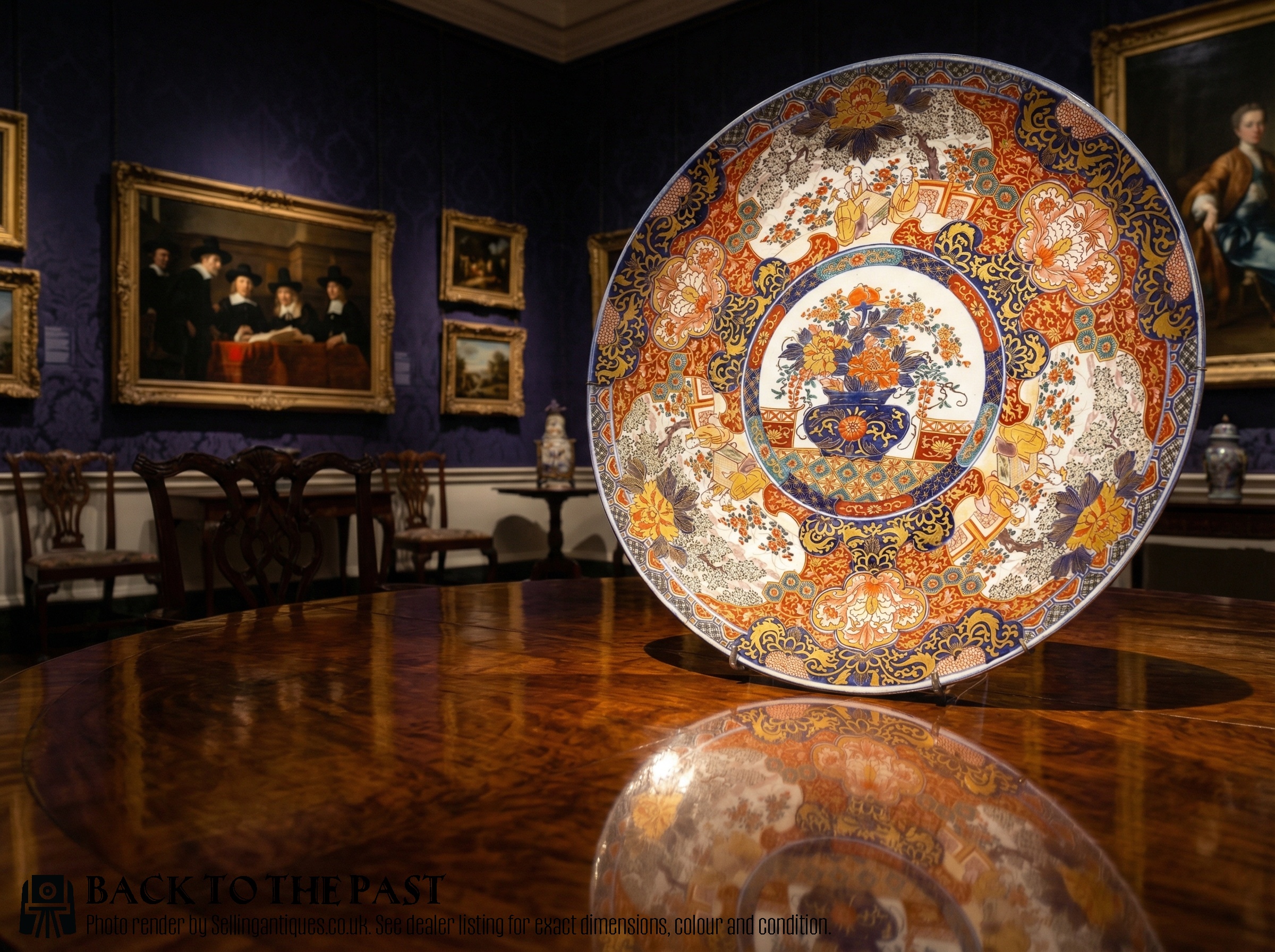
- A traditional Japanese style of porcelain originating from the town of Arita. It is instantly recognised by a palette combining underglaze blue, iron red, and gilt.
- Meiji Period
- The era in Japanese history spanning from eighteen sixty-eight to nineteen twelve. Works from this time often show refined decorative complexity.
- Edo Period
- The period of Japanese history lasting from sixteen hundred and three to eighteen sixty-seven. Pieces from this era form the earlier roots of surviving Imari ware.
- Enamel
- A glass-like substance fused to the porcelain surface through firing. It provides the vibrant orange tones distinct from the underglaze blue.
Frequently Asked Questions
How were these chargers displayed?
These large pieces served primarily as decorative items for walls or heavy sideboards. Their substantial size allowed households to showcase intricate painted panels.
Today, collectors continue to mount them securely on walls or place them on sturdy stands to highlight their rich palette.
What defines the Japanese Imari style?
The style relies on a striking interplay between deep cobalt blue and contrasting iron-red or orange pigments. Artisans frequently added gilt details to enhance the visual depth.
This distinct combination emerged from Arita workshops and became highly sought after across Europe and Britain.
How do I date an Imari charger?
Dating relies on stylistic shifts between the Edo and Meiji periods alongside Victorian import markers. Earlier pieces often display heavier porcelain bodies and deeper cobalt tones.
Examining the brushwork and the vibrancy of the enamel provides further clues to a piece's chronological origin.
Can I use these plates for serving food?
These items function as decorative plates and chargers rather than everyday tableware. Their historical value and delicate enamel or gold leaf surfaces make them unsuited for active dining.
Proper care involves keeping them on stable display surfaces away from heavy daily contact.