

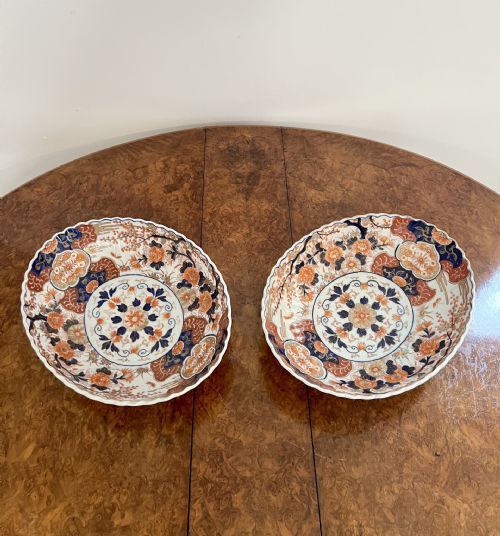


Blue Orange Ceramic Dish
A blue orange ceramic dish brings rich hand-painted palettes to a table, combining cobalt blue and warm iron-red ironstone, porcelain, or Delftware.

Blue Orange Ceramic Dish
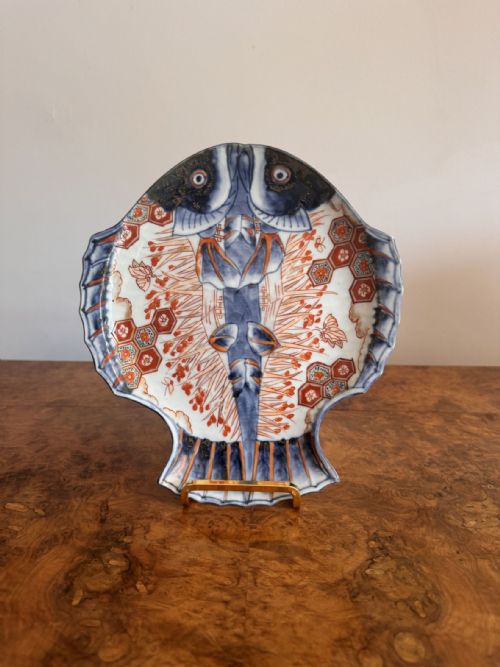
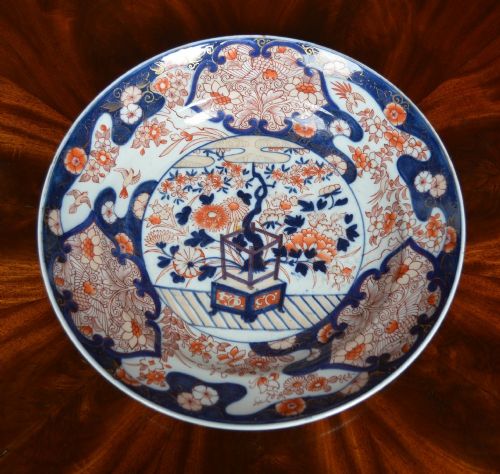
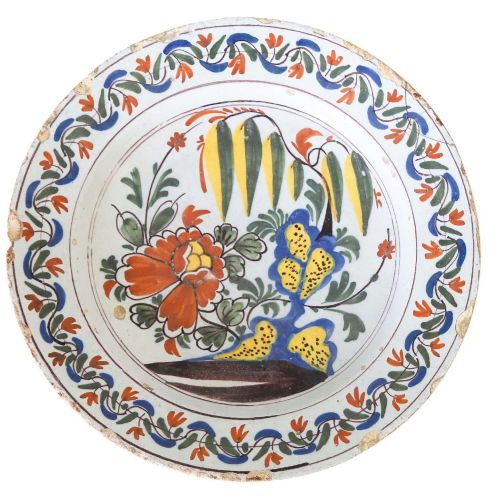
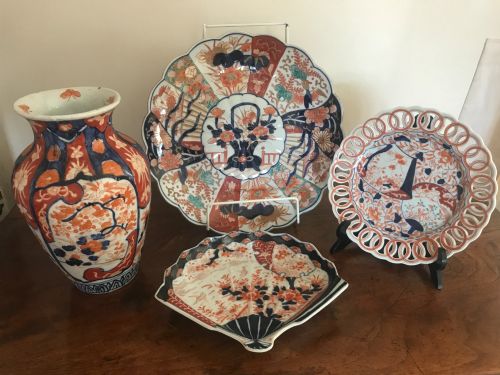
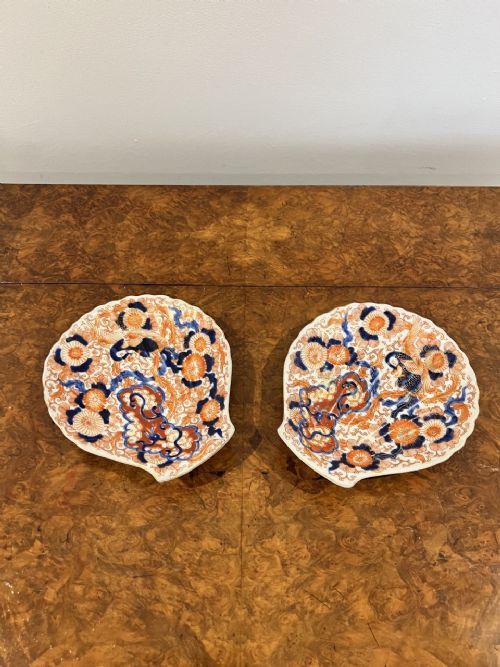
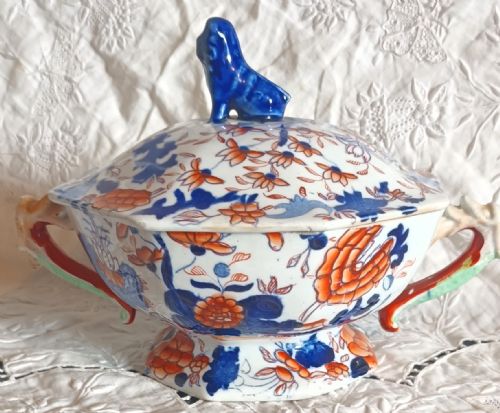
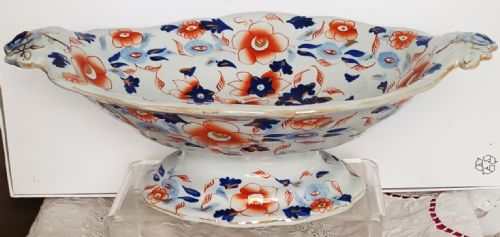
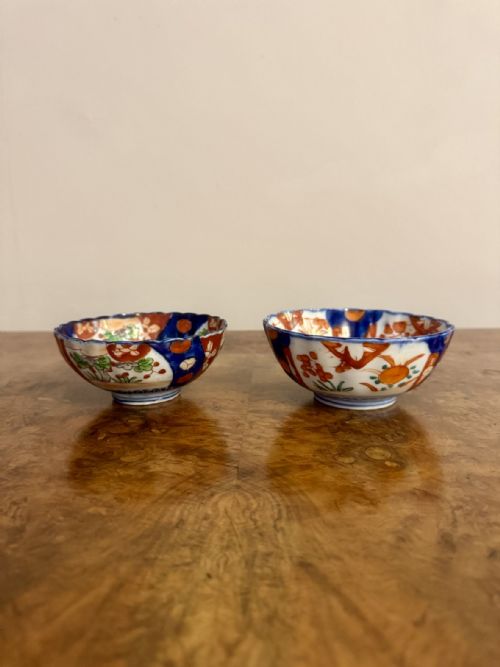
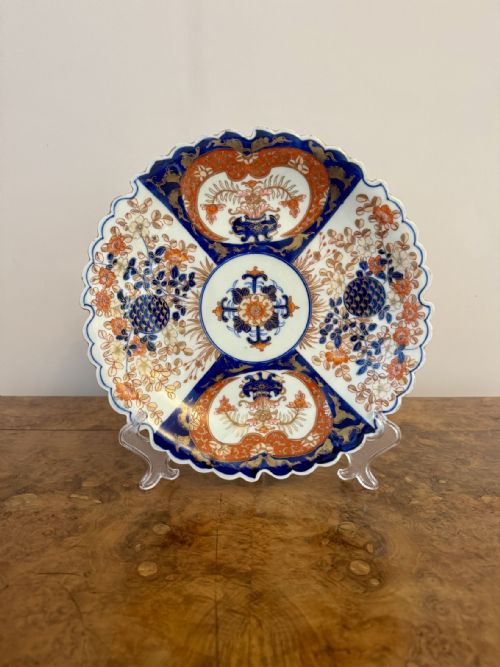
When you search for a blue orange ceramic dish, you encounter a selection spanning the eighteenth, nineteenth, and early twentieth centuries. These encompass English ironstone, Delftware, and Chinese export wares, alongside Japanese Imari porcelain shaped as fish, shells, fans, and boats.
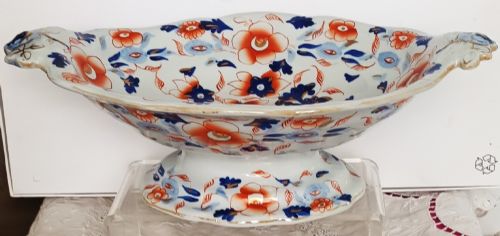
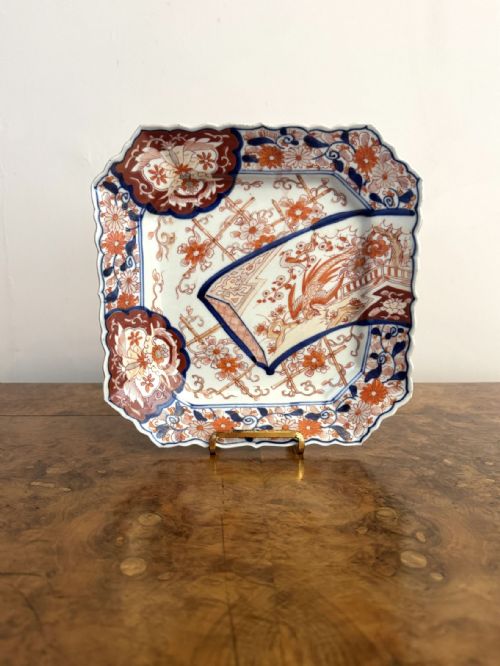
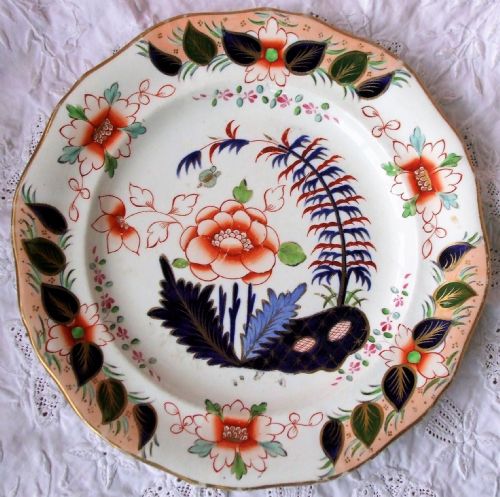
The most common examples on this page are Japanese Imari plates and chargers from the Meiji period and around 1900, decorated in cobalt blue, iron-red, and gilt. English pieces from the Georgian and Victorian eras also appear, utilising the Japan pattern on ironstone comports, tureens, and plates.
What varies in quality
The distinction between standard domestic wares and exceptional display pieces lies in the crispness of the hand-painted brushwork and the complexity of the forms. Shell, fish, fan, and boat-shaped moulded plates demonstrate greater ceramic skill than simple round chargers.
The integration of gilt and gold leaf alongside the cobalt blue and orange pigments indicates higher-tier production, particularly within Japanese Imari porcelain and English ironstone comports. Heavy ironstone bodies and well-preserved overglaze enamels maintain their visual depth over centuries.
Listings span the eighteenth to the twentieth centuries, featuring porcelain, ironstone, and enamel materials across Japanese Imari and English styles.
John Davenport of Longport·Mason's·Royal Crown Derby
The Blue Orange Ceramic Dish Glossary
- Imari
- A style of Japanese export porcelain originating from Arita, traditionally decorated in underglaze blue, iron-red, and gilt. It heavily influenced European ceramic factories.
- Ironstone
- A type of durable earthenware patented in England during the nineteenth century, designed to resist chipping and serve as a robust alternative to porcelain.
- Delftware
- Tin-glazed earthenware produced in England and the Netherlands, featuring opaque white glazes painted with polychrome motifs.
- Comport
- A raised decorative dish or bowl used on dining tables for serving fruit or sweetmeats.
- Meiji Period
- A period in Japanese history spanning from 1868 to 1912, noted for intricate porcelain production destined for export.
Blue Orange Ceramic Dish: Frequently Asked Questions
How do I date an Imari dish?
Dating relies on the body material, glaze characteristics, and stylistic conventions associated with the Edo and Meiji periods or early twentieth-century production.
Examinations of the foot ring and the depth of the underglaze cobalt blue provide further chronological markers.
Were these dishes meant for daily use?
Many larger chargers and shaped plates served primarily as decorative display items on walls or cabinet shelves rather than functional tableware.
Footed comports and tureens, however, saw practical service on dining tables for serving food during the Georgian and Victorian eras.
What is the difference between ironstone and porcelain?
Ironstone is a heavy, opaque vitrified earthenware developed in England to mimic Chinese porcelain while offering greater durability.
Porcelain is finer, often translucent when held to the light, and rings when tapped gently.
How should I clean my ceramic dish?
Hand washing in warm water with mild soap preserves the delicate overglaze enamel and gold leaf decorations found on these antique surfaces.
Harsh detergents and mechanical dishwashers risk fading the hand-painted blue and orange pigments over time.