


Blue Oil on Canvas
Exploring blue oil on canvas uncovers centuries of portraiture and still life featuring rich blue garments and vessels.
Blue Oil on Canvas
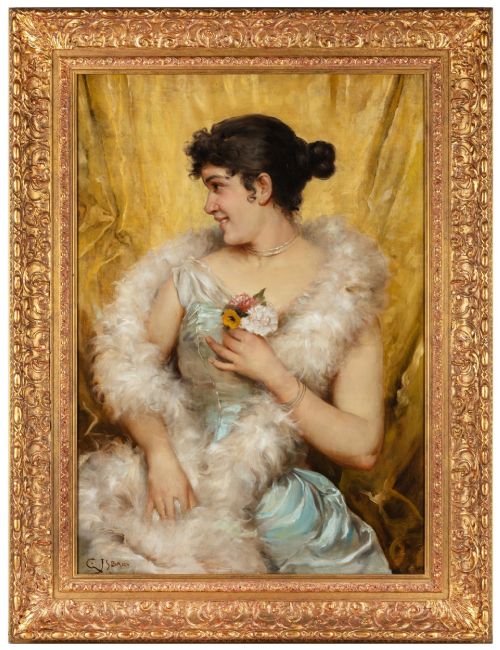
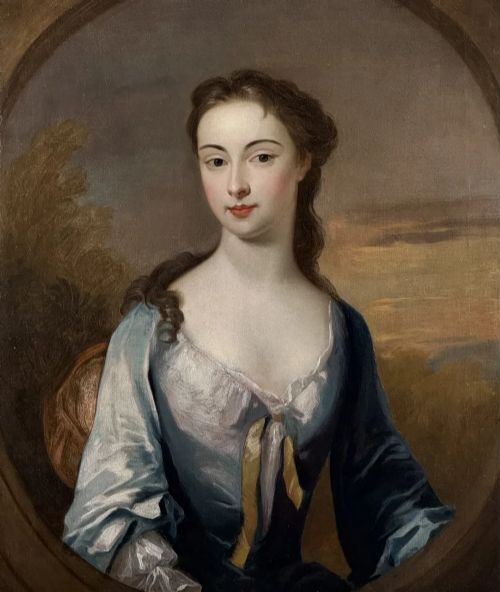
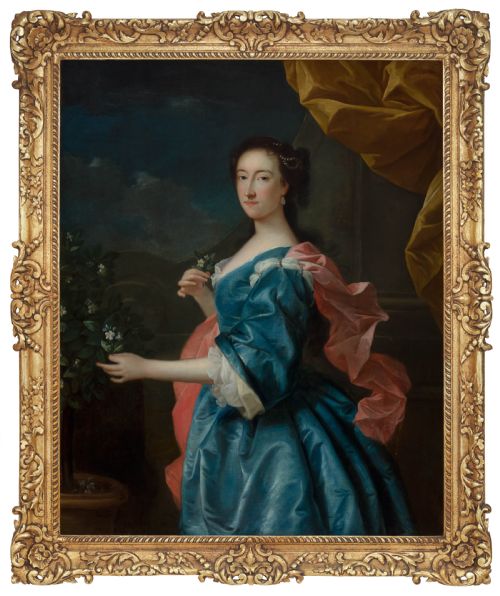
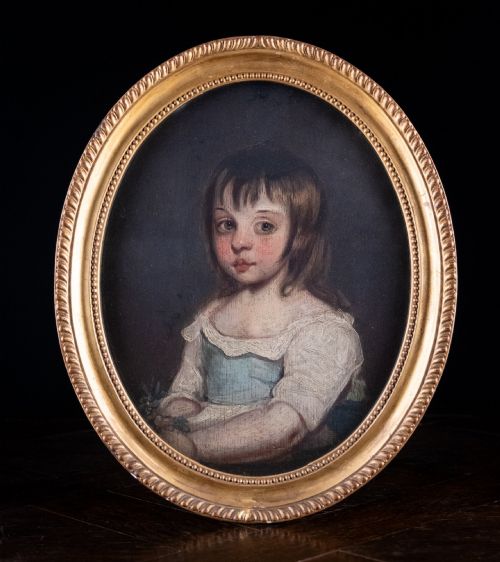
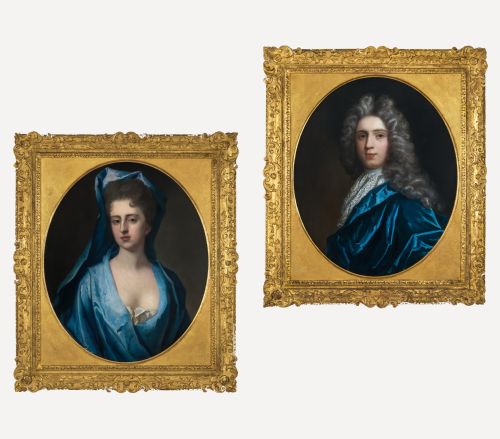
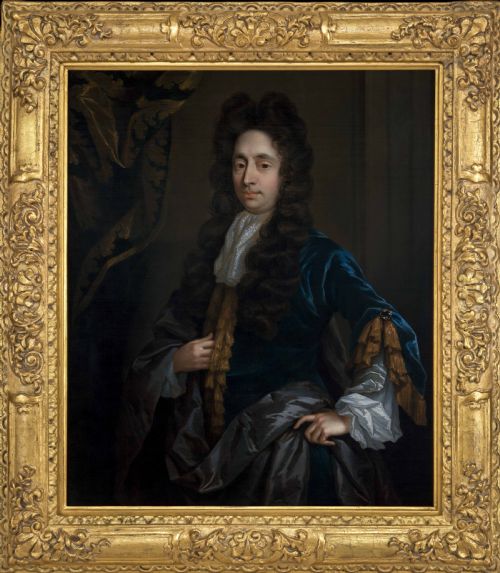
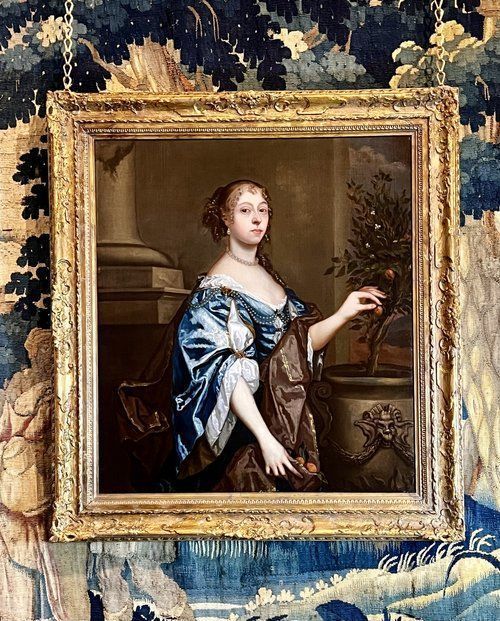
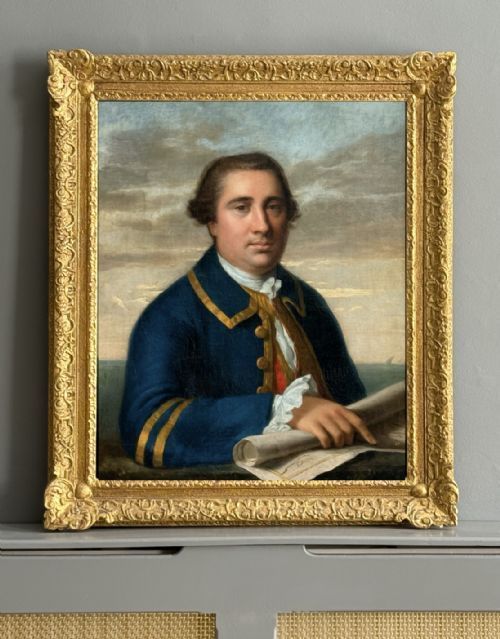
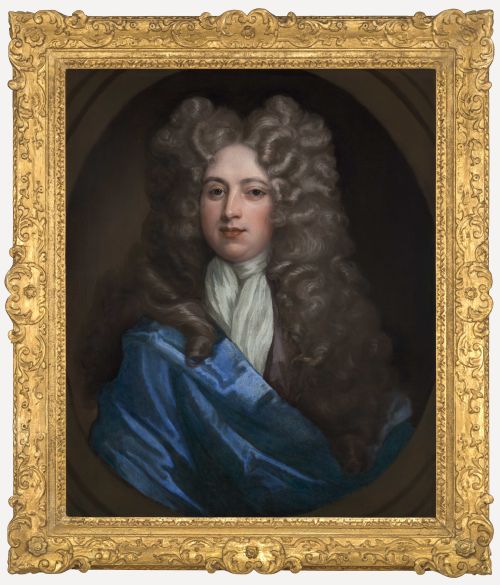
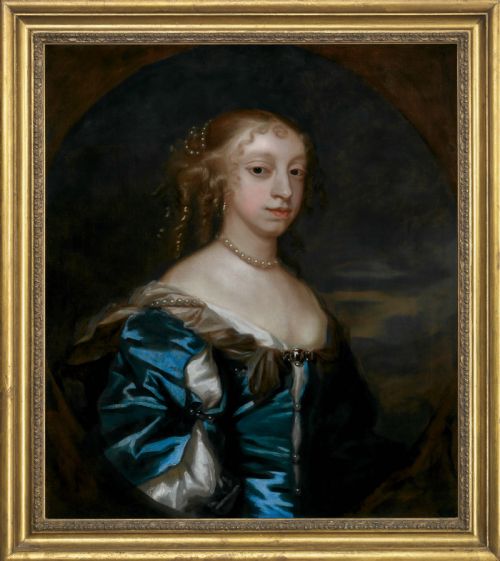
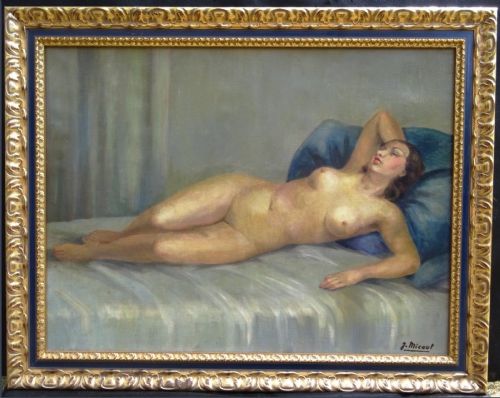
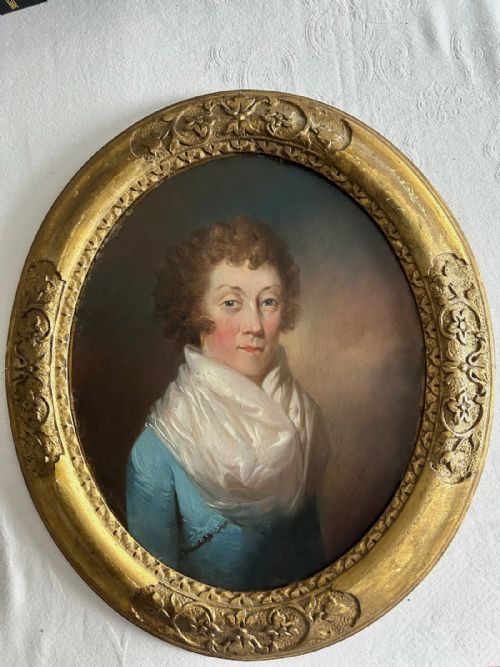
A blue oil on canvas search reveals historical and modern painted works spanning the seventeenth century through to contemporary periods. The selection leans heavily towards formal portraiture from the seventeenth and eighteenth centuries, where sitters wear blue mantles, cloaks, and silk dresses.
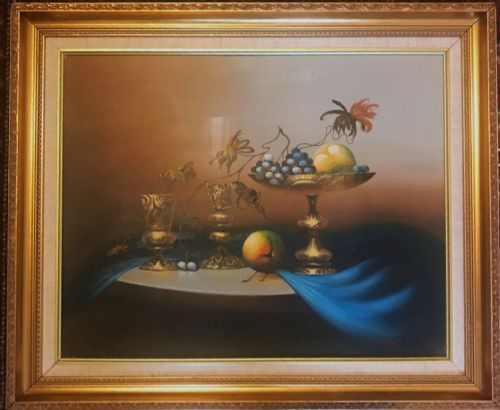
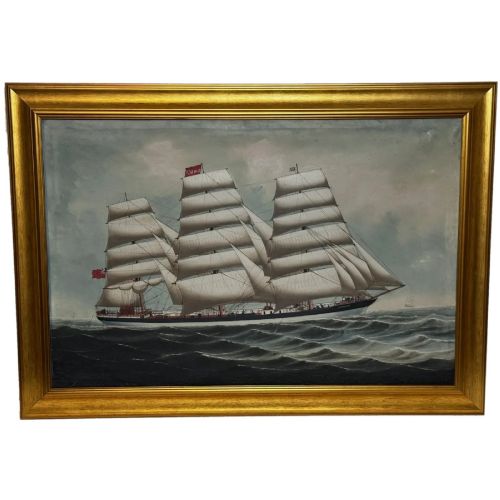
Beyond portraiture, the inventory contains floral still life compositions, marine views, and landscape scenes featuring blue bowls, vases, and water. These works bridge traditional European academic painting with later naive and post-impressionist movements.
How They Were Made
Artists built these compositions using oil paint applied to stretched woven canvas, supported by wooden stretcher frames. Many historic examples retain their original moulded or carved giltwood frames.
Pigments were layered to create depth in fabric folds, drapery, and background elements, often finished with protective varnish coats.
Several portraits feature sitters thoughtfully holding oranges, a subtle seventeenth-century status symbol representing wealth and imported luxury.
What Varies in Quality
Provenance and attribution also influence standing within this category. Pieces linked directly to established portrait painters or documented studio circles carry greater historical weight than anonymous regional works.
John Hayls·Charles Jervas·Jeremiah Davison·Michael Dahl·Thomas Murray·Constantyn Netscher·Pieter Borsseler·Lemuel Francis Abbott·Sir Joshua Reynolds·Charles D'Agar·Robert Byng·Enoch Seeman·Willem Wissing·Jonathan Richardson·Michael Dahl·Herman Verelst·Mary Beale·John Theodore Heins·Robert Levrac-Tournières·John Vanderbank·Sir Godfrey Kneller·Henry Pickering·John Closterman·Jurrien Beek
The Blue Oil on Canvas Glossary
- Oil on Canvas
- A painting medium where pigments suspended in drying oils are applied to a woven fabric support. This combination allowed artists to achieve rich colour saturation and subtle blending.
- Giltwood
- Wood that has been decorated with a thin layer of gold leaf or powder. It frequently appears on the antique frames housing these paintings.
- Post-Impressionism
- An art movement extending beyond impressionism that prioritised expressive forms and symbolic use of colour. Works from this style often feature simplified shapes and visible brushstrokes.
- Attributed To
- A term used when a work shows the style of a known artist but lacks definitive documentation of authorship. It indicates strong stylistic links to a specific workshop or master.
Blue Oil on Canvas: Frequently Asked Questions
How do I date an old portrait?
Dating relies heavily on the clothing styles, hairstyles, and accessories worn by the sitter. Portrait sitters were painted in the fashion of their exact day, providing a reliable chronological marker.
Framing styles and canvas preparation techniques also offer clues, alongside any inscriptions or historical labels found on the reverse of the stretcher.
How were these paintings displayed originally?
These works were commissioned to hang in the panelled reception rooms, galleries, and staircases of grand houses. They served as statements of family lineage, status, and personal taste.
Still life and landscape paintings typically occupied more intimate domestic spaces such as studies and drawing rooms.
How should I care for an oil on canvas?
Keep paintings away from direct sunlight, radiators, and damp environments to prevent the canvas from sagging and the paint from cracking. Stable indoor temperatures preserve the structural integrity of both wood and fabric.
Dust the surface gently with a soft, dry brush and avoid using any liquid cleaners on the paint or gilt frame.
What is the difference between studio work and circle of?
A studio work was produced by assistants or pupils working directly under the supervision of a master artist. The execution often incorporates the master's techniques and methods.
Circle of indicates an artist working independently in the style and period of a master, influenced directly by their workshop without being a direct member.