
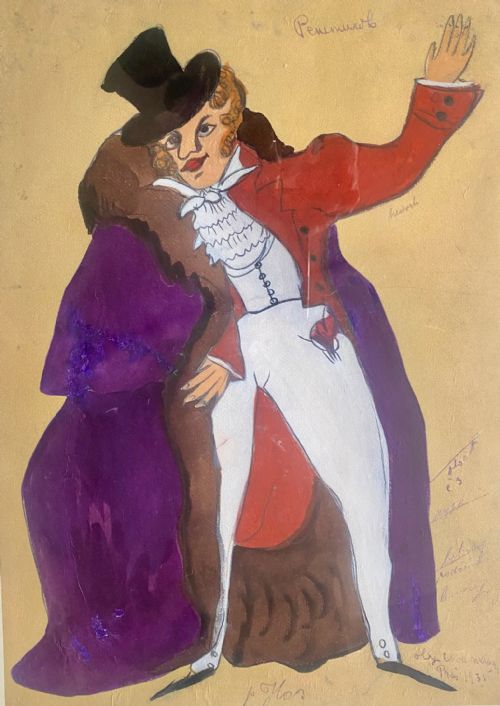


French Expressionist Artwork
French expressionist artwork captures the urgency of mid-century Paris and the Mediterranean through bold brushwork and saturated palettes.
French Expressionist Artwork
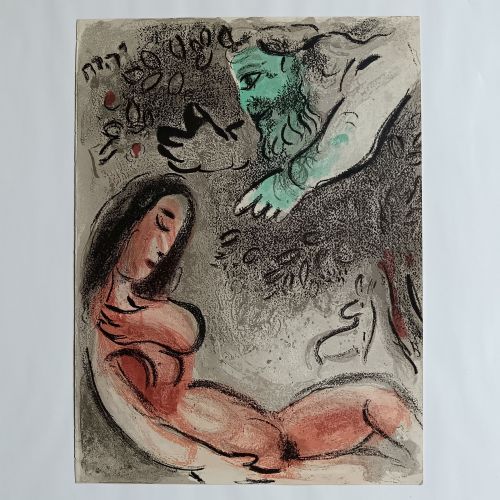
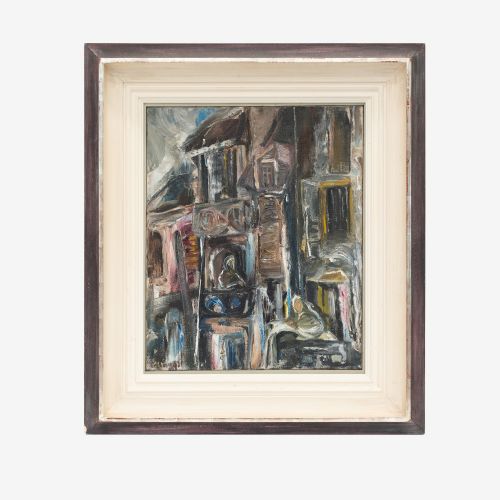
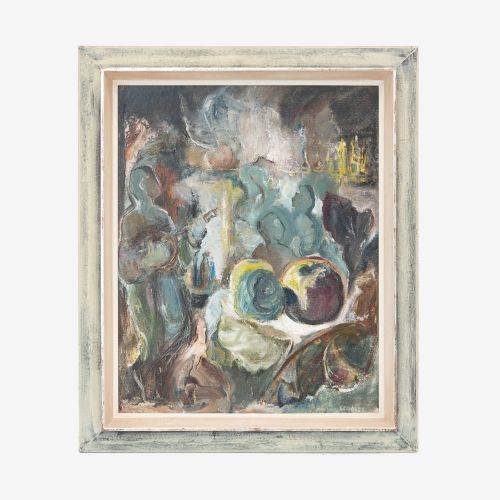
When you search for french expressionist artwork, you encounter dynamic paintings, watercolours, gouaches, and lithographs spanning the decades from the nineteen-twenties to the nineteen-sixties. These pieces range from intimate female nudes and still lifes to expansive Parisian cityscapes and coastal scenes.
The works on this page frequently bridge Fauvism, Expressionism, and Post-Impressionism, reflecting a period of intense artistic experimentation across France. Buyers are most likely to meet mid-century oil paintings on canvas alongside works on paper featuring bold ink and watercolour applications.
Materials and Technique
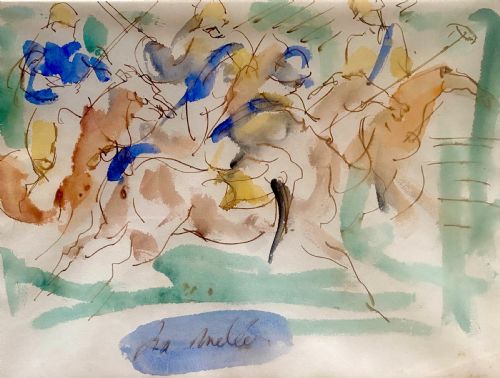
Artists working within this idiom relied principally upon oil paint applied to canvas or board, alongside gouache, ink, and watercolour on paper. The physical manipulation of pigment forms the core of these pieces, with thick impasto sitting alongside fluid washes to build energetic surface textures.
Support materials vary from stretched canvas and wooden boards to heavy art paper and vintage lithographic sheets. Lithography and printmaking also appear, utilising prepared stones or plates to capture graphic lines and expressive colour blocks.
The listings span five distinct decades, with pieces originating from nineteen-twenty through to nineteen-sixty across canvas, paper, and wood supports.
Assessing Quality
Quality in these pieces rests on the vigour of the brushwork and the confidence of the composition rather than sheer scale. The most accomplished works demonstrate a deliberate handling of light and form that elevates the subject beyond mere illustration.
Provenance and signature clarity also elevate an example, distinguishing recognised mid-century practitioners from anonymous studio output. The interplay of colour harmony and psychological intensity marks the distinction between standard decorative output and a compelling collector piece.
Marc Chagall·Lilian Colbourn·Gen Paul·Picabia·Gaetan Dumas·Gabriel Dauchot·Jean Hippolyte Marchand·Pinchus Krémègne·Kees van Dongen·Pierre Peltier·Archille Zavatta·Andre Delfiau
The French Expressionist Artwork Glossary
- Fauvism
- An early twentieth-century style characterised by strong colours and painterly qualities rather than realistic or representational values. It heavily influenced subsequent generations of European painters.
- Impasto
- The process or technique of painting where paint is laid on an area of the surface in very thick layers, usually thick enough that the brush or painting-knife strokes are visible.
- Lithograph
- A print produced by the process of printing from a flat stone or metal plate treated so as to repel the ink except where it is required for reproduction. Double-sided examples often appear in vintage portfolios.
- Gouache
- A method of painting using opaque pigments ground in water and thickened with a glue-like substance. It yields a matte surface that absorbs light differently than oil paint.
- Provenance
- The chronology of the ownership or location of a historical object. A documented history adds significant weight to mid-century paintings.
French Expressionist Artwork: Frequently Asked Questions
What defines french expressionist artwork?
These works are defined by expressive brushwork, non-naturalistic use of colour, and emotional intensity. They capture subjects ranging from urban street scenes to intimate nudes.
Created primarily between the nineteen-twenties and nineteen-sixties, the style draws heavily from earlier Fauvist and avant-garde movements in France.
How should I display a painting on canvas?
Canvases from this era suit both traditional and modern domestic interiors, ideally hung away from direct sunlight. Proper wall placement preserves the integrity of the oil pigments.
Ensure the room maintains stable humidity levels to protect both the wooden stretchers and the fabric support over time.
Are works on paper as collectible as oils?
Works on paper, including gouache, watercolour, and lithographs, offer an intimate glimpse into an artist's technique. They are collected with the same enthusiasm as large canvases.
Framing under conservation-grade glass protects these delicate mediums from environmental degradation and fading.
How do I identify the period of a piece?
Dating relies on stylistic markers, framing methods, and artist signatures recorded across mid-century movements. Post-war works often exhibit bolder abstraction than pieces from the nineteen-twenties.
Examine the reverse of the canvas or board for gallery stamps, handwritten inscriptions, and period labels that confirm the decade.