
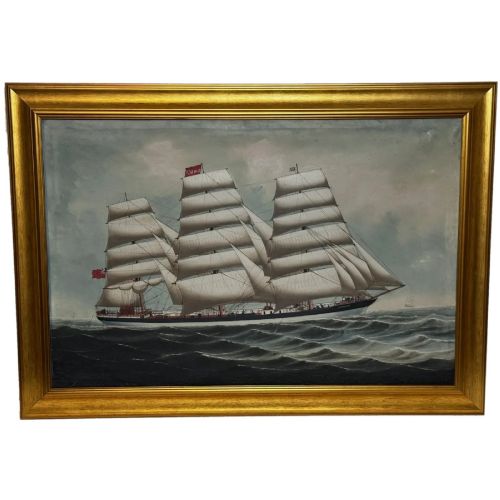
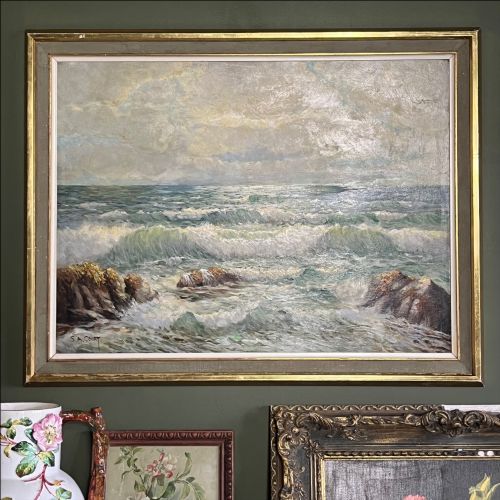
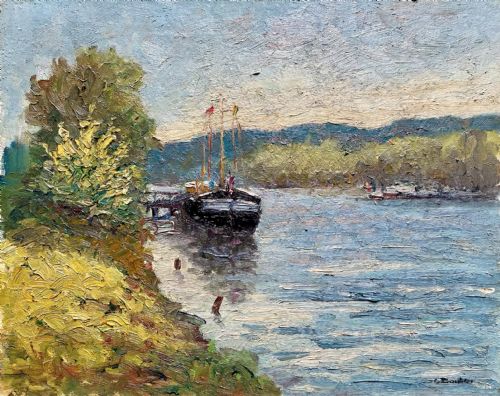
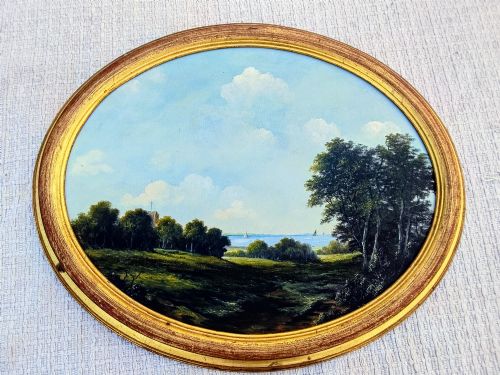


Blue Oil Landscape Artwork
These pieces gather the atmospheric chill of water and sky, held in pigment and canvas for rooms that value quiet depth.
Blue Oil Landscape Artwork
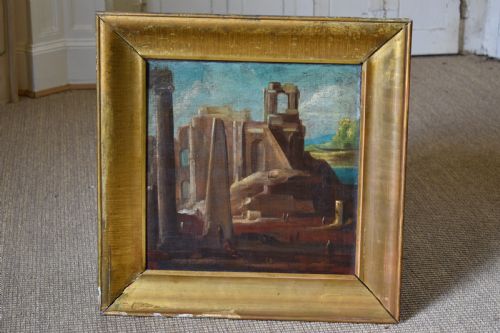
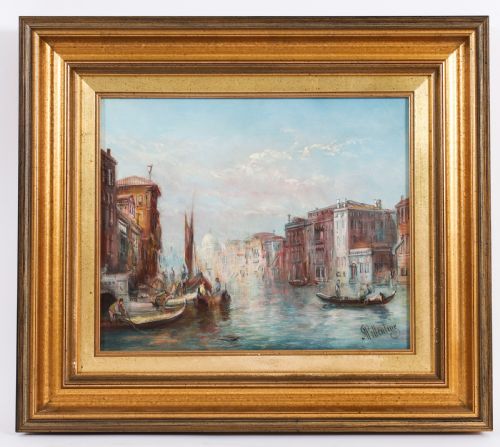
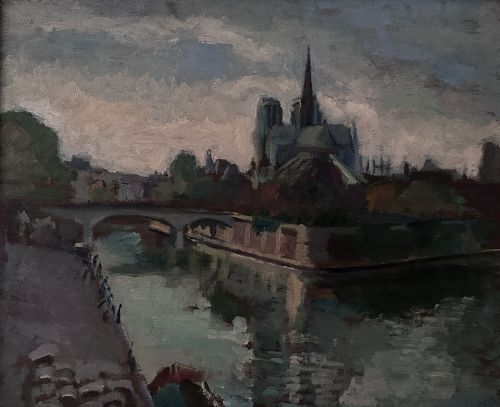
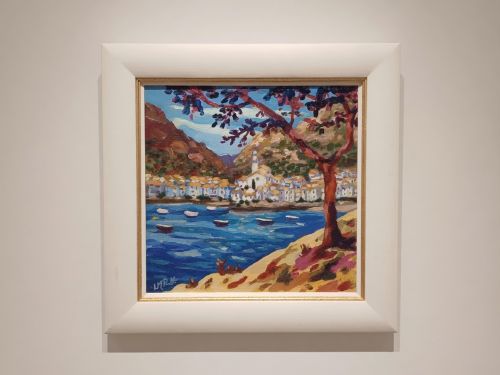
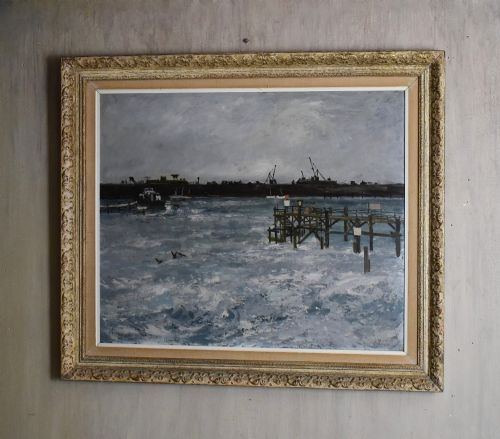
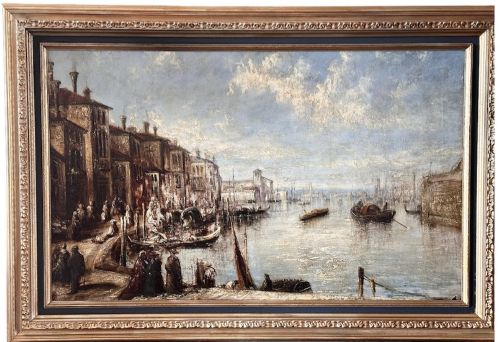
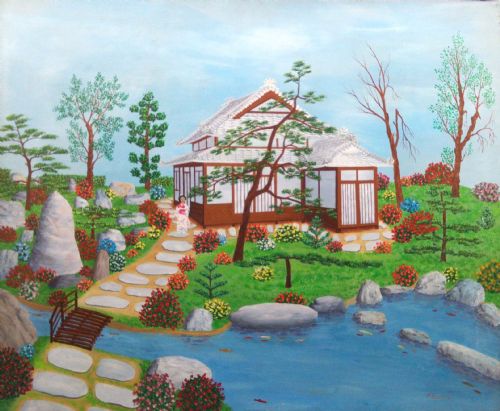
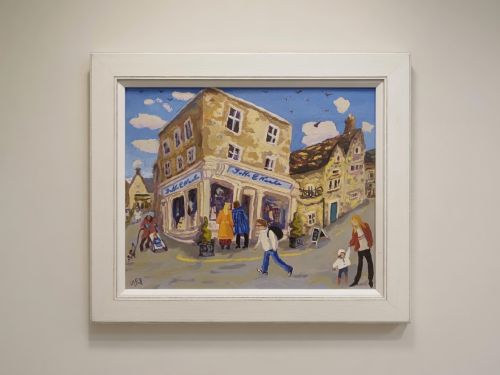
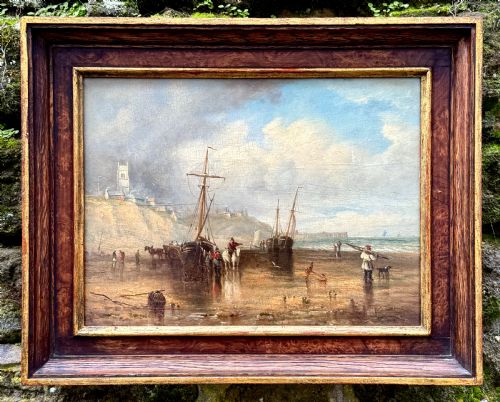
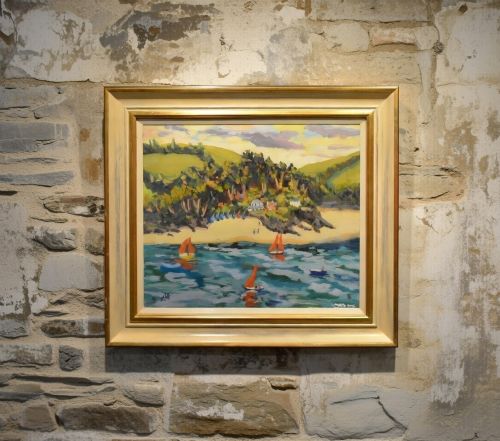
These works capture marine views, coastal inlets, and river scenes translated through the medium of oil paint upon canvas or wood panel. Blue oil landscape artwork encompasses subjects ranging from Venetian canals and Cornish shores to French rivers and harbour docks.
The pieces span multiple periods from the nineteenth century through the mid-twentieth century and contemporary creation, reflecting changing approaches to en plein air painting and impressionist observation. Most examples present framed compositions dominated by cool marine tones, varying from turbulent seas to tranquil inland waterways.
Materials and methods
Pigment suspended in drying oil is applied to stretched canvas or wooden panels, utilising brushwork that records the immediate conditions of the scene. Painters built these surfaces through layered application, sometimes working directly outdoors to capture shifting light.
Framing typically involves wood or gilt mouldings selected to complement the painted surface, protecting the edges of the canvas or panel. The combination of oil paint and supportive wooden structures ensures durable longevity for each landscape.
Materials recorded across the selection include oil paint, canvas, wood panels, and gilt frames.
Evaluating composition and touch
The distinction lies in the sureness of the brush and the handling of spatial depth, separating hurried studio copies from observant records of light and atmosphere. Stronger examples demonstrate a confident control of tone, where pigment application conveys movement in water and sky rather than flat fill.
Preservation of the original paint surface and the stability of the underlying canvas or wood panel dictate the integrity of the piece. Works retaining their original period frames without excessive overpaint hold greater authenticity within the historical record.
Reginald Arthur Borstel·Sidney A. Court·Alfred Pollentine·Peter Brannan·Francis Moltino·Albert Bierstadt·Thomas Creswick·Caroline Burnett
The Blue Oil Landscape Artwork Glossary
- En plein air
- Painting outdoors to directly capture the transient effects of light and weather on a landscape. This method became central to impressionist and post-impressionist practices.
- Canvas
- A heavy woven fabric stretched across a wooden frame to serve as a sturdy support for oil paintings. It allows for textured brushwork and flexible movement.
- Panel
- A flat piece of wood used as a rigid alternative to canvas for oil painting. Panels provide a firm, stable surface favoured in various nineteenth-century and vintage works.
- Post-Impressionism
- An art movement extending beyond impressionism that prioritised symbolic content and expressive use of colour and form. Works from this tradition often emphasise structural brushstrokes.
- Gilt
- A thin layer of gold leaf or gold-coloured pigment applied to frame surfaces for decorative embellishment. It provides a warm border that contrasts with cool oil pigments.
Blue Oil Landscape Artwork: Frequently Asked Questions
What subjects appear in these landscapes?
The works depict coastal waters, harbour scenes, rivers, and urban waterfronts from various European and international locations. Painters focused heavily on marine views and architectural settings adjacent to water.
Common subjects include Venetian canals, Cornish fishing ports, and French riverbanks. These scenes rely on blue and grey palettes to render maritime atmospheres.
How should I hang an oil painting?
Secure the piece using appropriate wall anchors matched to the weight of the frame and canvas. Avoid hanging oil paintings in rooms with high humidity or direct, harsh sunlight.
Ensure the wall space allows adequate distance from heating sources to protect both the wooden stretcher bars and the oil pigment. Proper placement preserves the structural integrity of the canvas.
How do I identify the period of a painting?
Examine the materials of the stretcher frame, canvas weave, and the style of the wooden framing elements. Nineteenth-century works often feature distinct canvas stamps and hand-carved gilt frames.
Signatures, artist registry dates, and stylistic markers such as impressionist brushwork also point toward specific decades between the eighteen-hundreds and the mid-twentieth century.
Are these paintings executed on canvas or wood?
The listings include both stretched canvas and solid wood panels as supports for the oil paint. Canvas remains the most common substrate across the nineteenth and twentieth centuries.
Wooden panels appear in selected works where artists preferred a rigid painting surface. Both materials provide stable foundations when properly maintained.