



Blue Lustre Dish
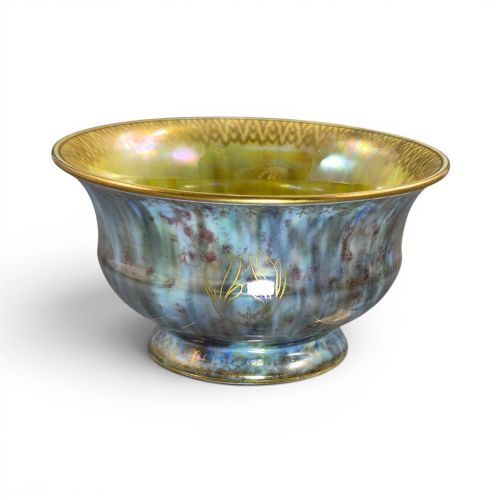
These pieces of blue lustre dish combine striking metallic sheazes and rich ceramic forms, offering a colourful focal point for any collector.
Blue Lustre Dish
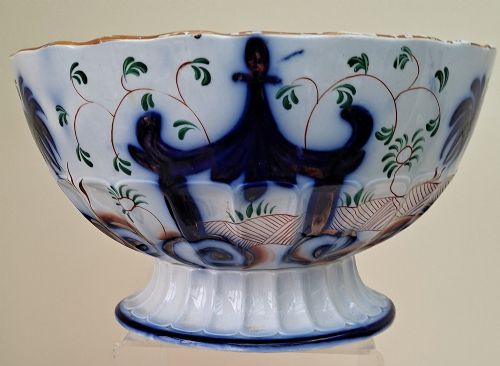
A blue lustre dish represents a striking intersection of decorative ceramics and metallic glaze work, often appearing as footed bowls, decorative bowls, or octagonal vessels. When searching for a blue lustre dish, buyers encounter various forms ranging from the Edwardian period through to the nineteen thirties, encompassing distinct artistic movements like Art Deco and Art Nouveau.
The selections available here showcase significant artistry from British potteries, featuring complex decorative themes such as dragons, butterflies, and intricate architectural pagodas. These items function primarily as decorative centrepieces rather than utilitarian tableware, reflecting the high aesthetic ambitions of their makers.
Materials and Techniques
Makers utilised earthenware, bone china, and porcelain as the ceramic base for these vessels, applying specialised metallic glazes to achieve the signature iridescent sheen. The application often incorporated gold leaf, gilt accents, and enamel detailing over the fired glaze surface.
The production technique required multiple firings to fix the complex lustre glazes and underlying patterns, demanding precise control in the kiln to produce the mottled or iridescent effects seen on the finished pieces.
Blue Lustre Dish Retail Price Guide 2026
Typical asking prices for blue lustre dish among the pieces listed under this phrase on Sellingantiques today, from the lower quarter to the upper quarter. They describe what is for sale here now, not the wider market.
Assessing Quality and Artistry
The distinction between standard production and exceptional work lies in the complexity of the surface decoration and the depth of the metallic glaze. Pieces featuring elaborate pictorial themes, such as mythical dragons or detailed landscape scenes, demonstrate a higher degree of artistic execution than simpler mottled designs.
The integration of precious materials like gold leaf and the precision of the enamel work further elevate a piece. Master designers and skilled decorators achieved a vibrancy and sharpness in the lustre finish that separates premier examples from ordinary factory output.
Wedgwood·Maling
The Blue Lustre Dish Glossary
- Lustre Glaze
- A ceramic finish containing metallic salts that produce an iridescent, metallic sheen upon firing. This technique creates the characteristic reflective surface observed on these vessels.
- Bone China
- A type of soft-paste porcelain containing bone ash, providing high strength and a bright white body. It serves as a refined canvas for intricate enamel and lustre decoration.
- Earthenware
- A porous, non-vitreous pottery body fired at lower temperatures than porcelain. It forms the heavy structure for many traditional decorated bowls and footed pieces.
- Gilt
- A thin layer of gold applied to the surface of the ceramic for ornamentation. This material highlights rims, handles, and specific motifs within the pattern.
Blue Lustre Dish: Frequently Asked Questions
How do I care for a blue lustre dish?
These delicate ceramic items require gentle dusting with a soft, dry cloth to protect the metallic glaze and enamel work. Avoid using water, detergents, or abrasive cleaners, which can damage the sensitive surface finish.
Display the pieces away from direct sunlight to prevent any fading of the underlying colours and gilt accents. Proper placement in a stable cabinet ensures the longevity of the decorative glaze.
Were these bowls used for food?
Most of these vessels served primarily as decorative showpieces rather than functional tableware. Their intricate lustre glazes and delicate enamel applications were intended for visual display in domestic settings.
Utilising them for holding food items can cause wear to the metallic surface over time. Collectors generally keep them empty or use them purely for ornamental purposes.
How do I identify the period of a blue lustre dish?
Dating relies on examining the maker marks stamped or painted on the underside of the ceramic body. Stylistic indicators, such as the geometric lines of Art Deco or the flowing motifs of Art Nouveau, also help determine the era of manufacture.
Cross-referencing the registered pattern names and numbers with historical factory records provides a more precise date. Most examples found here span the Edwardian era through the early twentieth century.
What themes appear on these bowls?
Common decorative subjects include mythical creatures like dragons, alongside natural motifs such as butterflies and tulips. Some traditional patterns incorporate architectural elements like oriental pagodas.
The complexity of these pictorial themes often reflects the skill level of the designer. Highly detailed scenes represent the pinnacle of this decorative ceramic art form.