



Octagonal Ceramic Bowl
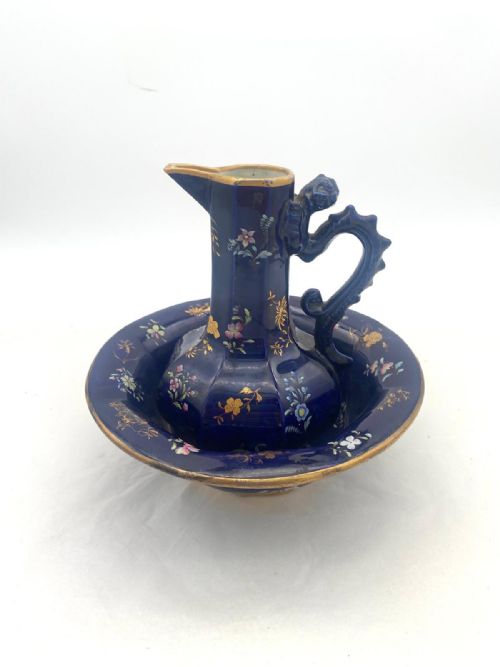
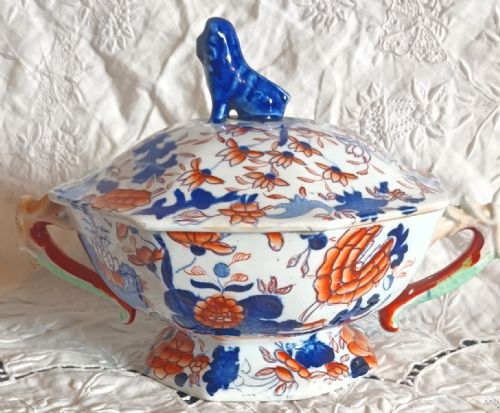
These octagonal ceramic bowl selections bring distinctive eight-sided geometric form and hand-finished glaze work straight to your table.
Octagonal Ceramic Bowl
An octagonal ceramic bowl provides a structured eight-sided alternative to standard circular vessels, appearing in forms ranging from decorative bowls to large jardinieres. When you search for an octagonal ceramic bowl, you encounter pieces spanning the eighteenth century through to the early twentieth century.
The selections on this page feature notable examples from periods such as the Georgian and Victorian eras, alongside early twentieth-century production. Porcelain and ironstone dominate the physical evidence, often enhanced by elaborate glaze techniques.
How they were made
Potters shaped these vessels using durable ceramic bodies like ironstone and porcelain, building eight distinct sides that required precise moulding or throwing. Artisans applied complex lustre glaze, enamel, and gold leaf decorations directly onto the ceramic surface before firing.
Many pieces incorporate hand-painted motifs and gilt detailing, reflecting specialised workshop techniques from English factories and Chinese export production. The combination of transfer-printing, enamelling, and metallic lustre created rich visual depth across the faceted planes.
Octagonal Ceramic Bowl Retail Price Guide 2026
Typical asking prices for octagonal ceramic bowl among the pieces listed under this phrase on Sellingantiques today, from the lower quarter to the upper quarter. They describe what is for sale here now, not the wider market.
Celestial dragons and golden fish swim endlessly across these faceted surfaces, trapped forever in lustrous twentieth-century glazes.
What varies in quality
Quality separates ordinary utilitarian vessels from artist-designed showpieces through the crispness of the eight-sided moulding and the complexity of the surface decoration. Superior examples display meticulously applied lustre glazes, rich enamel colours, and intact gold leaf detailing that remain vibrant across every facet.
The reputation of the designer and the execution of intricate pictorial schemes, such as dragon or phoenix motifs, elevate certain items far above standard production. The precision of the geometric angles and the depth of the glaze finish dictate the standing of each piece.
Wedgwood·Daisy Makeig-Jones·James Hodgkiss
The Octagonal Ceramic Bowl Glossary
- Ironstone
- A heavy, durable type of earthenware patented in the nineteenth century. It provided a robust alternative to porcelain for heavy-use items.
- Lustre Glaze
- A metallic film applied to pottery to create an iridescent, glossy surface effect. It catches the light differently across faceted sides.
- Chinoiserie
- European artistic styles reflecting Chinese motifs and decorative techniques. It frequently appears on eighteenth-century export pieces.
- Bone China
- A soft-paste porcelain incorporating bone ash. This material yields a bright white, translucent body suited to fine decorative work.
- Gilt
- A thin layer of gold applied to the ceramic surface for ornamentation. It highlights rims, handles, and geometric borders.
Octagonal Ceramic Bowl: Frequently Asked Questions
How do I date an octagonal ceramic bowl?
Dating relies upon examining the ceramic body, glaze characteristics, and any factory marks stamped on the base. Stylistic markers like Art Deco geometric framing or Georgian Chinoiserie also point toward specific decades.
Comparing the manufacturing material, such as heavy ironstone versus refined bone china, helps narrow down whether a piece originates from the nineteenth or twentieth century.
How were these bowls used historically?
These vessels served various domestic and decorative functions, from holding water in wash sets to displaying ornamental arrangements in grand rooms. Eight-sided bowls specifically acted as centrepieces for dining tables or decorative receptacles.
Larger forms functioned as jardinieres or basin sets, while smaller octagonal bowls held dry goods or served purely aesthetic purposes in wealthy households.
What defines the Art Deco style here?
Art Deco pieces introduce bold geometric arrangements and streamlined interpretations of traditional motifs created during the early twentieth century. These items often showcase vibrant lustre glazes applied to sharp eight-sided forms.
The style moves away from ornate Victorian clutter in favour of striking visual balance and stylized pictorial scenes.