



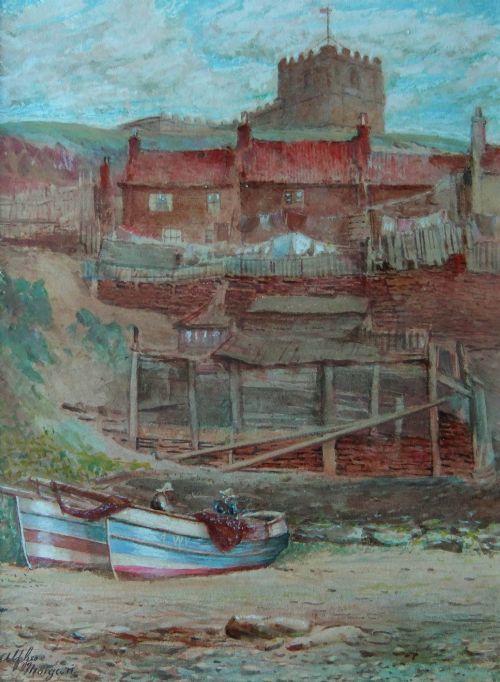
Blue Landscape Watercolour
A blue landscape watercolour captures atmospheric distance through fluid washes, offering buyers a serene piece of historical artistry for the home.
Understanding blue landscape watercolour
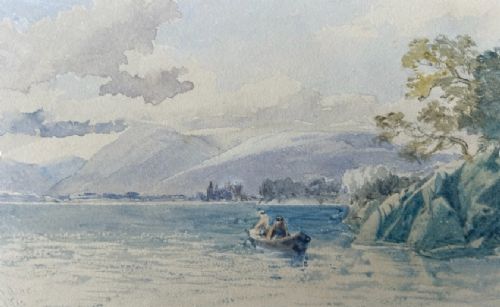
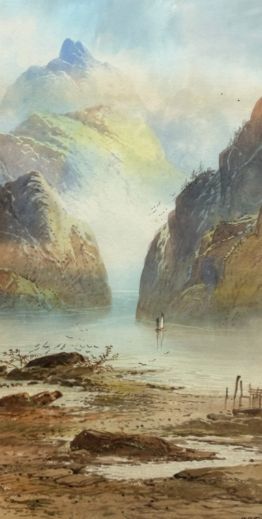
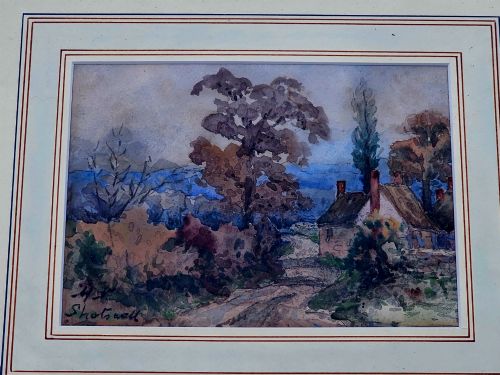
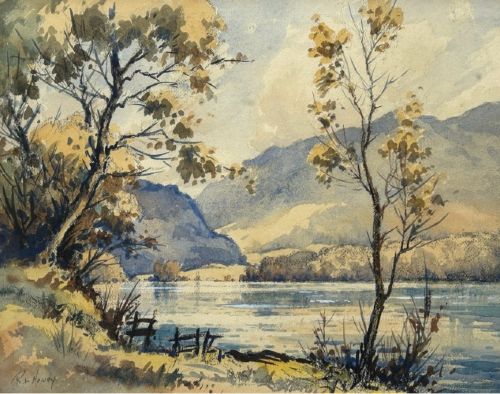
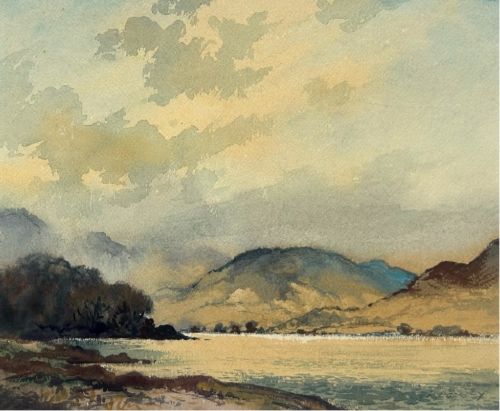
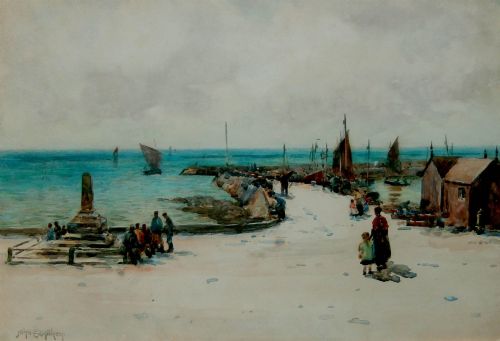
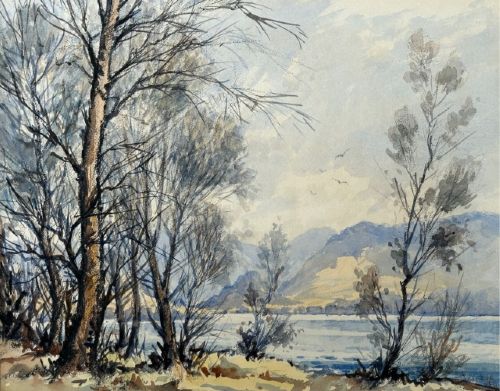
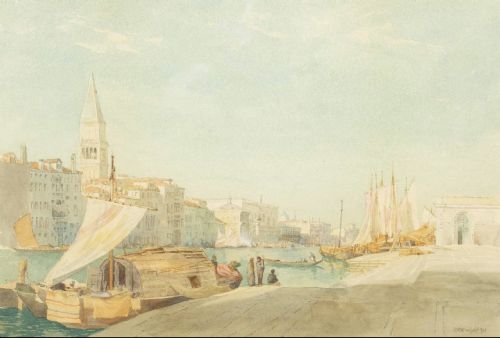
A blue landscape watercolour presents scenic vistas rendered predominantly in blue tones on paper supports. These works capture atmospheric conditions through washes of pigment that evoke open skies, distant hills, and coastal views.
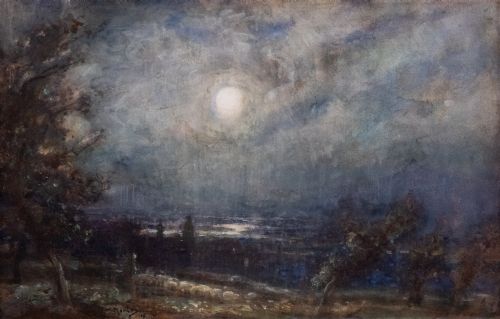
The pieces listed on this page encompass works originating from the nineteenth and early twentieth centuries. Viewers encounter compositions reflecting Victorian and Edwardian sensibilities, alongside examples touched by Impressionism.
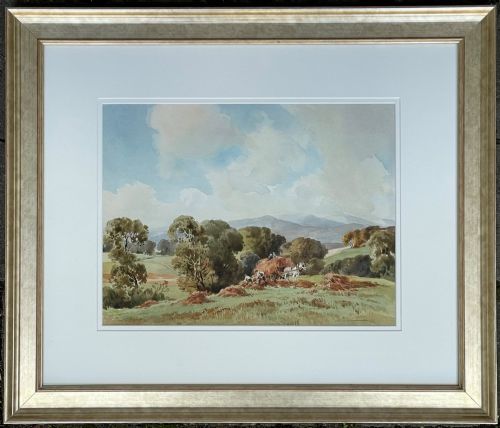
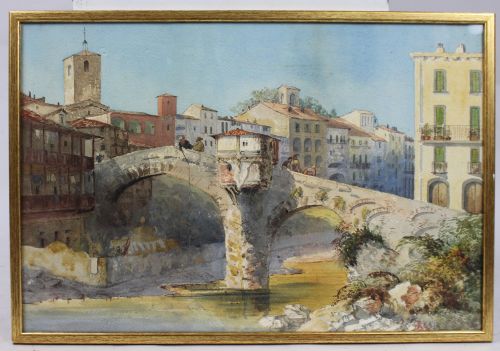
Most examples survive protected behind glass within gilt wood frames that complement the delicate painted surfaces. Buyers frequently encounter unsigned studies alongside signed works attributed to period practitioners.
Creation and materials
Artists executed these works by applying watercolour pigment suspended in water directly onto paper. The absorbent nature of the paper required swift application, as the water-based medium dried rapidly under the brush.
Makers framed the completed works behind glass to protect the delicate paper surface from atmospheric moisture and dust. Gilt wood frames provided a formal border that enhanced the visual depth of the landscape.
Site listings exclusively feature works utilising paper, glass, watercolour pigment, and gilt wood across Victorian and Edwardian periods.
Evaluating quality and execution
Superior examples demonstrate confident brushwork where minimal pigment creates maximum atmospheric depth. The handling of tone distinguishes masterly execution from pedestrian student work, particularly in the rendering of distant skies and horizons.
The preservation of the paper support and the vibrancy of the watercolour pigment heavily influence the standing of a piece. Works retaining their original gilt wood frames and protective glass maintain greater historical integrity.
Edwin Bagshaw
The Blue Landscape Watercolour Glossary
- Watercolour
- A painting method in which the paints are made of pigments suspended in a water-based solution. The paper serves as the reflective light source beneath translucent washes.
- Impressionism
- A nineteenth-century art movement characterised by relatively small, thin, yet visible brush strokes and an emphasis on accurate depiction of light. Works in this style prioritize overall visual effect over fine detail.
- Gilt wood
- Wood coated with a thin layer of gold leaf or gold paint. This finish creates a reflective, decorative border commonly used on historical picture frames.
- Edwardian
- Pertaining to the period of the reign of King Edward VII. Items from this era often reflect lighter, more optimistic aesthetic choices following the Victorian period.
Frequently Asked Questions
How should I display a blue landscape watercolour?
Position your painting away from direct sunlight to prevent the watercolour pigment from fading over time. Maintaining a stable indoor humidity protects both the delicate paper support and the gilt wood frame.
Ensure the piece hangs securely using appropriate wall fixings suitable for framed works behind glass. Regular gentle dusting of the frame keeps the display looking pristine.
What periods do these watercolours date from?
The available selection spans the nineteenth and early twentieth centuries, specifically encompassing Victorian and Edwardian eras. These periods saw significant developments in landscape painting techniques and framing styles.
Items from 1870 and 1900 illustrate the shifting artistic approaches toward natural scenery during those decades.
Are these watercolours usually framed?
Historical works typically survive within their period frames, frequently constructed from gilt wood and fitted with glass. These protective enclosures preserved the fragile paper surfaces from physical damage over the centuries.
Original framing elements add historical context and enhance the visual presentation of the landscape artwork.
How do I identify an Impressionist watercolour?
Impressionist watercolours focus on capturing light and atmospheric effects rather than precise botanical or architectural details. The brushwork appears looser and more suggestive of movement across the landscape.
Such pieces often date from the late nineteenth or early twentieth century, reflecting contemporary shifts in European art.