




Blue Gold Wall Plate
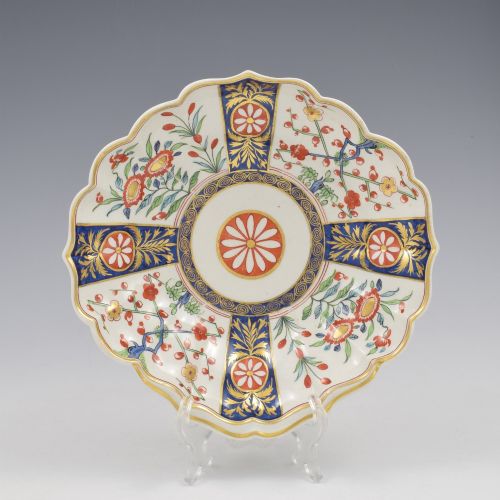
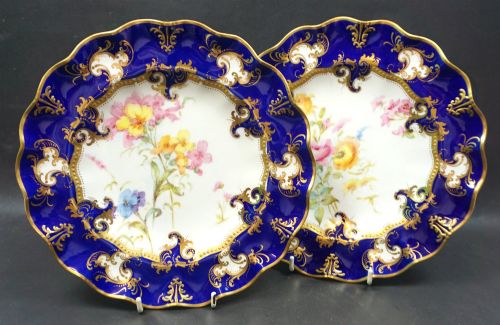
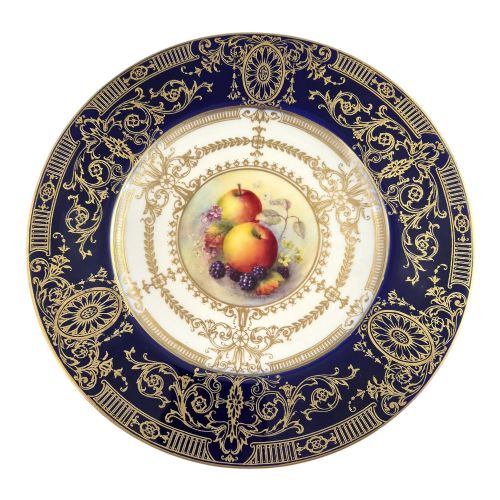
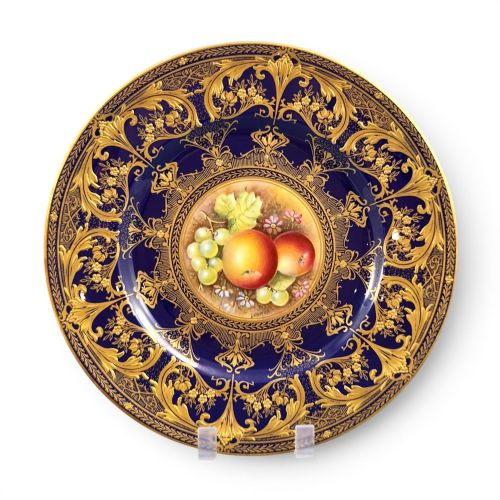
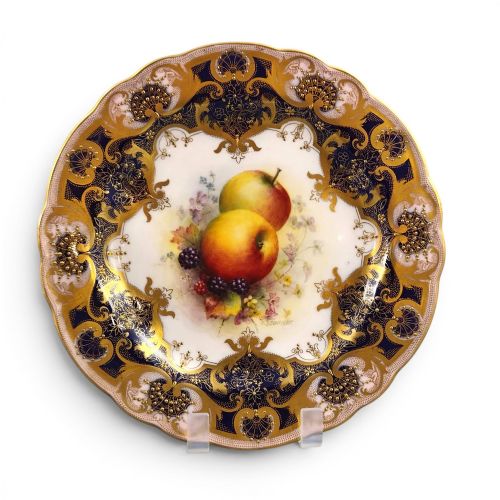
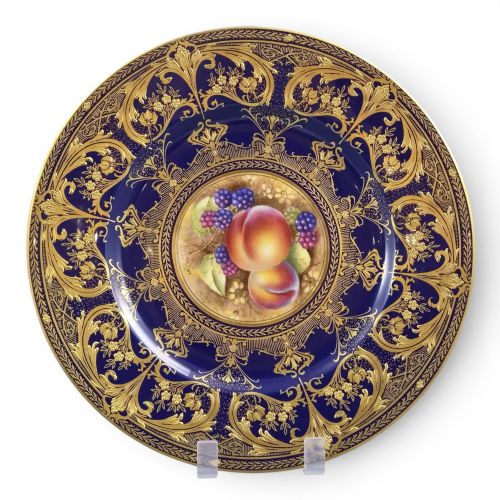
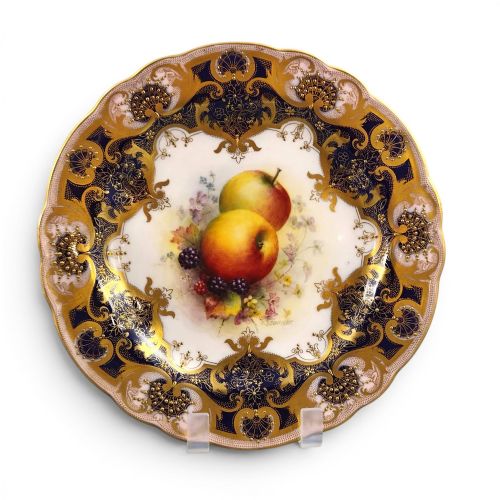
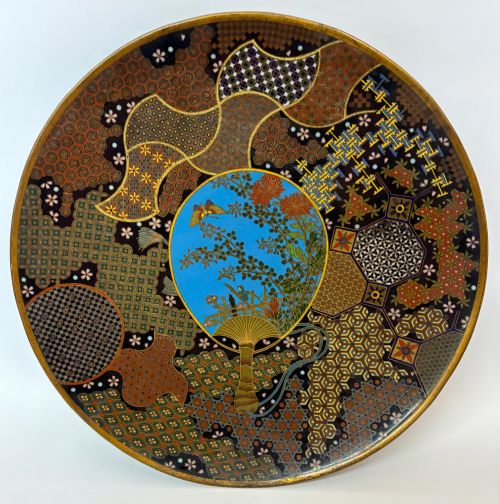
These blue gold wall plate examples bring hand-painted porcelain and cloisonne directly to interiors through cabinet plates and decorative chargers.
Blue Gold Wall Plate
A blue gold wall plate selection spans decorative plates, cabinet plates, and large chargers designed for display rather than dining. These pieces arrive from varied workshops across the nineteenth and twentieth centuries, encompassing traditional English factories and continental makers.
Most items you encounter on this page take the form of porcelain cabinet plates or bone china dessert dishes, often enriched with cobalt blue grounds and heavy gilding. Alongside these sit Japanese cloisonne chargers and occasional oil painting still life studies housed in gilt frames.
Origins stretch from eighteenth century English porcelain manufactories to Meiji period Japanese studios, with Victorian and Edwardian periods heavily represented. Forms range from single cabinet plates to matched sets of dessert dishes and game bird plates.
Materials and construction
Makers utilised porcelain and bone china as the primary substrate, applying cobalt blue enamel grounds and hand-painted motifs directly to the ceramic body. Gilding and gold leaf were then hand-applied, often tooled or raised to create shimmering contrast against the deep blue pigments.
Alternative pieces incorporate copper and brass foundations for detailed enamel cloisonne work, fusing powdered glass pastes within wire cells. Certain items utilise oil paint on canvas mounted inside heavy gilt wooden frames to achieve a complementary visual richness.
Blue Gold Wall Plate Retail Price Guide 2026
Typical asking prices for blue gold wall plate among the pieces listed under this phrase on Sellingantiques today, from the lower quarter to the upper quarter. They describe what is for sale here now, not the wider market.
Listings feature porcelain, bone china, copper, and brass across nineteenth and twentieth century periods.
Factors that distinguish quality
Quality rests upon the precision of the hand-painting and the depth of the gilding, particularly where intricate florals or figural scenes are rendered by known artists. Superior cabinet plates demonstrate exceptional control in their cobalt application and refined tooling across the gold leaf borders.
The sophistication of the ceramic body and the crispness of any pierced or moulded decoration also separate standard production from masterwork pieces. Early Worcester and Royal Worcester items command attention through their exact botanical or fruit studies executed by specialist painters.
Royal Crown Derby·Royal Worcester·Royal Vienna·Meissen·Sevres
The Blue Gold Wall Plate Glossary
- Cabinet plate
- A decorative ceramic plate intended for display in a cabinet or on a wall rather than for practical table service. These frequently feature elaborate hand-painted scenes and rich gilding.
- Charger
- A large decorative plate or dish, substantially wider than a standard dinner plate, often hung on a wall or used as a base setting. Japanese examples frequently utilise cloisonne enamel on metal.
- Gilding
- The application of gold leaf or gold paint to the surface of porcelain, metal, or wood. Skilled artisans burnish the gold to create contrasting matte and bright metallic finishes.
- Imari
- A style of ceramic decoration originating in Japan featuring a distinctive palette of cobalt blue, iron red, and gold. European factories later adopted and reinterpreted these vibrant colour schemes.
- Cloisonne
- An enamel technique where metal wires are soldered to a metal base to form compartments that are filled with coloured glass paste and fired. This method creates intricate patterns in vibrant hues.
Blue Gold Wall Plate: Frequently Asked Questions
How were these decorative plates displayed historically?
Cabinet plates and chargers were primarily kept in glazed display furniture or mounted on walls to showcase wealth and artistic taste.
They were rarely used for actual dining, serving instead as focal points in drawing rooms and dining parlours.
What is the difference between a cabinet plate and a dessert dish?
Cabinet plates are manufactured strictly for visual display, featuring intricate hand-painted artwork and delicate borders that would suffer from regular use.
Dessert dishes formed part of larger service sets intended for formal dining, though many survived through careful preservation.
How do I identify the period of a porcelain plate?
Dating relies upon factory backstamps, numeric date codes, and stylistic markers associated with Victorian, Edwardian, or earlier reigns.
Hand-written artist signatures and specific baseline potting techniques also provide clear indicators of origin and era.
Can these antique plates be hung safely on walls?
Yes, many decorative plates and chargers are fitted with suitable wall mounting hardware designed to distribute weight evenly.
Care must be taken to use spring-loaded hangers that do not pinch or damage the ceramic rim or gilt edge.