


Blue Glazed Pitcher
A blue glazed pitcher brings deep cobalt tones and centuries of ceramic craft straight to the table, offering both decorative presence and historic utility.
Blue Glazed Pitcher
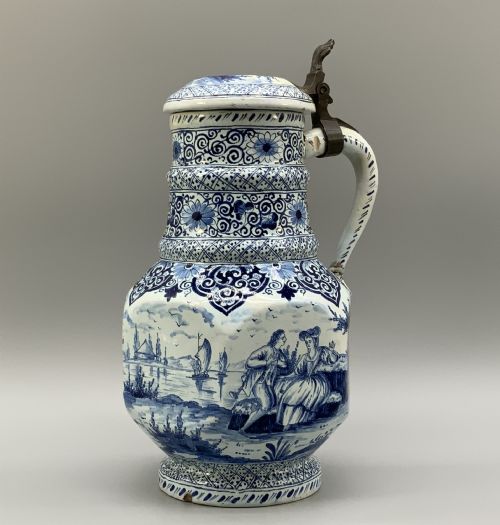
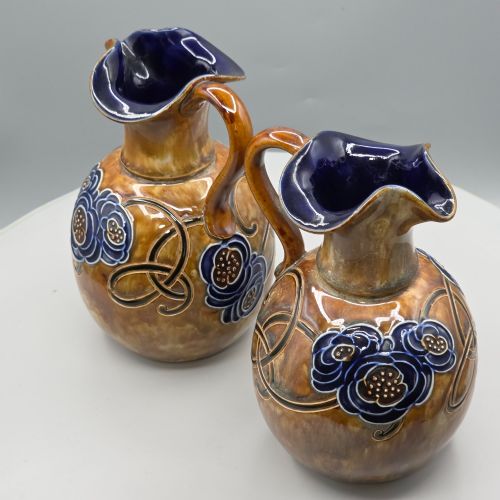
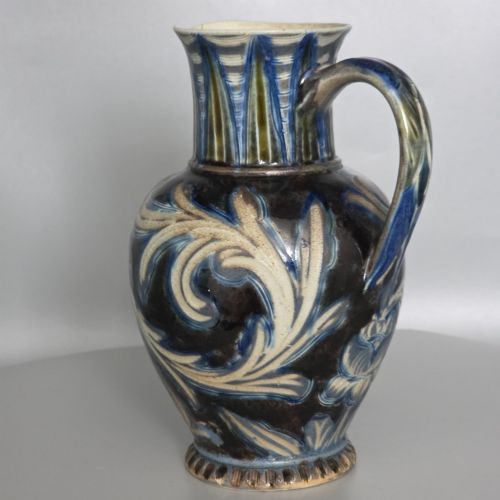
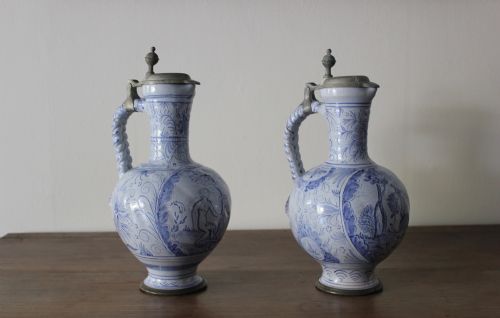
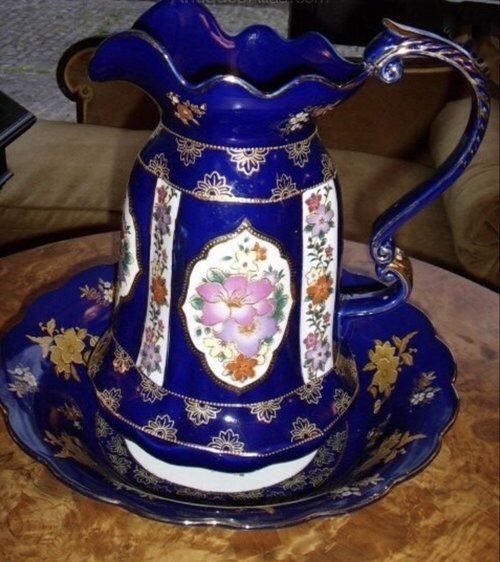
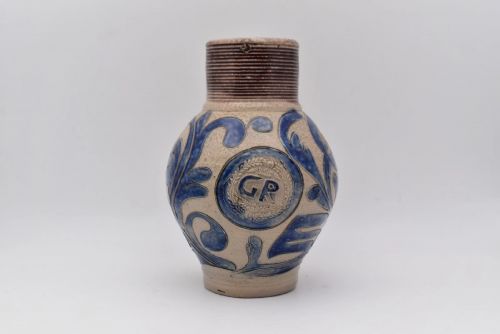
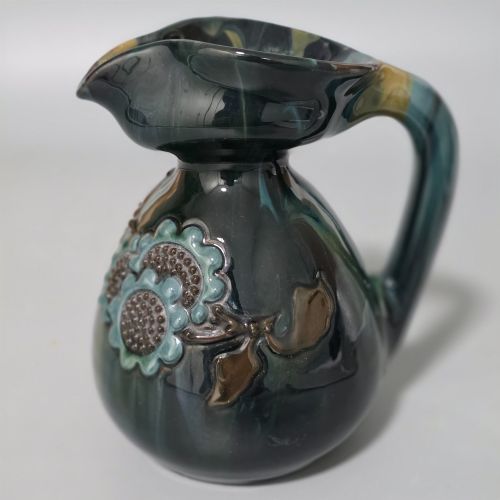
A blue glazed pitcher encompasses a diverse range of historic serving vessels, jugs, ewers, and toby jugs originating from the seventeenth century through to the early twentieth century. Buyers seeking this phrase encounter salt-glazed German stonewares, Dutch delftware vessels, and rich Victorian art pottery pieces.
Materials and technique
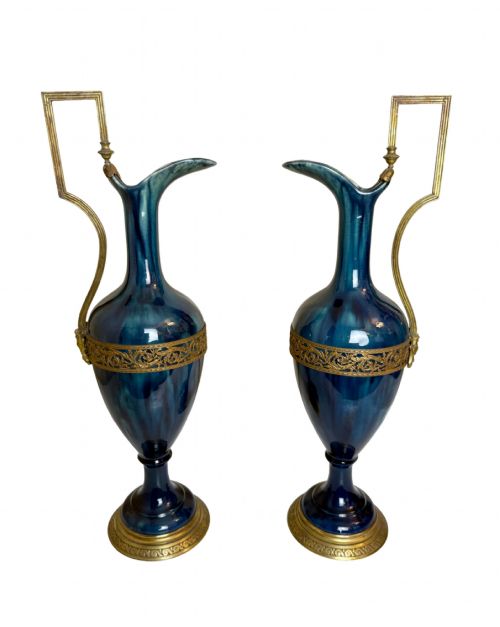
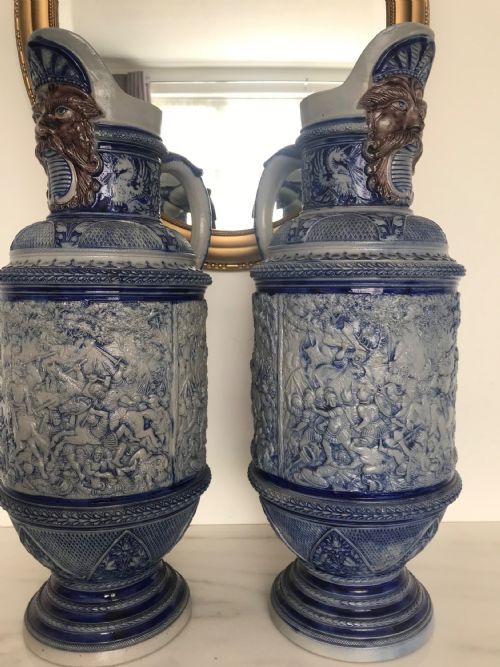
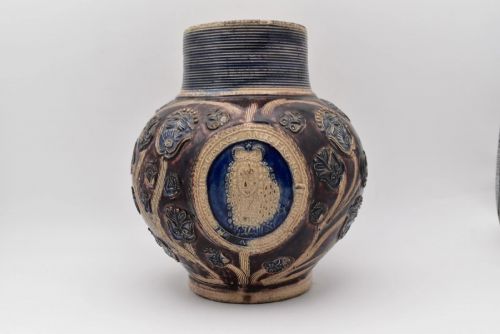
Potters shaped these vessels using traditional methods in earthenware, stoneware, and ceramic, often applying tin glaze or salt glaze to seal the body. Cobalt blue pigment provides the distinctive coloration, appearing in deep washes under the glaze or painted onto white tin-glazed surfaces.
Makers utilised kilns fired with wood or coal to mature the glazes, resulting in surfaces that range from high gloss to salt-textured orange-peel finishes. Incised decoration, moulded reliefs, and pewter lids frequently accompany the ceramic bodies.
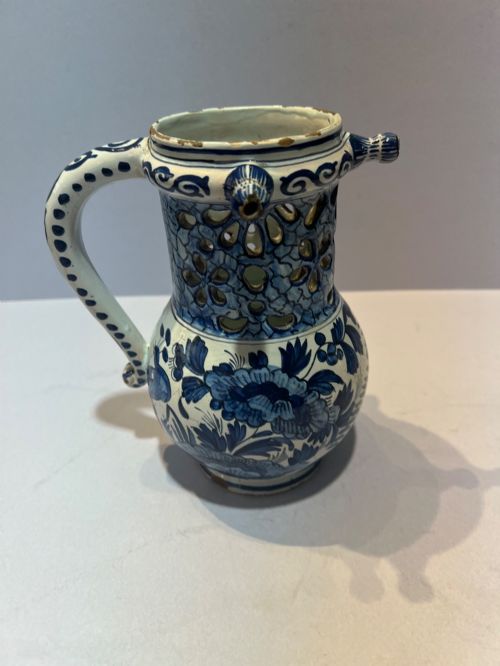
Historic tavern drinkers had to puzzle out secret channels in perforated puzzle jugs without spilling the ale.
Judging execution
Quality rests upon the crispness of the moulded or incised decoration and the depth of the cobalt blue pigment. Finer pieces display confident brushwork or precise artisan tooling, whereas lesser examples show blurred glaze pooling or uneven colour distribution.
The sophistication of the potting and the pedigree of the workshop define the upper tier of the range. Studio pottery and established salt-glaze works demonstrate superior handling of the clay body and glaze chemistry.
Royal Doulton·Doulton Lambeth·Simon Peter Gerz·Sir Edmund Elton·Pieter Verburg·Minton
The Blue Glazed Pitcher Glossary
- Tin glaze
- An opaque white glaze containing tin oxide, used as a smooth surface for painted blue decoration on delftware. This technique originates from Middle Eastern traditions brought through Europe.
- Salt glaze
- A vitreous coating formed by throwing common salt into the kiln during high-temperature firing, creating a textured surface. This finish is typical of stoneware production.
- Ewers
- Large water pitchers featuring an elaborate spout and handle, traditionally used for washing hands at table. These forms lean towards decorative display rather than daily service.
- Puzzle jugs
- Historic vessels pierced with hidden spouts and perforations, designed to trick the drinker into spilling the contents. They require solving the correct path of liquid through the handle.
- Toby jugs
- Pottery vessels modelled as a seated, stout eighteenth-century gentleman holding a mug and jug of beer. These character figures often feature colourful glazes and tricorn hats.
Blue Glazed Pitcher: Frequently Asked Questions
How were salt-glazed pitchers made?
Potters threw the vessels on a wheel using dense stoneware clay before shovelling common salt directly into the hot kiln fires. The vaporised salt reacted with the silica in the clay body to form a durable, glossy coating.
This chemical reaction produced the characteristic pebbled texture seen on German and English stoneware jugs from the seventeenth century onward.
What is Dutch delftware?
Dutch delftware refers to tin-glazed earthenware produced in the Netherlands, heavily influenced by imported Chinese porcelain. Artisans painted cobalt blue maritime, floral, or Chinoiserie scenes onto the opaque white surface before firing.
These pieces capture a distinct cross-cultural aesthetic popular across European trade routes during the seventeenth and eighteenth centuries.
What distinguishes studio art pottery?
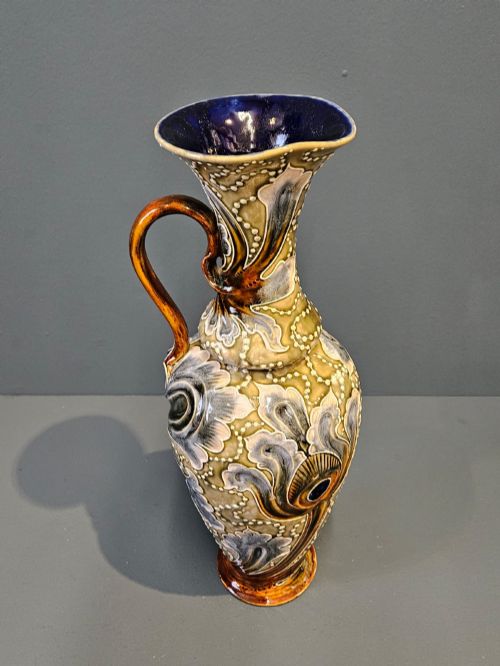
Studio art pottery stands apart through individual maker attribution, experimental glazing techniques, and hand-thrown forms created outside mass production. Makers like Sir Edmund Elton applied unique floral motifs and bespoke running glazes to their works.
These pieces reflect the Arts and Crafts movement's emphasis on artisan skill and distinct personal expression.