


Blue Glazed Chinese Ceramic
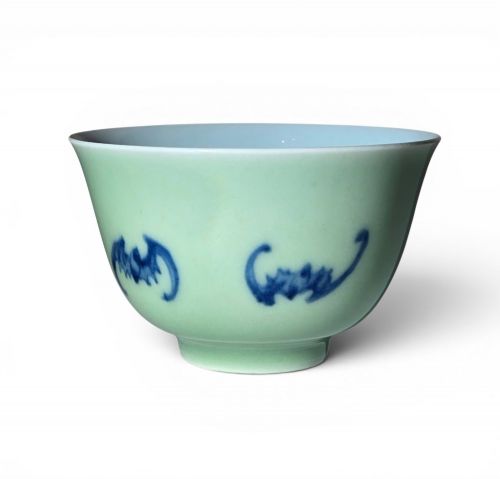
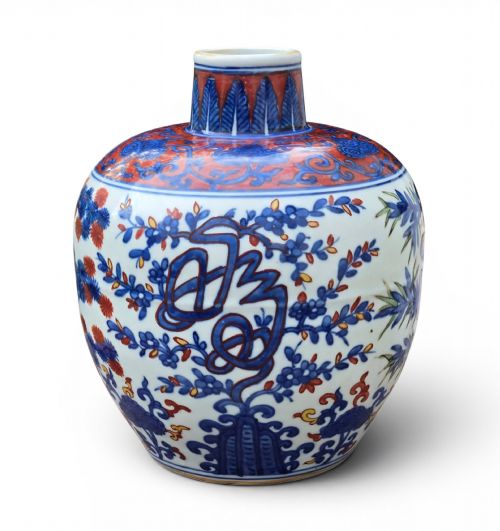
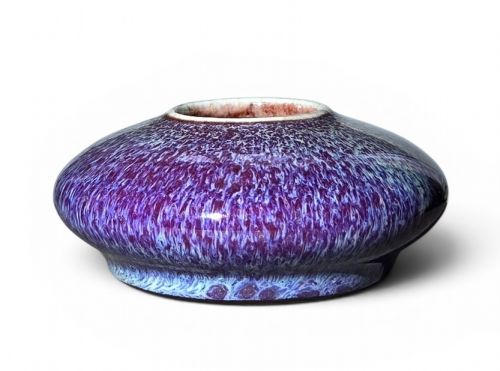
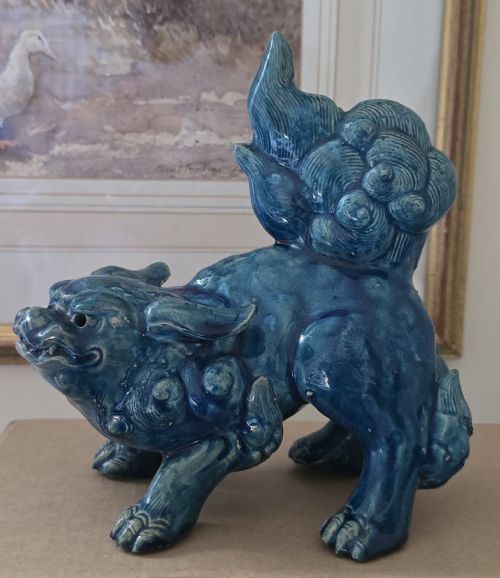
When you search for blue glazed chinese ceramic, you are looking at centuries of high-temperature firing and refined mineral pigments collected across dynasties.
Blue Glazed Chinese Ceramic
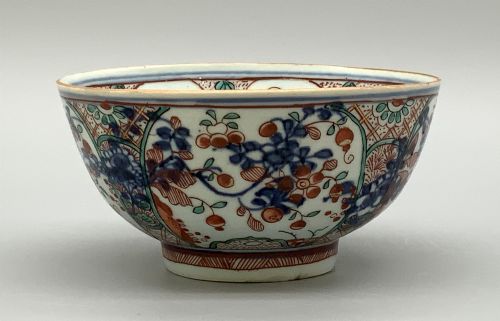
When you search for blue glazed chinese ceramic, you encounter objects spanning the 16th to the 20th century, including vases, brush pots, bowls, and garden seats. These items originate primarily from dynastic periods like the Qing and Kangxi eras, alongside later export and European inspired adaptations.
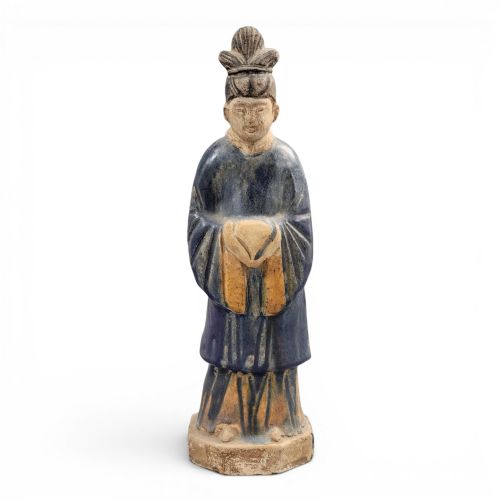
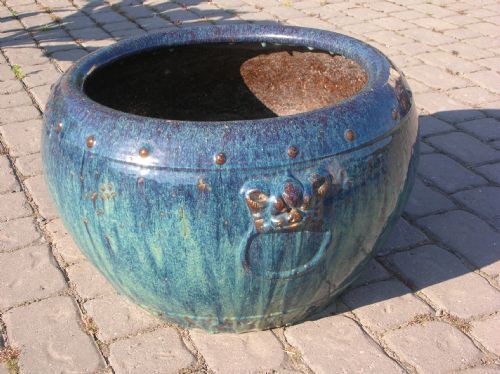
The pieces on this page range from utilitarian vessels to imperial items, reflecting both courtly commissions and broader commercial production. You will find forms such as double-gourd vases, jardinières, and figural sculptures utilising various shades of blue and turquoise glazes.
How they were made
The creation of these objects relies on high-fired porcelain and ceramic bodies combined with mineral-based cobalt or turquoise glazes. Artisans applied liquid pigments beneath or over the glaze before subjecting the pieces to intense kiln temperatures to achieve vitrification.
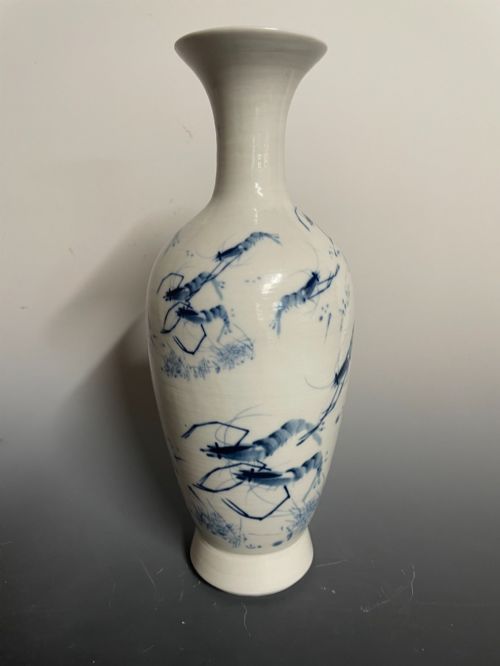
Techniques varied from underglaze painting and crackleware finishes to monochrome dipping and incised decorative motifs carved directly into the clay body prior to glazing.
Listings feature porcelain and earthenware forms spanning the 16th to the 20th century, including vases, bowls, and garden seats.
What varies in quality
Quality in these ceramics rests on the control of the kiln atmosphere, the purity of the clay body, and the precision of the painted or incised details. Superior examples display depth in the blue glaze, sharp underglaze lines, and balanced proportions.
Lesser pieces show pooling, uneven colour distribution, or coarse body potting, though regional export wares maintain their own distinct aesthetic standards distinct from imperial productions.
Minton·Wedgwood·Joseph Holdcroft
The Blue Glazed Chinese Ceramic Glossary
- Porcelain
- A white, vitrified ceramic material made by firing clay containing kaolin at high temperatures. It is known for its translucency and ringing tone when struck.
- Cobalt Glaze
- A deep blue mineral pigment applied to ceramics before firing. It remains stable at high kiln temperatures, producing vivid blue tones.
- Crackware
- A ceramic glaze featuring a network of fine cracks or craquelure intentionally created during the cooling process. It adds texture and visual depth to the surface.
- Brush Pot
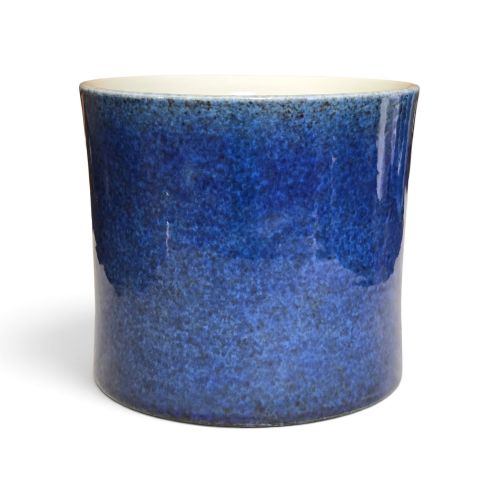
- A cylindrical vessel traditionally used by scholars in East Asia to hold writing brushes. They are frequently carved from porcelain, ceramic, or jade.
- Monochrome
- A colour scheme utilising a single colour or hue, often varying in tone across the glazed surface of a vessel.
Blue Glazed Chinese Ceramic: Frequently Asked Questions
What is a blue glazed chinese ceramic?
These items are fired clay or porcelain vessels and figures coated in mineral blue or turquoise glazes. They encompass functional scholar's objects, decorative jars, and garden seats.
Produced across multiple dynasties and later export periods, they showcase diverse forms ranging from monochrome brush holders to underglaze painted vases.
How were these ceramics used originally?
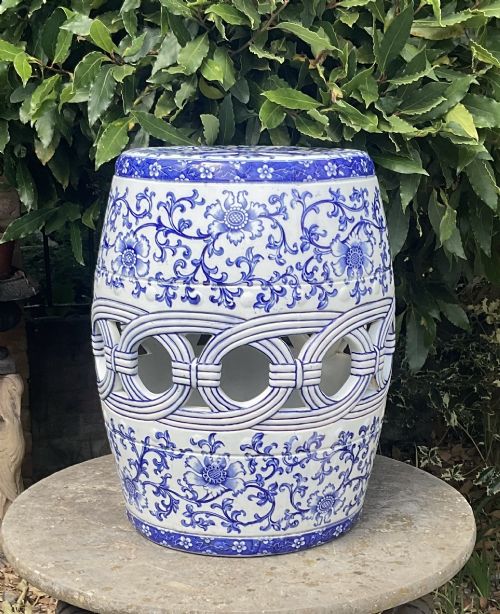
Many pieces served practical functions in households and scholar's studios, such as holding writing brushes, containing flowers, or storing liquids. Larger items like garden seats were built for outdoor use.
Imperial and domestic vessels also functioned as decorative displays, signalling status and artistic appreciation within the home.
How do I style these pieces at home?
You can integrate these ceramics into modern or traditional interiors by placing vases on tables or using garden seats as occasional stands. Their rich blue tones complement neutral wooden furniture and textiles.
Grouping items like bowls and jars together creates focal points, while single larger pieces work well as standalone decorative accents.
How can I tell the period of a piece?
Dating relies on examining the potting style, the characteristics of the glaze, and any reign marks stamped or painted on the base. Comparing the weight and clay body to known dynastic standards aids identification.
Changes in stylistic motifs, such as the shift from imperial dragon designs to later export patterns, provide further clues to a piece's age.