

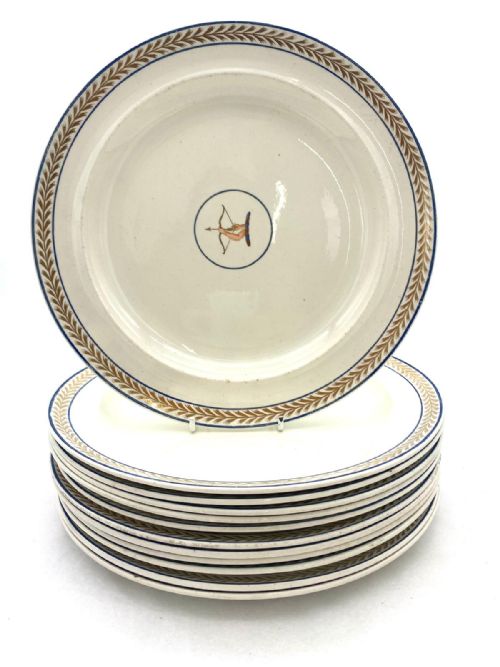
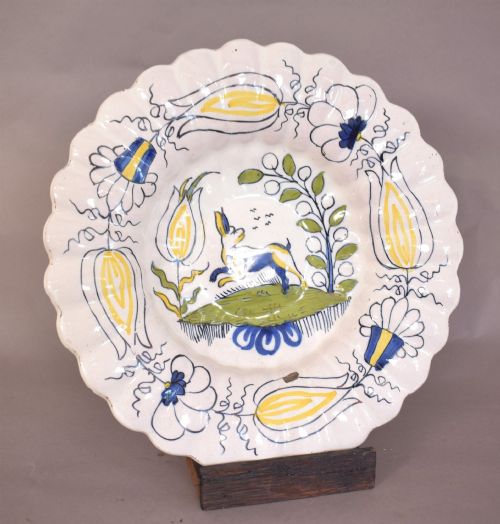
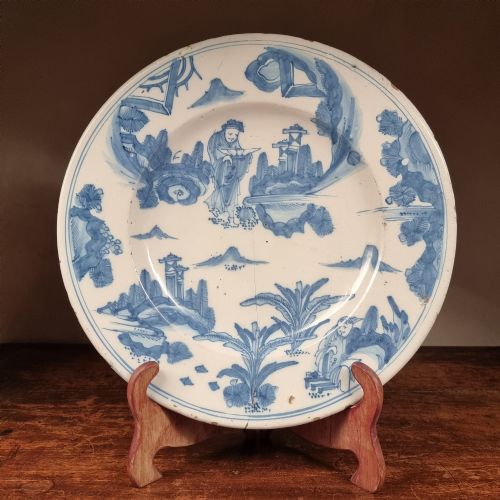
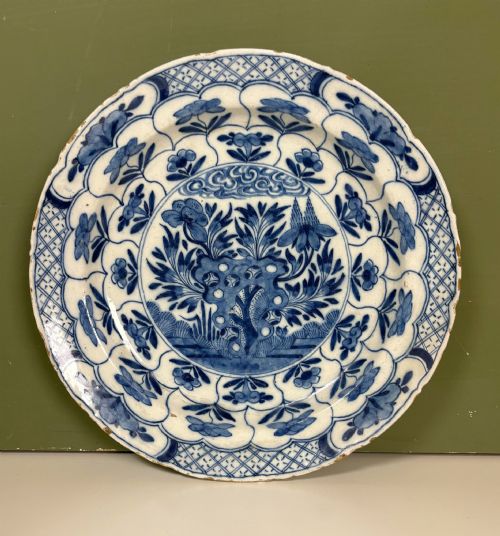


Blue Glaze Pottery Plate
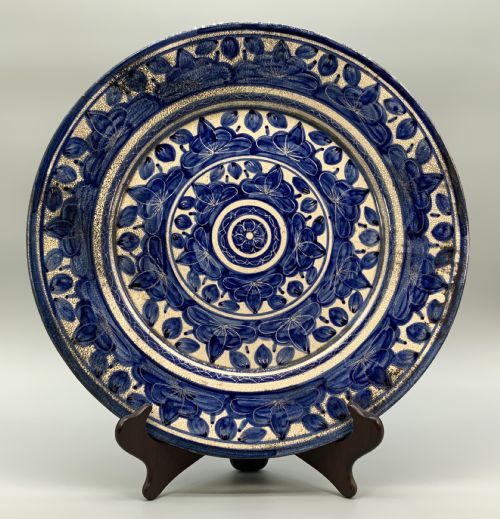
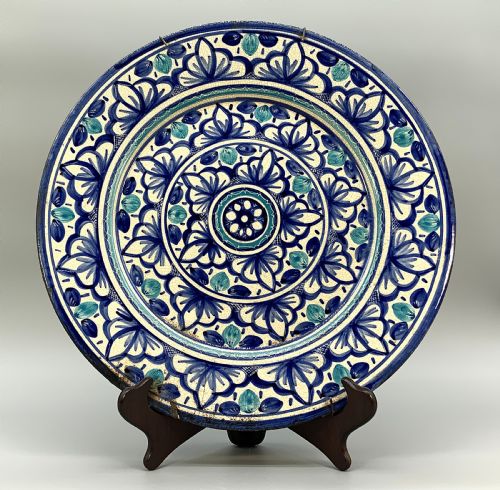
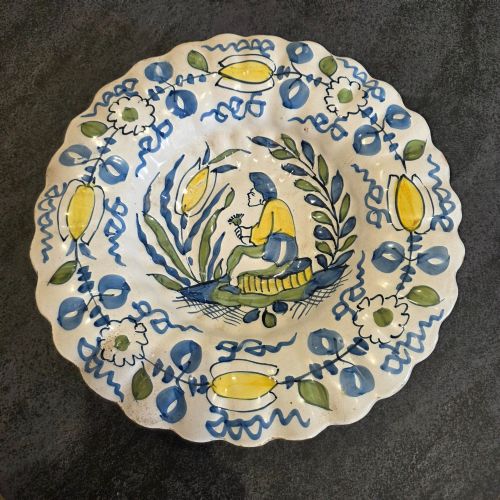
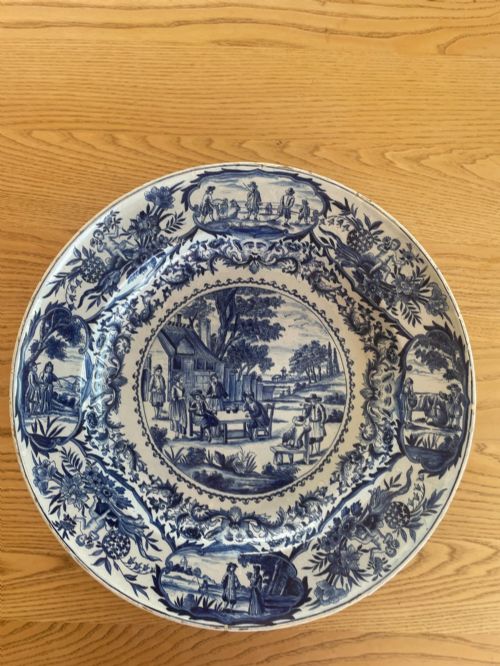
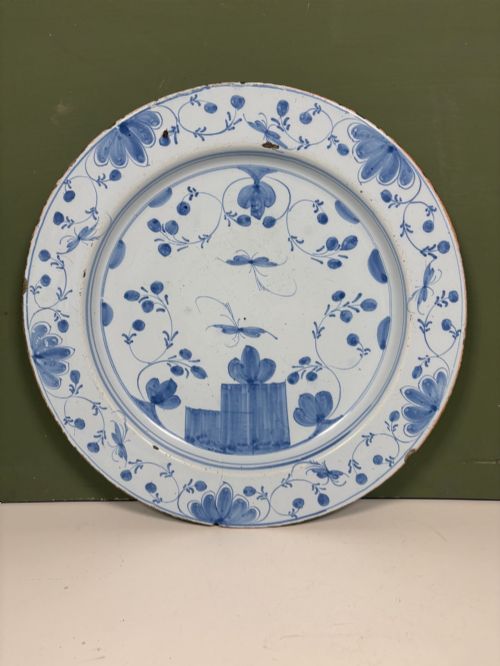
A blue glaze pottery plate carries centuries of pigment on tin-glazed earthenware, offering collectors deep blue decoration from seventeenth-century Dutch workshops to Georgian service.
Blue Glaze Pottery Plate
A blue glaze pottery plate typically presents as a charger, serving dish, or wall plate shaped from earthenware and finished with tin glaze. The selection focuses heavily on seventeenth-century and eighteenth-century examples alongside Victorian pieces.
Buyers encounter distinct forms ranging from shallow bowls and lobed dishes to massive chargers spanning several centimetres. Dutch and English delftware dominate the available selection alongside Moorish style continental pieces and French faience.
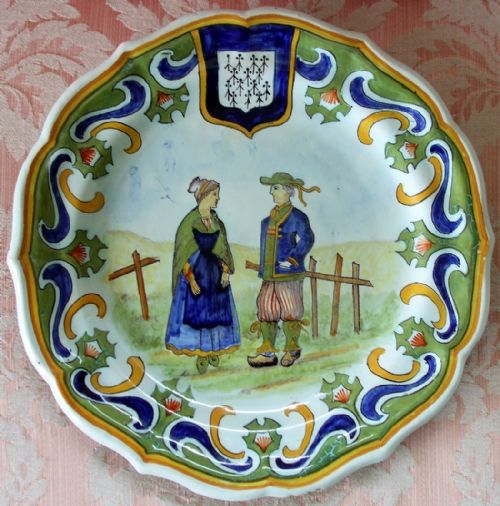
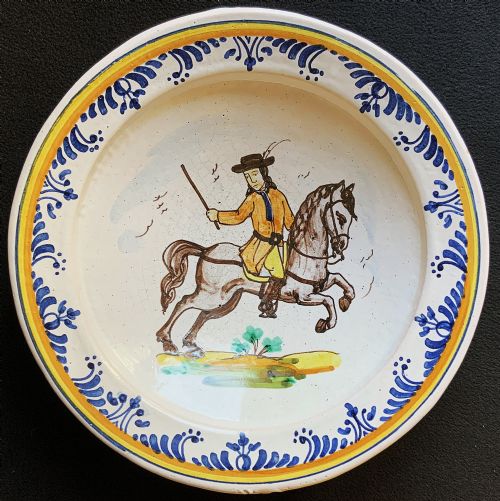
The objects serve primarily as decorative wall chargers or table platters, showing blue and white painting or polychrome additions. Many pieces originate from Dutch, English, and Spanish production centres spanning multiple centuries.
Materials and construction
Potters shaped earthenware bodies before applying an opaque tin glaze that created a white surface for painting. Artisans then brushed cobalt pigment or metallic oxides directly onto the unfired glaze.
Firing took place in traditional kilns where the cobalt reacted with the tin enamel to produce characteristic blue tones. Polychrome variants incorporated additional mineral pigments alongside the primary blue glaze.
Materials documented in the inventory include tin glaze, cobalt pigment, and creamware.
Assessing quality and execution
Quality rests upon the crispness of the cobalt brushwork and the stability of the tin glaze over the earthenware body. Superior examples display controlled painting and balanced proportions rather than muddy pigment dispersion.
The depth of the glaze and the complexity of the painted motifs separate standard utility wares from ambitious decorative chargers. Early pieces derive distinction from the subtlety of the blue pigment against the enamel ground.
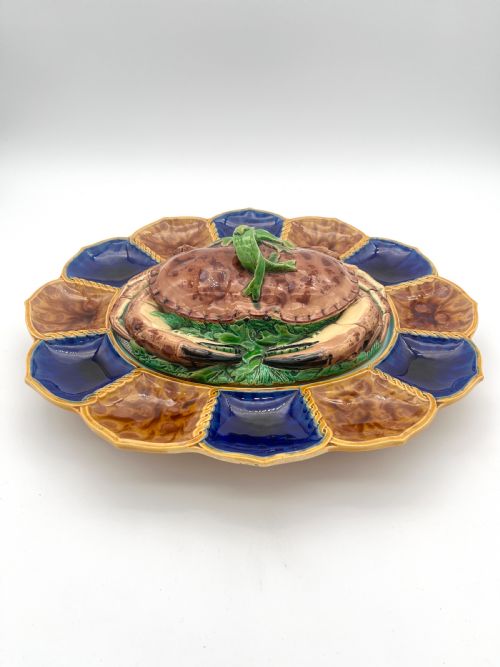
Wedgwood·Minton·John Ridgway·Spode
The Blue Glaze Pottery Plate Glossary
- Tin-Glazed Earthenware
- Pottery covered with a lead glaze made opaque by the addition of tin oxide. This surface provided a smooth white ground for cobalt painting.
- Charger
- A large ornamental plate designed for display on a wall or sideboard rather than daily dining. These pieces often measure over thirty centimetres across.
- Polychrome
- Decoration employing several colours rather than monochrome blue. Painters added secondary pigments like yellow, green, and manganese purple.
- Kraak
- Chinese export style imitated by European potteries featuring panelled borders and central landscape motifs. The design appears frequently on seventeenth-century delftware.
- Faience
- European tin-glazed earthenware produced in France, Spain, and other continental centres. The term parallels English delftware and Dutch delft.
Blue Glaze Pottery Plate: Frequently Asked Questions
How do I hang a heavy charger?
Large chargers require specialist wire spring hangers that distribute weight evenly around the rim without putting pressure on the earthenware body.
Secure the fixture directly into wall studs rather than plaster alone to support the considerable weight of seventeenth-century and eighteenth-century pieces safely.
Are these plates safe for food?
Historic tin-glazed earthenware possesses porous ceramic bodies and soft glazes susceptible to staining and chemical interaction with acidic foods.
Display these items visually rather than utilising them for dining or serving meals today.
How can I date a delft plate?
Examine the footring, glaze thickness, and tin opacification beneath the base to understand the manufacturing period. Earlier pieces often display thicker tin enamel and minor irregularities from kiln placement.
Compare the painted cobalt motifs and border styles against documented examples from Dutch and English workshops.
What caused the blue colour?
Potters used cobalt oxide applied directly onto the raw tin glaze before the final high-temperature kiln firing. The cobalt fused into the molten enamel during firing.
Variations in shading depend on the purity of the cobalt pigment and the thickness of the brush application.