
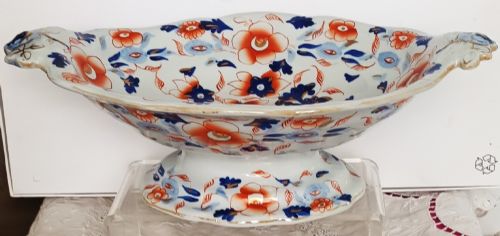
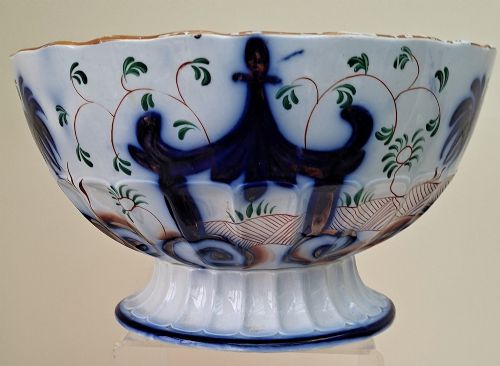
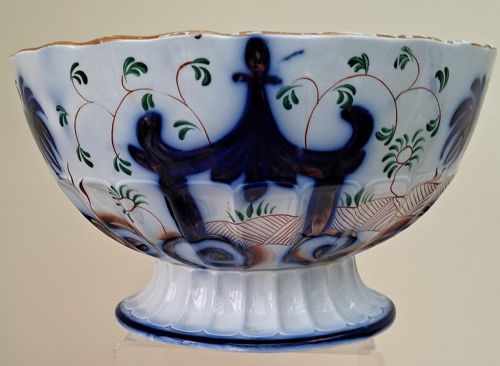
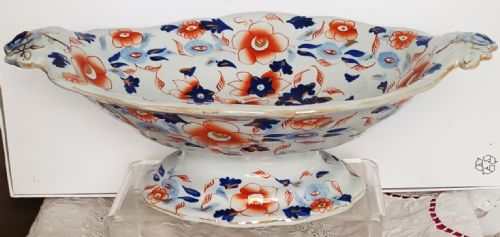


Blue Footed Bowl
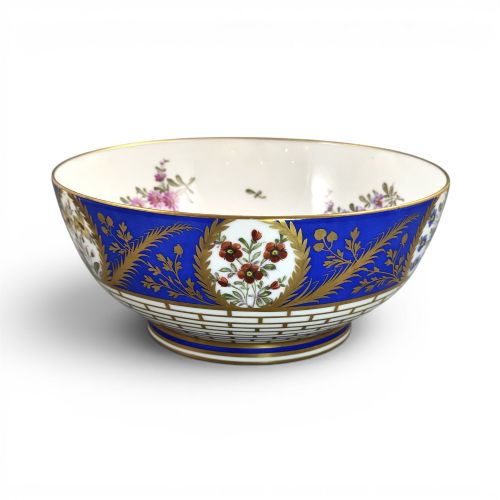
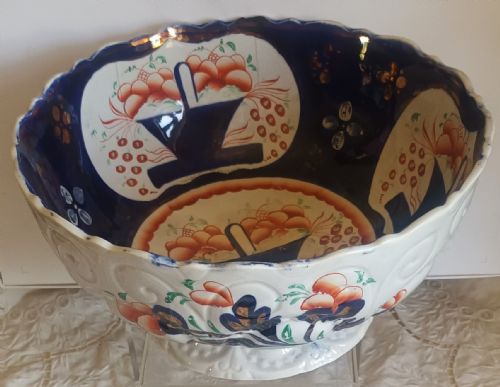
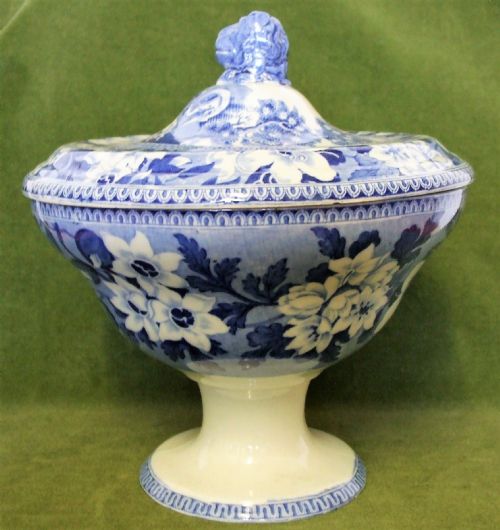
A blue footed bowl elevates table displays through raised forms and rich cobalt decoration spanning multiple decorative eras.
Blue Footed Bowl
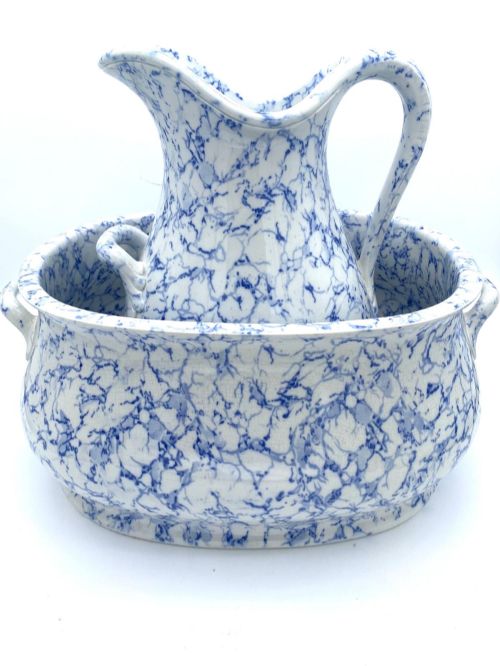
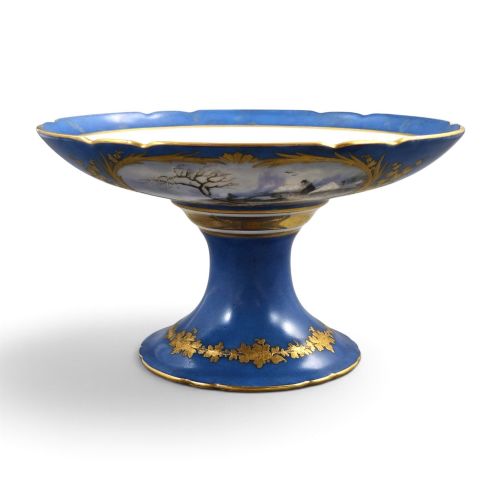
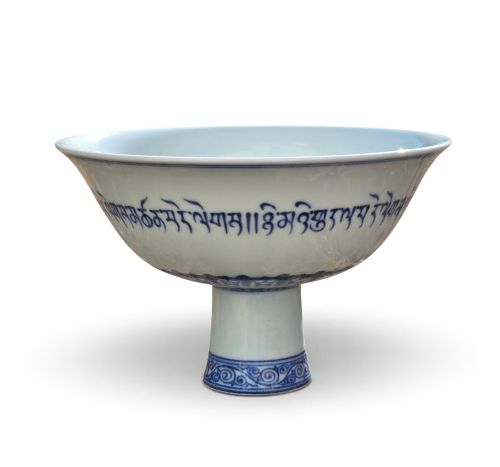
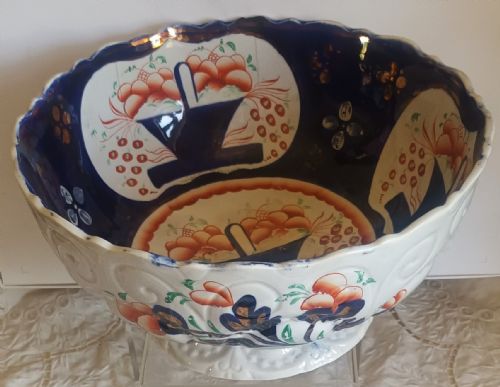
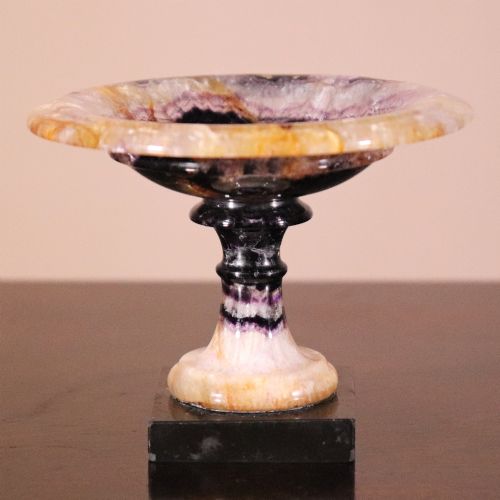
A blue footed bowl is a raised vessel designed for display or service, frequently encountered in earthenware, porcelain, and ironstone from the Georgian and Victorian periods. Buyers search for these pieces to add colour and historical form to a room, finding shapes that range from deep fruit bowls to low comports and tazzas.
The selection here draws heavily on nineteenth-century British pottery alongside continental porcelain and Oriental works. Pieces range from transfer-printed blue and white earthenware to lustreware and gilt-decorated porcelain resting on pedestals, tripods, or distinct feet.
Materials and production methods
Potters shaped these vessels using earthenware, ironstone, and hard-paste porcelain, applying cobalt blue beneath the glaze or painting enamels directly onto the fired surface. Gilding and gold leaf often highlight rims and footrings, adding a layer of metallic contrast to the blue ground.
Techniques varied from transfer printing on pearlware and ironstone to hand-thrown glass and cloisonne enamel over metal bases. Potters fired these works in kilns that fused the vitreous glazes to the body, creating durable surfaces suitable for decorative service.
Several bowls feature hand-painted hummingbirds and butterflies that appear ready to flutter right off the ceramic rim.
Assessing quality and execution
Quality rests on the crispness of the transfer print or the hand-painted brushwork, alongside the stability of the glaze and the precision of the foot or pedestal. Superior examples display even blue tones without running, clean potting lines, and well-preserved gilt or enamel details.
The distinction between standard utility wares and finer cabinet pieces often lies in the complexity of the pattern, such as intricate Chinese-style motifs or iridescent surface treatments, and the reputation of the pottery or decorator involved.
Minton·Sèvres·Wedgwood·Loetz·John Rogers and Son
The Blue Footed Bowl Glossary
- Comport
- A raised dish or bowl on a foot, used for serving fruit or sweetmeats at the table. These pieces often feature shallow basins supported by distinct pedestals.
- Pearlware
- A refined fine earthenware developed in the late eighteenth century with a slightly bluish glaze that pooled in recesses. It bridged the gap between creamware and later white ironstone.
- Ironstone
- A heavy, durable type of utilitarian ceramic patented in the early nineteenth century to resist chipping. It provided a robust body for transfer-printed blue patterns.
- Tazza
- A shallow saucer-like dish mounted on a stem and foot, originating in the Renaissance. These display pieces elevate small arrangements or serve ornamental functions.
- Lustreware
- Pottery decorated with a metallic film that gives an iridescent sheen to the surface. It captures light and creates shimmering colour variations in the glaze.
Blue Footed Bowl: Frequently Asked Questions
How were footed bowls used historically?
These vessels served primarily as centrepieces for fruit, sweetmeats, or decorative display on dining tables and sideboards. Their elevated forms gave height and visual weight to formal room settings.
Larger versions accommodated water or fruit, while smaller footed bowls and comports held luxury foodstuffs or simply showcased the potter's skill.
How do I date a blue ceramic bowl?
Dating relies on examining the ceramic body, glaze characteristics, and backstamps or pattern names. Early pieces often show pearlware glazes or hand-painted transfer prints typical of the Georgian era.
Later Victorian and Edwardian examples utilise harder ironstones, brighter synthetic cobalt colours, or distinct art pottery glazes associated with the early twentieth century.
What is the difference between earthenware and porcelain?
Earthenware is a porous, opaque pottery body fired at lower temperatures, commonly used for heavy nineteenth-century transfer-printed bowls. It requires a glaze to become impermeable to liquids.
Porcelain is a vitrified, dense ceramic material that rings when struck and is often translucent. It represents a more refined medium used for cabinet pieces and decorative comports.
Can I use antique bowls for food?
Most antique bowls are best reserved for dry decorative use or light display rather than daily dining. Historic glazes and ironstone bodies can absorb moisture or sustain surface wear from modern utensils.
Displaying them on tables or shelves protects the fragile enamels, gold leaf, and transfer prints from accidental damage and chemical detergents.